Key Takeaways
• Pentagon controls U.S.-Mexico border from April 11, 2025.
• 9,000 troops deployed, 4,400 in Stryker brigade.
• Executive orders face legality and civil rights challenges.
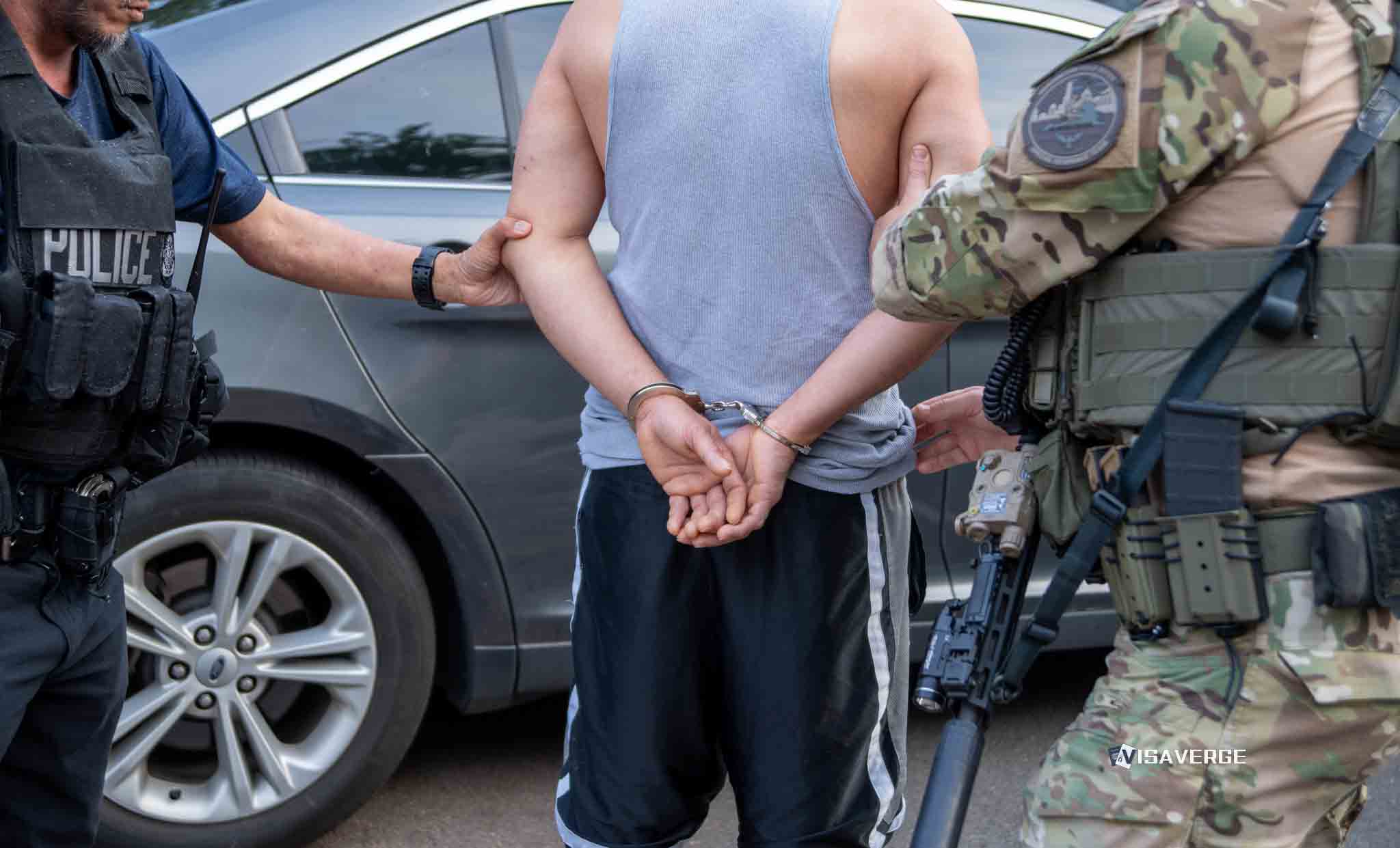
On April 11, 2025, President Donald Trump made headlines by directing the Pentagon to take control over a crucial strip of federal land along the U.S.-Mexico border. This decision allows the military to detain individuals suspected of crossing the border without permission, marking a major change in how the U.S. handles immigration. Let’s dive into the details of this decision and what it means for everyone involved.
The Big Decision: Military in Control
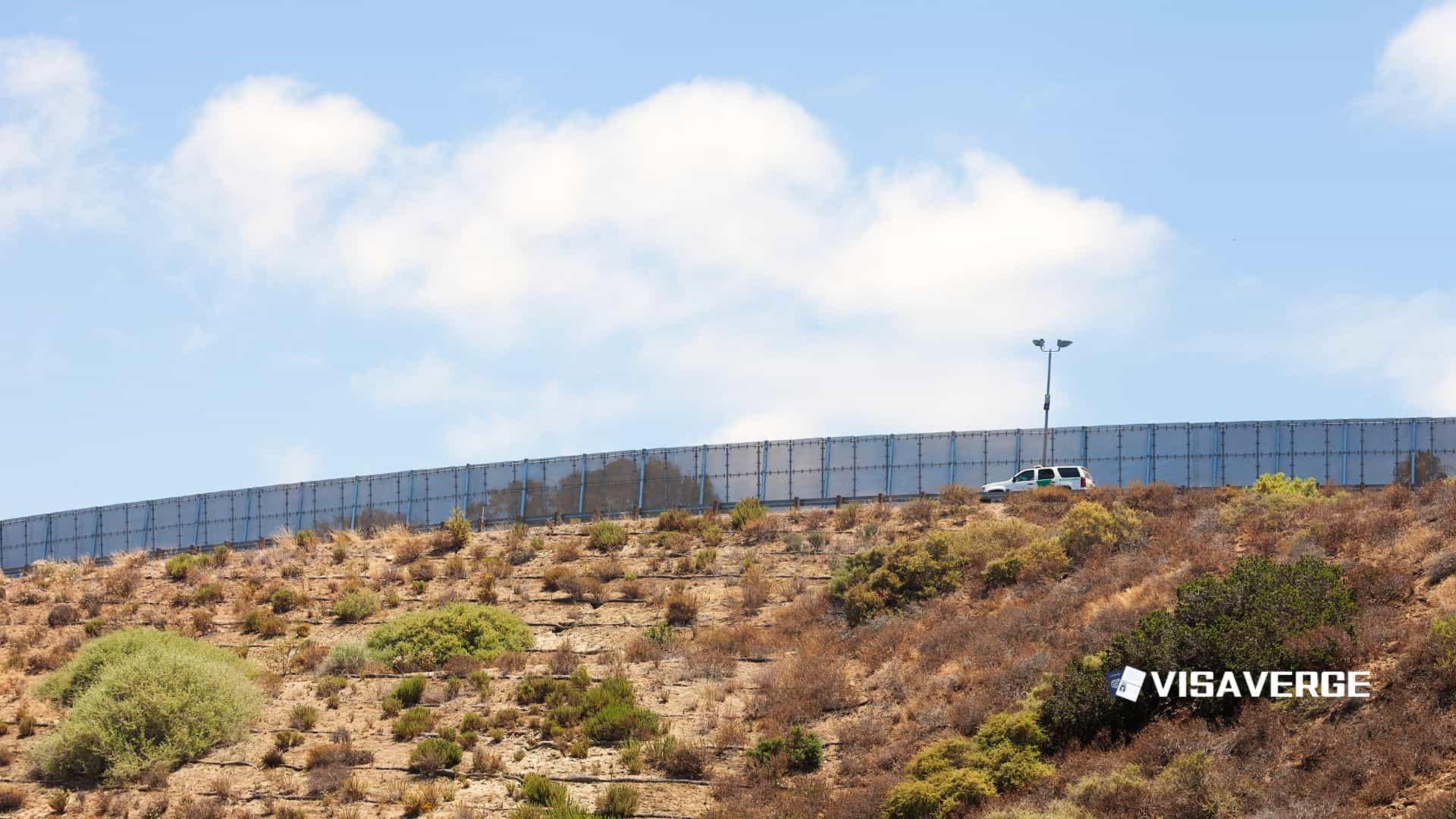
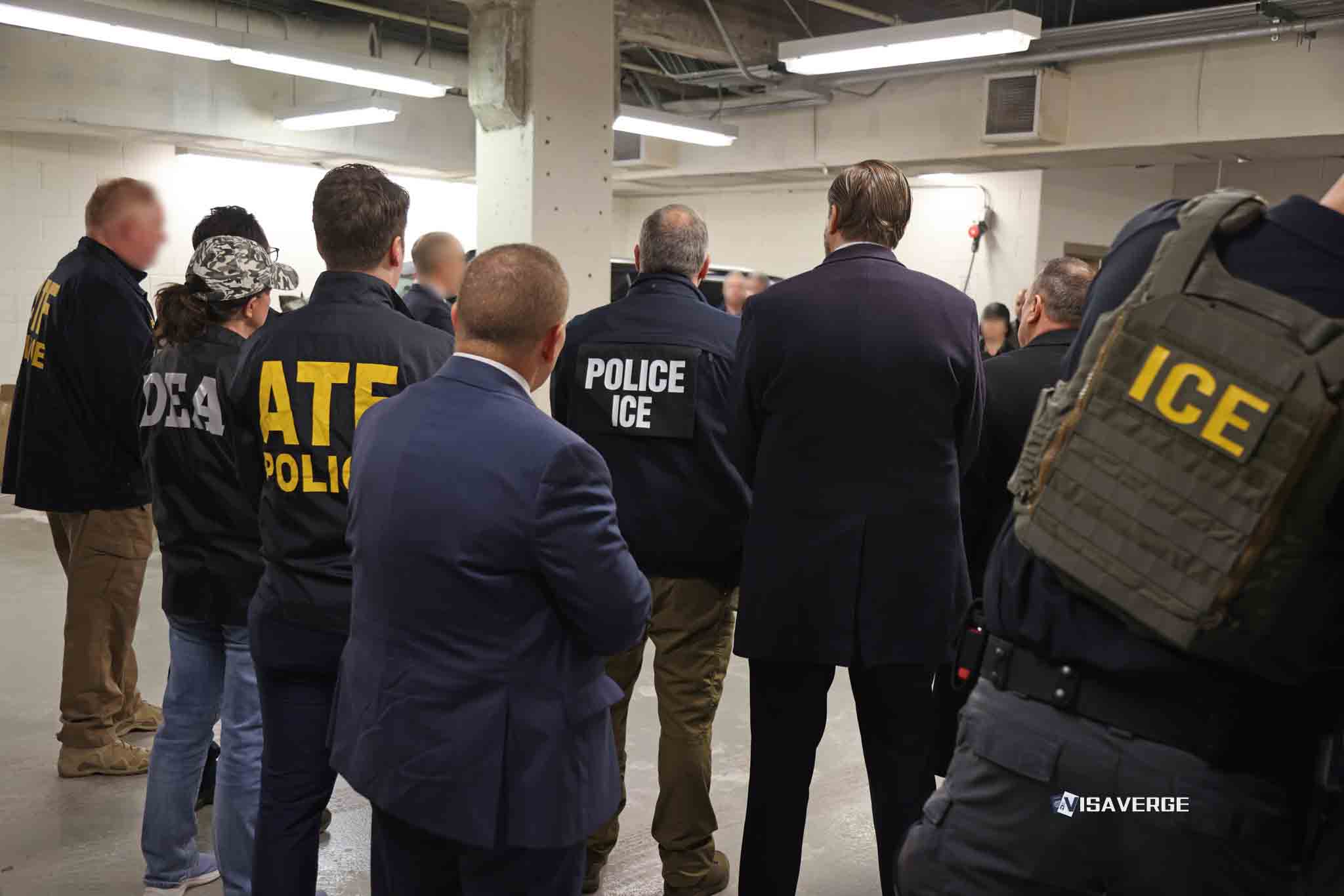
The Trump administration has taken several steps to make the southern border more secure, and this is the latest one. By involving the military, President Trump’s decision gives the Pentagon a big role in handling immigration issues, which used to be managed by civilian agencies like Customs and Border Protection (CBP).
Free toolUSCIS Receipt Number DecoderTo show their commitment, the Pentagon deployed a large force, including a Stryker brigade combat team with 4,400 soldiers and a support team of 650 troops. Equipped with military vehicles and helicopters, these forces aim to improve the capabilities of the CBP by adding more eyes in the sky and stronger border defenses.
This move follows an earlier executive order from January 2025, in which President Trump declared illegal immigration as a national emergency, reinforcing the administration’s determination to address challenges at the southern border.
More Troops at the Border
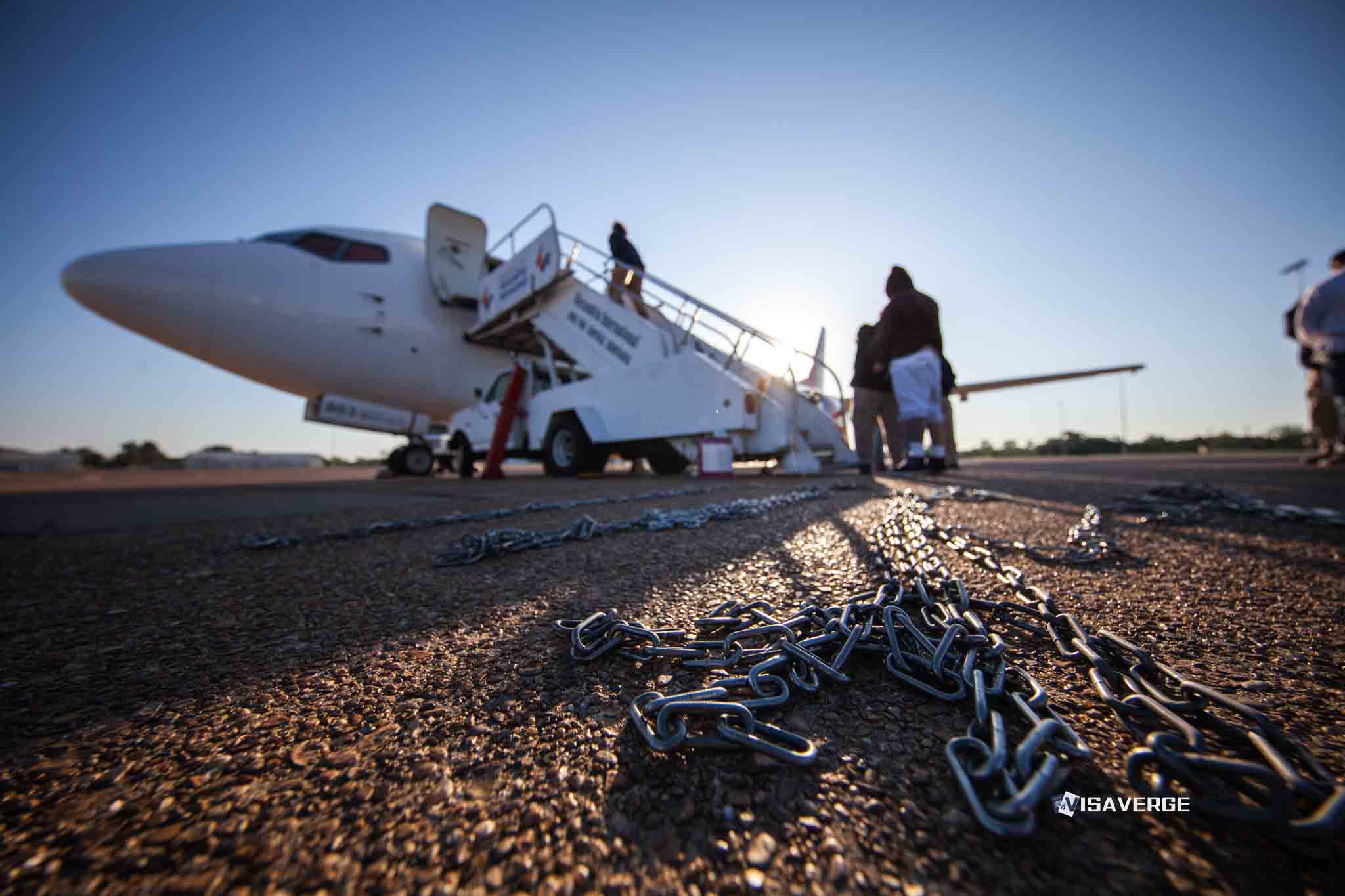
By deploying about 9,000 troops under Title 10, the military’s involvement at the border has significantly increased. These forces have helped in organizing deportation flights using C-17 aircraft, beginning on January 24, 2025. The first flights sent about 160 undocumented migrants back to Guatemala.
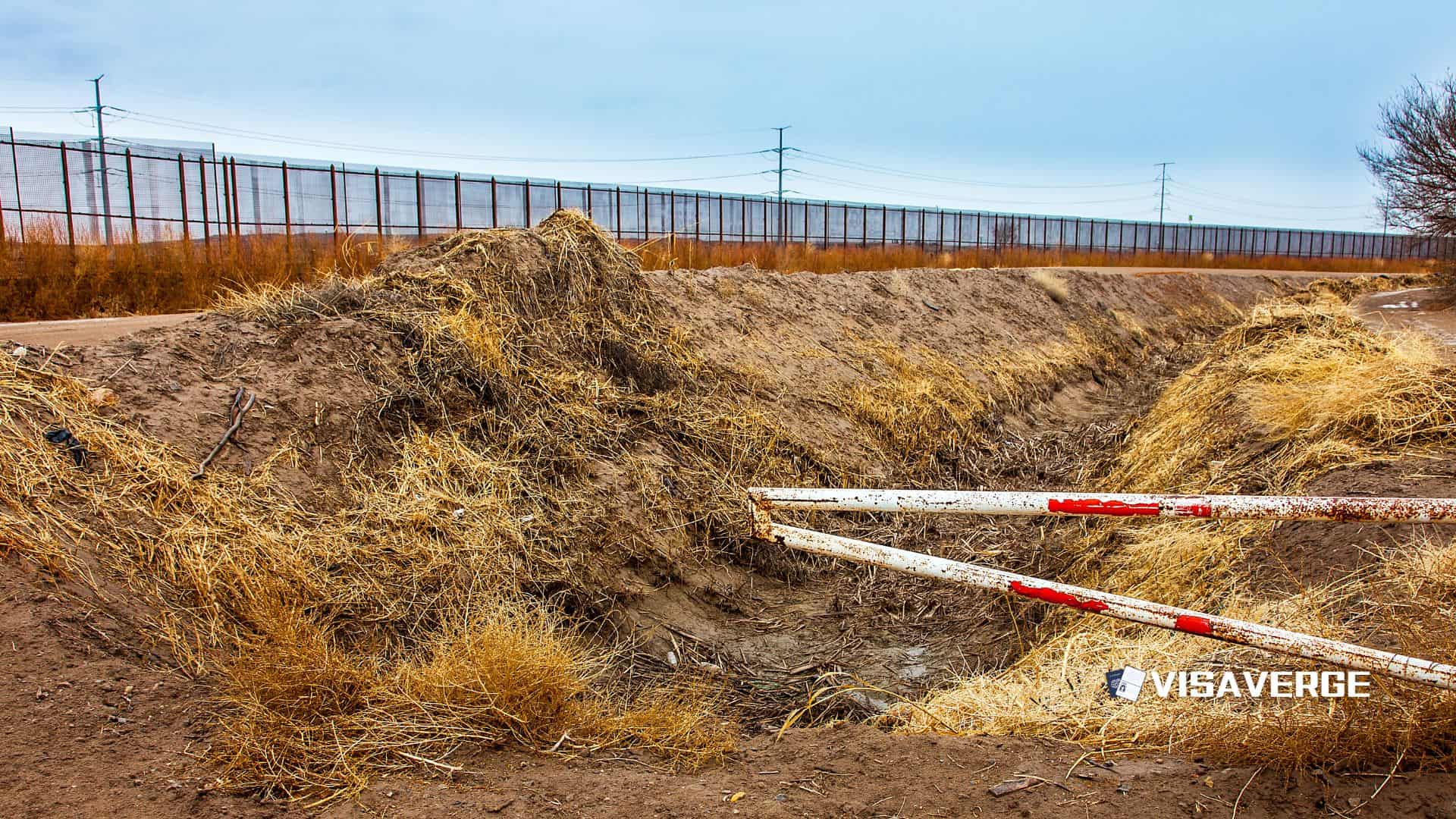
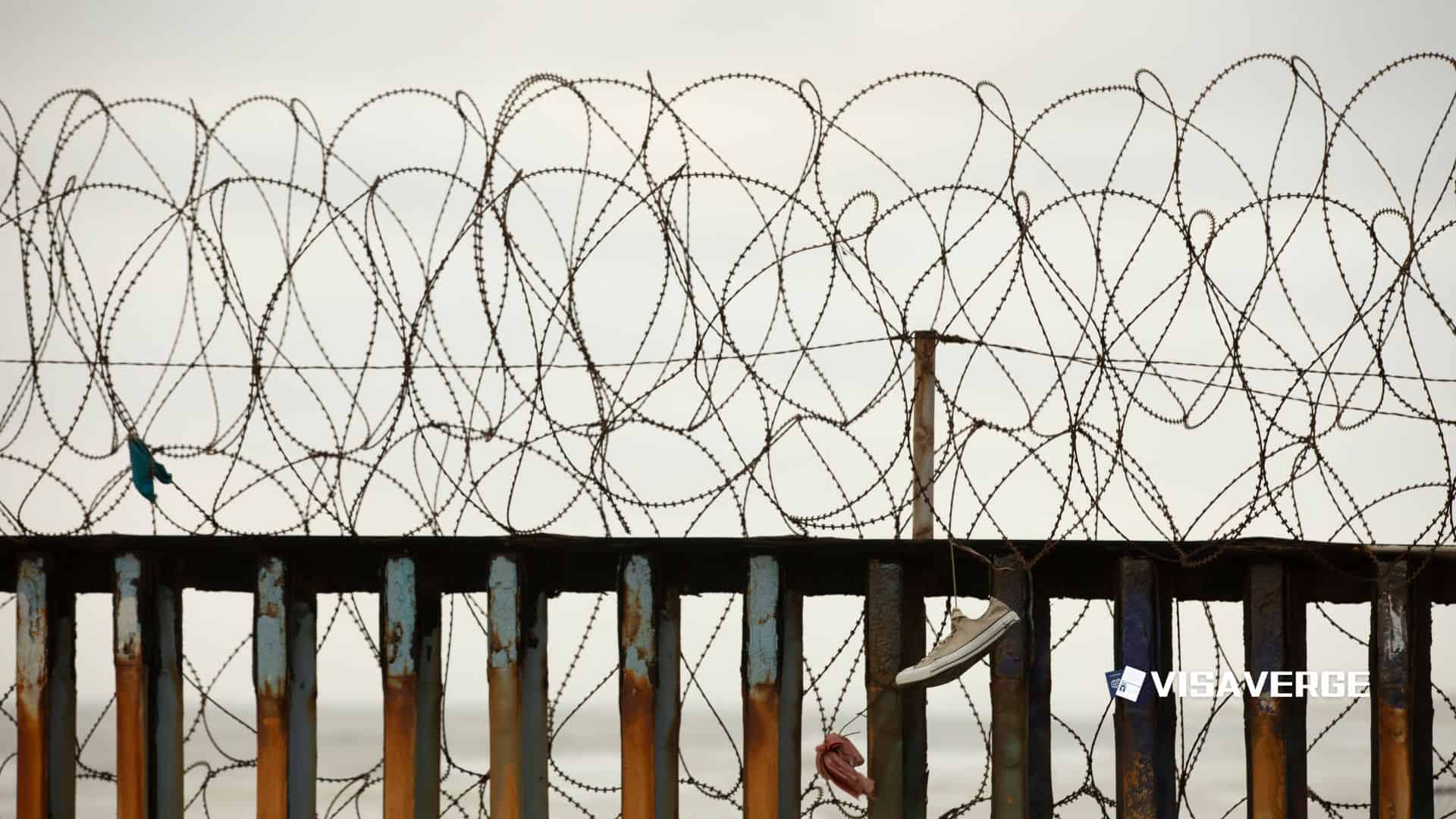
Additionally, the Department of Homeland Security has been working on building more barriers at the border. An environmental waiver helped speed up the construction of a 2.5-mile stretch of the border wall near Jacumba Hot Springs in Southern California, demonstrating the administration’s focus on physical defenses to control migration.
What Are the Political and Legal Effects?
The order to use the military in border enforcement is creating intense debates. Some people think it could go against the Posse Comitatus Act. This is a law that generally prevents the military from acting as law enforcement within the U.S. Legal experts point out that involving the military in border matters might lead to court challenges and questions about whether it respects civil rights.
Politically, the decision is part of President Trump’s broader strategy to tackle immigration issues, including deporting people without proper documentation and labeling drug trafficking groups as terrorists. While these actions aim to fulfill campaign promises, they also cause controversy and might lead to diplomatic challenges, especially with Mexico ??. Mexico has already firmly said no to any solo military moves by the U.S. on its land.
Concerns for Communities and Society
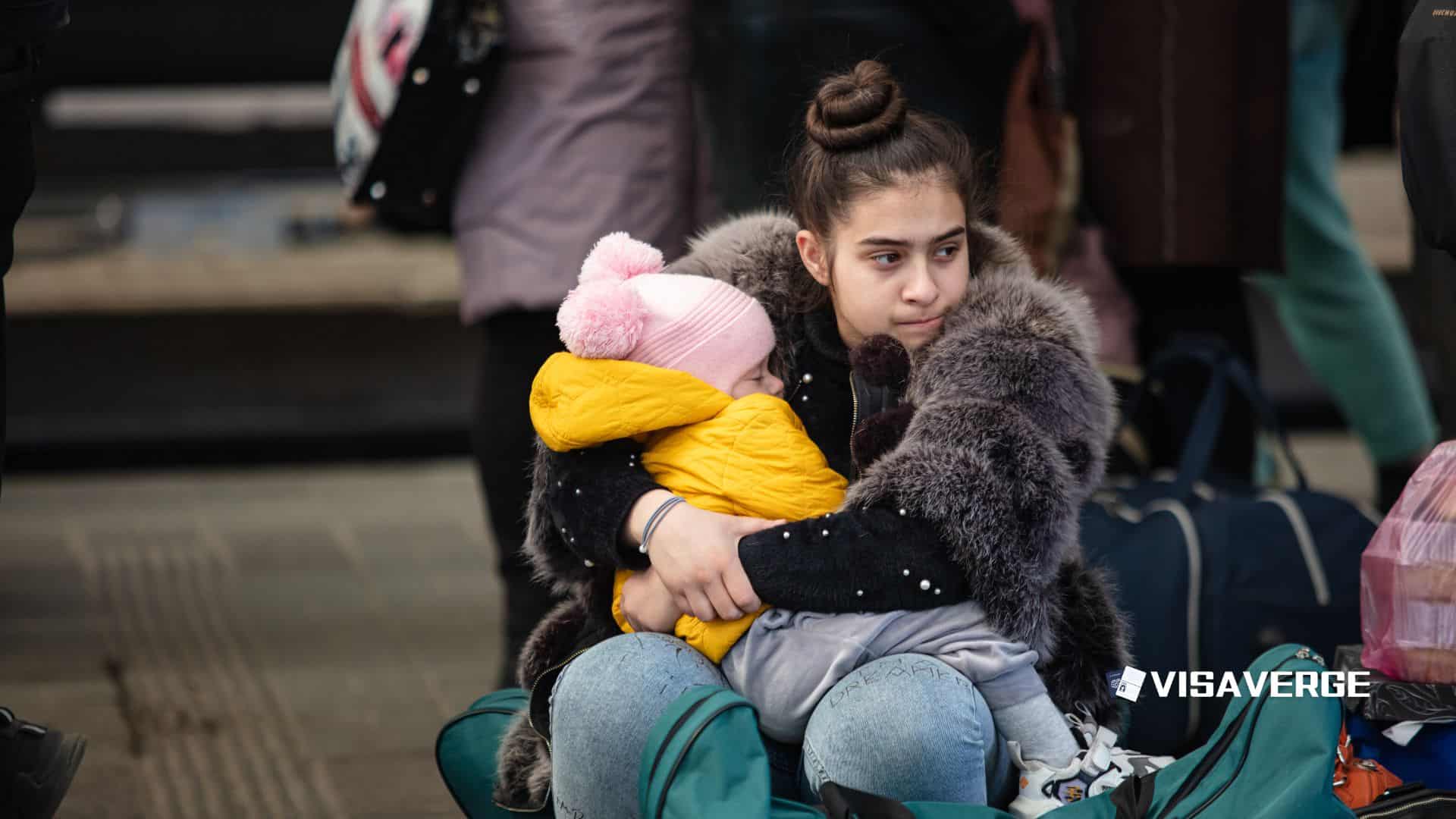
The extra military presence has worried many, especially within immigrant groups and advocacy organizations. There are fears that these actions might lead to abuses of human rights and create an environment of fear for asylum seekers and migrants. Groups like the American Civil Liberties Union (ACLU) are standing against these military moves, warning about possible violations of civil freedoms.
Border communities are also worried. They depend on people crossing the border for daily life, work, and social activities. Stronger military presence might change these daily routines and shake up local economies and relationships.
International Relations and Reactions
Outside the U.S., this order has put a strain on the relationship between the U.S. and Mexico. The Mexican government, led by President Claudia Sheinbaum, has made it clear that they reject any U.S. military actions on their territory. The idea of U.S. drone strikes against drug cartels in Mexico ?? adds to the tension, although the Pentagon has clarified that the military does not have the authority to carry out such actions. Despite reassurances, these discussions create stress between the two countries, complicating diplomatic talks.
Experts Weigh In and Future Concerns
Legal advisers and policy specialists worry about the example this directive sets. They are concerned that letting the military handle immigration roles could mix up military and civilian duties, leading to potential future issues. While the Trump administration argues these actions protect national security, the legal grounds for them remain debated and may be challenged in court.
The effectiveness of using the military to deter illegal crossings is still up in the air. Critics say these actions don’t fix the underlying causes of migration and might even lead to tough humanitarian situations. Plus, political and legal battles over this approach could make it even harder for the administration to keep it going.
Wrapping it Up: A Controversial Future
President Trump’s decision to let the military take control of the southern border is a bold and debated step in U.S. immigration policy. While it fits with efforts to enforce rules and deter violations, it raises big questions about legality, ethics, and international politics. As events develop, everyone is watching closely, understanding that what happens will influence discussions about immigration, civil rights, and whether the military should have a role in domestic affairs.
For those interested in understanding the legalities and guidelines governing military involvement in domestic law enforcement, you can visit the U.S. Department of Defense’s official page on Military Support.
As this situation unfolds, keeping informed about ongoing changes will be crucial for affected communities, policymakers, and the general public. For more detailed analyses and updates, platforms like VisaVerge.com offer insightful coverage on immigration developments.
Learn Today
Pentagon → The headquarters of the U.S. Department of Defense, overseeing military operations.
Posse Comitatus Act → A U.S. law limiting military involvement in domestic law enforcement.
Title 10 → A section of U.S. Code allowing federalization of military forces for specific purposes.
Stryker Brigade → A mechanized infantry unit equipped with Stryker vehicles for rapid deployment.
C-17 Aircraft → Military transport aircraft used for deploying troops and organizing deportation flights.
This Article in a Nutshell
President Trump has authorized military control over the U.S.-Mexico border, deploying troops to strengthen security and detain undocumented migrants. The Pentagon’s involvement raises legal and ethical questions. With tensions rising, particularly with Mexico, the actions present a controversial shift in U.S. immigration policy affecting various stakeholders simultaneously.
— By VisaVerge.com
Read more:
• Electronic device searches rise for travelers at U.S. borders
• CBP expands focus on electronic device searches at the border
• Canadian Travelers Told to Expect More Questions at U.S. Border
• U.S. Citizen Allegedly Removed From Canada Six Times in Border Standoff
• Once Crowded, California-Mexico Border Now Stands Quiet