Key Takeaways
- The Trump administration terminated the CHNV parole program on January 20, 2025, ending legal admission for 30,000 monthly migrants.
- New CHNV applicants are barred after April 24, 2025; current beneficiaries face deportation unless securing alternative immigration status.
- Deportations of 336 Venezuelans began in March 2025, highlighting intensified enforcement and raising questions over judicial and humanitarian legalities.
The decision by the Trump administration to terminate the humanitarian CHNV parole program has cast a shadow over the futures of hundreds of thousands of migrants who had sought refuge in the United States from oppressive communist regimes. Officially dismantled by executive order on January 20, 2025, this program’s annulment is a pivotal shift in the U.S.’s approach to immigration and refugee policies—a change that will have both immediate consequences and long-lasting implications.
CHNV: A Pathway for Refugees, Now Abolished
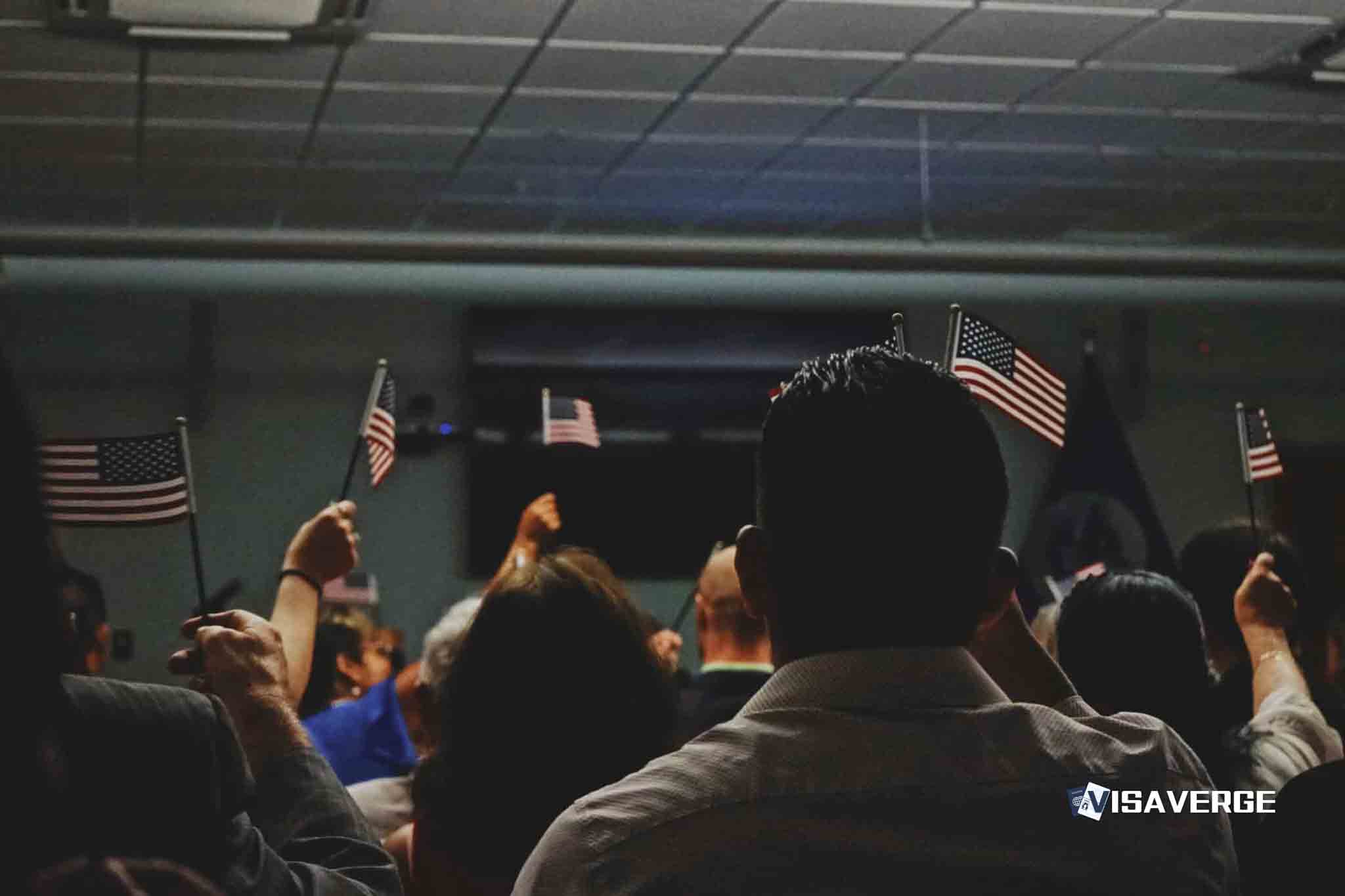
The CHNV parole program, established by the Biden administration in 2023, was specifically designed to address the needs of migrants fleeing Cuba 🇨🇺, Haiti 🇭🇹, Nicaragua 🇳🇮, and Venezuela 🇻🇪. Under the program, up to 30,000 individuals from these nations each month were allowed to legally enter the United States provided they secured U.S.-based financial sponsors. Approved migrants gained the ability to reside and work in the U.S. for two years, offering them a temporary but urgently-needed reprieve from the socio-political and economic instability in their home countries.
This initiative represented not only humanitarian relief but also served as a measure to reduce dangerous and irregular border crossings, particularly at the U.S.-Mexico border. By January 2025, nearly 531,700 migrants had benefited from the CHNV program, with Haitians comprising the largest demographic.
However, President Donald Trump’s executive action has abruptly ended this pathway. The program officially ceases to admit new applicants as of April 24, 2025, and its expiration carries stark consequences for existing beneficiaries. Unless valid alternative legal immigration statuses are secured, hundreds of thousands who had entered the United States under this program must leave and face the possibility of deportation.
Trump Administration’s Hardline Immigration Approach
The Trump administration has long been noted for taking a hardline stance on immigration enforcement, one aimed at curbing both legal and illegal immigration. The current termination of the CHNV parole program reinforces this philosophy, with deportations of affected individuals already underway.
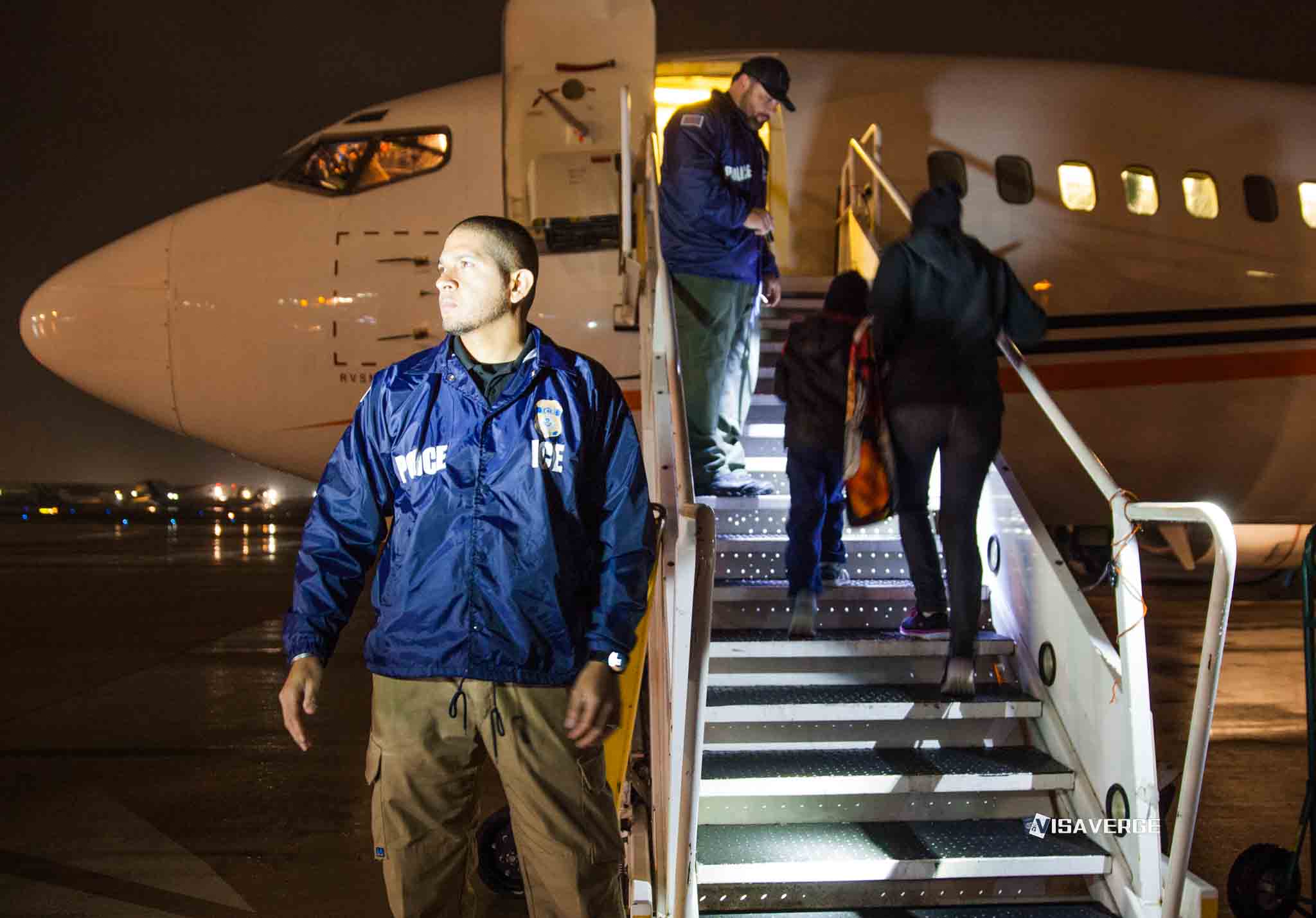
On March 23, 2025, U.S. authorities deported 137 Venezuelan nationals, citing alleged links to criminal organizations such as the Tren de Aragua gang. While Venezuela rejected these accusations, labeling the claims as unfounded, the deportations proceeded despite a blocking order from a judge. The Trump administration’s decision to bypass such judicial precautions underscores its resolve in pressing forward with stringent immigration policies.
The deportation continued the next day when an additional 199 Venezuelan nationals were removed from the United States following the restoration of deportation flights to Venezuela through a recent bilateral agreement. This move highlights the operational challenges government agencies face when carrying out removals to countries experiencing political instability, as well as the deliberate strategy employed by the Trump administration to expedite migration control.
Nevertheless, the deportation campaign extends beyond enforcement; it reveals a deliberate pivot in America’s priorities, where deterrence and repatriation take precedence over humanitarian relief. For the approximately 530,000 who remain under CHNV’s now-defunct protections, their futures are at the mercy of these swift policy changes, leaving many in both physical and emotional turmoil.
America’s Departure from Its Humanitarian Principles
Historically, the United States has been a haven for refugees escaping dictatorial regimes, particularly those under communist rule. As a country that has long championed human rights and the fight against authoritarianism, programs like the CHNV parole program are reflective of a broader, decades-long effort to serve as a global sanctuary for the persecuted.
From the Refugee Relief Act of 1953 to the iconic Cuban Adjustment Act of 1966, the U.S. demonstrated a commitment to providing refuge beyond its borders. The latter law, specifically tailored for Cuban nationals after the rise of the Castro regime, laid the groundwork for steady migration from communist nations. These policies not only protected those escaping dictatorship during the Cold War era but also reinforced the U.S.’s ideological opposition to communism.
Contemporary initiatives, such as the now-terminated CHNV parole program, bridged this legacy with modern immigration challenges. By providing displaced individuals a route to legal residency and employment, CHNV reduced the strain on border resources, a win for both migrants and U.S. agencies. Its sudden rescission signals a significant break from this historical trajectory, leaving observers to question whether this direction represents a fundamental ideological shift for the United States.
Risks and Impacts of the Policy Change
The dismantling of CHNV and the associated deportation efforts carry serious consequences on multiple fronts—humanitarian, political, and legal. For affected individuals, the uncertainty is direct and tangible. Forced removals or returns to countries like Haiti, Nicaragua, and Venezuela often expose migrants to persecution, violence, and abject poverty. For many, returning home is tantamount to re-entering the dire circumstances they had fled, including political oppression or the threat of targeted violence.
From a policy perspective, the cessation of this program might inadvertently drive the same irregular migration that it was meant to reduce. Without legal pathways like CHNV, desperate migrants may seek unauthorized methods to enter the U.S., reigniting crises at border checkpoints and straining resources on both sides of the border.
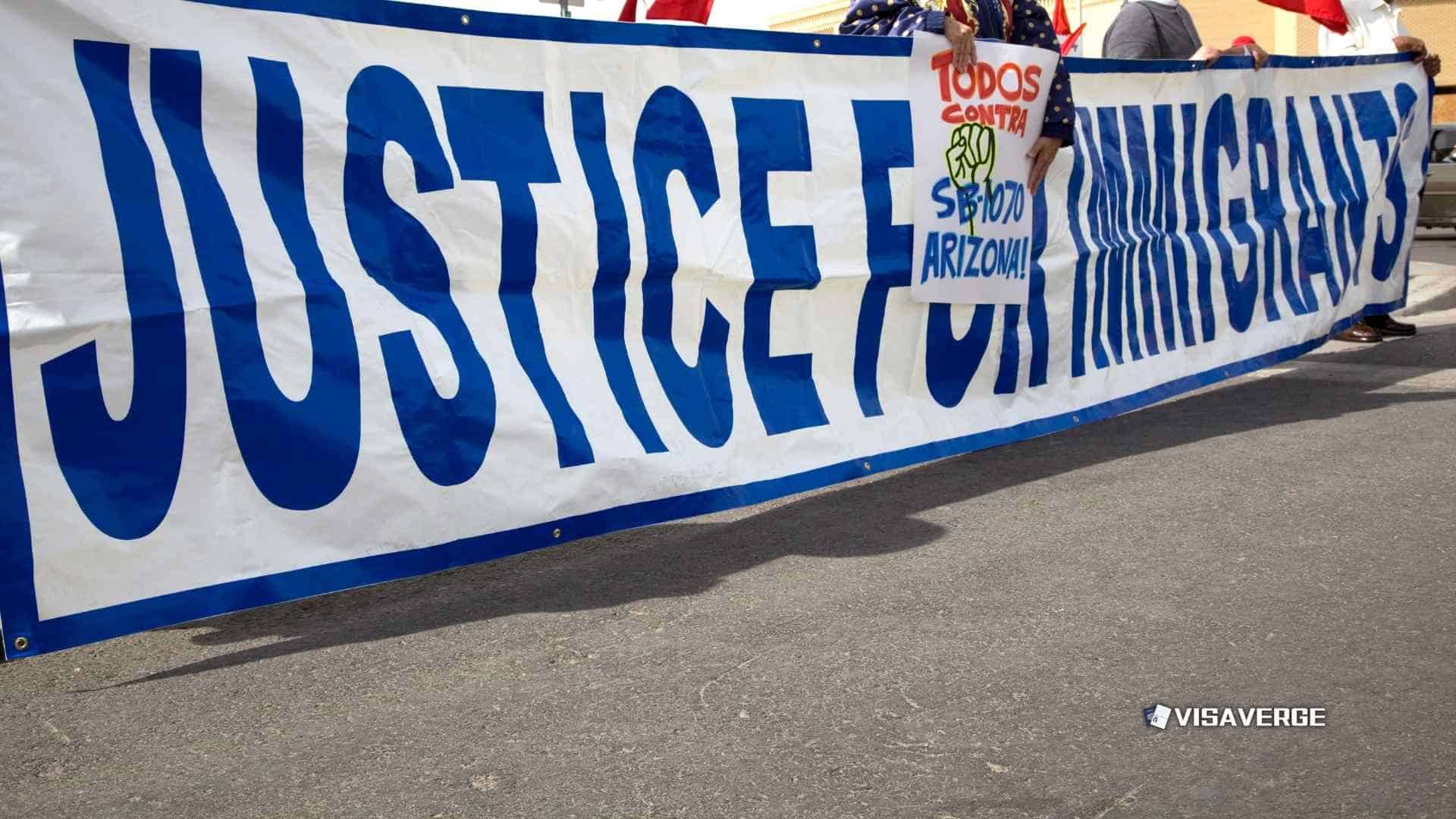
Additionally, the Trump administration’s enforcement-heavy approach faces vocal opposition from advocacy groups. These groups argue that abruptly terminating such a program flouts ethical obligations as well as legal principles upheld under U.S. humanitarian law. Indeed, the deportations of Venezuelans, conducted in defiance of a judicial blocking order, raise questions about the administration’s adherence to constitutional and procedural safeguards.
The far-reaching diplomatic ramifications must also be considered. For instance, restoring deportation flights to politically sensitive destinations like Venezuela could lead to strained relations with foreign governments. Critics argue that mass deportations may destabilize regions already grappling with significant internal challenges, possibly creating larger systemic issues with international ripple effects.
The Larger Picture of U.S. Immigration Policy
The Trump administration’s termination of the CHNV parole initiative can be understood within a broader push to reshape American immigration policy into what it describes as a merit-based system. Throughout his presidency, President Trump has emphasized stricter controls, aimed at reducing both legal and illegal immigration. While proponents of the administration’s approach argue that it promotes responsibility and economic efficiency, detractors maintain that it risks dismantling the humanitarian ideals enshrined in U.S. immigration law.
This policy shift also opens the door to potential legal battles in U.S. courts. Advocacy organizations emphasize human rights violations tied to these abrupt changes and may challenge the legality of terminating parole programs sanctioned by prior administrations. The legal dimensions of this conflict are likely to shape not only the future of the CHNV parole program’s beneficiaries but also the trajectory of broader immigration policy reforms.
What Does the Future Hold?
The CHNV parole program’s termination signals a turning point in the United States’ approach to handling humanitarian crises. It raises urgent questions about the obligations of wealthier nations to provide shelter and opportunity for those escaping oppression. The Trump administration’s reiterated commitment to deportation demonstrates the difficulties balancing national sovereignty and humane policies.
While the CHNV program’s termination is currently in the spotlight, its broader political and legal ripple effects might soon intensify. Those directly affected—migrants who initiated plans based on the program’s promises—are left facing impossible choices. In the longer-term, U.S. immigration policy may continue to reflect the ideological battles being fought on the national stage, with debate over whether America remains a country welcoming of the world’s huddled masses or one firmly closing its doors.
For accurate information on deportation procedures or adjusting legal status, individuals may refer to U.S. Citizenship and Immigration Services (USCIS) for official resources and guidelines.
As recently highlighted by VisaVerge.com, the consequences of these policy changes will continue to serve as a litmus test for the United States’ role as a humanitarian leader. Whether future administrations will seek to undo these measures or reinforce them remains uncertain. But as the April 24, 2025, deadline approaches, the onus falls on legal experts, advocacy groups, and affected communities to navigate these challenges with resilience.
Learn Today
CHNV parole program → A U.S. humanitarian program allowing migrants from Cuba, Haiti, Nicaragua, and Venezuela temporary residence and work for two years.
Executive order → A written directive issued by the U.S. President to manage operations of the federal government without legislative approval.
Deportation flights → Government-organized air transport used to forcibly return migrants to their countries of origin or other destinations.
Judicial blocking order → A court-issued directive temporarily preventing government actions, such as deportations, from proceeding until legal review is complete.
Merit-based system → An immigration policy prioritizing applicants’ skills, education, or economic contributions over humanitarian or family-based considerations.
This Article in a Nutshell
CHNV Program Ends: A Humanitarian Crossroads
The termination of the CHNV parole program marks a stark shift in U.S. immigration policy. Once a lifeline for over 500,000 migrants fleeing oppressive regimes, its abrupt end forces many into uncertainty or deportation. This decision challenges America’s humanitarian principles, reshaping its role as a refuge for the persecuted.
— By VisaVerge.com
Read more:
• Immigrants and U.S. Citizens Take Legal Action Over End of Parole Programs
• USCIS Memo Halts Immigration Applications for Many Parolees
• Trump Halts Immigration Applications for Humanitarian Parole Migrants
• USCIS Stops Accepting Form I-134A for Humanitarian Parole
• Trump Ends CHNV Parole Program for Migrants