(UNITED STATES) — The Trump administration asked the Supreme Court on February 26, 2026, to immediately lift a lower-court order that blocks the Department of Homeland Security from terminating Temporary Protected Status for roughly 6,100 Syrian nationals.
The emergency application targets an injunction that has kept Syrian TPS holders’ ability to live and work in the United States tied to the designation, even after DHS moved to end it.
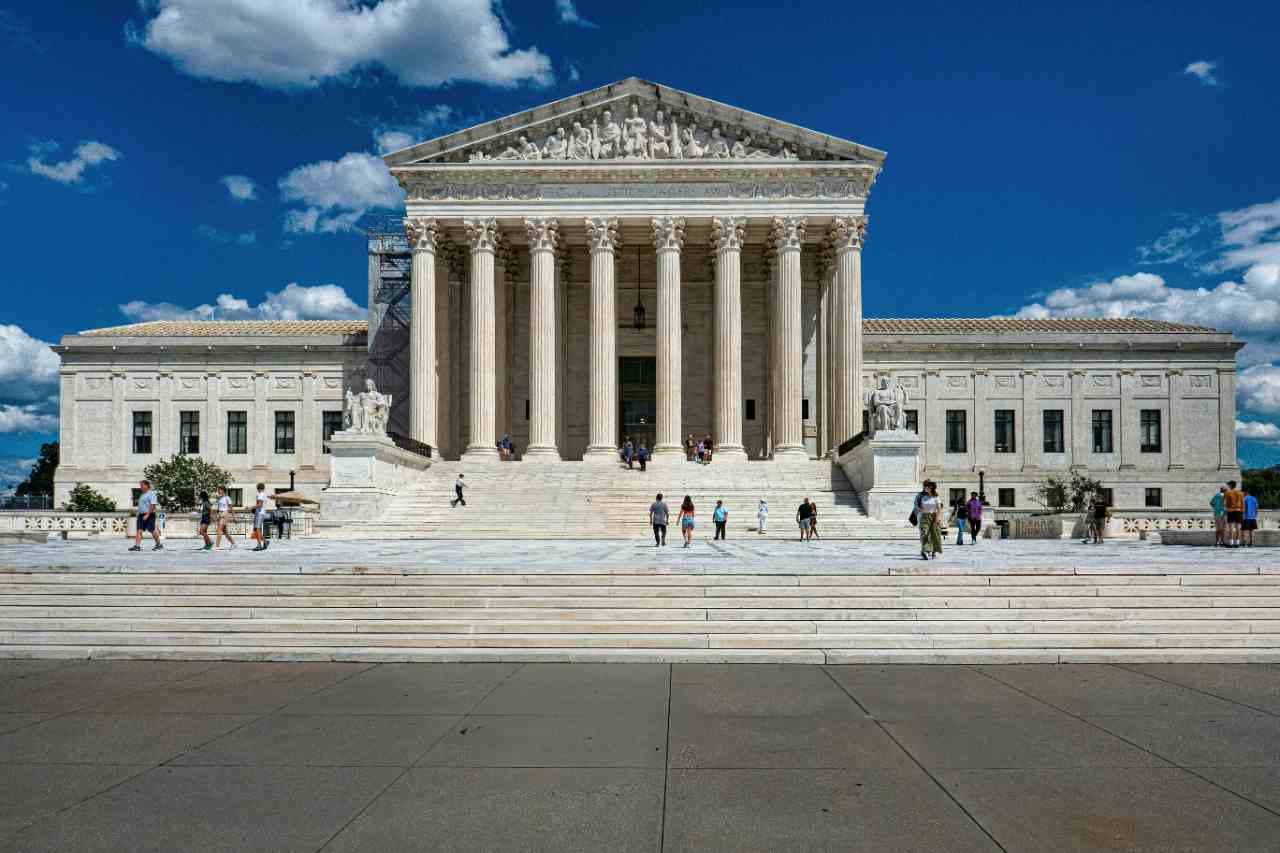
Solicitor General D. John Sauer argued the justices should intervene after the Second Circuit refused to clear the way for termination while the case proceeds. “The Second Circuit’s ruling is indefensible. It flouts this Court’s two prior stays of materially similar orders in materially similar postures,” Sauer wrote.
Sauer also accused the district court of “.impermissibly usurping the Secretary’s authority and judgment on national-security issues.”
An injunction in the case currently prevents DHS from implementing the termination notice for Syria’s TPS designation and associated benefits. That includes the ability for covered Syrians to remain in the country under TPS terms and keep work authorization tied to the program.
By filing an emergency application, the administration is asking the justices for fast-track relief focused on whether the injunction should remain in place during ongoing litigation, rather than a full ruling on the underlying merits at this stage.
U.S. District Judge Katherine Polk Failla in Manhattan issued the injunction on November 19, 2025, halting the termination just before it was scheduled to take effect. The Second Circuit Court of Appeals declined to lift the stay on February 17, 2026, prompting the administration’s appeal to the Supreme Court.
The government’s request puts immediate attention back on a dispute that has direct consequences for work authorization and lawful presence connected to Temporary Protected Status, a humanitarian designation that DHS can grant when conditions in a country make return unsafe.
DHS set the Syria termination to take effect at 11:59 p.m. on November 21, 2025, before the district court blocked it. As of September 8, 2025, there were 6,132 current beneficiaries of Syrian TPS and 833 pending applications, figures that matter because both groups can rely on TPS-related protections and work eligibility in different ways.
Syrian nationals with current TPS benefits typically rely on that designation to maintain employment authorization and avoid falling into immigration limbo. For applicants with pending cases, the outcome can affect whether they can continue seeking TPS-based protection and related documents without abrupt changes in status.
The administration’s filing comes amid a broader legal fight over how much power courts have to block DHS decisions to end TPS designations. The Department of Justice argues the Immigration and Nationality Act bars judicial review of the Secretary’s “extraordinary and temporary conditions” determinations.
DOJ also contends TPS termination decisions intersect with executive discretion and foreign policy judgments, describing the executive branch as having “wide latitude” in matters of foreign policy.
DHS framed the decision to end Syria’s TPS designation as a response to changed country conditions following political shifts in Syria. In the original termination notice published in the Federal Register, Secretary of Homeland Security Kristi Noem wrote that “Syria no longer continues to meet the conditions for the designation for Temporary Protected Status. the situation no longer meets the criteria for an ongoing armed conflict that poses a serious threat to the personal safety of returning Syrian nationals.” (September 22, 2025)
That notice appeared as 90 FR 58742 and pointed to the fall of the Assad regime in late 2024 as a key factor in the department’s determination. The administration also cited the ouster of Bashar al-Assad and the installment of interim President Ahmed al-Sharaa as part of its justification for ending Syrian protections, saying keeping the designation undermines “peacebuilding and the return of Syrian nationals.”
The Syria dispute sits within a broader Trump administration effort to rescind TPS for multiple nationalities, which has generated repeated court battles. The administration is currently seeking to end protections for 12 countries in total, including Haiti, Myanmar, Somalia, and Yemen, citing improved conditions or national interest.
The Supreme Court has already faced related emergency requests in other TPS cases. In 2025, the Supreme Court twice cleared the way for the administration to terminate TPS for Venezuelans despite lower-court blocks, a history Sauer cited in urging the justices to intervene again.
For Syrians covered by TPS, the immediate question is what changes if the Supreme Court lifts the injunction and DHS can act on the termination notice. A lifting of the injunction could rapidly alter work authorization tied to TPS and expose some people to removal proceedings if they lack another legal basis to remain.
The potential consequences vary by individual circumstances, including whether someone has another immigration status, a pending asylum case, or no alternate path. Those differences can shape whether a person faces an immediate loss of TPS-linked protection or has another form of lawful presence to rely on.
The administration has argued that continuing TPS after DHS has concluded the designation no longer fits statutory criteria keeps a federal court in the middle of decisions that require political and foreign policy judgment. Plaintiffs challenging the termination have so far succeeded in keeping the injunction in place, but the emergency application asks the justices to remove that obstacle while litigation continues.
Employers also face compliance questions if TPS-linked work authorization changes quickly. The administration has said that, if the injunction is lifted, Syrian TPS holders will see their Employment Authorization Documents invalidated, potentially as early as April 2026.
That creates the possibility of rapid shifts in workplace eligibility for employees who have relied on TPS-related documentation for years. Employers would be required to reverify the work eligibility of Syrian employees immediately following a favorable Supreme Court ruling, a process that can bring immediate payroll and staffing consequences.
The human stakes extend beyond the workplace because many affected individuals have lived in the United States for years under the program. Many affected individuals have resided in the U.S. since the original 2012 designation and have U.S.-born children.
The Supreme Court’s handling of the emergency request will also test how aggressively the justices will intervene at an interim stage in immigration disputes where the government says it needs immediate relief. The administration has asked for rapid action to lift the injunction rather than letting the case proceed through normal appellate timelines.
The fight over Syria’s Temporary Protected Status also highlights a recurring separation-of-powers dispute, with the government pressing arguments that Congress restricted judicial review of certain TPS-related determinations. Sauer’s filing cast the lower-court decisions as inconsistent with the Supreme Court’s earlier actions in similar TPS litigation.
For Syrians whose TPS protections remain in place under the injunction, day-to-day life continues under the existing framework, including continued reliance on TPS-linked work authorization. For those with pending applications, the procedural status of the termination can affect whether they can pursue benefits associated with TPS while the courts decide whether DHS can end the designation.
People seeking official updates can review the termination notice in the Federal Register at 90 FR 58742 (Sept. 22, 2025). USCIS also maintains operational guidance for the designation at the USCIS Official TPS Syria Page, while DHS posts broader announcements at the DHS Newsroom.
In the Federal Register notice, Noem wrote that “Syria no longer continues to meet the conditions for the designation for Temporary Protected Status. the situation no longer meets the criteria for an ongoing armed conflict that poses a serious threat to the personal safety of returning Syrian nationals.” (September 22, 2025)
Trump Administration Asks Supreme Court to End Temporary Protected Status
The U.S. government is urging the Supreme Court to fast-track the termination of TPS for Syrians, arguing that lower courts have overstepped their bounds. The administration cites the fall of the Assad regime as proof that Syria is now safe for return. This legal battle threatens the legal presence and employment of over 6,100 people, many of whom have lived in the U.S. for over a decade.