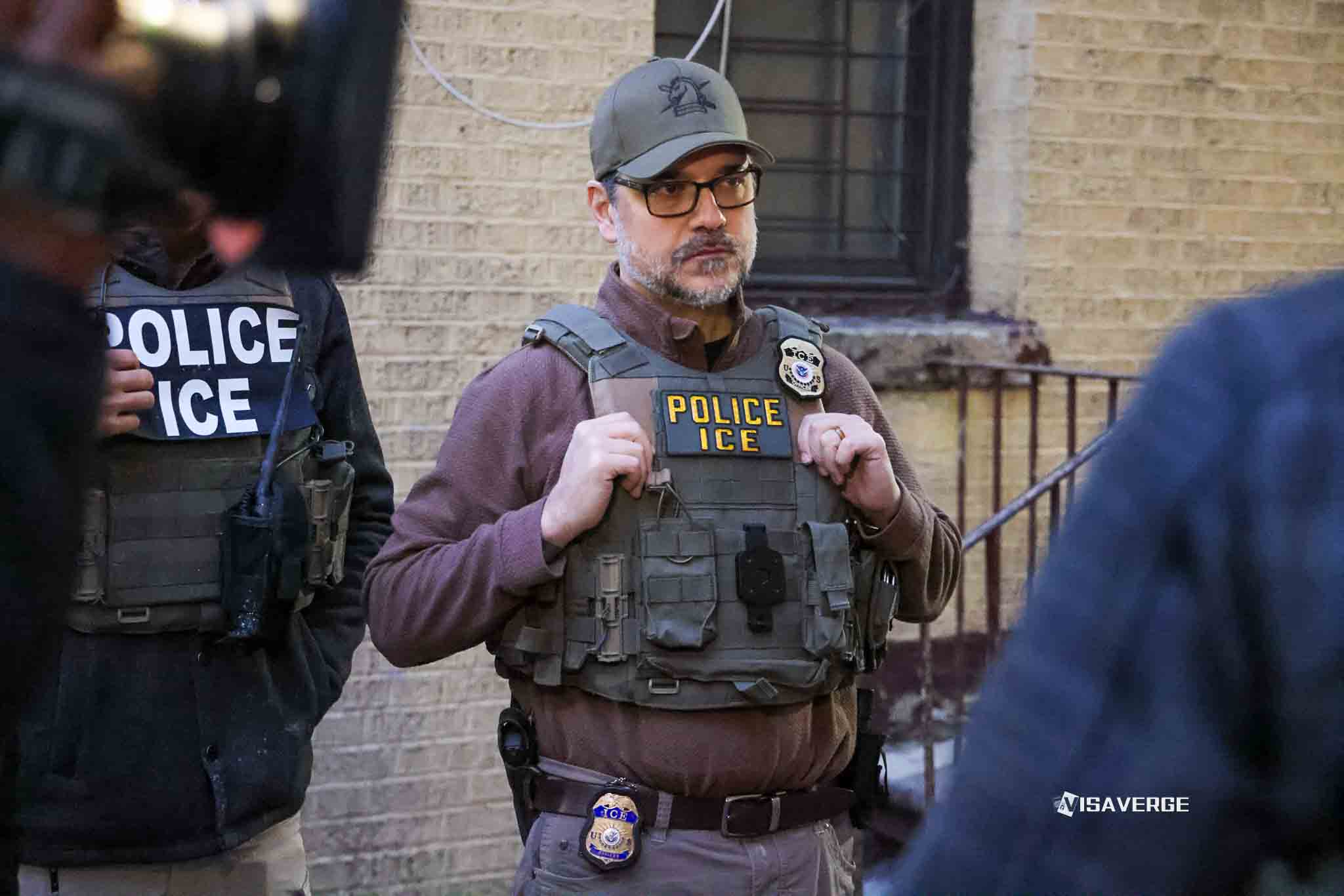
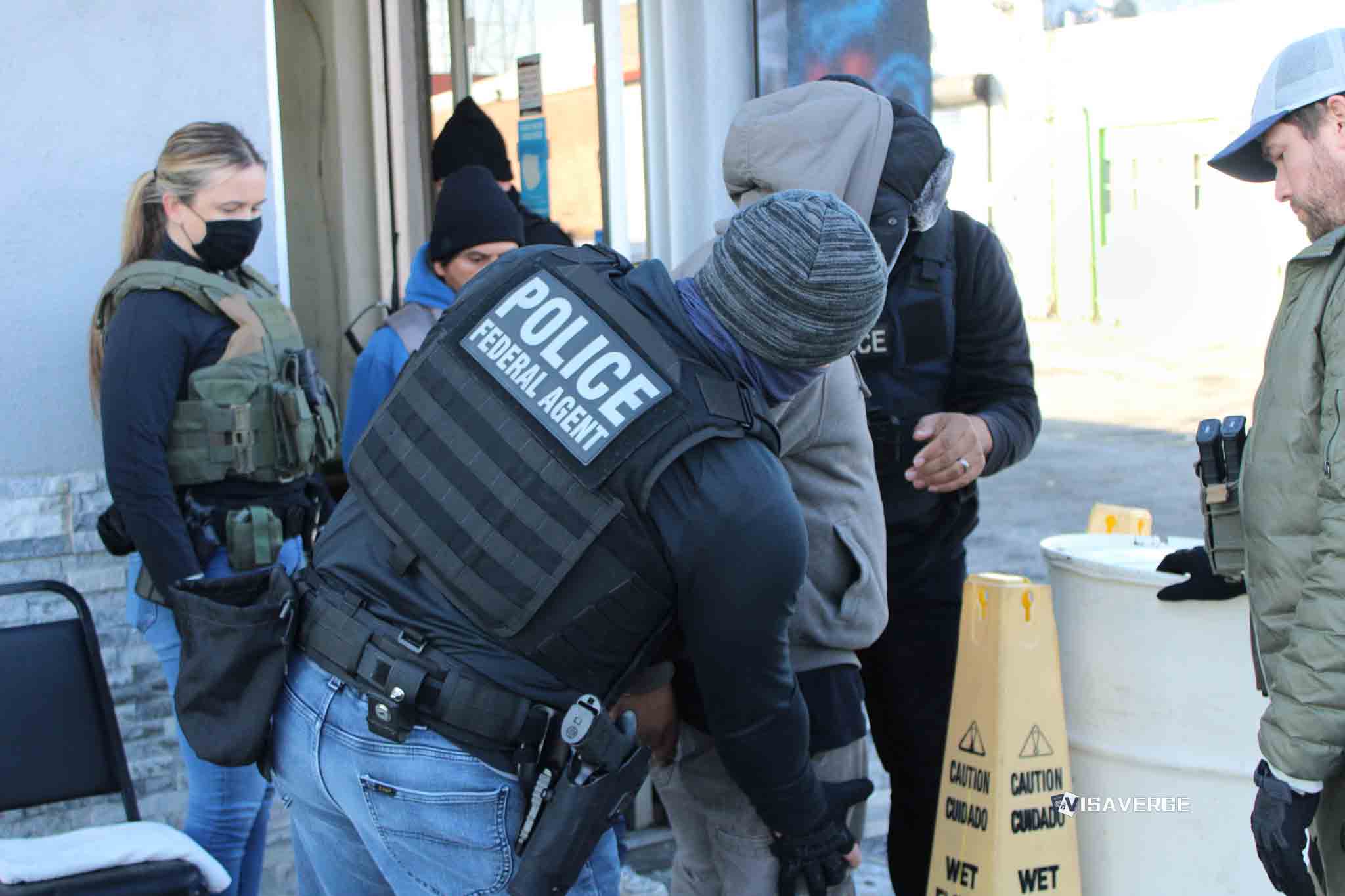
Tom Homan escalated his fight with New York leaders on May 5, 2026, saying he will send more ICE agents into the state and, as he put it, is “not asking” Gov. Kathy Hochul for permission. He tied the push to New York sanctuary legislation and said ICE will increase street-level enforcement if local cooperation does not improve, warning residents they will see “more ICE agents than you’ve ever seen before.”
- At the Border Security Expo 2026 in Phoenix, Homan said, “We’re gonna flood the zone. You’re gonna see more ICE agents than you’ve ever seen before.”
- Homan said New York’s sanctuary policies force ICE to use more agents on the streets, adding that without jail-based cooperation the agency would deploy “six or seven guys” per target instead of one agent.
- Hochul जवाबed on May 5, 2026: “All I have to say to Tom Homan is, Donald Trump himself said he would not send a surge of ICE agents to the state of New York unless I ask… I’m not asking”.
- Homan also pointed to hiring plans for 10,000 more deportation officers, saying, “If you think last year’s numbers are good, wait till we hire 10,000 more. You ain’t seen shit yet.”
(CHARLOTTE, NORTH CAROLINA) Tom Homan, the federal official often called the border czar, said in November 2025 that Americans should prepare for “More Operations in More Major Cities” as Border Patrol teams spread far beyond the country’s land borders into urban centers across the United States ??. The federal government is now sending thousands of agents into more than 25 cities, including sanctuary cities, in what officials describe as a nationwide push to increase immigration enforcement deep inside the country rather than only at the border.
Scope and deployment
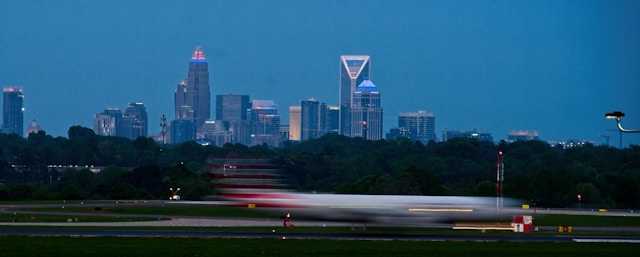
The shift means that cities like Charlotte, North Carolina — roughly 170 miles from the closest border — became active locations for these enforcement efforts starting in mid‑November 2025. Federal officials say the move continues a policy begun under President Trump and carried forward in different forms: treating interior cities as front‑line areas in the wider fight over illegal immigration.
Free toolUSCIS Receipt Number DecoderOperations are already running or planned in major urban centers such as:
- Los Angeles
- Chicago
- New Orleans
- Portland
- San Francisco / Bay Area
- Charlotte and other large cities federal officials consider magnets for undocumented immigrants
According to public comments by Homan and supporting federal statements, more than 2,000 Border Patrol agents are now deployed in these cities. Many of these agents normally work near the southern border but have been reassigned for interior duty as part of coordinated operations that may include:
- surveillance
- vehicle stops
- joint actions with other federal immigration units
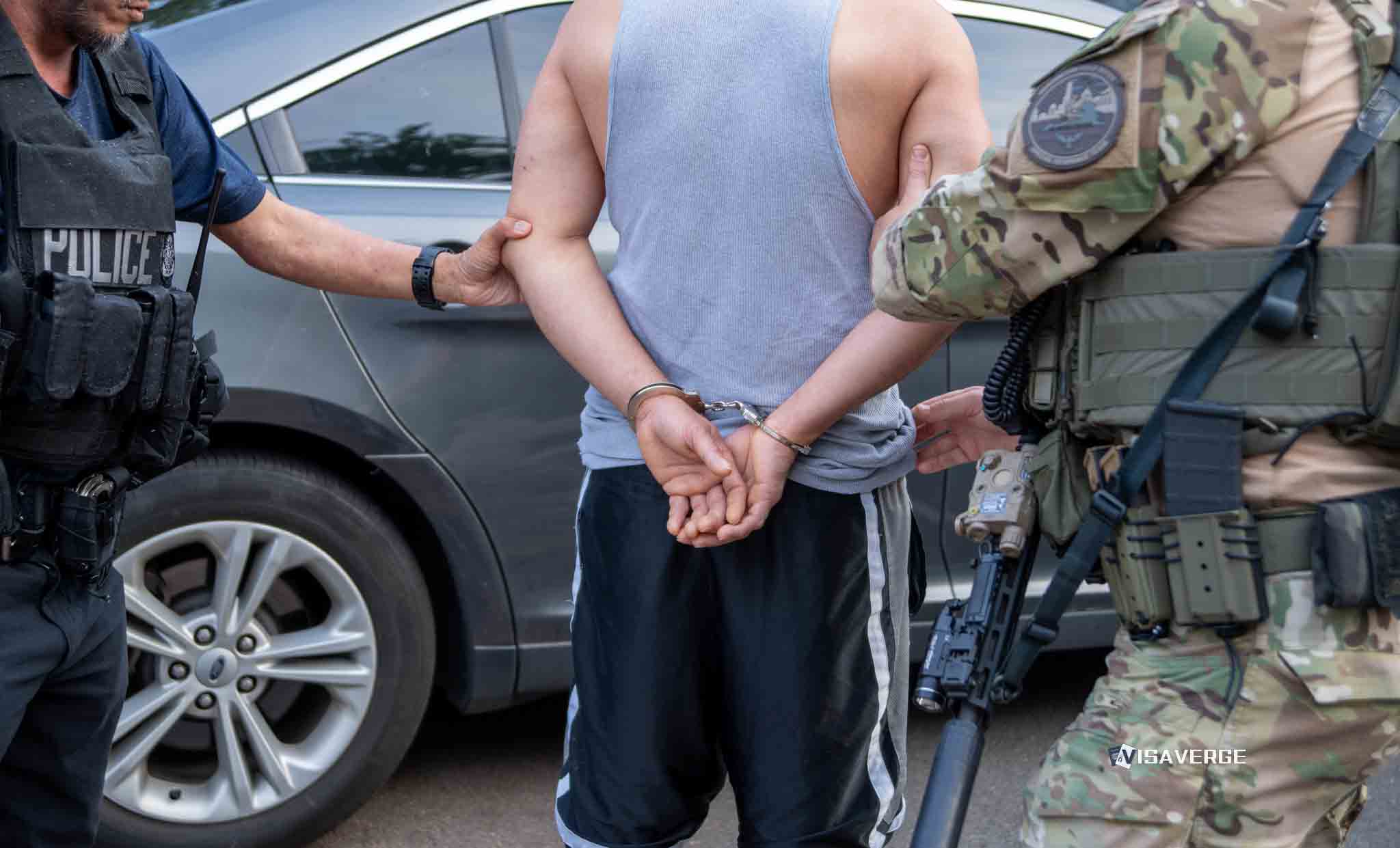
The Department of Homeland Security says these teams focus on people who entered the country illegally or overstayed visas and who, in the agency’s view, pose security or public safety risks.
“More Operations in More Major Cities.” — Tom Homan (November 2025)
Federal rationale and coordination
Supporters of the expansion argue:
- Large urban centers, especially sanctuary cities, have attracted people without legal status because they believe they are less likely to be turned over to federal agents.
- This, officials say, has created pockets of what they call “law‑free zones” where serious offenders can hide.
- Placing Border Patrol teams directly in those cities is presented as a way to locate and arrest enforcement priorities.
Federal coordination noted in analysis:
- More than 2,000 agents reassigned from border assignments to interior operations.
- Customs and Border Protection (CBP) has begun working more closely with local Coast Guard bases in some coastal areas to support movement of agents and equipment.
- Officials present the deployment as a long‑term shift rather than a one‑time surge.
Local government reactions and sanctuary policies
The decision has sharpened tensions between the federal government and many local leaders. Key points:
- Several targeted locations are known sanctuary cities, where local police limit cooperation with federal immigration officers.
- City officials in places like San Francisco, the Bay Area, and Charlotte say they will not use local police or jail resources to hold people solely for immigration reasons.
- Local leaders warn a larger federal presence could damage trust between police and immigrant communities.
Residents in Charlotte and other cities report seeing marked federal vehicles in certain neighborhoods and near transit hubs, even as officials reiterate that local police are not joining federal raids.
Legal challenges and courtroom limits
Tensions have moved into courts in multiple cities. Examples and outcomes include:
- In Chicago, protests and legal challenges over earlier operations led to federal court orders restricting how agents can operate during street actions and home visits.
- Judges have ordered that federal officers:
- must wear body cameras
- clearly show identification
- follow tighter rules on the use of force
Civil rights groups say these protections are necessary to prevent racial profiling and detentions based solely on appearance or language. The federal government responds that agents follow the law and that legal restrictions can slow operations.
Some legal experts predict:
- More litigation over where and how agents can act inside the country
- Renewed tests of whether stops and searches away from the border violate constitutional protections
- Court rulings that could shape the reach of federal powers when Border Patrol units operate hundreds of miles from any border crossing
Human impact and community concerns
Opponents — including immigrant advocacy groups, faith leaders, and some mayors — argue the strategy causes widespread fear that extends beyond those labeled as dangerous. Observed and reported effects include:
- Families changing daily routines
- Children afraid to attend school
- Crime victims avoiding calls to local police
- Workers and commuters altering travel paths to avoid areas where agents appear
Critics warn the policy feels less like narrowly targeted enforcement and more like a nationwide ramp‑up meant to send a political message about toughness on immigration.
Examples of local experiences
Charlotte’s inclusion among the more than 25 cities highlights how the policy has reached areas not traditionally seen as federal immigration hubs. Notable local details:
- Growing immigrant population but previously little federal immigration activity
- Residents reporting marked federal vehicles in neighborhoods and near transit hubs
- Similar scenes reported in New Orleans and other southern cities that rely on immigrant labor in construction, food service, and shipping
Information and resources for residents
For people on the ground, the policy can be confusing:
- Many residents are unsure which officers they meet, what rights they have if questioned, and how to distinguish federal agents from local police.
- Local governments often provide “know your rights” flyers and community meetings.
- Lawyers say mixed messages can leave families unsure whom to trust.
Official federal information is available on the agency website:
- CBP’s official site — contains agency mission, powers, and complaint process
Legal aid groups note that online postings may do little to calm fear when heavily armed teams arrive in quiet residential areas.
Potential long‑term implications
This expansion blurs lines between traditional border security and interior policing. Consequences to watch:
- Questions about where border authority ends when agents operate far from a border crossing
- Possible normalization of a permanent interior enforcement network
- Future court rulings that could define limits on federal enforcement tactics in urban settings
Conclusion
Tom Homan’s message is clear: Americans, particularly in large urban centers, should expect to see more federal uniforms, joint operations, and attention to immigration status — even far from any border fence. Supporters say the approach addresses long‑standing public worries about illegal immigration. Critics warn it will deepen fear, push communities into the shadows, and strain relationships between federal agencies and city governments.
As operations expand in Charlotte, Chicago, Los Angeles, and other targeted cities, the country’s long‑running fight over immigration enforcement is no longer confined to distant border posts. It is playing out on city streets, bus routes, and neighborhood sidewalks across the United States.
This Article in a Nutshell
Starting mid-November 2025, more than 2,000 Border Patrol agents were reassigned to interior operations across 25+ cities, including sanctuary jurisdictions like Charlotte. Officials say the deployments target illegal entrants and visa overstayers deemed security risks. Local leaders, civil rights groups, and residents report fear, protests, and legal challenges; courts in some cities imposed rules requiring body cameras, identification, and limits on force. The shift blurs border and interior enforcement lines and could prompt further litigation and policy debates.