Key Takeaways:
- Thailand extends visa-free travel from 30 to 60 days for citizens of 93 countries, enhancing tourism starting July 15, 2024.
- Additional measures introduced include the Destination Thailand Visa for digital nomads, student visa extensions, and expanded Visa on Arrival access.
- The policy aims to boost tourism and economic growth, targeting to exceed 40 million visitors and addressing infrastructure and safety challenges.
Thailand Extends Visa-Free Travel to 60 Days: What You Need to Know
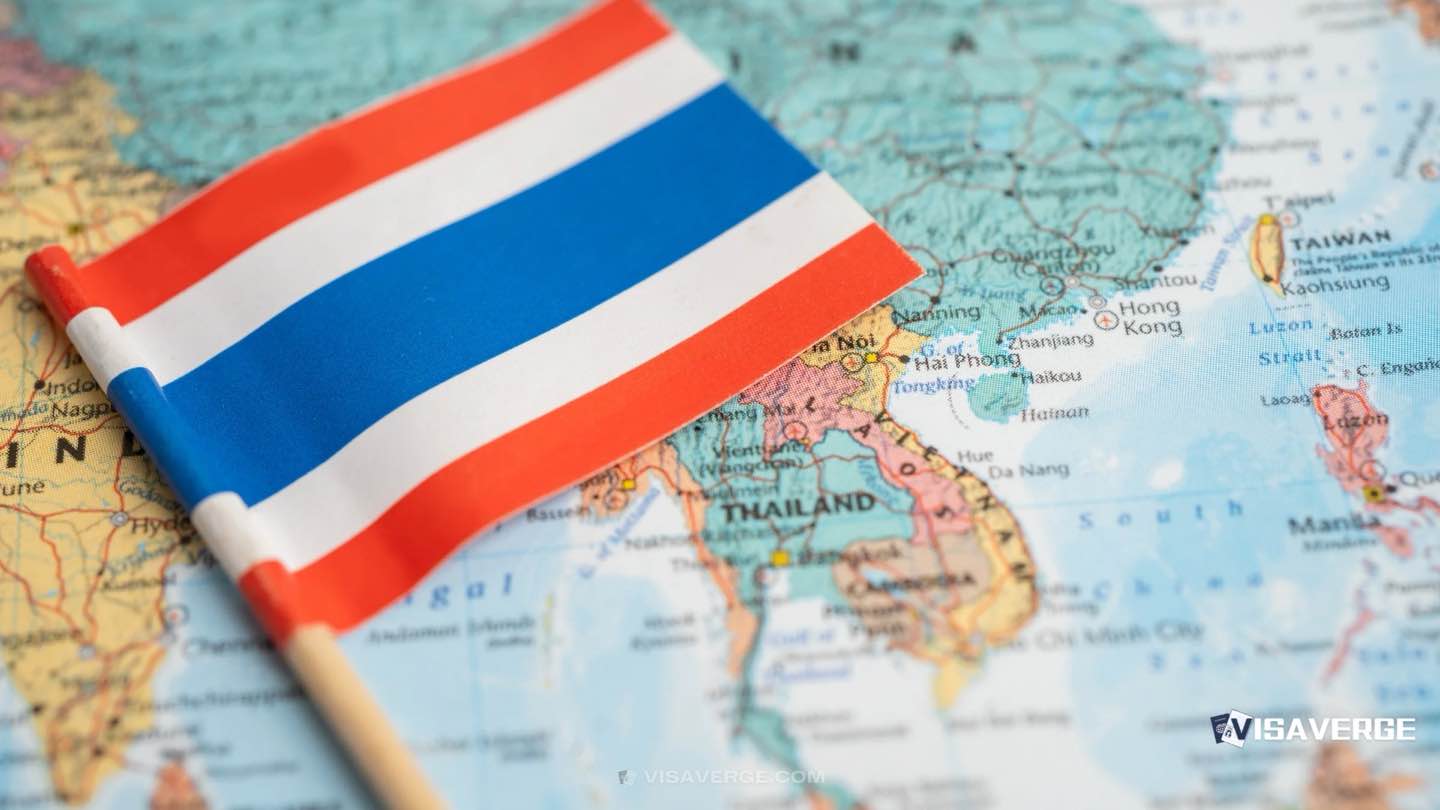
Thailand has made traveling more enticing for Australians and citizens of 93 other countries by extending visa-free travel from 30 to 60 days. Effective July 15, 2024, this new policy aims to boost tourism and revitalize the nation’s tourism industry, which has struggled since the COVID-19 pandemic.
What Does the New Thailand Visa-Free Policy Include?
Expanded Visa-Free Entry: The new visa-free policy allows citizens of 93 countries and territories to stay in Thailand for up to 60 days without needing a visa. This marks a significant increase from the previous 30-day limit. Travelers have the option to extend their stay by an additional 30 days through the Thai immigration bureau, potentially allowing for a total stay of up to 90 days.
Countries Benefiting from the Policy: Among the 93 countries are major tourist markets like Australia, the United States, the United Kingdom, China, Japan, South Korea, and various EU member states. This is a massive increase from the previous list of 57 countries eligible for visa-free travel.
How Does This Boost Tourism?
Tourism Statistics: In the first half of 2024, Thailand recorded 17.5 million foreign tourist arrivals, a 35% increase compared to the same period the previous year. However, these figures are still below pre-pandemic levels. By extending visa-free travel, Thailand aims to draw more visitors to stimulate its tourism sector.
Economic Impact: In 2019, Thailand welcomed a record 39.9 million international visitors, generating tourism revenue of 1.91 trillion baht (approximately $79 billion USD). With this new policy, Thailand hopes to reach or exceed 40 million visitors in 2024.
What Other Measures Has Thailand Introduced?
Thailand has introduced additional initiatives to make the country more attractive to different types of visitors:
- Destination Thailand Visa (DTV): This five-year visa targets digital nomads, remote workers, and freelancers. It allows holders to stay in Thailand for up to 180 days each year, making it ideal for those who can work remotely.
-
Student Visa Extension: International students who complete a bachelor’s degree or higher in Thailand can now stay for one year after graduation for employment purposes, travel, or other activities. This aims to retain skilled graduates and potential workers.
-
Visa on Arrival (VOA) Expansion: The number of countries eligible for Visa on Arrival has increased from 19 to 31, simplifying entry for short-term visitors.
-
Hotel Fee Waiver Extension: The waiver of operational charges for hotels has been extended for two more years, helping to keep accommodation costs competitive.
-
Abandonment of Tourism Levy: Plans for a tourism levy on incoming air passengers have been scrapped, removing a potential deterrent for budget-conscious travelers.
What Are the Potential Challenges?
Infrastructure and Capacity: The rapid expansion of visa-free access has raised concerns about Thailand’s infrastructure readiness. Airports, transportation systems, and accommodations might face pressure due to increased demand.
Air Traffic Congestion: Existing flight capacities might struggle to keep pace with the rising number of tourists, leading to potential delays and overcrowding at major airports.
Safety Concerns: There have been rumors about tourist kidnappings and cross-border criminal activities. The Thai government is enhancing security measures to ensure visitors’ safety and maintain Thailand’s reputation as a secure destination.
What Does This Mean for Prospective Travelers?
Longer Stays: The extended visa-free period means travelers can enjoy a longer holiday without the added hassle of securing a visa beforehand. For instance, Australians now have the freedom to explore Thailand for up to two months straight.
Extended Stay Options: For those who can’t get enough of Thailand, the ability to extend the visa-free stay by an additional 30 days is a welcome option.
Increased Accessibility: With the expansion of the Visa on Arrival program and the introduction of the Destination Thailand Visa, the country has opened its doors to a broader range of visitors, from business professionals to students.
Expert Opinions and Public Reaction
“Thailand is making a bold move to position itself as a top global travel destination by extending visa-free travel to 60 days for citizens from 93 countries,” said a travel industry expert. “This is a game-changer for travelers looking to spend more time exploring the country.”
According to VisaVerge.com, “the new policy represents a significant opportunity for Thailand to both revive its tourism sector and diversify its economic portfolio by attracting long-stay tourists like digital nomads and students.”
Conclusion
Thailand’s decision to extend the visa-free travel period to 60 days is part of a comprehensive strategy to boost tourism and stimulate economic growth. By making the destination more accessible and attractive, Thailand aims to reclaim its status as one of the world’s top travel destinations. With additional measures such as the Destination Thailand Visa and the expansion of the Visa on Arrival program, the country is well-positioned to welcome a diverse range of international visitors.
For more information on visa procedures and official policies, you can visit the Thai Immigration Bureau’s official page here.
As these initiatives unfold, their impact on tourism, economic growth, and the broader travel landscape will be closely watched by both government officials and industry stakeholders. The success of these measures could set a precedent for future tourism policies in Southeast Asia and beyond.
Learn Today:
Glossary of Immigration Terms
- Visa-Free Entry: A policy allowing travelers from certain countries to enter and stay in a destination for a specified period without needing to apply for a visa. In the context of this content, Thailand has extended visa-free stays from 30 to 60 days for citizens of 93 countries.
- Visa on Arrival (VOA): A type of visa that travelers can obtain upon arriving at their destination airport or border entry point. Thailand has expanded the eligibility for this visa from 19 to 31 countries, easing entry for short-term visitors.
- Destination Thailand Visa (DTV): A specialized five-year visa designed for digital nomads, remote workers, and freelancers, allowing them to stay in Thailand for up to 180 days each year.
- Student Visa Extension: A policy permitting international students who graduate with a bachelor’s degree or higher from Thai educational institutions to remain in the country for one year post-graduation, facilitating employment or extended stay for other activities.
- Tourism Levy: A fee planned to be charged to incoming air passengers to fund tourism development. This levy has been scrapped by Thailand to make travel more cost-effective for visitors.
This Article In A Nutshell:
Thailand is extending visa-free travel from 30 to 60 days for citizens of 94 countries, including Australia. Starting July 2024, this move aims to attract more tourists and boost the economy post-COVID-19. Visitors can enjoy longer stays without the hassle of obtaining a visa.
— By VisaVerge.com
Disclaimer: The information provided in this article is for informational purposes only. If you reference or use any content from this article, please attribute it to VisaVerge.com by including a link to the original source. We appreciate your adherence to our content usage policies and your commitment to giving proper credit.