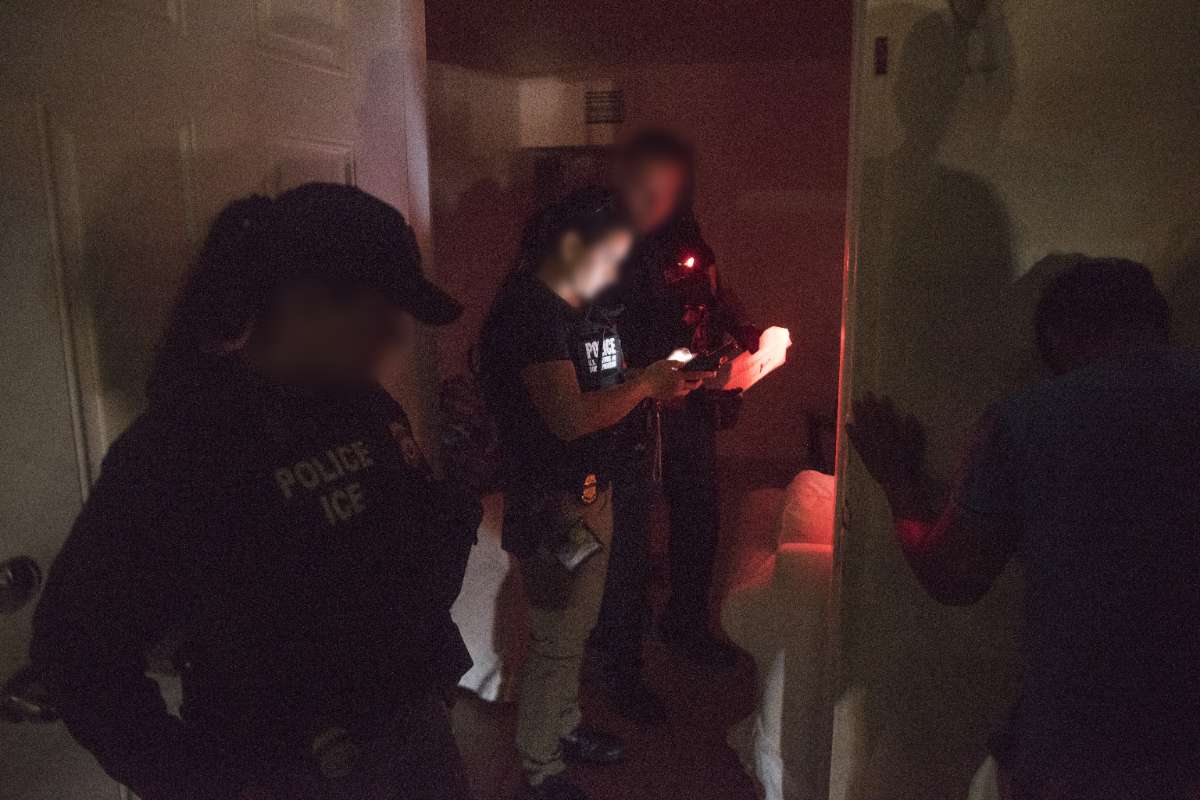
(MINNEAPOLIS, MN) — tampa bay activists rallied in Florida after an ice officer shot and killed 37-year-old Renee Nicole Good in Minneapolis on January 7, 2026, an incident DHS has defended as “self-defense” and an act of “domestic terrorism.”
The Department of Homeland Security framed the shooting as a response to an imminent threat from a moving vehicle, while local officials and activists described the killing as unprovoked and said Good was a U.S. citizen supporting neighbors as a legal observer.
Video of the encounter has become central to the dispute. the footage shows federal agents surrounding Good’s SUV and, as it begins to roll forward, ICE Agent Jonathan Ross fires at least two shots through the windshield, killing her, the account of the incident said.
Good, a mother of three and a poet, was not the target of any immigration action, Minneapolis Mayor Jacob Frey said. Frey confirmed she was acting as a “legal observer” to support her neighbors.
Official Statements and Immediate Reactions
DHS Secretary Kristi Noem defended the shooting on the day it happened, describing it as a response to a life-threatening attack. “An officer of ours acted quickly and defensively shot to protect himself and the people around him. [The incident was an] act of domestic terrorism against ICE officers by a motorist who tried to run them over with her vehicle,” Noem said.
Vice President JD Vance echoed that account two days later and attacked competing descriptions of the killing. “Many of you have been told this law enforcement officer. murdered an innocent woman. The reality is that his life was endangered and he fired in self-defense [against a] deranged leftist who tried to run him over,” Vance said.
DHS has also emphasized training and restraint in its public messaging as scrutiny intensified. “ice law enforcement officers are trained to use the minimum amount of force necessary to resolve dangerous situations to prioritize the safety of the public and our officers. Officers are highly trained in de-escalation tactics and regularly receive ongoing use of force training,” Tricia McLaughlin, Assistant Secretary for Public Affairs, said on January 11, 2026.
Operation Metro Surge and Enforcement Context
The shooting occurred during a large federal enforcement effort that DHS has called Operation Metro Surge. DHS described it as a 30-day operation involving over 2,000 federal agents in the Twin Cities.
Since the operation began, DHS reported arrests of over 1,500 individuals, including people accused of fraud and violent crimes. Those figures have been used to justify the operation’s scale and tactics, even as critics have focused attention on how enforcement actions unfold in neighborhoods and during street encounters.
Operation Metro Surge has also intensified debate about how force is used when officers confront a moving vehicle. DHS Use-of-Force Policy, updated May 2023, generally prohibits firing at moving vehicles unless the vehicle is being used as a weapon and “no other objectively reasonable means of defense appear to exist, which includes moving out of the path of the vehicle.”
That policy language is not the same thing as a criminal finding or a civil judgment, and it does not by itself settle questions of constitutional reasonableness. Still, the moving-vehicle restriction exists because shots fired at a vehicle can endanger occupants, bystanders, and officers, while a driver losing control can create additional risk.
Investigative Control and Oversight Dispute
The incident has also drawn attention to what official statements tend to include early and what they do not. DHS and ICE statements often emphasize perceived threat, agent safety, and public safety, while video clips and investigative files can provide a fuller view that is typically not released immediately.
The FBI has assumed exclusive control of the investigation into Good’s death, effectively barring the Minnesota Bureau of Criminal Apprehension from the case, the account said. Governor Tim Walz criticized that shift in investigative authority and questioned whether the process would be trusted.
“It feels very, very difficult that we will get a fair outcome,” Walz said, describing the decision as a “reverse course.” Federal officials have also signaled an escalation in deployments in response to protests and tensions around the operation.
On January 11, 2026, Noem announced she is sending “hundreds more” federal agents to Minneapolis to ensure the safety of current ICE personnel.
Community Impact and Public Response
The killing has affected community behavior in ways that go beyond immigration status, advocates said, especially when masked, heavily armed agents are visible in residential areas. Immigrant communities have described fear spreading even among U.S. citizens, in an atmosphere where neighbors may not know who is being targeted and why.
The legal debate has played out on two levels at once: internal policy compliance and constitutional standards that courts apply in civil rights claims. DHS has invoked “absolute immunity,” but legal experts and the ACLU have said federal officers can still be held liable if actions are found to be “objectively unreasonable” under the Fourth Amendment.
Protests in Florida
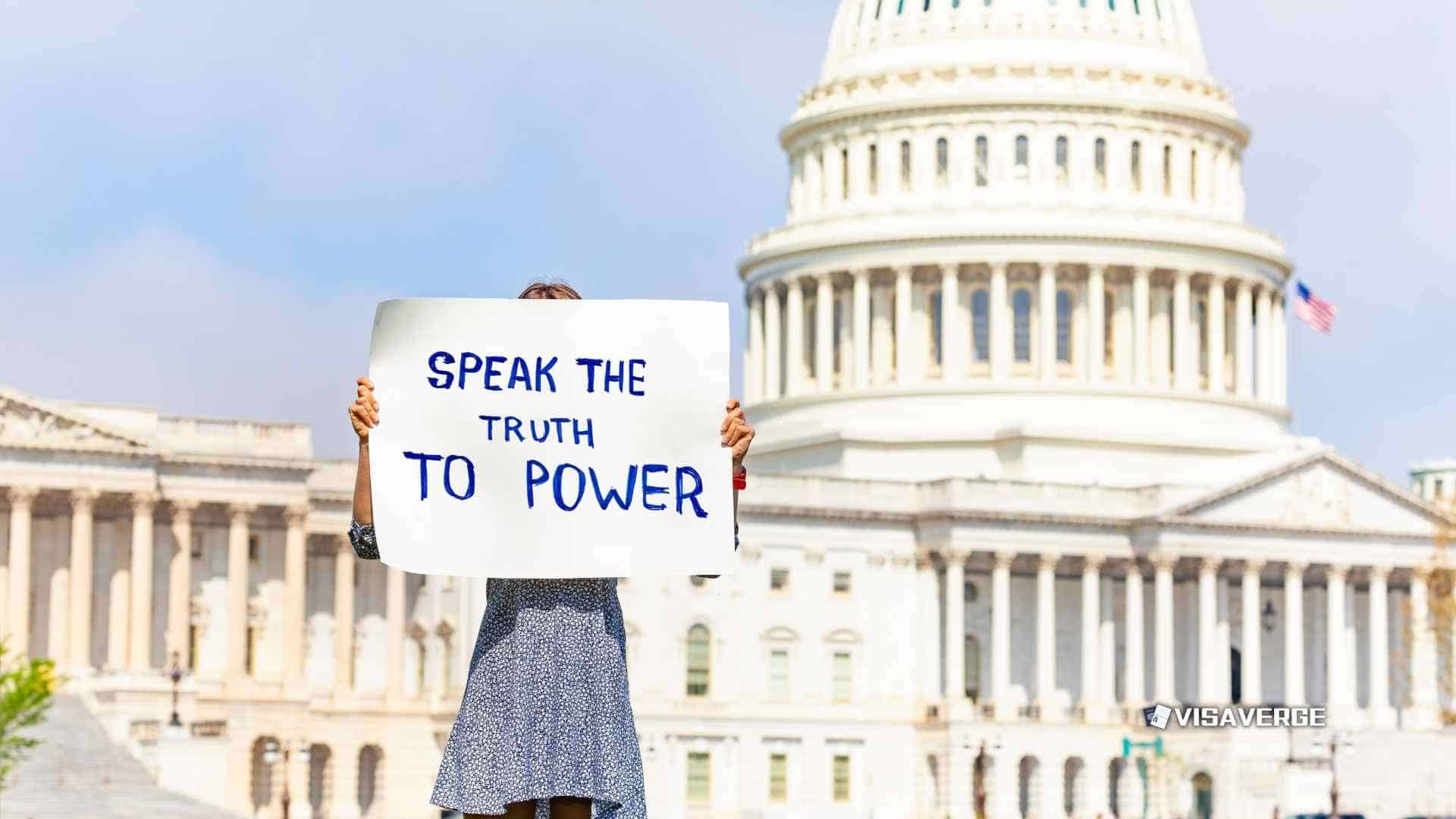
In Florida, activists said the Minneapolis killing reflected broader concerns about federal raids and enforcement visibility well beyond Minnesota. The “ICE Out for Good” movement organized demonstrations across the Tampa Bay area in the days after Good was killed.
Dozens of protesters gathered at Tampa City Hall on January 8 and January 9 in a rally organized by the Tampa Immigrants Rights Committee. Organizer Yunging Zheng tied the Minneapolis shooting to local fears, saying, “The violence that happened in Minneapolis is not so far removed here because we have ICE agents roaming here as well.”
Hundreds gathered on Saturday, January 10, at the intersection of Ulmerton Road and Seminole Boulevard in Largo, organizers said. In St. Petersburg, vigils were held outside the Police Department to protest local law enforcement cooperation with federal agents.
Similar protests were reported elsewhere in Florida, including Boca Raton, Orlando, Fort Myers, and Naples. Activists portrayed those actions as a statewide rejection of Metro Surge tactics and a signal that local communities can mobilize quickly around federal enforcement incidents in other states.
Media, Public Statements, and Sources
For residents seeking verified updates, the primary public statements have come from DHS and ICE leadership and from elected officials responding to the shooting and the operation. DHS has posted material through its DHS Newsroom – Press Releases and a separate item titled Official DHS Statement on Minneapolis Arrests (Jan 8, 2026).
USCIS, despite frequent public confusion, is a different agency with a separate role from ICE and DHS enforcement teams, and its broader information hub remains the USCIS Official Site. On the streets of Minneapolis and at protests hundreds of miles away, activists and officials are now contesting the same core question: whether Renee Nicole Good was killed in “self-defense,” or whether the video and the investigation will support a different account.
The fatal shooting of U.S. citizen Renee Nicole Good by an ICE agent in Minneapolis has sparked a national debate over federal use-of-force. While DHS frames the incident as self-defense against a vehicle attack during Operation Metro Surge, local officials and video evidence suggest Good was acting as a peaceful legal observer. The FBI’s exclusive jurisdiction over the investigation has led to calls for transparency and accountability.