- The State Department revoked green cards of several Iranian-born residents with ties to senior Iranian officials.
- High-profile figures include relatives of Qasem Soleimani and Ali Larijani being targeted in April 2026.
- Authorities utilized national security and foreign policy provisions to justify the removal of lawful permanent residents.
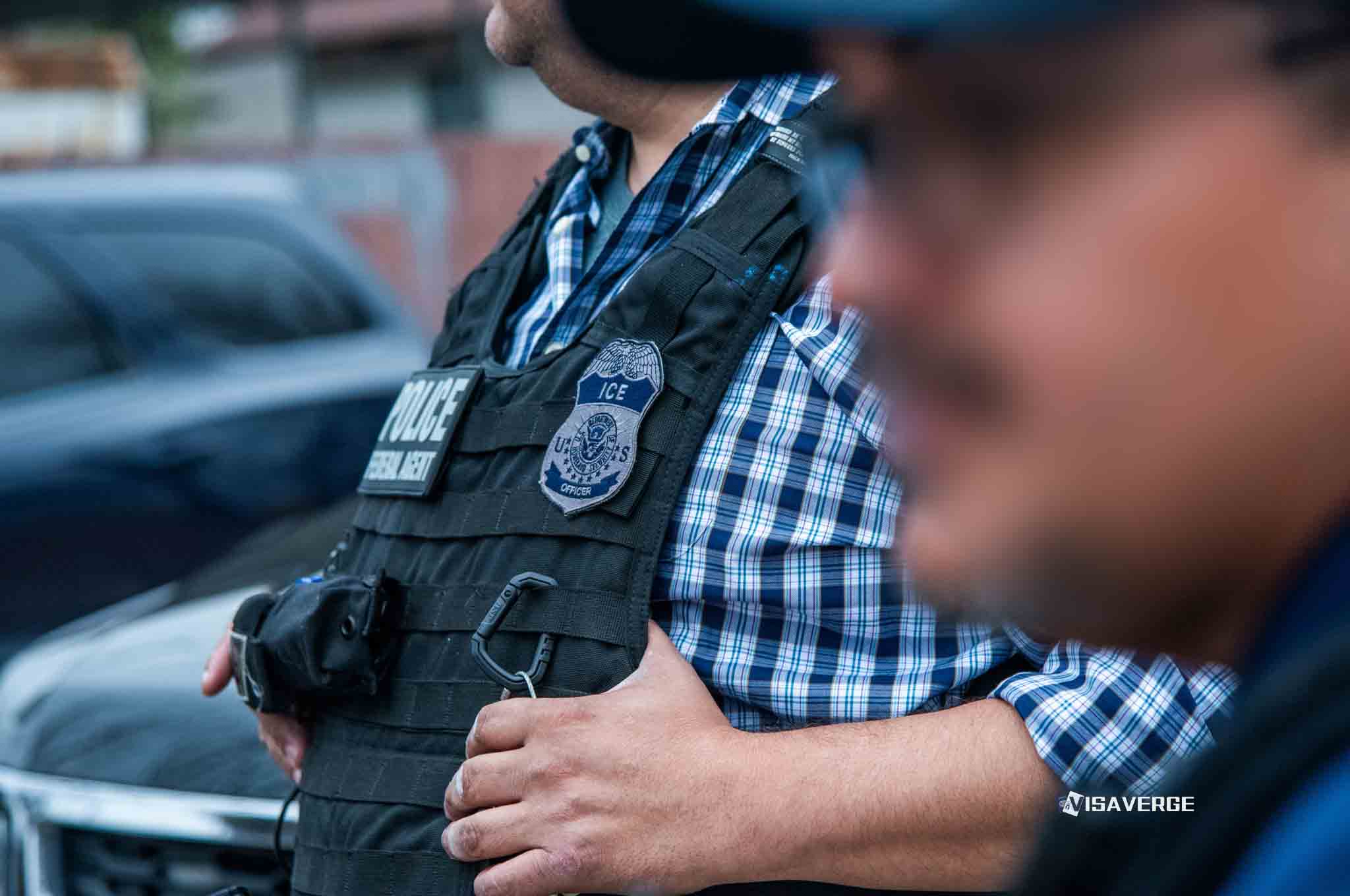
(LOS ANGELES-AREA) — The Trump administration, through the State Department under Secretary Marco Rubio, revoked the green cards of several Iranian-born lawful permanent residents in early April 2026, targeting people linked to senior Iranian officials or figures involved in past attacks on U.S. interests.
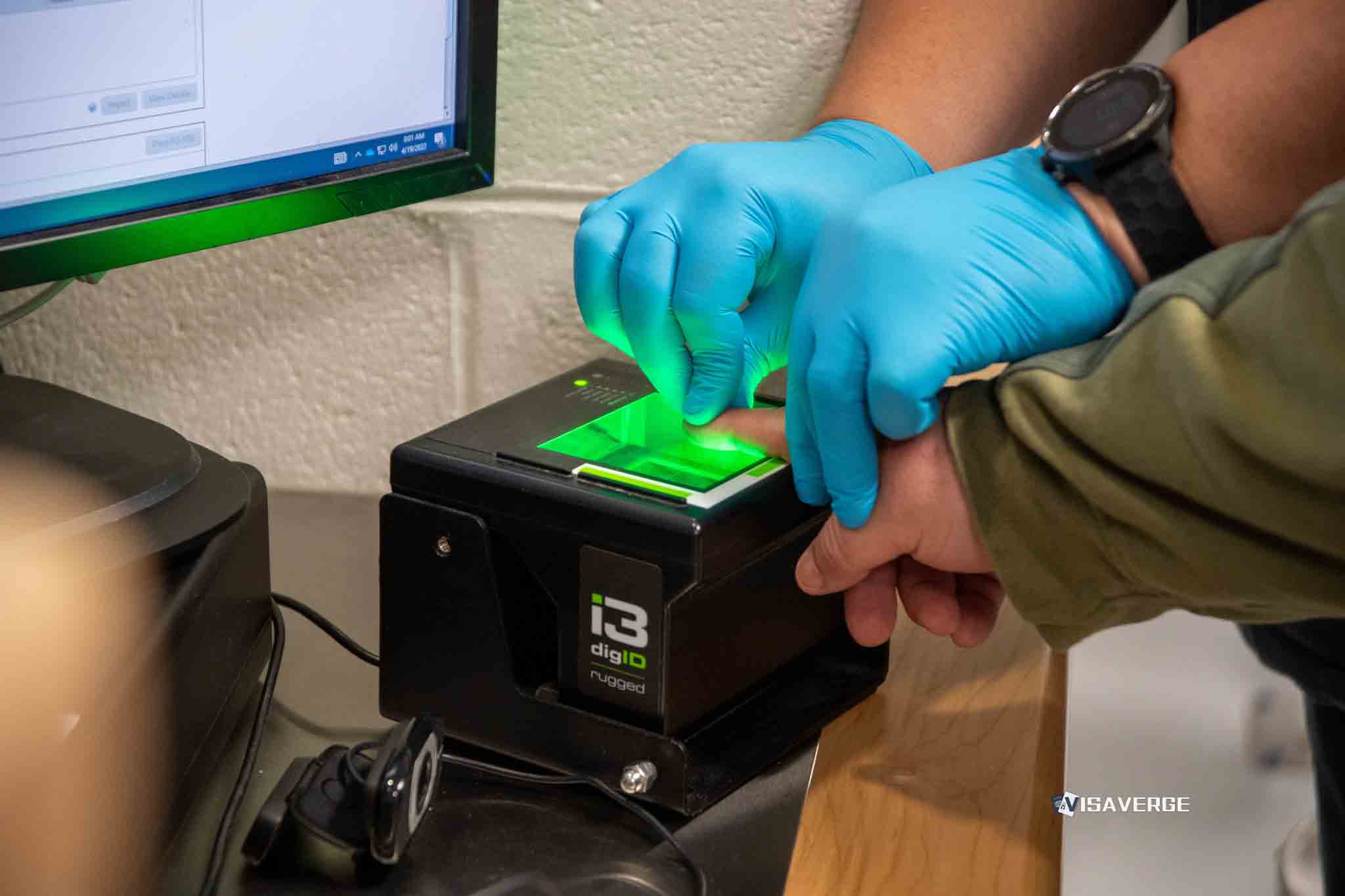
Among those affected were Seyed Eissa Hashemi, the son of Masoumeh Ebtekar, his wife, and his son. All three were Los Angeles-area residents who were taken into immigration custody for deportation.
Free toolCSPA Age-Out Calculator Online
The actions also reached other relatives of prominent Iranian figures. Just last week before April 11, the State Department revoked the green cards of Hamideh Soleimani Afshar, identified as a niece of slain IRGC chief Qasem Soleimani, and her daughter, and authorities arrested both and placed them in federal immigration custody.
Earlier revocations covered Ardeshir Larijani, identified as a daughter of Iran’s former national security adviser Ali Larijani, and Motamedi. Both are now outside the United States and barred from future entry.
The measures, as described in the announcements, focused on family ties to senior figures in Iran and to people connected to attacks on U.S. interests. They swept in residents of the Los Angeles-area, a region with one of the largest Iranian communities in the United States.
Hashemi’s family connection runs through Ebtekar, who was described in the announcements as spokeswoman for the 1979 U.S. Embassy takeover in Tehran and as Iran’s first female vice president. That made his case one of the clearest examples of the administration’s approach: use immigration authority against lawful permanent residents tied by family relationships to prominent Iranian officials or figures.
Afshar’s case carried another high-profile connection. She was identified as a niece of Qasem Soleimani, the Iranian commander killed in a 2020 U.S. airstrike, and her daughter was included in the same action.
The Larijani case added another branch of Iran’s political establishment to the list. The announcements identified Ardeshir Larijani as a daughter of Ali Larijani and said she and Motamedi are already outside the country, leaving the revocation to operate as a bar on future admission rather than a custody case inside the United States.
The legal grounds cited for the revocations point to national security and foreign policy authority embedded in U.S. immigration law. The announcements referenced INA Section 212(a)(3)(B) and INA Section 212(a)(3)(C), provisions tied to inadmissibility on security and foreign policy grounds.
Those references matter because lawful permanent residents, even with green cards, can face removal or exclusion if the government determines they fall within grounds of inadmissibility or removability tied to terrorism, security, or foreign policy concerns. The announcements did not spell out more specific legal citations beyond those references.
That left the public record broad in one respect and direct in another. The administration identified the family relationships and the security-based framework, but it did not publicly lay out a case-by-case legal narrative for each person beyond the broad inadmissibility grounds.
Geography also shaped the practical effect. Some of the people named were living in the Los Angeles-area and ended up in immigration custody, while others were already outside the United States and now face a future-entry ban.
The timing was also notable. The revocations coincided with ceasefire talks in Pakistan and came in a short sequence of moves spanning the week before April 11 and earlier actions before that.
Within that sequence, the administration appeared to move in stages. One set of revocations hit Hashemi, his wife, and his son as Los Angeles-area residents inside the country; another struck Afshar and her daughter the week before April 11; an earlier set covered Larijani and Motamedi, who were outside the United States.
The different circumstances could shape what happens next. People in immigration custody can fight removal while detained or seek release as their cases move forward, while people outside the country face the separate problem of contesting a decision that already blocks their return.
Affected individuals can pursue administrative review or bring challenges in federal court. The available avenues depend on the posture of each case, and the outcome turns on the specific facts and claims raised by each person.
No result is guaranteed. A revocation tied to the State Department’s foreign policy and security authority can produce a complicated fight over how much deference courts give the executive branch in immigration matters, especially where the government invokes national security or foreign policy concerns.
That leaves other green card holders from similar backgrounds watching closely. Family ties to senior Iranian officials or to figures tied to past attacks on U.S. interests now sit at the center of an enforcement approach that reached beyond visa denials and into the status of lawful permanent residents.
The immediate effect falls on a small group named in the announcements, but the signal is broader. The State Department used green card revocation not only against people seeking entry from abroad, but also against Los Angeles-area residents already living in the United States, placing some in immigration custody and shutting the door on others before they could return.