- Former Starbucks CEO Howard Schultz moved to Miami after 44 years living in Seattle.
- The relocation occurred as Washington House passed a millionaire’s tax targeting high earners.
- Schultz maintains his move is for retirement and family reasons rather than tax policy.
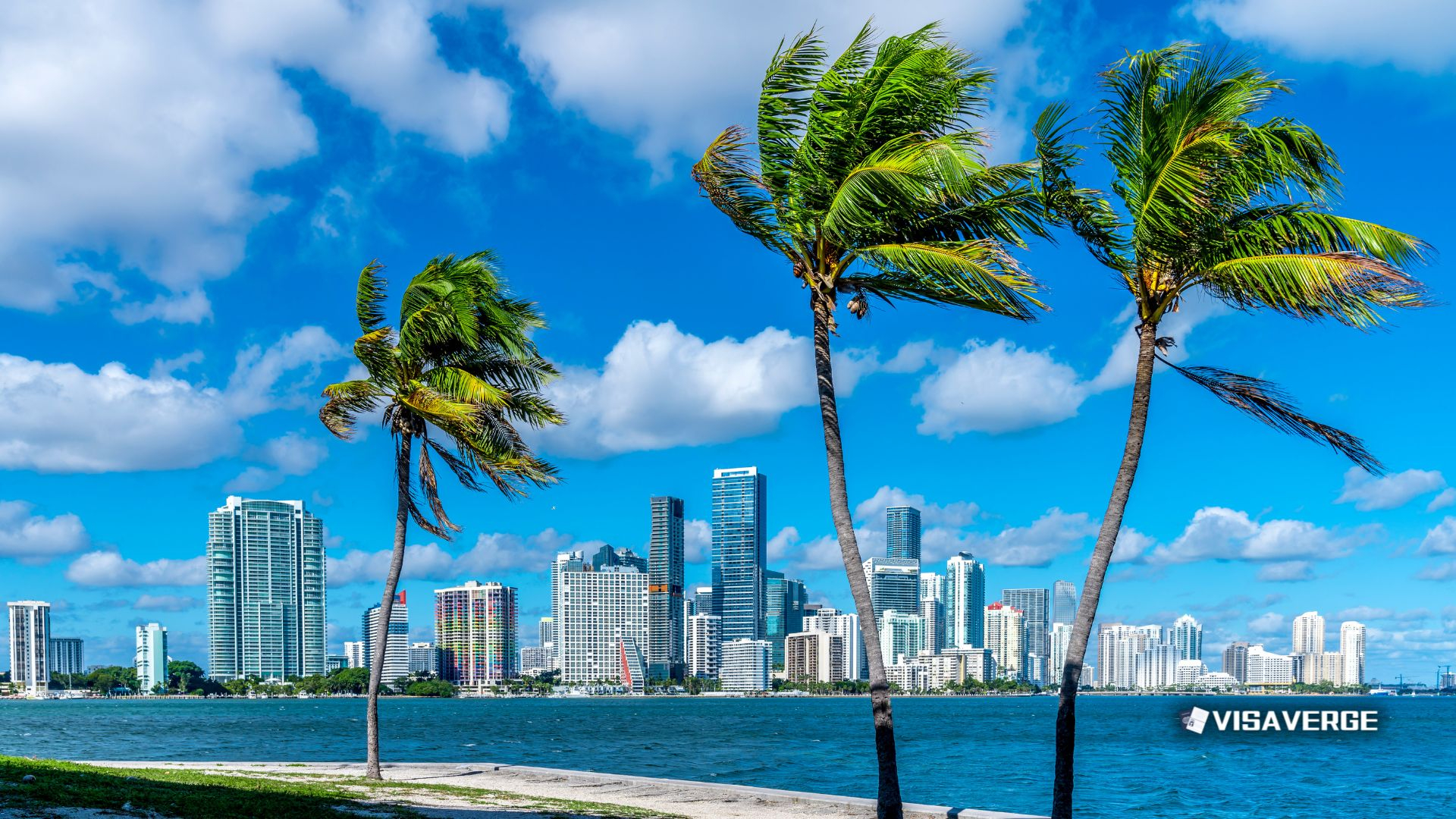
(MIAMI, FLORIDA) — Howard Schultz announced on LinkedIn that he and his wife Sheri have moved to Miami after more than 44 years in Seattle, a relocation that drew immediate attention because it came the same day Washington’s House passed a millionaire’s tax.
Schultz, the former Starbucks CEO, did not cite the tax in his announcement, but the coincidence in timing turned his move into a political and tax flashpoint within hours.

In his LinkedIn post, Schultz, 72, described the shift as a personal decision tied to what he called the “retirement phase of their lives,” while also offering a message of goodwill toward Washington and Seattle’s business community.
Schultz wrote: “We have moved to Miami for our next adventure together. We are enjoying the sunshine of South Florida and its allure to our kids on the East Coast as they raise families of their own.”
Washington lawmakers’ action on the new tax, aimed at very high household income, gave the move a sharper edge in state political debate, even though Schultz did not link his decision to the legislation.
Because state tax policy often intersects with questions of residency, where income is sourced, and the symbolic politics of who stays and who leaves, the relocation of a high-profile executive became part of broader arguments over how Washington should tax high earners.
The timing mattered as much as the move itself. Schultz announced his relocation on the same day the Washington House approved the measure that has been described as a millionaire’s tax.
Republicans seized on the move as a warning sign, characterizing it as “capital flight,” while Democrats pushed back and argued the relocation was unrelated to the tax.
Democrats also pointed to their view that most wealthy individuals already live in states with income taxes, using Schultz’s announcement to argue that headline relocations can mislead voters about how high-income households make decisions.
The competing reactions underscored how prominent names can become shorthand in tax fights, with one side framing a move as proof of economic risk and the other treating it as a personal life change being repurposed for political messaging.
Schultz’s public message tried to separate the personal from the partisan, with the former Starbucks chief portraying the move as part of retirement and family life rather than a rebuke of Washington.
He also used his post to emphasize the role Washington and Seattle played in building Starbucks and to express hope that the state remains supportive of business and entrepreneurship.
“Like many other Seattle-based companies, Starbucks today stands on the shoulders of the many Pacific Northwesterners who built the company,” Schultz wrote.
“They helped shape the culture, the benefits and the brand, contributing to the civic, community and public life of the city and state,” he added.
“It is our hope that Washington will remain a place for business and entrepreneurship to thrive, creating essential opportunity for those in Seattle and the surrounding areas,” Schultz wrote.
The Miami relocation also brought renewed attention to Schultz’s South Florida real estate purchase, which has been discussed publicly alongside the tax debate because of its visibility and scale.
Schultz purchased a penthouse at the Surf Club, Four Seasons Private Residences in Surfside, Florida, for approximately $44 million.
The unit measures 5,500 square feet and includes five bedrooms, a central courtyard, and a rooftop terrace with ocean views.
The Surfside purchase added a concrete detail to a story that might otherwise have been limited to a retirement announcement and a legislative vote, amplifying the public focus on wealth, mobility, and where prominent business figures choose to live.
Miami, and Florida more broadly, has a reputation as a draw for wealthy residents, a backdrop that helped place Schultz’s move into a wider narrative even as he framed it as a family decision.
Beyond the question of where Schultz will live, the move also involves where his business operations will sit, at least in part.
Schultz’s family office will relocate to Miami, while his Schultz Family Foundation will remain operating in Seattle.
That split footprint—one entity moving and another staying—added a layer of complexity to the political back-and-forth, with the relocation becoming more than a change of address while still not being presented by Schultz as a statement about the tax.
Schultz’s wealth also helped explain why the move became politically notable in Washington as lawmakers debated a tax aimed at very high household income.
Bloomberg estimates Schultz’s net worth at $6.6 billion.
For Washington’s political parties, Schultz’s announcement offered a ready-made example to plug into existing arguments over the millionaire’s tax—arguments that turned less on the details of one individual’s motivations and more on what his move could be made to represent.
Republicans’ “capital flight” framing treated Schultz’s departure from Seattle for Miami as a cautionary signal about the potential effects of taxing very high household income.
Democrats’ response treated the move as unrelated to the tax and argued that the presence of wealthy residents in income-tax states undercuts the idea that the legislation would automatically drive people out.
Schultz himself did not explicitly cite the legislation, and his LinkedIn message focused on retirement, family, and a tribute to the people and place he credited with helping build Starbucks.
Even so, the overlap between a high-profile relocation and a major state tax vote ensured the two would be discussed together, with Miami and Washington serving as opposing poles in a debate over wealth, residence, and political narrative.
Schultz closed the circle in his own words by looking back to the region he left and stressing what he wants it to remain: “It is our hope that Washington will remain a place for business and entrepreneurship to thrive, creating essential opportunity for those in Seattle and the surrounding areas.”