(NEW YORK, NY) Spirit Airlines’ pilots and flight attendants have ratified new labor agreements, giving the carrier a needed cost-cutting win as it tries to move through Chapter 11 bankruptcy in a case pending in the U.S. Bankruptcy Court for the Southern District of New York. The votes, confirmed by Spirit on December 12, 2025, are one of the clearest signs yet that the airline is securing support from key employee groups while it works under court protection after filing on August 29, 2025.
Overview of the ratifications and timing
Spirit said the ratifications follow a month of talks and documentation after the company announced agreements in principle on November 7, 2025 with the Air Line Pilots Association (ALPA) and the Association of Flight Attendants-CWA (AFA). Those tentative deals were presented as necessary steps to deliver annual savings and unlock the next draw under debtor-in-possession, or DIP financing, the special bankruptcy funding companies use to keep operating while they restructure.
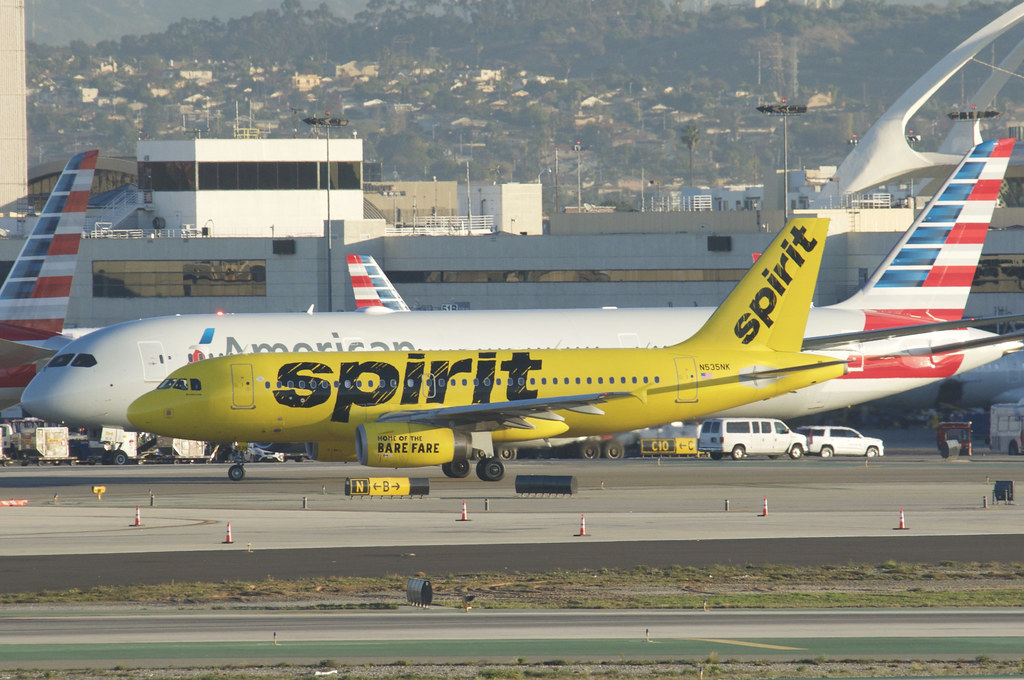
In its December 12 press release, Spirit President and CEO Dave Davis framed the labor votes as a milestone for a company that has been trying to stabilize its business and keep fares low.
“We’re pleased to reach another milestone in our restructuring, moving us forward in our mission to better position the airline and secure a future with value travel options for Americans,” Davis said.
Pilot agreement: details and implications
The pilots’ ratification, disclosed a day earlier, showed broad support for concessions that are now slated to take effect January 1, 2026.
- Vote outcome: Approved by 82% of participating pilots with 78% participation.
- Avoided outcome: The margin helped Spirit avoid the risk of a court-imposed deal under Section 1113 (the bankruptcy process companies can use to seek changes to union contracts).
Key financial changes in the pilot deal:
- Hourly wages will be cut by 8%.
- 401(k) contributions will be reduced from 16% to 8%.
- Pilots secured a $278 million unsecured bankruptcy claim, described as a future stake that can affect allocations when the company exits Chapter 11.
The company has said its common stock is expected to be cancelled with no value and that it was delisted from NYSE American, which helps explain why labor groups may focus on creditor claims rather than traditional equity upside.
Flight attendants: summary and linkage to overall restructuring
Spirit has been less specific about the flight attendant deal in public summaries, saying only that the AFA agreement includes pay adjustments and benefit changes to support cost savings and “sustainable operations,” without providing exact figures.
- Spirit treats the pilot and flight attendant agreements as linked pieces of the same restructuring math.
- Labor savings from both deals are intended to help the airline meet milestones tied to its financing and court-approved plan.
Executive concessions and workforce morale
Spirit has pointed to a second promise intended to blunt employee anger: senior leadership committed to salary reductions at least matching pilots’ cuts once the agreement was ratified.
- This kind of executive giveback is often viewed as a test of whether the burden of restructuring is shared.
- Many employees have faced repeated disruptions—route changes, staffing shifts, and now another bankruptcy—so leadership concessions can affect workforce morale.
Customer impact and operational assurances
Spirit emphasized that flights and ticket sales continue normally, an important point for customers who rely on the carrier’s lower-cost tickets to visit relatives across the United States, Latin America, and the Caribbean.
- First-day motions were approved on September 3, 2025, allowing the company to keep paying key bills and remain operational while the court process moves ahead.
- More case materials are posted through Spirit’s restructuring portal at Spirit’s restructuring website and its claims and notice agent site at Epiq’s case page.
Network and fleet changes highlighted in the plan
Spirit has described its Chapter 11 plan as a blend of financial and operating changes, including:
- redesigning its network
- changing fleet plans
- reducing debt
One specific action Spirit highlighted was the rejection of leases on 27 aircraft, which the company said would save “hundreds of millions.” In bankruptcy, rejecting leases is a way to cut future obligations quickly, but it can also produce schedule and staffing changes that affect employees and the communities served by those planes.
Human and immigration-related impacts
The human impact is where the story intersects with immigration in a practical way, even though a bankruptcy filing is not an immigration case.
- Airlines employ people from many backgrounds, including naturalized citizens and green-card holders, whose family immigration plans depend on steady income.
- Changes such as the 401(k) match reduction from 16% to 8% can affect household finances—rent, childcare, and costs of staying connected across borders.
- Customers with travel tied to immigration deadlines—new jobs, school start dates, weddings, funerals, visa appointments—often choose flights based on price and timing. Any disruption, even the fear of disruption, can force last-minute rebooking that many travelers cannot afford.
According to analysis by VisaVerge.com, airline restructurings can hit immigrant travelers hardest when budget carriers pull back, because those travelers often have less flexibility to buy expensive replacement tickets on short notice.
Why DIP financing and labor peace matter
Spirit’s emphasis on DIP financing underscores why labor peace is more than symbolic:
- DIP lenders often require strict milestones and budgets.
- Missing a target can tighten cash and raise the risk of deeper cuts, including route reductions that can isolate immigrant communities reliant on low-cost carriers.
Court venue and next judicial steps
Spirit filed in the U.S. Bankruptcy Court for the Southern District of New York, a venue that handles large corporate cases and sets formal timelines for notice, objections, and approvals.
- Readers who want the court’s official information can find it at the judiciary’s site for the U.S. Bankruptcy Court for the Southern District of New York.
- The labor agreements remain subject to final court approval—ratification by unions does not end the judicial review required in Chapter 11.
Current outlook and broader message
For now, Spirit treats the ratifications as a turning point that helps it argue it can exit bankruptcy with a cost base compatible with its low-fare model. Management frames these votes as one step among many: aligning aircraft plans with demand, managing lease obligations, and keeping customers booking while the bankruptcy case proceeds.
- Neither Spirit nor the unions identified individual pilots or flight attendants affected by the concessions, and no rank-and-file worker quotes were included in the company’s materials.
- The scale of the pilot vote—82% approval with 78% participation—reflects a workforce making a calculated choice between accepting temporary cuts tied to restructuring or risking a potentially harsher court-imposed outcome.
Spirit’s message to the market: labor stability, cost savings, and access to DIP financing can keep the airline flying while it reshapes itself.
For immigrant families watching airfare and reliability as closely as they watch consulate calendars, the hope is simple: that the planes keep moving, the tickets stay affordable, and a bankruptcy filing in New York does not turn into a missed reunion, a lost job start, or another closed door across a border.
Spirit Airlines’ pilots and flight attendants ratified labor agreements in December, aiding the carrier’s Chapter 11 restructuring. Pilots approved their deal with 82% support and 78% participation, agreeing to an 8% hourly wage cut, a 401(k) match reduction to 8%, and a $278 million unsecured bankruptcy claim. Flight attendants accepted pay and benefit adjustments. Management says the agreements help meet DIP financing milestones, preserve operations, and improve prospects for exiting Chapter 11.
Live Government Data
State Dept • CBPBusiest Border Crossings
- Nogales 180 min
- Nogales 105 min
- San Ysidro 100 min