Key Takeaways
• On March 3, 2025, a Spirit Airlines passenger assaulted staff and police at Orlando Airport after being denied boarding.
• The passenger was arrested, banned from Spirit Airlines via their no-fly list, and faced potential charges including assault and disorderly conduct.
• FAA reports a 15% rise in unruly passenger incidents in 2024, prompting enhanced airline staff training and policy reviews.
On March 3, 2025, a troubling event at Orlando International Airport (??) drew national attention, highlighting issues of passenger conduct, airline policies, and broader concerns within the aviation sector. A Spirit Airlines passenger was caught on video physically attacking airline staff after being denied boarding. Her shocking request to be taken to jail, uttered during the altercation, remains difficult for many to forget. This incident underscores the serious consequences of disruptive behavior, both for the individual involved and within the airline industry as a whole.
What Happened at Orlando International Airport?
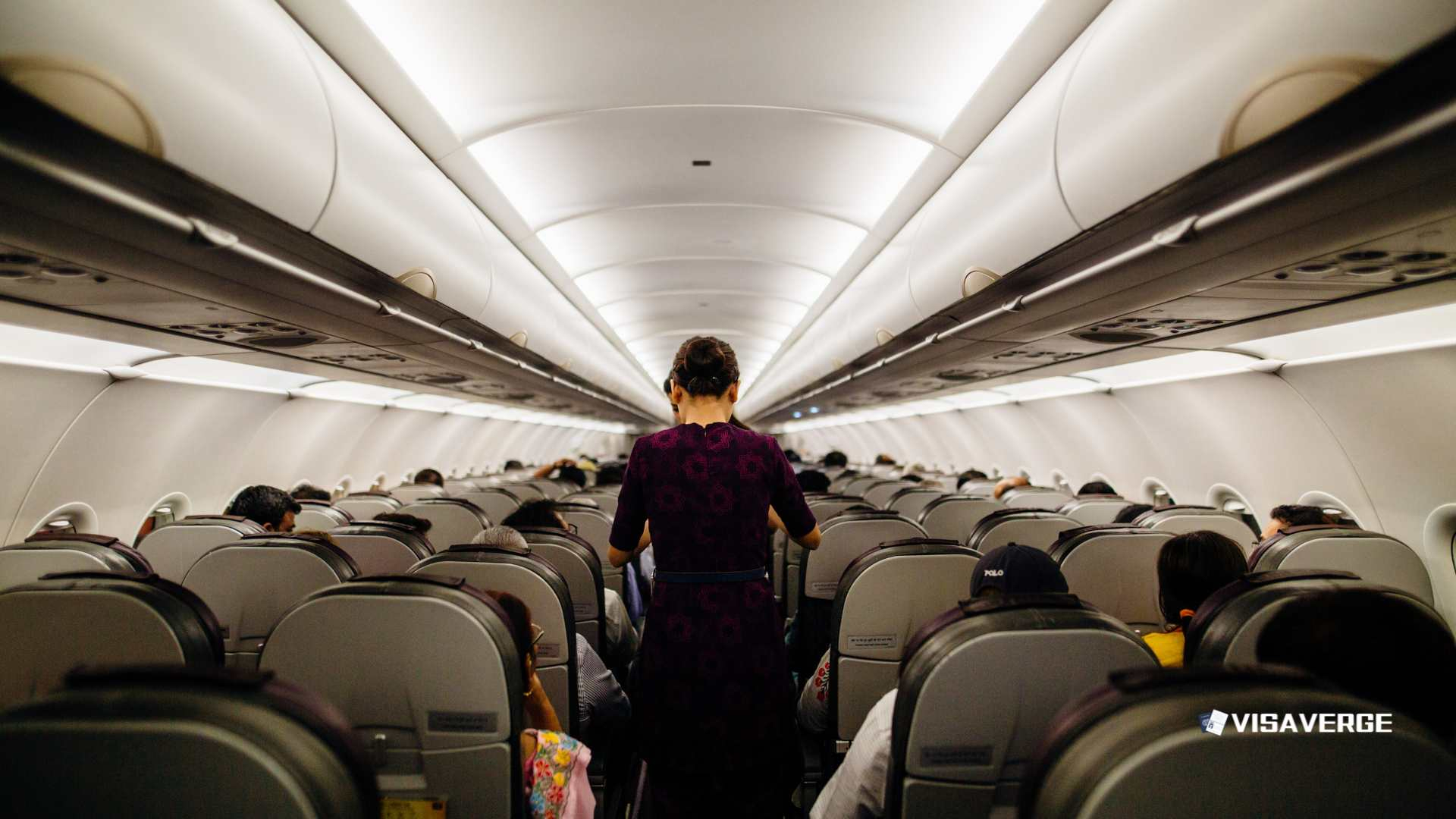
Details of the incident reveal that the woman—a passenger on Spirit Airlines—was trying to attend her mother’s funeral. Circumstances surrounding why she was denied boarding remain unclear, but the refusal quickly escalated into a frightening scene. Video footage captured the passenger physically assaulting Spirit Airlines gate agents, prompting airport staff to call law enforcement. However, when police officers arrived, the situation further unraveled as the passenger also turned violent toward them.
Perhaps most strikingly, she repeatedly said, “Take me to jail,” seemingly aware of the legal trouble her behavior would bring. The video, shared widely across social media platforms, painted a vivid picture of an individual losing their composure under stress—a moment that ultimately led to severe repercussions.
Immediate Actions by Law Enforcement and Spirit Airlines
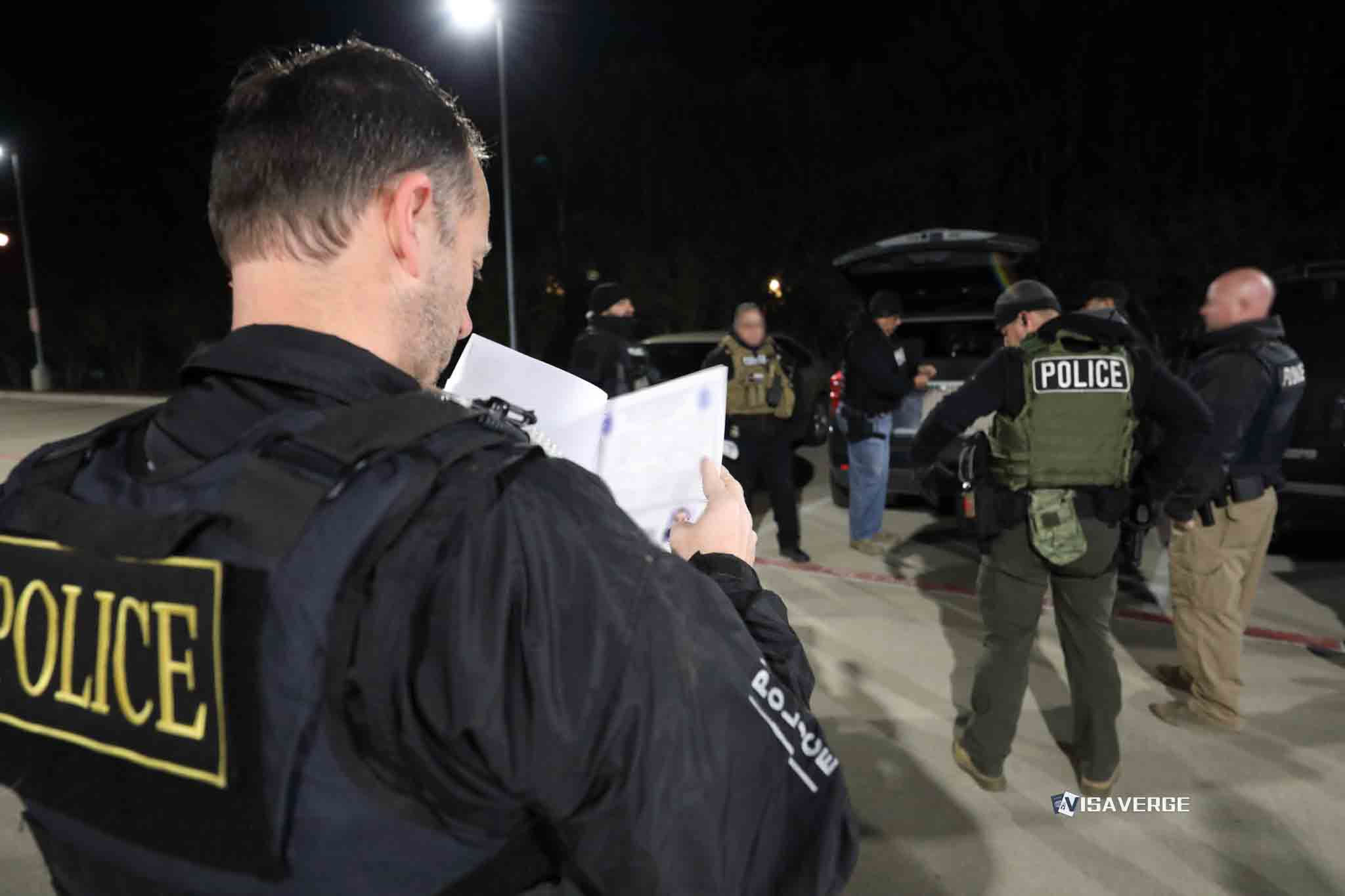
As soon as the situation turned violent, officials at Orlando International Airport acted swiftly. Law enforcement escorted the woman out of the airport and placed her under arrest. Their response was a clear reflection of the importance placed on maintaining safety in the crowded, high-pressure environment of an airport.
Spirit Airlines was also quick to respond. In line with a zero-tolerance policy for such behavior, the airline placed the passenger on its no-fly list. This ensures she will not be able to fly with Spirit Airlines in the future. No-fly lists are a critical tool for ensuring passenger and staff safety, serving not just as punitive measures but also as preventive ones. Though being barred from one airline does not necessarily prohibit travel on another, sharing information about dangerous passengers across airlines is becoming increasingly common.
Legal Challenges Ahead for the Passenger
The consequences for the woman may extend well beyond being blacklisted by Spirit Airlines. Attacking airline staff and law enforcement officers is classified as a serious crime. While specific charges were not disclosed, legal experts predict she could face assault and battery charges, along with disorderly conduct. Depending on whether federal laws were violated—such as obstructing the duties of flight crew members—additional federal charges may also be added. Penalties could range from financial fines to jail time.
Such penalties are designed to deter similar behavior while protecting those who work in the airline industry. With rising incidents of disruptive passengers, legal ramifications like these are becoming more stringent as enforcement agencies seek to address what appears to be an escalating trend.
Growing Concerns Over Unruly Passenger Behavior
This particular case is far from an isolated incident. Data from the Federal Aviation Administration (FAA) highlights an alarming rise in unruly passenger reporting. In 2024 alone, the FAA recorded a 15% spike in such incidents compared to 2023. While not every case involves physical violence, the cumulative increase points toward broader issues within the passenger experience and how individuals deal with the stresses of travel.
Incidents like the one at Orlando International Airport show the significant risks posed by passengers who act irrationally or violently. Such behavior not only endangers airline employees but also risks unsettling other passengers, delaying flights, and compromising overall airport security.
Spirit Airlines Stands Firm
Spirit Airlines, like most carriers, operates under strict policies when it comes to passenger conduct. Following this incident, Spirit Airlines issued a public statement condemning violent behavior. The airline reaffirmed its commitment to keeping staff and passengers safe, emphasizing that aggression will not be tolerated.
Spirit Airlines has also joined other industry players in revisiting passenger handling and training protocols. In 2025, many airlines are expanding training for staff members, focusing on de-escalating tense situations and managing aggressive passengers safely. Such programs aim to prevent incidents from escalating into full-blown confrontations.
The Implications of the No-Fly List
Being placed on an airline’s no-fly list carries more weight than some travelers might realize. In this case, the woman on Spirit Airlines’ no-fly list has been effectively banned from flying with the carrier going forward. However, Spirit Airlines’ no-fly designation does not automatically extend to other airlines. Each airline maintains its own list, meaning her ability to travel domestically or internationally could still depend on other airlines’ policies.
Nonetheless, there is increasing dialogue within the airline industry about sharing such information. By cooperating across airlines, carriers can work together to restrict travel for individuals who present an ongoing safety risk. For passengers like this woman, it means her actions at Orlando International Airport could limit her access to air travel for years or even decades to come.
Social Media Fuels Public Outrage
With the video of the altercation quickly gaining traction on platforms like Twitter and TikTok, the incident generated millions of views and countless comments. Public reaction has largely criticized the woman’s behavior. Many applauded the professionalism and restraint shown by Spirit Airlines staff and law enforcement amid such challenging circumstances.
However, the incident has sparked debate about the pressures and stress inherent in air travel. High-pressure situations, particularly those involving family emergencies, make the emotional toll of travel more obvious. Experts in mental health and behavioral science have urged travelers to employ effective coping methods when dealing with unexpected challenges, such as travel delays or cancellations, to avoid such extreme outbursts.
Working Toward a Safer Airline Experience
For Spirit Airlines and other stakeholders in the airline industry, incidents like this one reinforce the importance of proactive measures. From stricter enforcement policies to enhanced staff training, the safety of passengers and employees remains a top priority. By 2025, many airlines, including Spirit Airlines, are rolling out training programs that teach customer-facing employees how to manage aggressive or uncooperative travelers. Techniques like conflict resolution and early detection of warning signs can stop situations from escalating unnecessarily.
Beyond in-person interventions, technological innovation is also being explored. Some airlines are beginning to pilot AI-driven systems capable of monitoring passenger behavior. These systems aim to detect possible agitation or aggression early, helping staff to intervene at an earlier, safer stage before emotions boil over.
Society’s Takeaway: Why This Incident Matters
This event serves as a stark warning about the consequences of losing self-control during travel. While the woman’s personal circumstances—wanting to attend her mother’s funeral—were undoubtedly stressful, her actions had far-reaching consequences. She promptly found herself not only jailed but also permanently banned from flying with Spirit Airlines. In addition, her behavior resulted in public shame, as millions watched the viral video.
Moreover, her actions serve as a lens through which to understand the ripple effects of passenger misconduct. From flight disruptions to heightened security concerns, the implications extend far beyond one person. This single incident carries lessons for airlines, passengers, and the broader public.
A Look Ahead
As more stories of disruptive passenger behavior unfold, there is a growing expectation that the aviation industry must evolve. Public awareness campaigns may play a role in educating passengers about their rights and obligations, while staff training and enhanced security become non-negotiable priorities.
Ultimately, whether through stronger legal deterrents, no-fly lists, or improved passenger education, the goal remains the same: enabling a safer, more respectful travel experience for everyone. As this unfortunate case shows, a single incident can have life-changing consequences—for the individual involved and, potentially, the policies and practices shaping an entire industry. For more on passenger rules and enforcement, visit the FAA’s official unruly passenger guidance.
Learn Today
Disruptive Behavior → Actions by passengers that interfere with flight operations, staff duties, or the safety and comfort of others.
No-Fly List → A list maintained by airlines banning individuals from flying with them due to safety or misconduct concerns.
Zero-Tolerance Policy → A strict approach where violations, such as assaults, result in immediate and severe consequences without exceptions.
Assault and Battery → Legal terms referring to physical attacks or harm done to another person, punishable under criminal law.
De-escalation Techniques → Methods used to defuse tense situations, helping prevent conflicts from escalating into violence or severe confrontations.
This Article in a Nutshell
A March 2025 Orlando airport altercation spotlights air travel stress and consequences of misconduct. A Spirit Airlines passenger, denied boarding, attacked staff, leading to arrest and a no-fly ban. Viral footage amplified public debate on passenger behavior, urging airlines to enhance safety, staff training, and collaboration. Respect ensures smoother skies.
— By VisaVerge.com
Read more:
• Couple Left Sitting Next to Dead Passenger for Hours on Qatar Airways Flight
• Allegiant Air Apologizes After Passengers Wait 6 Hours on Albany Tarmac
• Delta Air Lines Offers $30,000 to Passengers After Toronto Crash Landing
• Woman Sues Alaska Airlines, Claims Drunk Passenger Assaulted Her on Flight
• Spirit Airlines Updates Passenger Dress Code Policy