Spirit Airlines has not shut down as of December 14, 2025, but a missed cash trigger in its Chapter 11 case has rattled passengers who rely on the carrier for low-cost trips to the United States 🇺🇸 during the holiday rush. The alarm centers on a debtor-in-possession (DIP) financing deadline tied to Spirit’s ability to draw more emergency funding after December 13, 2025 passed without the airline meeting conditions described in court papers and industry reports. Spirit, in a statement, rejected talk of an imminent shutdown and said flights were operating normally. For many visitors, a halt can disrupt plans.
What triggered the alarm
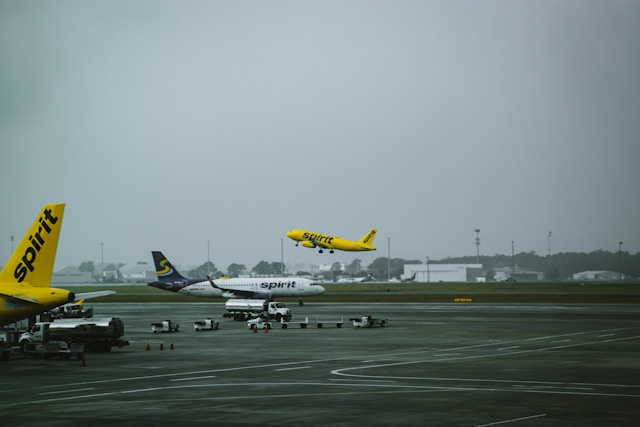
At issue is a court-approved $475 million financing facility that Spirit won in October 2025 from lenders to keep aircraft flying while it restructures. The deal allowed Spirit to tap an extra $100 million only if it met strict conditions by December 13, 2025, a date that executives at rivals publicly doubted it could meet.
- Reports said a failure to meet the condition could force an abrupt stop rather than an orderly wind-down.
- On the day the condition came due, Spirit had 428 flights scheduled, with 3,138 more listed through December 20.
- Any mass cancellation would strand families, students, and work travelers mid-journey worldwide.
Spirit’s response
Spirit has tried to calm the market. A spokeswoman said:
“There is no truth to any rumors that we are preparing to cease operations. It is business as usual at Spirit, and flights continue to operate normally.”
She added that talks with DIP providers and other stakeholders had been “productive.”
- In bankruptcy, DIP money is the cash a company borrows after filing, with court approval, to pay workers and vendors while it seeks a deal with creditors.
- If lenders stop funding, airlines can run out of cash quickly because fuel, airport fees, and leases come due daily during peak travel.
Bankruptcy background and recent actions
The latest turbulence sits inside the broader Spirit Airlines bankruptcy, its second Chapter 11 filing in less than two years.
- Filing date: August 29, 2025
- Court: U.S. Bankruptcy Court for the Southern District of New York
- Case: 25-11897
- The refiling followed a 2024 restructuring and the collapse of Spirit’s proposed merger with JetBlue.
- Since then, the carrier has shrunk its fleet, cut routes, and furloughed staff, leaving fewer backup aircraft to cover disruptions.
- Judge Sean Lane is expected to review key labor and financing requests as the airline tries to keep operating.
Labor concessions and projected savings
Labor groups have already agreed to painful concessions aimed at keeping planes in the air.
- Pilots (ALPA):
- About 3,100 members
- Ratified an 8% hourly pay cut and reduced retirement contributions
- Spirit put the savings at $85 million annually
- Flight attendants (AFA):
- About 5,300 members
- Approved cuts Spirit estimated at $15 million annually
- Combined, Spirit said the deals save $100 million a year, but they still need approval from Judge Lane.
- The agreements are set to take effect January 1; pay and benefits would restore by July 1, 2029 if the airline survives.
Recent financial performance (selected months)
A simple table clarifies the losses and revenue trends cited in filings:
| Month | Revenue | Net Loss | Margin |
|---|---|---|---|
| October 2025 | $265 million | -$96 million | -35.6% |
| September 2025 | $251 million | -$133 million | -51.9% |
- Even with some improvement, a business burning cash has little room for a missed funding draw.
- Competitors have reportedly prepared “rescue fares” for passengers who might be stranded if Spirit cancels flights during peak holiday travel.
Practical consequences for travelers and immigrants
For many travelers the fallout can be more than inconvenience — it can intersect with fixed legal and personal timelines.
- A sudden service stoppage can disrupt:
- School start dates for students
- Workers needing to return to jobs
- Weddings and family reunions
- Consular visa interviews and other appointments that took months to schedule
- Planned “last entry” attempts before visas expire
- Visa and immigration implications:
- In the U.S., visitors and temporary workers are admitted for a period set by Customs and Border Protection; overstaying can cause future visa trouble.
- If delays force a traveler to miss a departure deadline, they may need to document why they could not leave on time.
- Important practical form references:
- The arrival-departure record is Form I-94.
- If it is lost or needs correction, U.S. Citizenship and Immigration Services accepts Form I-102, available on the official government page here.
What happens next in court and with DIP funding
Inside the bankruptcy court, the next steps may come quickly.
- DIP facilities often contain milestones that require companies to:
- Hit cash targets
- File restructuring plans
- Win approvals by set dates
- Missing a milestone can give lenders the right to cut off funding.
- Spirit’s October financing package, approved by the court, was designed to prevent liquidation while the airline sought to reset costs and convince creditors it can survive.
- With the $100 million draw in doubt after the December 13, 2025 trigger, the immediate question is whether Spirit can:
- Negotiate waivers, or
- Secure new terms fast enough to avoid canceling flights in the coming days.
How travelers are adjusting
Travel advisers and passengers are already changing plans in response to uncertainty.
- Common traveler actions:
- Booking refundable tickets
- Keeping copies of itineraries
- Checking airport screens more frequently
- Lining up backup routes on other carriers
- Caveats:
- Refund rules exist, but disputes can leave travelers short of cash abroad.
- For immigrants, students, and visiting relatives, a missed flight can mean a missed start date, lost wages, or weeks apart from family.
Key takeaways
The outcome of court updates in Case 25-11897, and any waiver of the DIP trigger, will shape whether Spirit keeps flying into Christmas week. Travelers with imminent travel plans should monitor official court filings, airline statements, and flight-status screens closely, and consider refundable or backup arrangements where possible.
Court filings and developments in the bankruptcy case will determine whether Spirit secures the financing it needs to operate through the holidays or must scale back flights, with significant consequences for passengers, particularly immigrants and others with fixed legal or personal commitments.
Spirit Airlines missed a December 13, 2025 DIP financing condition tied to an extra $100 million draw from a court-approved $475 million package. The missed milestone heightened concerns about abrupt cancellations during the holiday period despite Spirit’s statement that flights operated normally on December 14. The airline has cut routes, reduced fleet size, and negotiated labor concessions estimated to save $100 million annually. Court rulings on financing waivers and labor approvals will determine near-term operations and passenger impacts.
Live Government Data
State Dept • CBPBusiest Border Crossings
- Otay Mesa 190 min
- San Ysidro 155 min
- Nogales 150 min