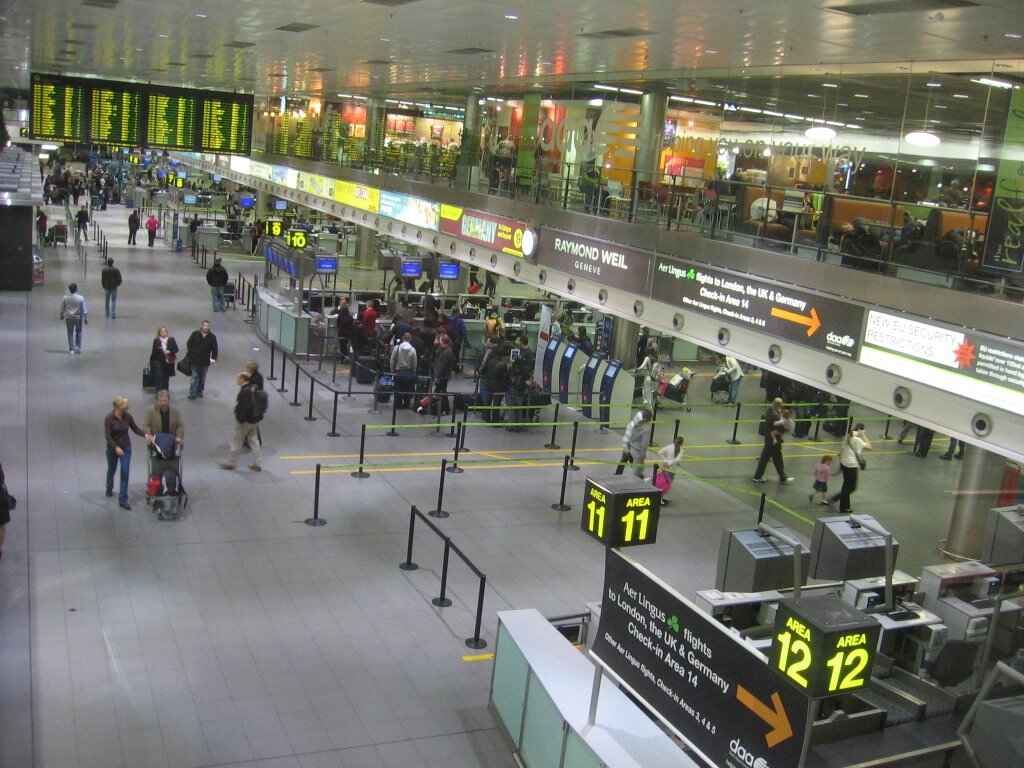
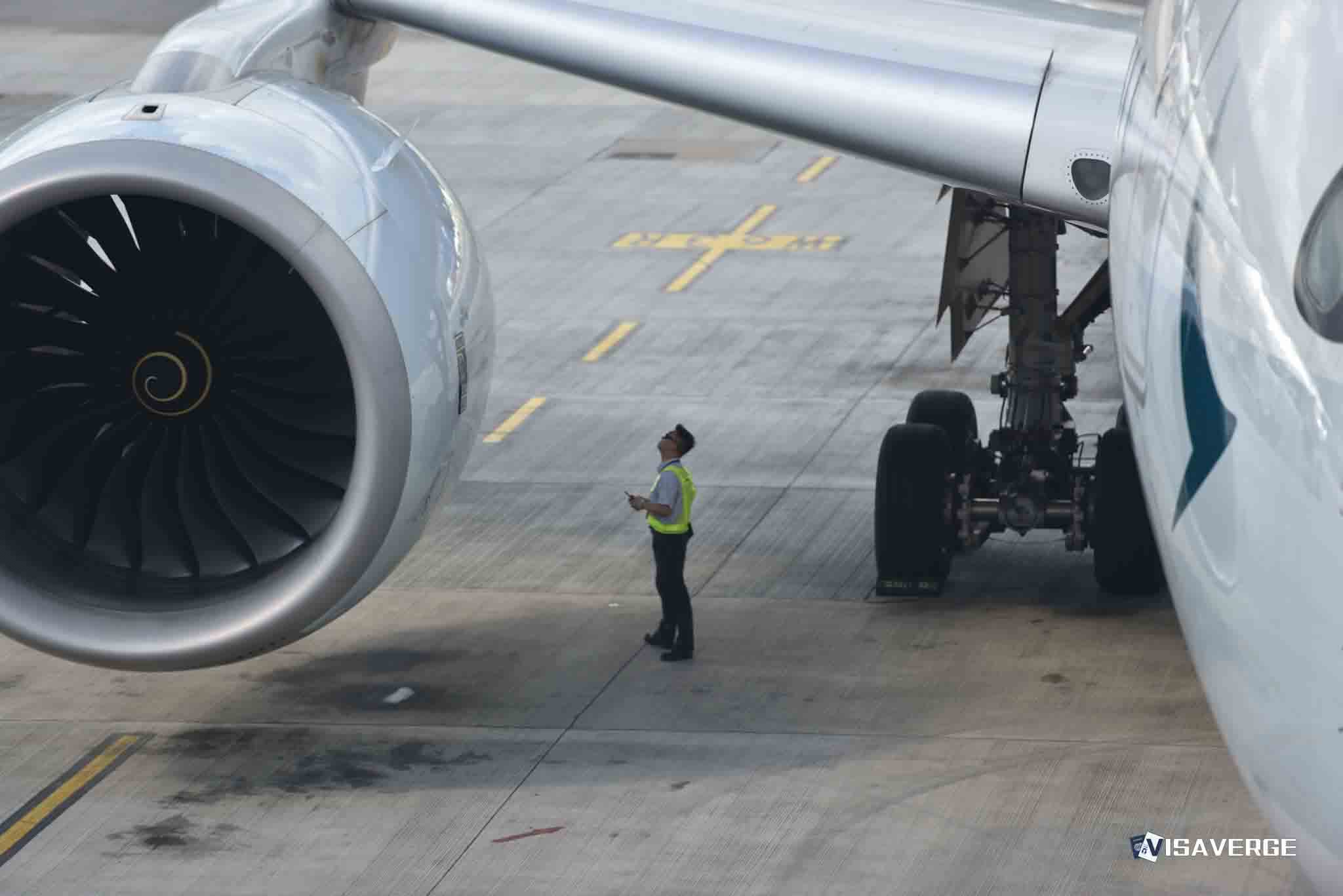
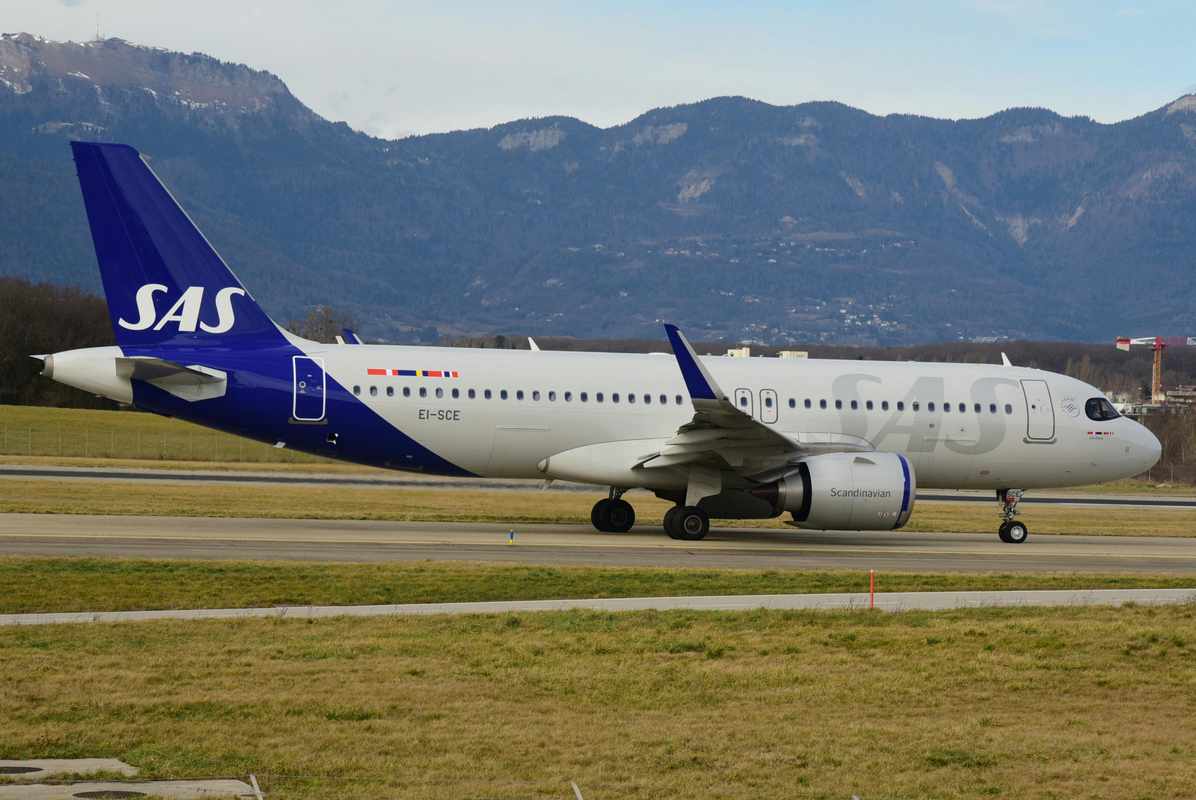
Spirit Airlines has dropped plans to furlough up to 365 pilots in early 2026 after an unexpected exodus of flight crew made the cuts unnecessary, a dramatic shift that underscores how quickly confidence in the carrier has eroded during its prolonged financial crisis and Chapter 11 restructuring. The move spares hundreds of jobs that had been scheduled to disappear, but it also confirms that large numbers of pilots have already voted with their feet and left the airline.
Background: original furlough plan and context
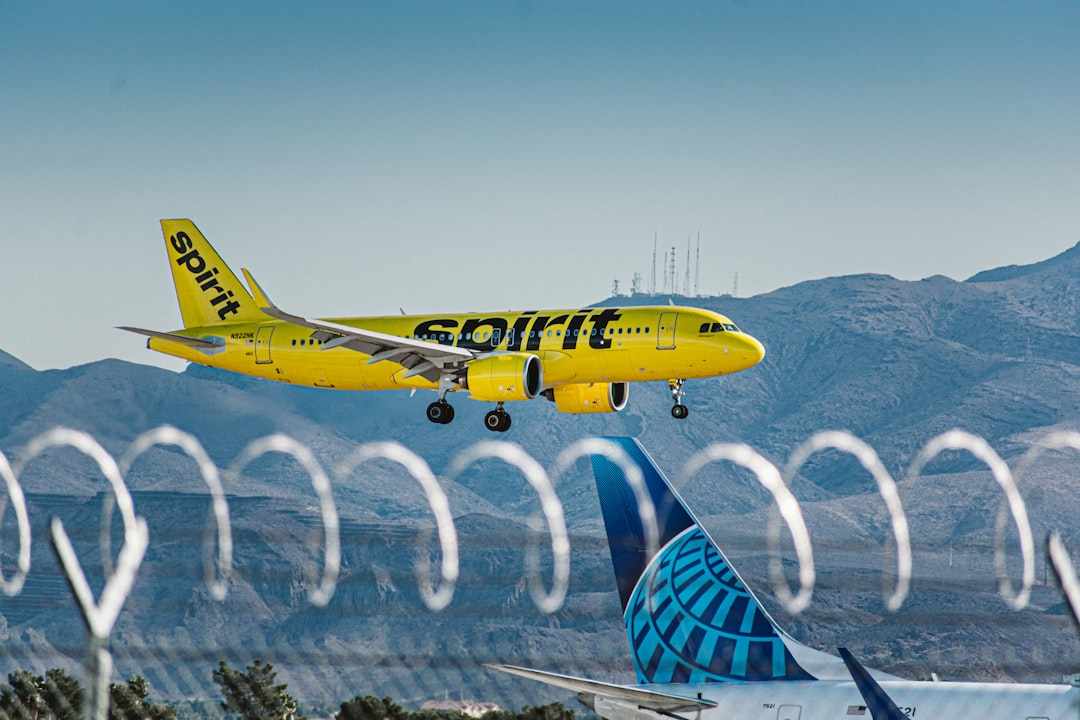
The original furlough announcement came in September 2025, when Spirit told employees it expected to send as many as 365 pilots home without pay and downgrade about 170 captains in 2026. At the time, management framed the step as unavoidable, citing deep losses, a shrinking route network, and the need to trim staffing to match a smaller airline emerging from bankruptcy.
For many pilots — especially those supporting families or holding temporary work visas in the 🇺🇸 United States aviation market — the word “furlough” triggered immediate fear.
What changed: attrition, not forced furloughs
By December 2025, the situation had flipped. According to the Air Line Pilots Association (ALPA), so many Spirit pilots had taken jobs at other carriers that the airline no longer needed to impose mandatory unpaid leaves. Union leaders told members that attrition alone had already reduced the active roster to the level Spirit wanted.
Instead of a mass furlough, the company will now:
- Downgrade about 25 captains to first officer roles
- Shrink its Las Vegas pilot base, shifting some crew to Fort Lauderdale or Newark
Prior cuts and the push factors for leaving
Earlier in 2025, Spirit:
- Furloughed more than 500 pilots in separate rounds
- Prepared another 270 furloughs with about 140 captain demotions later that year
Those earlier cuts, combined with uncertainty around the merger collapse and bankruptcy, created a strong push factor. Many experienced captains and first officers left for larger U.S. and foreign airlines, taking with them years of training and, in some cases, the right to work under employer-sponsored visas.
Cost-cutting measures that encouraged departures
To cut costs during restructuring, Spirit implemented measures that further encouraged crew to look elsewhere:
- 8% hourly pay cuts
- 401(k) retirement contributions reduced from 16% to 8%
For pilots who had entered the country on employment-based visas, any hint of furlough posed extra risk. A prolonged loss of employment can threaten visa status, especially if a worker can’t quickly secure a new sponsor. While Spirit has not detailed how many of its pilots hold non‑U.S. passports or rely on work authorization, immigration lawyers say this kind of turmoil usually hits foreign workers first.
Labor market dynamics and visa implications
Spirit’s decision to rely on natural attrition rather than forced furloughs also reflects a broader shift in the pilot labor market after the pandemic. U.S. airlines aggressively hired to meet surging travel demand, offering bonuses and better schedules to attract experienced crew. As a result, pilots at troubled carriers like Spirit suddenly found they had options.
- VisaVerge.com reports that, in tight labor markets, even noncitizen pilots with the right credentials sometimes see faster sponsorship or green card support if they move to stronger airlines that plan long-term growth rather than survival.
The Spirit episode highlights the uneasy link between airline staffing and immigration policy. While most commercial pilots flying for major U.S. carriers are U.S. citizens or permanent residents, some airlines — especially in cargo, charter, or niche markets — have turned to foreign-trained pilots when local supply tightened.
Those workers must hold the same licenses and medical clearances as domestic pilots, but they also move through complex immigration channels, from temporary work classifications to immigrant petitions that can lead to a green card. Official guidance on employment-based options is outlined on the U.S. government site for working in the United States.
How furlough signals accelerate attrition for foreign pilots
When an airline like Spirit signals looming furloughs, foreign pilots often have less room to wait and see than their U.S. colleagues. If they lose their job and cannot quickly transfer their sponsorship to another airline, they may face a countdown to leaving the country.
That pressure can speed up attrition, as people race to secure more stable roles at airlines seen as financially healthier. In practice, this means immigration status and job security are tied closely together in a way that many U.S.-born pilots never have to consider.
Long-term risks for Spirit: losing institutional knowledge
Pilot unions have long warned that using furlough as a cost-cutting tool can backfire, especially when other airlines are hiring. Once experienced captains leave, they are hard to replace.
- Training a new pilot to airline standards takes years.
- Moving someone from first officer to captain requires hundreds or thousands of flight hours plus simulator checks and line training.
If Spirit’s restructuring succeeds and demand rebounds faster than expected, the carrier may discover it has too few qualified pilots, losing market share to rivals that kept crews on staff and maintained training pipelines.
Operational and personal impacts of base changes
At the same time, Spirit’s management faces pressure from creditors to shrink and cut expenses wherever possible. Cancelling the large furlough may spare the airline a public relations disaster and protect some operational flexibility, but it does not change the fact that the company is flying fewer aircraft and serving fewer routes than before.
For immigrant families — especially those where a Spirit pilot’s income supports relatives abroad as well as dependents in the United States — each shift in schedule, base, or rank can have ripple effects across borders.
The reduction of the Las Vegas base, along with transfers to Fort Lauderdale and Newark, will also reshape where pilots and their families live and work. Some outcomes include:
- Families relocating to follow the job
- Pilots commuter-flying from their current homes, adding stress
- For non‑U.S. citizens, base changes complicating state residency, tax, and naturalization planning
These changes can affect everything from school choices for children to access to local legal support.
The core lesson: when financial turbulence combines with aggressive cost-cutting and threats of furlough, pilots with options will often leave first — and those whose right to remain in the country depends on their job may leave fastest.
Current status and broader industry lesson
For now, Spirit’s pilots know that the feared 2026 furlough has been called off, but many have already left and others are likely still looking over their shoulders. The airline’s struggle offers a sharp lesson for carriers across the industry: financial distress plus threats of furlough can quickly drain experienced crews, and rebuilding that expertise is costly and time-consuming.
Spirit Airlines called off planned 2026 pilot furloughs after voluntary departures reduced staffing to target levels. Earlier cuts in 2025 included furloughs of over 500 pilots and pay and retirement benefit reductions. The company will downgrade around 25 captains and shrink its Las Vegas pilot base, relocating some crew to Fort Lauderdale and Newark. Attrition drained experienced talent, raising long-term training and operational risks for the carrier as it restructures under Chapter 11.
Live Government Data
State Dept • CBPBusiest Border Crossings
- Brownsville 120 min
- Nogales 120 min
- Nogales 120 min