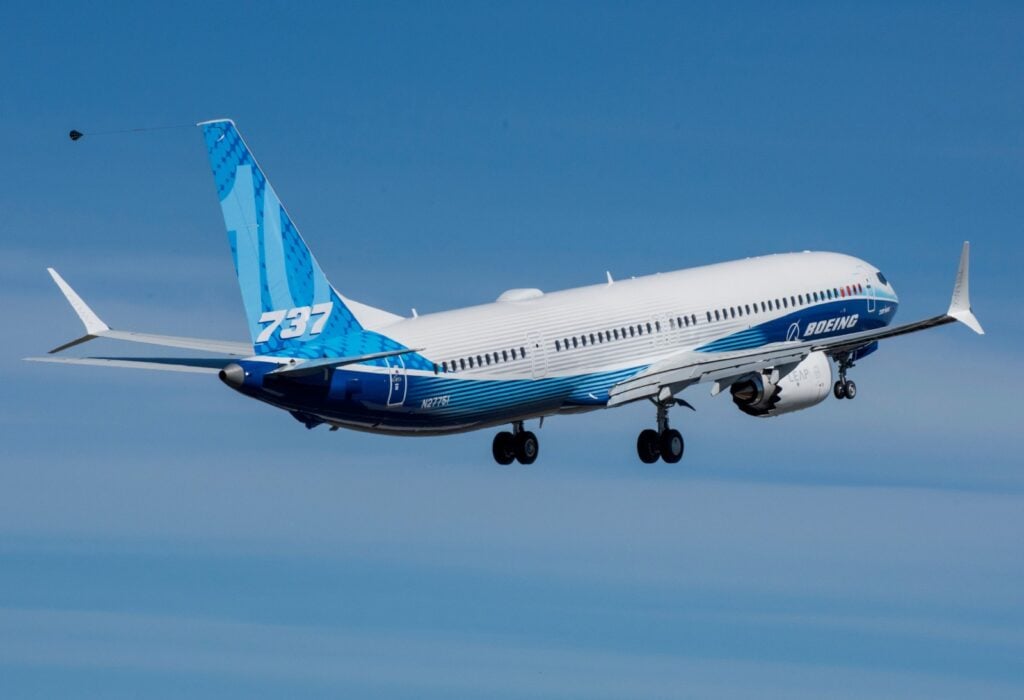
On July 24, 2025, Swiss International Air Lines (SWISS) became the first airline to use solar jet fuel in regular flights, marking a major step for sustainable aviation. The Solar jet fuel, made by Swiss company Synhelion, was added to SWISS’s flights from Hamburg to Zurich, covering about 7% of the fuel needed for that journey. This move shows that solar jet fuel can work with current airport systems and could help reduce the aviation industry’s carbon footprint.
The solar jet fuel came from Synhelion’s DAWN plant in Jülich, Germany. This plant, running since late summer 2024, uses solar heat to turn carbon dioxide and water into syngas, which is then made into synthetic crude oil and refined into Jet-A-1 fuel. The first batch delivered to SWISS was 190 liters, a small but important start. According to analysis by VisaVerge.com, this event proves that solar jet fuel can be used in real-world flights and could help the industry move away from fossil fuels.

Jens Fehlinger, CEO of SWISS, said the airline is proud to lead in using new technology for a cleaner future. Philipp Furler, Synhelion’s co-founder, called the milestone a real step toward making solar jet fuel available worldwide. The Lufthansa Group, which owns SWISS, supports these efforts and wants to help scale up sustainable aviation fuel (SAF) use.
Solar jet fuel is certified as Jet-A-1, meaning it meets all safety and quality standards for use in planes. This makes it easy to add to existing airport and refinery systems. The International Air Transport Association (IATA) expects SAF production, including solar jet fuel, to reach 2.7 billion liters in 2025. However, this is still less than 1% of the world’s jet fuel needs. The International Civil Aviation Organization (ICAO) has set goals for SAF to help cut aviation’s carbon emissions by 5% by 2030 and reach net-zero by 2050.
The DAWN plant can make several thousand liters of solar fuel each year. Solar energy heats the plant’s reactors to over 1,200°C, driving the chemical reactions needed to create fuel. Solar jet fuel can cut carbon emissions by up to 100% if captured carbon is used, and it also reduces other pollutants like soot and sulfur.
Right now, solar jet fuel costs more than regular jet fuel—about 2 to 10 times as much. Production is still small, so ticket prices may go up until more fuel is made. Still, airlines, airports, and refineries can use solar jet fuel with little change to their systems.
Synhelion plans to build a larger plant in Spain and expand production. Pilatus Aircraft, another partner, wants to use solar jet fuel for its own planes soon. Governments are also pushing for more SAF use, with the United States ?? aiming for 3 billion gallons by 2030. For more on sustainable aviation fuel policies, visit the U.S. Department of Energy SAF page.
This first use of solar jet fuel by SWISS and Synhelion shows that cleaner air travel is possible, setting the stage for bigger changes in the years ahead.
Learn Today
Solar jet fuel → Synthetic aviation fuel made using solar energy, reducing carbon emissions compared to fossil fuels.
DAWN plant → Synhelion’s facility in Germany converting CO2 and water into synthetic crude oil using solar heat.
Jet-A-1 → A standard jet fuel type certified for safety and quality in commercial aviation worldwide.
Sustainable Aviation Fuel (SAF) → Alternative jet fuels that lower environmental impact, including solar and biofuels.
Syngas → A synthesis gas mixture of carbon monoxide and hydrogen used as intermediate to produce synthetic fuels.
This Article in a Nutshell
SWISS pioneered solar jet fuel use on July 24, 2025, marking a breakthrough in sustainable aviation. Synhelion’s solar-powered plant creates Jet-A-1 fuel that can replace fossil fuel, cutting emissions significantly. Despite higher cost, this innovation offers a practical path toward eco-friendly flights, supported by major airlines and governments worldwide.
— By VisaVerge.com