- Fourteen UN experts warn of systematic abuse affecting over seven thousand four hundred people at the Tunisia-Libya border.
- Survivors reported being beaten, stripped of documents, and sold into trafficking networks for forced labor and ransom.
- The experts demand independent and impartial investigations into alleged crimes committed by security forces and non-state actors.
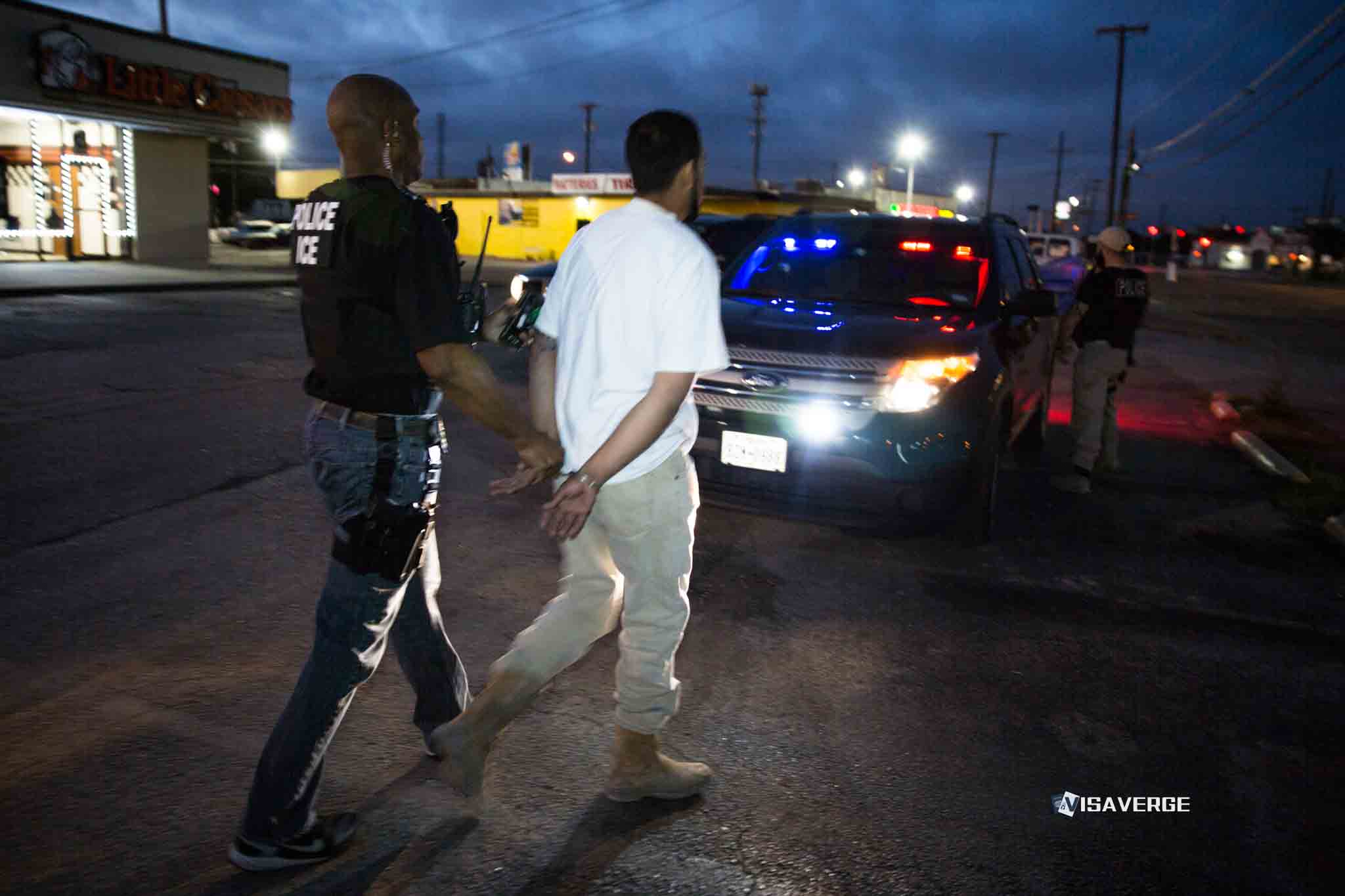
Fourteen UN human rights experts voiced deep alarm on July 16 over a system affecting at least 7,400 people at the Tunisia-Libya border since June 2023, alleging that Tunisian security forces worked alongside Libyan state and non-state actors.
The victims, mainly from sub-Saharan Africa, include men, women, pregnant women, families and unaccompanied children. The experts described a pattern involving detention, abuse, collective expulsions and trafficking.
"We are deeply alarmed by information received describing a system of arbitrary detention, abuse, collective expulsions and trafficking of migrants, refugees & asylum seekers from #Tunisia to #Libya, with the involvement of Tunisian security forces"
The statement came from 14 independent UN Special Procedures experts serving under the UN Human Rights Council. They urged Tunisia and Libya to open prompt, independent and impartial investigations.
The experts also called for accountability, access to justice, protection and effective remedies for victims. Their allegations cover conduct by security forces as well as other state and non-state actors in Libya.
Survivors describe beatings, electric shocks and missing documents
Testimonies collected by the experts describe migrants being beaten and stripped of phones and identity documents. Detainees said guards denied them food and medical care.
The reported torture methods included electric shock weapons, iron rods, dogs and threats with firearms. Women faced sexual violence, while men suffered severe physical assaults.
Torture in detention has reportedly caused deaths and enforced disappearances. The experts also cited reports suggesting that mass graves may lie near military installations in Libya, a claim requiring independent verification.
The alleged abuse did not stop at detention centers. Migrants were reportedly moved between official facilities and private locations, where traffickers sold them repeatedly.
| Reported form of exploitation | How migrants were treated |
|---|---|
| Forced labor | People were trafficked as commodities and sold for work. |
| Sexual exploitation | Women and other victims faced sexual abuse. |
| Sexual slavery | Traffickers moved people between locations for exploitation. |
| Ransom | Migrants were transferred or resold for payments. |
The organized system allegedly exchanged migrants for money, fuel, drugs or other payments. Victims were treated as commodities rather than people seeking safety, according to the experts.
Interceptions at sea can end in the desert or Libyan trafficking networks
Survivors told human rights investigators that the Tunisian National Guard intercepted them at sea before unlawful collective expulsions. Some were abandoned in the desert; others were trafficked into Libya.
One Cameroonian migrant woman described the moment her journey changed:
"My problems began when the [Tunisian] National Guard intercepted us on the water; that's when I was struck by the reality of the journey"
The first quarter of 2026 brought 765 migrant deaths, according to the International Organization for Migration. The period ranked among the deadliest first quarters since 2014 for people departing Tunisia and Libya.
The deaths add a lethal maritime dimension to the abuses described on land. Interceptions, desert expulsions and trafficking formed part of the route survivors recounted.
Rights groups tie the abuses to EU-backed border controls
Amnesty International and Human Rights Watch have linked the reported abuses to the EU-Tunisia Memorandum of Understanding signed on July 16, 2023. The agreement pledged €105 million ($120.19 million) to Tunisia to stop migrant boats.
Critics say the funding strengthened border controls without adequate human rights safeguards. Heba Morayef, Amnesty International’s Regional Director for the Middle East and North Africa, said the European Union ignored documented violations when it signed the agreement.
"Despite well-documented evidence of human rights violations against refugees and migrants in Tunisia, the EU looked the other way and signed the MoU without effective human rights safeguards"
The rights groups’ criticism centers on the arrangement’s enforcement model. Tunisian authorities received support to prevent departures, while migrants intercepted at sea could face removal, abandonment or transfer into abusive networks.
The UN experts’ demands now place responsibility on both governments. They called for investigations that are independent and impartial, not merely administrative reviews by the forces accused of involvement.
The requested remedies include justice and protection for survivors, alongside accountability for those who ordered, carried out or enabled the abuses. The allegations span the border, detention sites, private trafficking locations and the sea route between Tunisia and Libya.