(UNITED STATES) Flight cancellations escalated sharply in early November 2025 as the Federal Aviation Administration began phased flight reductions at high-volume airports, pushing travelers across the United States toward trains, cars, and any route that could still get them home or to work. The cuts started at 4% on November 7 and are set to rise to 10% by November 14, a shift linked to air traffic controller staffing shortages during a prolonged government shutdown.
Airlines warned customers to expect continued disruption, and the ripple effects showed up almost immediately on highways, train platforms, and in rental car lots as people searched for alternative transportation.
Flight reliability and immediate impacts
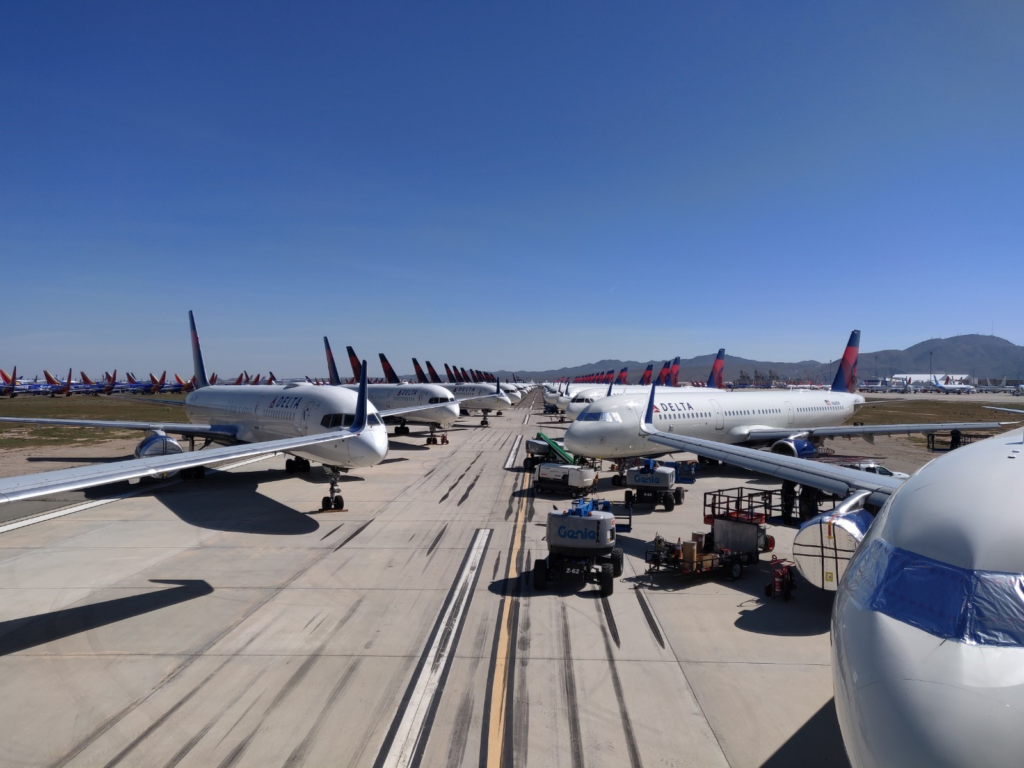
By midweek, national flight reliability had deteriorated to levels that frustrated even seasoned flyers. Several major U.S. airlines reported cancellation rates between 3% and 10%, paired with delay rates from 17% to 32% on November 7–8, making it hard to predict whether a booked seat would actually leave the gate.
Free toolB1/B2 Tourist Visa Stay Calculator onlineThe pattern grew more severe heading into the weekend. On November 9 alone, more than 2,700 flights were canceled, creating a fresh backlog of stranded passengers and reshuffled schedules. The pressure on the system was visible in the numbers:
- National cancellation rates in 2025 have risen about 29% over summer 2024 levels.
- Overall cancellation rates hovered around 1.5% to 1.8% (depending on data source).
- Delay rates around 27% with average delays near 62 minutes.
FAA reductions and scope
Air traffic reductions rolled out in stages at 40 of the country’s busiest airports, according to officials, to manage fewer available controllers during the shutdown. The planned reductions are expected to impact up to 20% of scheduled flights in some markets once the cuts peak.
Airlines attempted operational remedies—consolidating routes and swapping aircraft where possible—but the rolling disruption forced travelers to rethink plans in real time. With cancellations piling up, many people decided not to wait in long rebooking lines and turned instead to trains and cars.
Ground alternatives: rental cars, drives, and rerouting
The shift from air to ground was most evident on the ground:
- Rental car companies reported sudden demand swings as travelers chose to drive, sometimes across multiple states, when a connection vanished.
- Avis, Hertz, and Turo each saw strong demand for one-way rentals. Hertz noted more than a 20% increase in reservations in recent days.
- Airport agents described a pattern: a cluster of cancellations would hit the boards, and within minutes one-way inventory along key corridors would tighten.
Industry trackers pointed to clear rental car spikes as a telltale sign that the air travel network was struggling to absorb schedule cuts and keep people moving.
Rerouting tactics travelers used
Many travelers adopted creative workarounds:
- Rebook to an alternate airport with available capacity and drive the final leg.
- Book a two-hop flight that gets them closer, then rent a car to finish the trip.
- Choose morning flights (hoping for fewer disruptions) and place backup holds on trains or rental cars.
One reported example: a passenger rerouted through Miami to Indianapolis and then drove two hours home rather than wait for a rebooked connection.
Trains, buses, and the flexible ground network
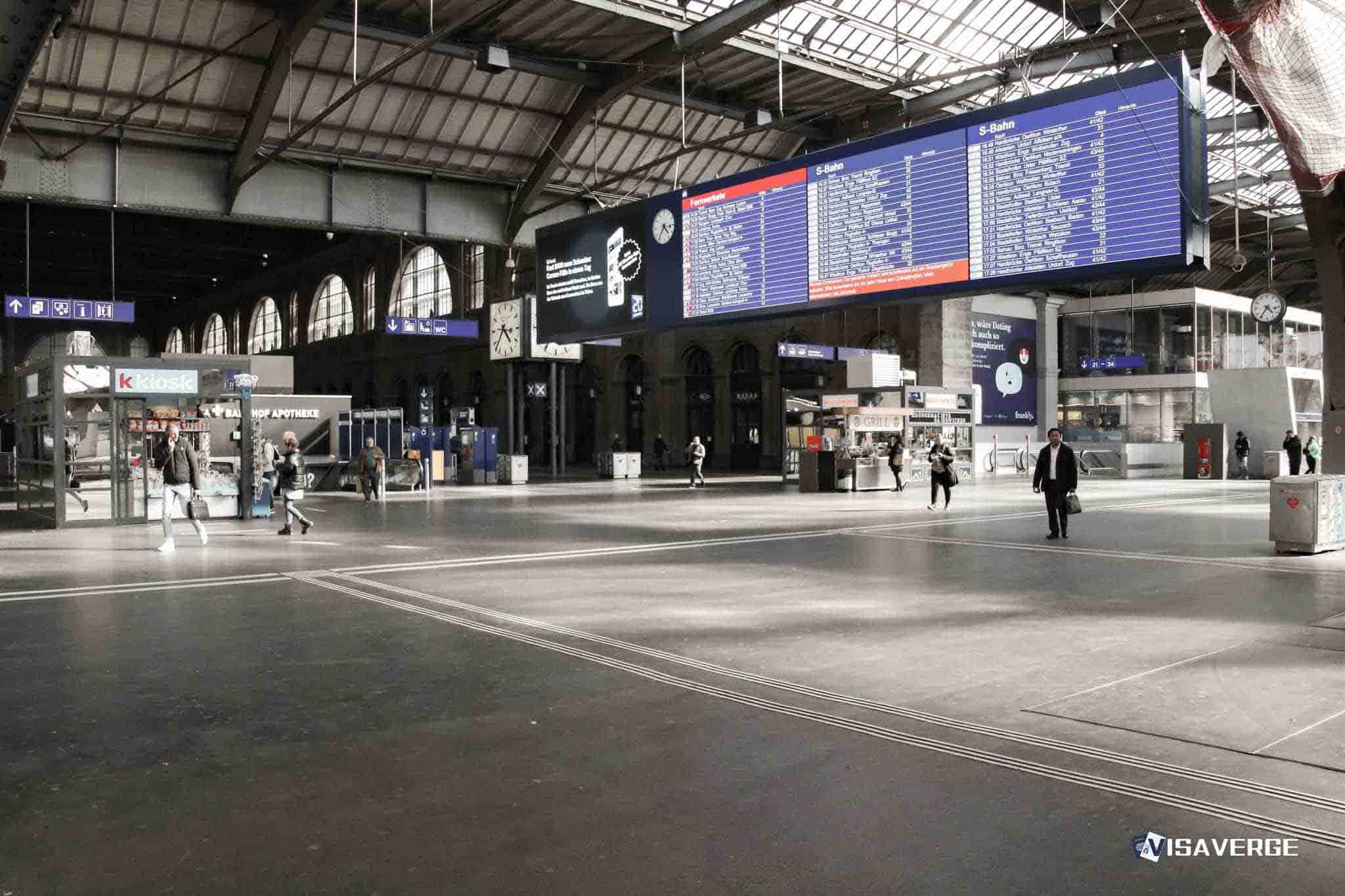
Rail lines and regional buses also absorbed passengers who had not planned to ride:
- People lined up for same-day train tickets, especially in corridors with high-frequency service.
- Regional buses picked up passengers on key routes where trains were not available.
- Carpooling and rideshares increased as friends and coworkers shared costs to reach time-sensitive events.
These travel decisions often carried personal costs: extra hotel nights, missed family time, or lost work hours when delays extended into a second day.
Who is hardest hit
The reliability gap raised particular concerns for:
- Families with limited travel budgets, who can quickly face two expensive nights on the ground.
- Hourly workers, who risk lost income if they arrive late or miss shifts.
- Students returning to campus, who may scramble for trains or couchsurf while waiting for rebooking alerts.
A missed flight can cascade into lodging, transportation, and missed obligations that compound financial and personal strain.
Industry response and operational adjustments
Airlines emphasized they were working within constraints set by reduced ATC staffing and the FAA’s phased cutbacks implemented during the government shutdown. The FAA said it is taking steps to balance safety with available staffing while trying to keep the system moving.
The public can follow official updates and current advisories on the Federal Aviation Administration website: https://www.faa.gov.
According to analysis by VisaVerge.com, the disruption shows how quickly a shortage in one part of the aviation system can cascade into broader delays and cancellations, especially when multiple high-volume airports scale back simultaneously.
Ground operators and market reactions
Companies on the ground adjusted pricing and inventory as demand shifted hour by hour:
- Car rental managers described last-minute drops of vehicles at unexpected locations and rapid cleaning turnarounds.
- Turo hosts reported faster bookings for same-day pickups.
- Traditional agencies noted spikes in one-way rentals along interstate routes connecting airports with stronger flight stability.
These ground alternatives absorbed overflow as airline operations changed on a rolling basis.
Practical tips travelers used
Many travelers adopted proactive strategies to reduce risk:
- Book earlier (morning) flights to increase the chance of completion.
- Place backup holds on train tickets or check rental inventory before arriving at the airport.
- Consider alternate airports and be prepared for a drive or rideshare to complete the trip.
For many, the decision boiled down to a simple goal: reach the destination, even if it means swapping a boarding pass for a car key and tracing the final miles by road.
Outlook
With the FAA’s phased reductions still in effect and airlines shuffling crews and aircraft, the coming week is likely to test patience for travelers in busy corridors. The data shows a system under strain: cancellation rates rising, delay times stretching, and booking patterns shifting to the ground.
For many Americans, the immediate objective is straightforward—get home or to work—often by any route that still works, whether that’s a train seat, a rental car, or a long drive.
This Article in a Nutshell
The FAA implemented phased flight reductions at 40 major U.S. airports amid controller shortages during a government shutdown, starting 4% on November 7 and rising to 10% by November 14. Airlines reported cancellation rates between 3% and 10% and delay rates of 17%–32%; more than 2,700 flights were canceled on November 9. Travelers shifted to trains, buses, and rental cars — with Hertz, Avis and Turo reporting sharp one-way reservation increases — while airlines adjusted schedules to cope.