- ICE operations in Raleigh and nationwide surged by 40% in early 2026.
- Over 73% of detainees have no criminal convictions, often held for minor infractions.
- The agency is expanding toward 100,000 detention beds across 220 different sites.
(RALEIGH, NORTH CAROLINA) — U.S. Immigration and Customs Enforcement expanded operations across Raleigh and dozens of other communities in 2026, driving a 40% surge in arrests in January alone compared to the prior year as the agency widened its focus from undocumented immigrants and visa violators to people with minor infractions such as traffic violations.

The buildup follows a 25% increase in enforcement personnel to about 12,000 officers by year’s end, part of what the Department of Homeland Security announced on January 15, 2026, as new deployments that include Raleigh, North Carolina, Florida cities and Texas hotspots, with new field offices, daily patrols in immigrant neighborhoods and workplace audits.
By February 7, 2026, ICE held 68,289 people in detention, up from 37,000 a year prior. Of those, 73.6% — 50,259 people — had no criminal convictions, often just traffic offenses or no record at all.
Expanded Enforcement and Broader Risk
The rise in arrests and detention has widened the pool of people at risk of deportation. Undocumented immigrants remain the top priority, but the 2026 priorities memo also expands discretion to cover prior removal orders, pending cases and minor issues, while some hearings have been streamlined to 30 minutes.
Visa holders who violate their terms also face faster exposure to ICE action. That includes people accused of unauthorized work, students who drop out of school and workers who switch jobs without approval, while employer audits have opened another route to detention and job loss.
Noncitizens with criminal records, including green card holders, remain exposed to removal for offenses that include DUIs, drug possession, theft, domestic violence or firearms offenses. Under the broadened criteria, old misdemeanors and minor traffic violations can also trigger action.
The enforcement surge marks the fastest growth in ICE’s footprint since 2018. It follows a $170 billion congressional enforcement package in 2025, while immigration courts are carrying a 3.4 million case backlog and only 8% of that package funds the courts.
Street arrests, once rare before 2025, now drive deportation numbers. More than 500,000 people have been removed since January 2025, while arrests of noncriminals rose sevenfold, street arrests jumped 11 times and transfers from local jails doubled since 2025.
In January 2026 alone, ICE booked 39,694 people into detention, with 36,099 coming from direct ICE arrests. Daily detention levels now hover near 70,000 across more than 220 sites, from dedicated facilities to jails and warehouses, as DHS pushes toward 100,000 beds.
Texas holds the largest number of detainees, with 18,734, followed by Louisiana with 8,244, California with 6,459, Florida with 5,231 and Georgia with 4,227. El Paso Camp East Montana averages 2,954 detainees a day.
Outside detention centers, ICE and its contractors monitor 179,991 more people through Alternatives to Detention. That total is more than 2.6 times the physical detainee population, with electronic ankle bracelets among the tools used and San Francisco leading with 20,504 people in the program.
The data show how broadly the dragnet now reaches. Only 14% of 400,000 detained in 2025 had violent convictions, even as noncitizens with criminal records remain a stated enforcement target.
Worksites, Families and Communities
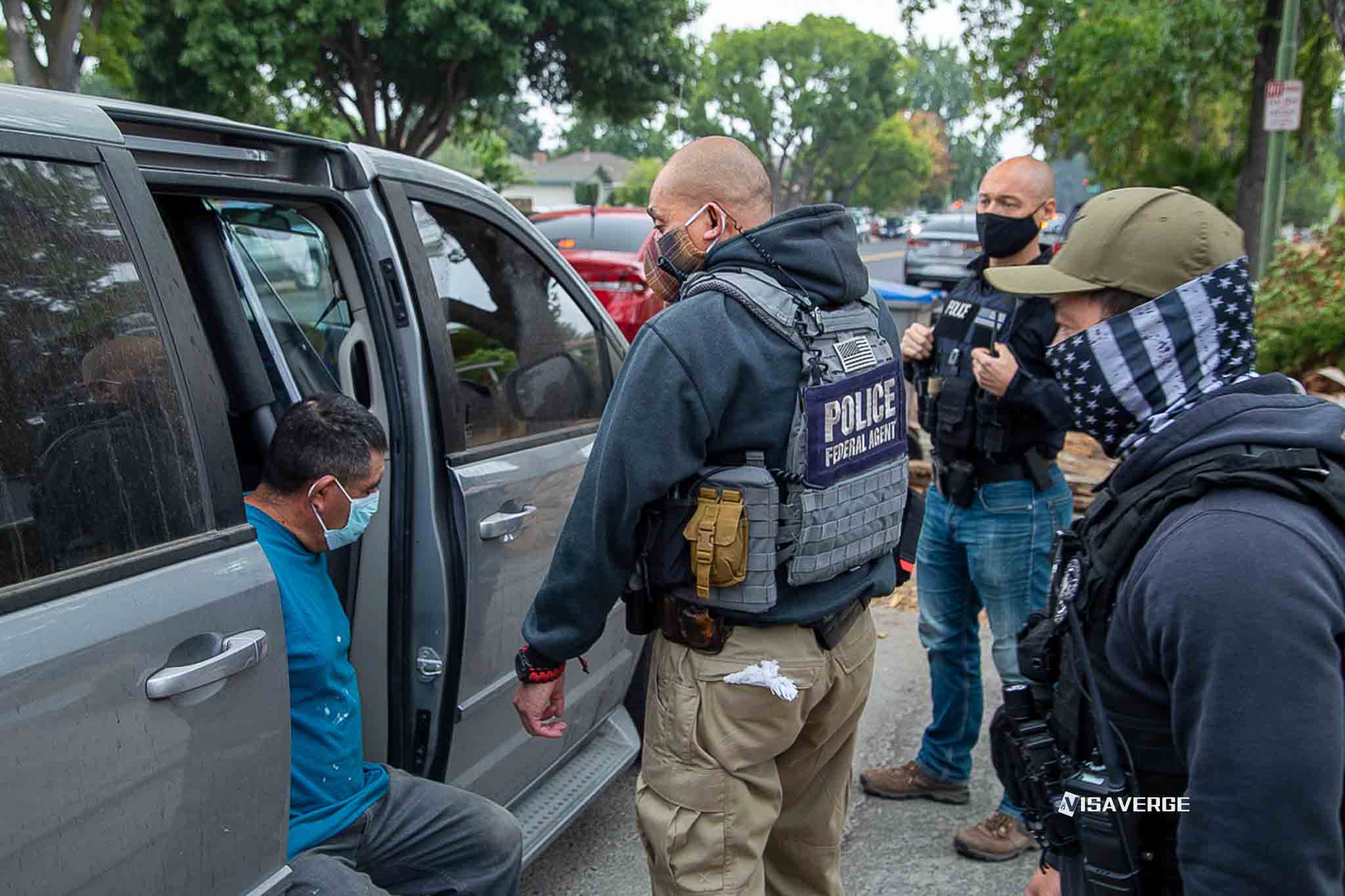
For undocumented immigrants, the danger often begins in workplaces and neighborhoods. DHS said new deployments include daily patrols in immigrant neighborhoods, while raids and inspections have spread through sectors such as agriculture, construction and food service.
Mixed-status families face added exposure because one arrest can set off effects across households with different legal statuses. About 11 million undocumented immigrants live in the United States, many of them long-term residents with U.S. families.
People with prior legal status have also been pulled into the wider crackdown. More than 1.6 million with prior legal status have been targeted since 2025 by revoking protections.
Raleigh is among the communities named in the January 15 deployment announcement, and North Carolina is a state where officials warn of labor gaps as enforcement disrupts local industries. Manufacturing plants in Raleigh were cited as a site where employer inspections led to detentions and job losses.
Arrest, Detention and Court Process
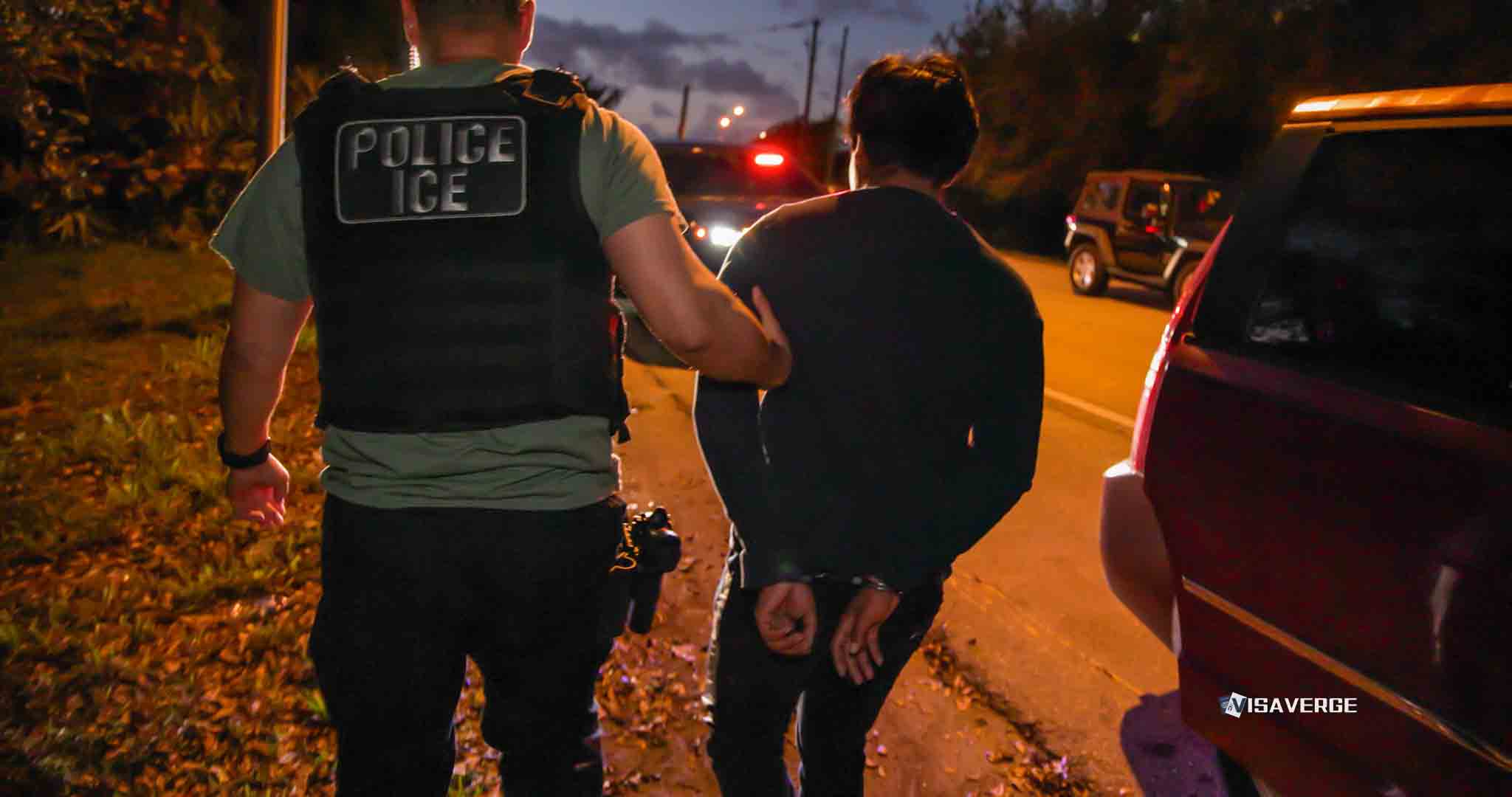
The legal line between arrest, detention and removal remains central to what happens after ICE contact. ICE can arrest without a warrant if officers have “reasonable suspicion” of deportability under INA Section 287.
After arrest, detention is mandatory for many under INA Section 238 and discretionary for others. More than 20,000 lawsuits challenge bond denials, reflecting how detention itself has become a battleground as interior enforcement numbers have tripled.
Conditions inside detention have drawn mounting scrutiny. Thirty-two people died in detention in 2025, the highest level in two decades, and 7 more died in January 2026, including one homicide.
It also says 3 U.S. citizens were killed by officers, while overcrowding and abuse reports spread as ICE pressed detention levels higher. Those strains have come as DHS moves toward 100,000 beds and uses warehouses and jails alongside dedicated facilities.
Removal proceedings then move to immigration court, where a judge decides deportability. The backlog now stands at 3.4–3.6 million cases, and President Trump fired about 100 judges in 2025 while hiring “deportation judges.”
For immigrants facing the process, the compressed pace can leave little room to prepare defenses such as asylum claims. Hearings in some areas now last 30 minutes.
The pressure has reached groups not often highlighted in political debates. From January 2025 to February 16, 2026, 363 pregnant, postpartum, or nursing individuals were deported.
Mexico and Northern Central America — El Salvador, Guatemala and Honduras — accounted for 87% of fiscal 2021 through 2024 interior removals, with Mexicans alone making up 63%, a pattern continuing amid high migration flows. Those figures help explain which communities often bear the brunt of interior enforcement.
Public Opinion, Politics and Legal Challenges
Public opinion has also shifted as detention and deportation numbers climbed. Sixty-five percent of Americans say ICE has “gone too far,” up from 54% in mid-2025, while other polling cited there shows 60–65% disapproval.
The White House has defended the broader push by pointing to lower crime and housing costs in places including Washington, where murders were down 60%, and in Chicago. At the same time, Brookings found no wage boosts, while metro growth could be at risk.
Court fights are building alongside the enforcement surge. In January 2026, the Fourth Circuit’s Garcia v. U.S. upheld workplace inspections but stressed due process, and states have also sued over the constitutionality of the new approach.
What Immigrants Are Told to Do
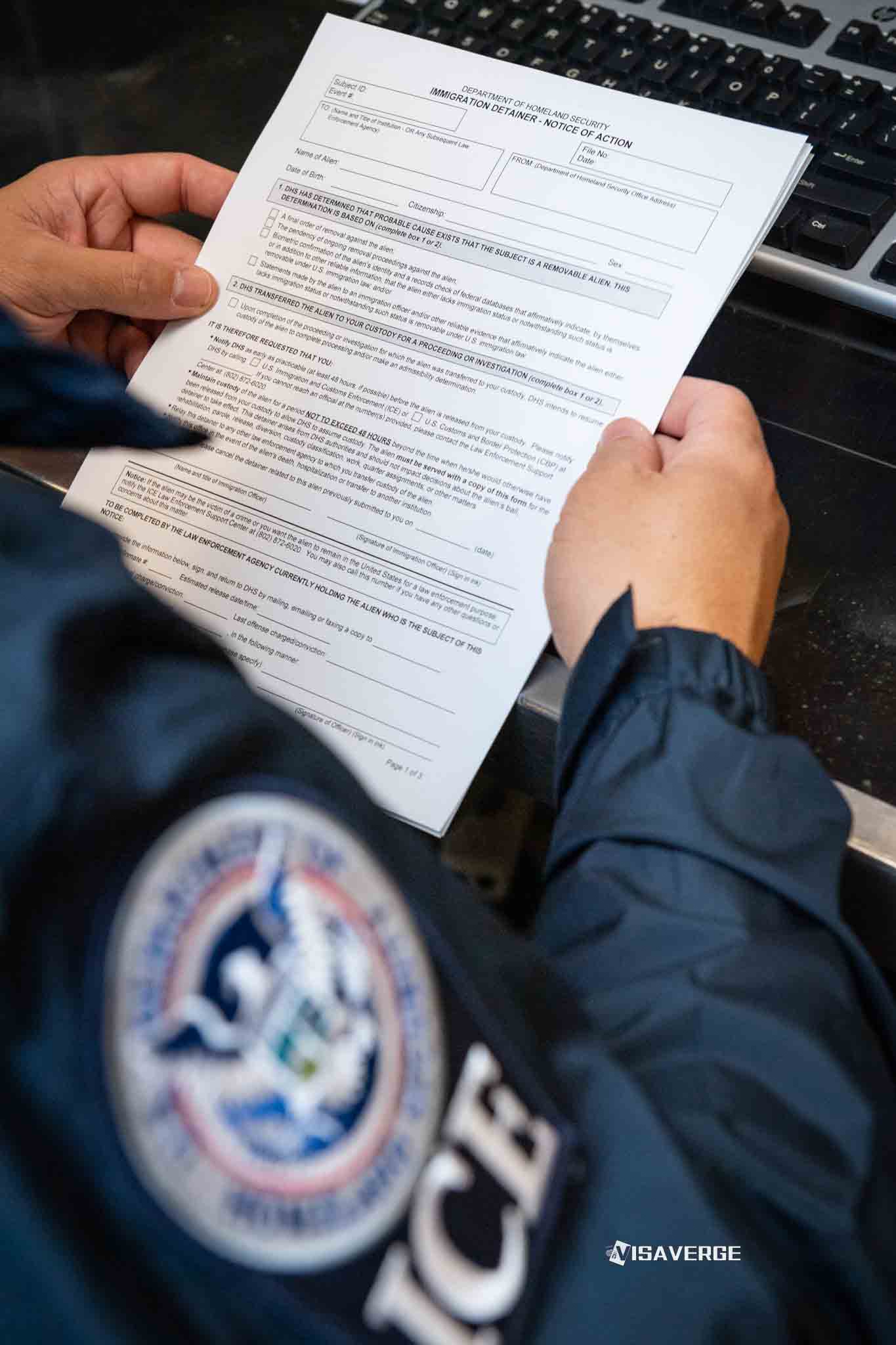
For immigrants approached by ICE, the guidance is direct. Officers cannot enter homes without a judicial warrant, and people can demand to see it rather than rely on an administrative document such as an “Order of Supervision.”
It also advises immigrants to remain silent, avoid signing forms and tell officers, “I want to speak to a lawyer.” At work, families and employees are urged to verify documents carefully and line up legal help quickly.
Groups offering legal assistance, including Legal Aid Society and Catholic Charities, are listed among low-cost or free options. It also points readers to AILA.org’s directory and says “Know Your Rights” workshops have surged in expansion areas.
For households with children, the practical burden can spread faster than the legal case. Families are advised to designate a U.S. citizen contact for children and school matters, and to prepare powers of attorney in mixed-status homes.
The broader effect reaches beyond those arrested. Families avoid schools and parks, labor shortages deepen in sectors that depend on immigrant workers, and communities adjust to daily patrols and workplace audits.
Predictive analytics and biometrics now speed targeting, a shift that has raised fears of misidentification. At the same time, transfers from local jails have doubled since 2025, bringing local police contact more directly into the deportation system.
For many noncitizens, a minor stop can now carry far more weight than before. Critics say small offenses can set off a chain from arrest to detention to removal, separating families in the process.
That wider net is visible in the numbers. By February 7, 2026, more than seven in 10 people in ICE detention had no criminal convictions, even as the government framed the campaign around public safety and immigration violations.
As patrols continue through August 2026, longtime residents, visa families and people with minor offenses now share higher risks alongside undocumented immigrants who have long stood at the center of interior enforcement. In Raleigh and across the country, that means ICE’s 2026 expansion has turned routine traffic stops, workplace audits and neighborhood patrols into the front line of deportation.