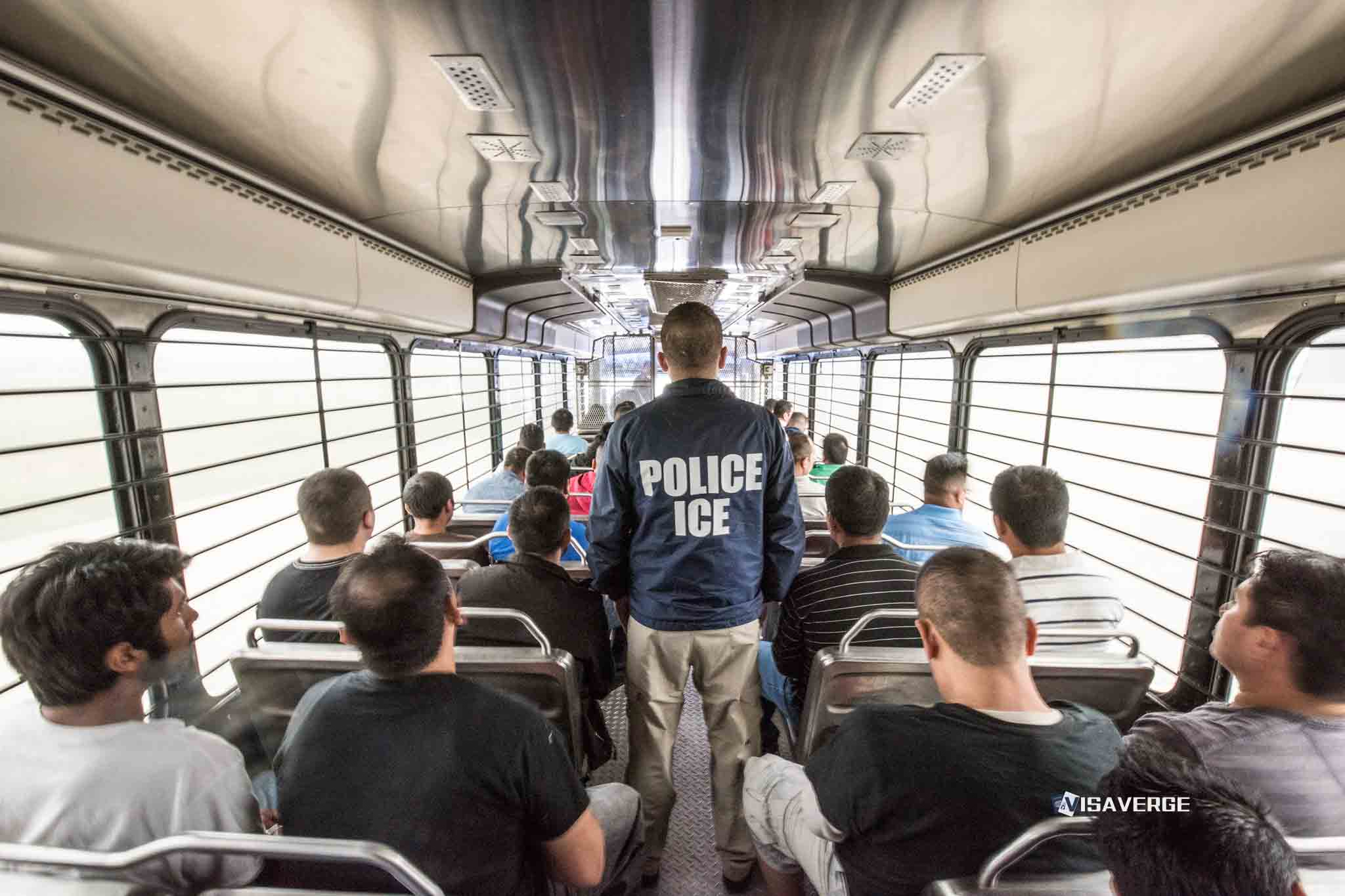
Key Takeaways
- The Red Card, created by ILRC, helps undocumented immigrants assert constitutional rights during interactions with law enforcement or ICE.
- It educates individuals on Fifth and Fourth Amendment protections, emphasizing the right to silence and protection from unwarranted searches.
- The card’s concise text allows non-verbal communication of rights, providing a simple, accessible tool amid complex immigration enforcement issues.
The introduction of the Red Card has become a lifeline for many undocumented immigrants in the United States. Created by the Immigrant Legal Resource Center (ILRC), these wallet-sized tools have gained attention for empowering individuals to assert their constitutional rights when engaging with law enforcement or Immigration and Customs Enforcement (ICE). Amid heightened immigration enforcement efforts and complex debates about federal and local policies, the appeal of a straightforward, accessible resource such as the Red Card cannot be overstated.
The Red Card is not a legal document granting special protections but rather a tool designed to educate and remind individuals of their rights under the U.S. Constitution. Its most critical feature is its clear, concise language enabling the cardholder to communicate their rights without verbal interaction.

Purpose and Functionality of the Red Card
The card includes two key constitutional protections:
– Fifth Amendment: The right to remain silent.
– Fourth Amendment: Protection against unwarranted searches and seizures.
The text on the Red Card clearly states:
*”I do not wish to speak with you, answer your questions, or sign or hand you any documents based on my 5th Amendment rights under the United States Constitution. I do not give you permission to enter my home based on
Red Cards: A tool for protecting immigrant rights gains traction
A simple, wallet-sized card called the Red Card is becoming a powerful tool for undocumented immigrants to assert their constitutional rights during encounters with immigration officials. Developed by the Immigrant Legal Resource Center (ILRC), the card educates individuals on their Fifth and Fourth Amendment rights and has been shared widely through online campaigns and community programs.
Why it matters:
As immigration enforcement intensifies, tools like the Red Card empower individuals to protect themselves during ICE interactions, raising awareness about constitutional protections while bridging gaps in legal knowledge.
The big picture:
– The Red Card explicitly states constitutional rights, including the right to remain silent and protection against unlawful home entry without a warrant.
– By presenting the card, undocumented individuals can assert these rights without speaking—a critical safeguard in tense or intimidating situations.
What they’re saying:
ILRC emphasizes that the card is not a legal document but a simple, effective way to educate and remind individuals of their rights. “These cards serve as a tool for empowerment,” advocates assert, as the cards have stopped enforcement actions in some cases, like a Los Angeles incident where ICE agents retreated after a woman used the Red Card.
By the numbers:
– ICE arrested 113,431 immigrants in 2024, with the top charges being traffic violations, drug offenses, and immigration violations.
– Advocates argue these statistics highlight the broader enforcement of minor offenses rather than focusing solely on serious criminal activity, making tools like the Red Card all the more relevant.
Yes, but:
The card does not prevent ICE from executing legitimate operations, such as entering homes with a valid warrant. It is a tool to deter unauthorized actions and ensure constitutional rights are upheld—not a way to halt enforcement legally.
State of play:
Organizations and institutions are heavily promoting the cards:
– Catholic Charities and other nonprofits distribute them as part of “Know Your Rights” efforts.
– The University of California, Santa Cruz includes Red Cards in its resources for undocumented students.
– The cards are available for free online, in multiple languages, ensuring accessibility for diverse immigrant communities.
Between the lines:
The rise of Red Cards underscores the gap in protections for undocumented individuals. While some cities limit local cooperation with federal enforcement, many areas lack such measures, leaving individuals vulnerable.
The bottom line:
The Red Card is a grassroots effort to educate and empower undocumented communities amidst heightened immigration enforcement. While not a substitute for comprehensive policy reform, it serves as a critical resource for asserting constitutional rights and resisting intimidation in real-world scenarios.
Learn Today
Red Card: A wallet-sized tool educating individuals on their constitutional rights during interactions with law enforcement or immigration officials.
Immigrant Legal Resource Center (ILRC): An organization providing legal resources and tools to support immigrants and legal professionals.
Immigration and Customs Enforcement (ICE): A U.S. agency responsible for enforcing immigration laws, including the detention and removal of undocumented individuals.
Fifth Amendment: A U.S. constitutional right protecting individuals from self-incrimination and ensuring the right to remain silent.
Fourth Amendment: A U.S. constitutional right protecting individuals from unreasonable searches and seizures without a warrant or probable cause.
This Article in a Nutshell
Empowering undocumented immigrants, the Red Card simplifies rights protection during law enforcement encounters. Created by the ILRC, this pocket-sized tool leverages the Fifth and Fourth Amendments, ensuring individuals can remain silent and deny unwarranted searches. With clear, actionable language, it’s not a legal shield but a vital education resource fostering constitutional awareness.
— By VisaVerge.com
Read more:
• Breaking Down the 14th Amendment: Rights, Citizenship, and Equality Explained
• Work Conditions and Employment Rights on a New Zealand Visa
• Understanding Study Rights on Your Australian Visa
• Understanding VEVO Rights for Australian Visas
• Understanding Work Rights on Your Australian Visa
?
Related Articles
01
Korean Embassy Simplifies Visa Applications with More Credit Cards
→
02
Credit Cards for International Students: How to Get Approved
→
03
Extended US Green Card Wait Times for Indians Compared to Chinese
→
04
EB-3 Green Card: Your Top Questions Answered
→
05
Rajdeep Kaur Murdered for Green Card: In-Laws and Husband Face Charges
→