- PERM processing currently averages 503 calendar days for analyst review as of March 2026.
- The Department of Labor is currently reviewing analyst cases originally filed in October 2024.
- Experts recommend starting the green card process at least two years before H-1B expiration.
As of March 2026, PERM processing time remains long, and the backlog at the Department of Labor’s Office of Foreign Labor Certification, or OFLC, continues to shape the pace of employment-based green card cases. Employers filing now should expect a slow system, with PERM cases filed in October 2024 still under analyst review and averaging 503 calendar days, or about 16.5 months.
That delay affects both employers and foreign workers. It slows hiring plans, pushes back green card filing dates, and creates extra pressure for H-1B workers who need a clear path to stay in the United States ?? beyond the six-year limit. VisaVerge.com reports that early planning is now the difference between a manageable green card timeline and a rushed scramble for extensions.
OFLC’s March 2026 Numbers Show a System Still Running Behind
The latest OFLC update, released on March 5, 2026, shows only partial improvement. Prevailing wage determinations for PERM and H-1B cases filed in December 2025 are being issued now. That is better than earlier periods, when the wage stage took closer to six months. Still, the queue remains long enough to delay recruitment and filing plans across many employers.
The same update shows that analyst review for PERM cases is reaching filings from October 2024 or earlier. Audit review is working on cases filed in June 2025 or earlier. Reconsideration requests filed in September 2025 or earlier are also moving through the system.
That means the agency is still handling a large pipeline. It is not moving fast enough to match current demand.
Employers can track these updates through the official OFLC processing times page. That page is the main public source for monthly timing data and should be checked regularly.
The PERM Process Still Sets the Pace for EB-2 and EB-3 Green Cards
PERM, or Program Electronic Review Management, is the labor certification step that comes before most employment-based green card filings. It remains the foundation for many EB-2 and EB-3 cases.
The process has five main stages.
- Prevailing Wage Determination. The Department of Labor sets the minimum wage the employer must offer. That protects U.S. workers from wage undercutting.
- Recruitment. Employers must advertise the job for 60 to 180 days and test the labor market before filing. They must show that no able, willing, qualified, and available U.S. worker applied.
- PERM filing. The filing itself uses Form 9089. The filing date becomes the worker’s priority date. That date matters later when visa numbers become available.
- Form I-140. This is the immigrant petition for alien worker. USCIS handles that filing after PERM approval. Standard processing often takes 6 to 9 months, though premium processing can cut that down to weeks.
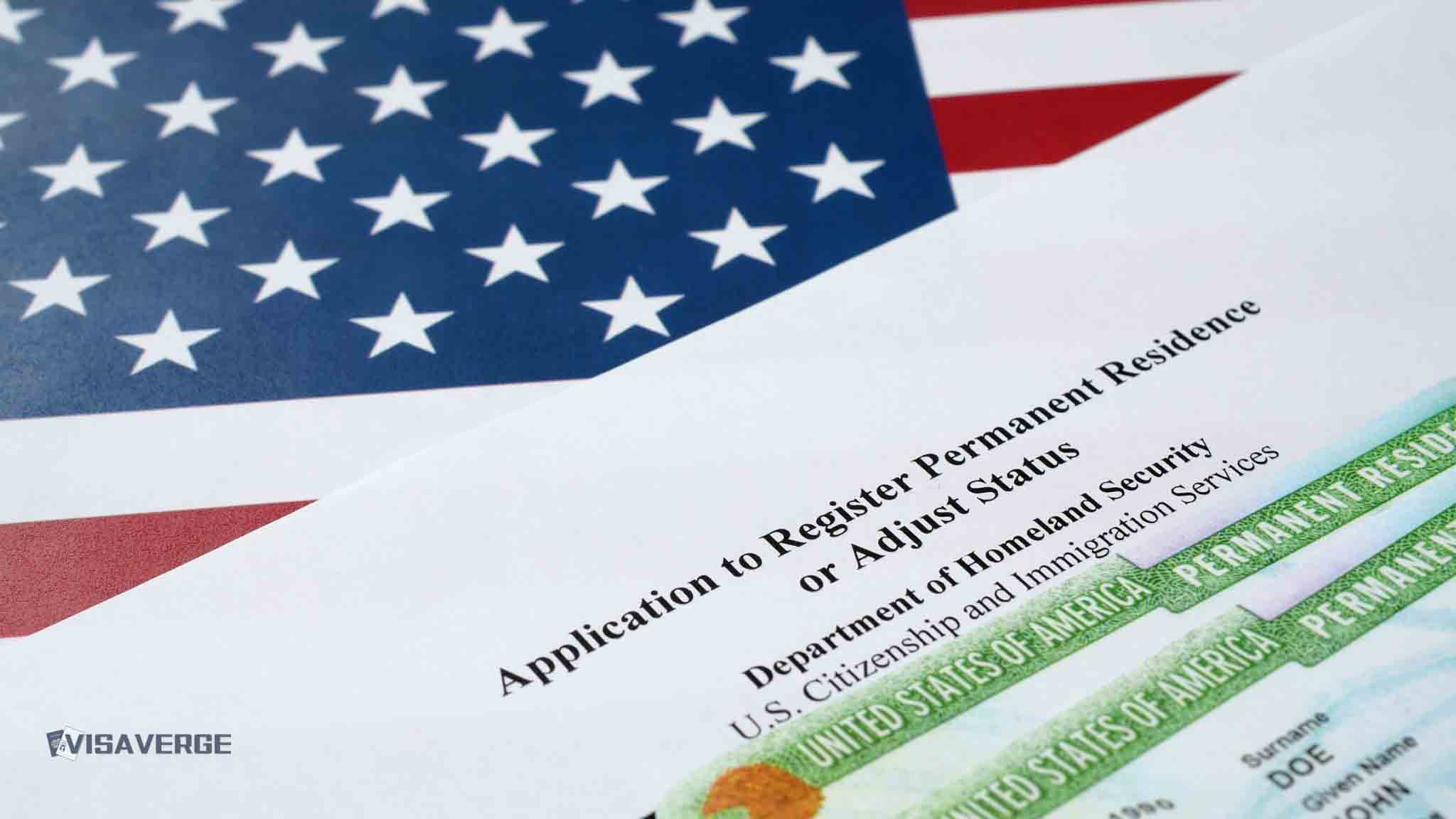
- Form I-485. This is the application to register permanent residence, once the priority date becomes current. That stage averages about 1.5 years.
Each step creates delay. Put together, the full path is long.
Employers filing the PERM stage should use the official Form 9089 system and guidance for current filing rules and labor certification details. For the I-140 stage, USCIS provides the Form I-140 page, and adjustment applicants file Form I-485.
Why the Current PERM Processing Time Matters More Than Ever
The current PERM processing time matters because it affects every later step. When the labor certification drags on, the I-140 cannot start. When the I-140 is delayed, the worker may not qualify for the next H-1B extension. When that extension is not ready in time, the employee’s work authorization comes under pressure.
That is why employers are being told to start early. The process now takes too long to leave until the last minute.
For many cases, the total PERM timeline for EB-2 green card cases averages 2 to 2.5 years from initial planning through PERM certification. EB-3 cases face a similar wait, and many stretch well beyond a year before PERM approval even arrives.
The issue is not only time. It is timing.
Prevailing Wage Determinations Are Faster, But Still Behind
PWD processing has improved. As of March 5, 2026, the DOL is issuing prevailing wage determinations for PERM and H-1B cases filed in December 2025. PWD redeterminations are being handled for requests filed in November 2025. PERM Center Director Reviews are being processed for December 2025 cases.
That places PWD timing at roughly 3 months in many cases. Earlier, the wait often ran closer to 6 months.
Still, the wage stage remains behind real hiring needs. Employers planning a new role or a green card case cannot wait for a job offer to become urgent before starting the wage request. The recruitment clock does not begin until the wage is set, and that delay ripples through the rest of the case.
This is especially hard for employers with hard-to-fill roles. A slow wage decision can freeze the whole PERM process before recruitment even starts.
Audits Continue to Stretch the Wait
About 25% of PERM cases are selected for audit. That is a normal part of the system, but it adds more time and more paperwork.
An audit means the employer must provide extra proof. The case gets more scrutiny. The review lasts longer. In a backlog-heavy environment, an audit can turn a long wait into an even longer one.
The March 2026 data shows audit review on cases filed in June 2025 or earlier. That gap shows how much slower audited cases move compared with standard analyst review.
For employers, this means careful recordkeeping is not optional. Recruitment notices, applicant logs, job ads, and wage records must be complete and accurate from the start. A missing document can slow a case even further.
H-1B Workers Face More Pressure From the Six-Year Limit
The PERM backlog is not just a paperwork problem. It creates direct stress for H-1B workers nearing the six-year maximum stay.
Under current rules, a worker can qualify for a one-year H-1B extension if the PERM application has been pending for at least 365 days. A three-year H-1B extension becomes available once the I-140 is approved and the priority date is not current.
That means timing is everything. If the PERM filing happens too late, the worker may not reach the 365-day mark in time. If the I-140 is delayed, the employer may miss the three-year extension route as well.
A new $100,000 H-1B fee under certain circumstances makes that timing even more expensive. Employers that miss the window now face not just administrative stress, but a much higher financial burden.
For many companies, that fee changes internal planning. The cost of waiting can now be much higher than the cost of filing early.
Why Employers Are Being Told to Start Two Years Early
Many immigration lawyers now recommend starting the PERM process at least two years before the worker reaches the end of H-1B status. That advice is practical, not cautious.
It gives the employer time to get the prevailing wage, run recruitment, file PERM, wait out the review, and then file the I-140. It also creates room for an audit, an RFE, or a recruitment problem without losing the worker’s place in the green card process.
The advice is even more important now because the DOL backlog is still heavy. Cases filed in late 2025 are still pending in large numbers, with more than 10,700 PERM cases from December 2025 filings sitting in the queue.
That number shows the scale of the delay. It also shows why last-minute filing has become a risky strategy.
The Full Timeline Still Adds Up to Years
The full employment-based green card process is still measured in years, not months.
- Prevailing Wage Determination: about 3 to 6 months
- Recruitment period: 60 to 180 days
- PERM processing: about 16 to 17 months for non-audited cases
- I-140 processing: 6 to 9 months normally
- I-485 processing: about 1.5 years
When those stages are added together, the total can reach 3 to 4 years or more.
That timeline affects family planning, job changes, home purchases, school decisions, and travel. It also affects employers trying to keep skilled workers in place. The green card process remains one of the slowest parts of the U.S. employment immigration system.
Country of Birth Still Shapes the Final Wait
Even after PERM approval, the wait is not always over. Visa availability depends on the Visa Bulletin, and that means the worker’s country of birth can change the overall timeline.
For workers from countries with heavy demand, such as India and China, visa retrogression can keep the priority date from becoming current for long periods. That delay can hold up the final I-485 stage even when PERM and I-140 are complete.
This is why two workers with the same job title and employer can still have very different green card timelines. The labor certification stage may look the same. The final wait often does not.
Why Documentation Errors Become So Costly Now
A system this slow leaves little room for error. A small mistake in recruitment can trigger a request for evidence or a denial. That sends the case backward and wastes months.
Employers need to keep clear records of every ad, every applicant response, and every recruiting step. The rules are strict, and the DOL expects exact compliance.
That discipline matters even more when the PERM processing time is already stretched. A case that could have moved forward in the normal queue can easily fall behind if the paperwork is weak.
OFLC Updates Are the Best Monthly Checkpoint
OFLC updates processing times at the end of the first work week of each month. Employers should treat that update as a planning checkpoint, not a routine notice.
The public data shows where analyst review stands, how far audit cases have moved, and what PWD filings are being issued. It also helps employers decide when to start recruitment and when to expect the next step.
For a status update on a PERM case filed more than three months before the month currently being processed, employers may contact the OFLC PERM Helpdesk at [email protected].
The system is slow, but the public updates are still useful. They show where the line is moving and where the bottlenecks remain.
What the March 2026 Backlog Means for Employers
The March 2026 picture is clear: the DOL has made modest progress on prevailing wage determinations, but the broader PERM queue remains crowded. Analyst review is still working on October 2024 cases. Audit review is still deep in 2025 filings. The backlog from late 2025 remains large.
For employers, that means planning has to start well before the need becomes urgent. Green card strategy now belongs in the same conversation as hiring strategy, retention, and cost control.
For workers, especially H-1B holders, the delay shapes daily life. It affects whether a job can continue, whether an extension is ready in time, and whether the path to permanent residence stays open without interruption.
The message from OFLC’s latest numbers is simple. PERM is still moving, but not fast enough for late planning.