(HONG KONG) Hong Kong police arrested a 20-year-old passenger from mainland China after he was suspected of trying to open a cabin door mid-flight on Cathay Pacific flight CX811 from Boston to Hong Kong. The incident ended with the aircraft landing safely and no injuries reported. The case has put a fresh spotlight on how airlines and border authorities respond when a security event happens in the air and then becomes a criminal matter the moment the plane reaches the gate.
Timeline and immediate response
The flight left Boston on Wednesday, December 10, 2025, and arrived at Hong Kong International Airport at about 5:00 a.m. on Thursday, December 11, local time, according to statements cited in reports about the incident.
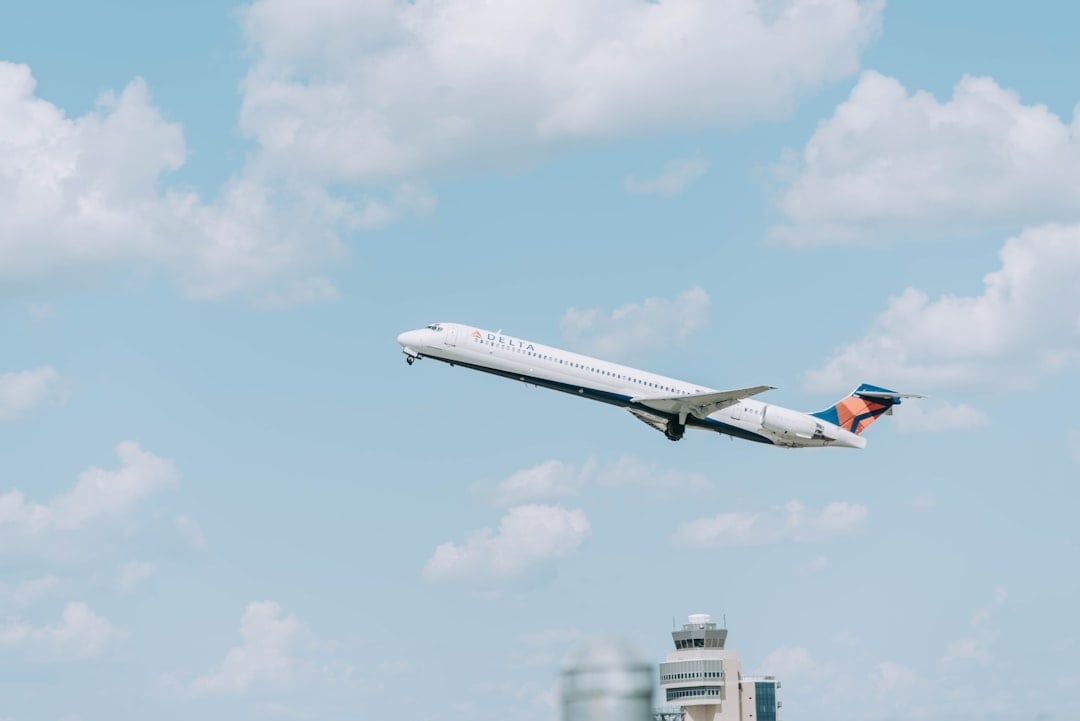
Cathay Pacific said its cabin crew “immediately intervened,” checked the door to confirm it was securely closed, and reported the matter to the authorities and police. The airline added that “the safety of our customers and crew guides every decision we make,” and said no passengers or crew were hurt.
Police said they received a report at about 4:45 a.m. on Thursday and boarded the aircraft after it landed, arresting the man on suspicion of violating Hong Kong’s Aviation Security Ordinance. The matter was recorded as a “request for police assistance,” and the force said the Airport District Investigation Team was handling the investigation.
As of December 12, 2025, no further details were available about what led up to the moment the passenger approached the door, and there was no public update on any interview, charge, or court date.
Who is the passenger?
- The South China Morning Post identified the passenger as a 20-year-old mainland Chinese man.
- Reuters said it could not independently verify that detail.
- Cathay Pacific confirmed only that a passenger was suspected of trying to open an aircraft door and that the crew acted at once.
This limited public information reflects a common pattern in early-stage aviation investigations: airlines and police often release only basic facts until witness accounts, cabin reports, and any onboard video are reviewed.
Legal framework: Aviation Security Ordinance
While the incident is not described as terrorism-related in the information made public, Hong Kong’s Aviation Security Ordinance is the main local law used for suspected acts that could put an aircraft, passengers, or crew at risk.
- The ordinance sets out aviation security duties and offences tied to aircraft and airport safety.
- The full text is published on Hong Kong’s official e-Legislation site at https://www.elegislation.gov.hk/hk/cap494.
Police have not said which specific section they believe was breached. That detail can matter because penalties and how a case is framed can differ based on the alleged conduct.
Aircraft safety and crew procedures
Incidents like this highlight practical aspects of airline safety:
- Modern passenger aircraft doors are designed not to open at cruising altitude because of cabin pressure.
- Crew training focuses on:
- Immediate intervention
- Restraint protocols where needed
- Post-event checks to confirm door integrity
Cathay Pacific’s statement that the crew inspected the door after intervening is a key detail because it signals the airline treated the event as a safety issue first, then as a law enforcement matter to be handled on arrival.
Jurisdictional and investigative complexities
For Hong Kong, the arrest at the airport is also part of a wider reality: many aviation offences are investigated like other crimes once the plane lands, but the “scene” includes an international journey and witnesses from multiple countries.
- The flight began in the United States (🇺🇸) and ended in Hong Kong.
- Passengers and crew may be from many places, so basic investigative questions can quickly cross borders:
- Who saw what?
- What language was used?
- What records (e.g., passenger manifests, CCTV, onboard video) exist?
In cases involving a visitor or non-resident, investigators also have to consider:
– Travel documents and immigration status
– Where a suspect will stay during an investigation
– Whether the person can lawfully remain in the city while inquiries continue
Authorities have not released any details on those points in this case.
Possible motives and public perception
The absence of a stated motive leaves room for many possibilities, including distress, intoxication, or a mental health crisis, but no such claim has been confirmed in the public record for this incident.
That gap matters because it shapes:
– How the public reads the event
– How other travelers react
On long-haul routes like Boston to Hong Kong, cabins can be tense—jet lag, anxiety, and close quarters—and crew may have only seconds to decide how to calm a situation before it escalates.
Potential consequences for the passenger
It also matters for the person at the center of the case:
- If the passenger is a mainland Chinese citizen, an arrest on arrival can bring fast-moving consequences beyond the criminal investigation, including limits on onward travel while police inquiries continue.
- Even without a conviction, a traveler may have to answer questions on future visa applications about arrests or detentions, depending on the country and the form.
- VisaVerge.com reports that aviation-related arrests can also lead airlines to review whether a passenger should be allowed to fly again, though any decision in this case has not been made public.
Airline and police messaging
For Cathay Pacific, the incident comes at a time when airlines are under pressure to show they can manage onboard disruptions without delays or harm. The carrier’s messaging focused on:
- Immediate crew action
- Lack of injuries
This is a standard approach meant to reassure the public while keeping distance from the details of a police investigation.
Hong Kong police gave a brief account—time of report, the arrest after landing, and the investigative unit involved—without describing:
- Any restraint used
- Any statements made by the passenger
- Whether other offences are being considered
Current public facts and next steps
As of December 12, 2025, the public facts remain narrow:
- A suspected attempt to open a door on CX811
- Intervention by Cathay Pacific crew
- A safe landing
- An arrest under the Aviation Security Ordinance
For passengers who were on the flight, the next stage may be requests for statements. For other travelers, the episode is a reminder that what happens onboard can quickly become a matter for police and, in an international arrival hall, can carry consequences that follow a person long after the flight ends.
Key takeaway: onboard safety incidents are treated first as safety issues by crews, then as potential criminal matters by authorities—especially at international arrival points where multiple jurisdictions, languages, and legal consequences can intersect.
On Dec. 10–11, 2025, Cathay Pacific flight CX811 from Boston to Hong Kong experienced a suspected attempt to open a cabin door. Crew intervened, inspected the door, and reported the incident; the plane landed safely. Hong Kong police arrested a 20-year-old mainland Chinese passenger under the Aviation Security Ordinance. No injuries were reported. Authorities have released limited details while the Airport District Investigation Team conducts inquiries involving witness statements and onboard records.
Live Government Data
State Dept • CBPBusiest Border Crossings
- Nogales 180 min
- Nogales 120 min
- San Ysidro 100 min