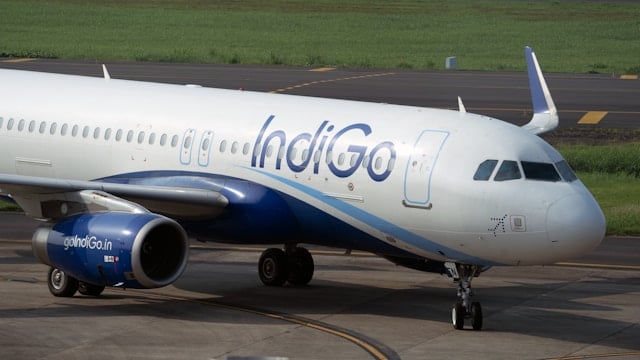
(CARACAS, VENEZUELA) Panama-based carriers Copa Airlines and Wingo have halted all flights to Venezuela for two days starting December 3, 2025, after the Venezuelan government ordered a temporary stop to commercial air links between the two countries. The move has stranded passengers and raised fresh worries about the country’s already fragile international connections.
Scope of the suspension and affected routes
The measure affects all routes between Panama City and Caracas (CCS), the main gateway for Venezuelans who use regional hubs to reach North America, Europe, and neighboring Latin American countries.
For many travelers — especially migrants and people with visa appointments abroad — Copa Airlines and Wingo have been among the few remaining reliable links in and out of the country.
Context: wider aviation crisis
Venezuela’s decision to suspend commercial flights with Panama comes amid a broader aviation crisis. Caracas recently revoked operating permits for several major foreign airlines after they stopped flying to the country, citing a safety warning from the U.S. Federal Aviation Administration about risks in Venezuelan airspace.
That FAA warning has led some carriers to cancel or limit flights. Others continue to operate but face rising insurance costs and operational challenges. The FAA maintains a list of airspace restrictions and warnings, which affects company risk assessments and insurance decisions; that list is available through the Federal Aviation Administration’s international restrictions page on faa.gov.
Immediate impacts on travelers
The two-day halt by Copa Airlines and Wingo is shorter than the open-ended suspensions adopted by some other foreign carriers, but it still adds a layer of uncertainty for people who depend on international travel to:
- maintain legal status abroad,
- attend consular interviews,
- reunite with family.
For Venezuelans holding appointments at embassies in Panama or connecting through Panama City to reach consular posts in the United States or Europe, even a brief shutdown can mean missed interviews and months of delay.
How disruptions ripple outward
Travel agents in Caracas note that a two-day halt often ripples through the system for much longer. Passengers whose flights are canceled tend to crowd onto later dates, creating backlogs that can take weeks to clear — especially during peak travel seasons when seats are scarce.
Those effects can include:
- Rebooked itineraries at higher prices.
- Lost job offers or postponed university enrollment due to missed connections.
- Reduced availability of promotional or low-cost fares as airlines avoid risk.
Immigration and humanitarian consequences
Air travel and immigration are closely tied for Venezuelans. With many consulates inside Venezuela operating on limited schedules or closed entirely, travelers often must leave the country to obtain visas, renew residency documents, or complete asylum-related procedures. When flights into Caracas (CCS) are reduced or disrupted:
- Options for legal travel shrink.
- Some people attempt long overland journeys through unsafe border areas, increasing exposure to crime and exploitation.
- Consulates abroad may see more people missing appointments and requesting new dates, stretching limited capacity.
Immigration lawyers warn that airline decisions, even when driven by security assessments, can deepen the isolation of a population already facing economic and political crisis. Applicants for family reunification or student visas often must show proof of return tickets or onward travel; constant schedule changes and sudden suspensions make meeting those requirements harder, raising the risk that well-prepared applicants could see their plans collapse for reasons beyond their control.
Role of the affected carriers
Copa Airlines, based in Panama, has long positioned itself as a connector between South America, Central America, and the Caribbean, making its role especially important for passengers traveling from Venezuela to third countries.
Wingo, a low-cost carrier that also operates from Panama, offers cheaper fares that many Venezuelan families rely on for medical care, education, or relocation. When both airlines suspend service at the same time, even briefly, they remove a mix of full-service and budget options that helped keep some routes accessible to lower-income travelers.
Broader social and economic effects
The wider breakdown of air links has weakened family ties and slowed humanitarian travel. Venezuelans with foreign residency cards or work permits report that each new suspension forces them to rebook complex itineraries, often at higher prices, or risk falling out of status if they cannot return on time to the countries where they live.
According to analysis by VisaVerge.com, reductions in flight options have a direct effect on how easily migrants can comply with visa rules, attend biometrics appointments, or respond to requests from immigration authorities abroad.
Current status and outlook
For now, the suspension between Panama and Venezuela is scheduled to last only two days starting December 3, 2025, and there has been no public indication that Copa Airlines or Wingo plan a longer break in service. However, the decision fits a pattern in which sudden regulatory moves, security warnings, and commercial pressures combine to make air travel to and from Venezuela unpredictable.
Each new disruption chips away at the remaining channels that allow Venezuelans to travel lawfully for work, study, family visits, or resettlement, and pushes more journeys into informal and dangerous routes.
As long as airspace concerns and political tensions remain unresolved, passengers booking tickets through regional hubs like Panama City will have to watch closely for fresh orders from Caracas that can ground flights with little warning, leaving immigration and travel plans hanging once again.
For Venezuelans already scattered across the region, every canceled seat is another reminder that borders are shaped not only by visas and passports, but also by the fragile web of routes that still connect Caracas to the outside world in times of uncertainty today.
Copa Airlines and Wingo halted flights between Panama and Venezuela for two days starting Dec. 3, 2025, after Caracas ordered a temporary suspension of commercial links. The disruption affects Panama City–Caracas routes crucial for Venezuelans accessing consular services and international connections. Cancellations risk missed interviews, rebookings at higher cost, and longer backlogs. Authorities cite security and operational reviews; carriers await official guidance. Repeated short suspensions compound travel uncertainty and push some travelers toward informal, riskier routes.
Live Government Data
State Dept • CBPBusiest Border Crossings
- Otay Mesa 150 min
- San Ysidro 135 min
- Nogales 120 min