- Indian airlines cancelled over 5,500 flights due to Middle East airspace closures and regional conflict.
- Major hubs like Delhi and Mumbai faced significant international flight disruptions throughout early March 2026.
- Airlines like Air India added extra capacity to assist thousands of stranded passengers across the network.
(INDIA) — India’s aviation minister reported that airlines cancelled over 5,500 flights in India as the Iran-Israel conflict triggered airspace closures across the Middle East and upended international routes.
The disruption intensified immediately after February 28, 2026, when hostilities broke out and airlines began scrapping schedules across multiple Indian airports.
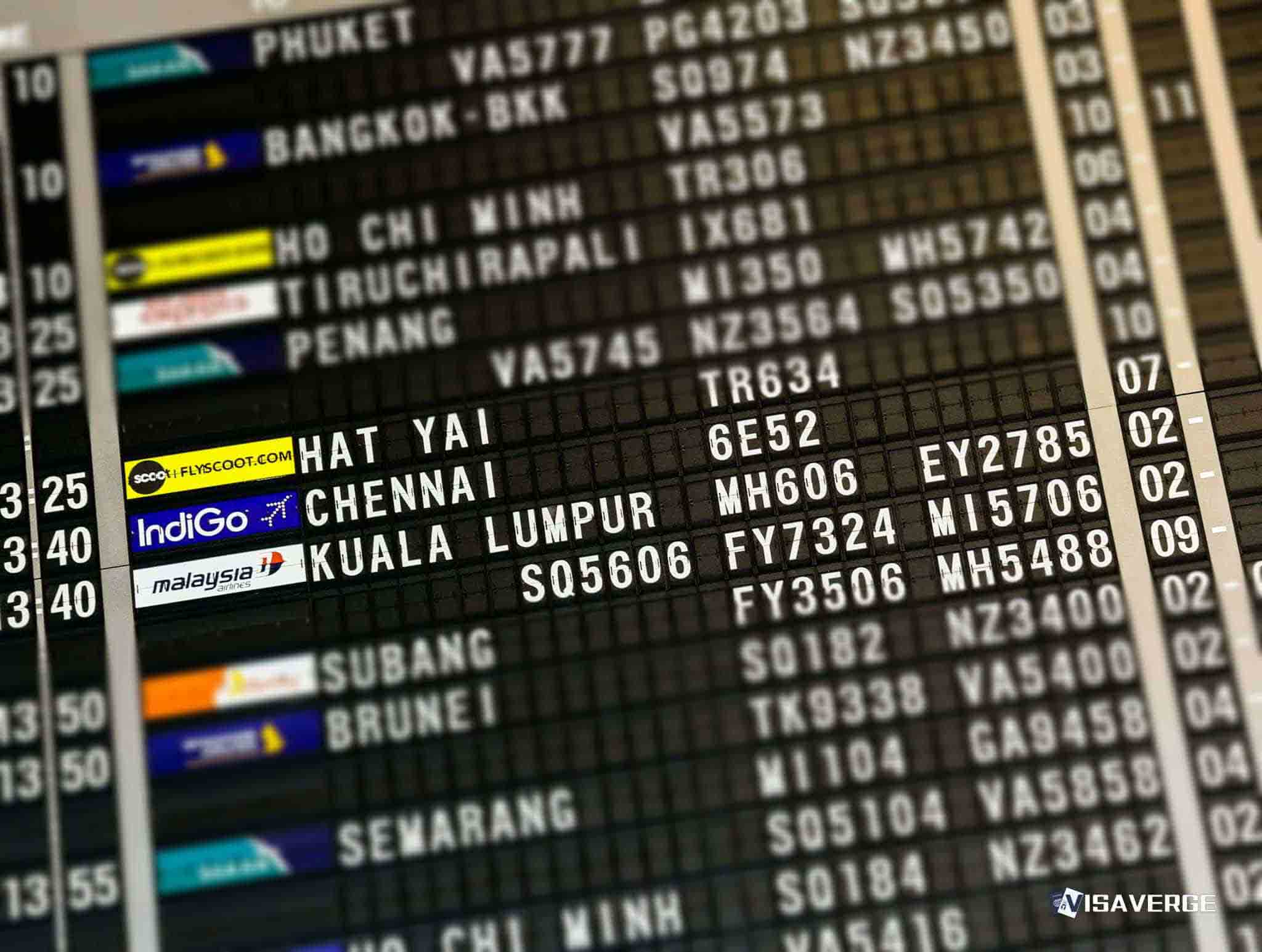
In the first three days after the outbreak, airlines cancelled over 1,117 international flights across Indian airports, a scale that quickly moved past 500 flights cancelled as carriers struggled to keep long-haul networks operating.
Pressure on flight schedules continued into March as carriers adjusted to the shifting security situation and the knock-on effects on international corridors used by flights departing India.
On March 8, Indian airlines cancelled 279 international flights as the conflict escalated, adding to days of disruption that airline staff and airport teams had already been managing.
Early March brought acute pressure to Delhi’s Indira Gandhi International Airport, where the airport recorded over 100 international cancellations in a single day.
Across a two-day span in early March, Indian carriers cut approximately 750 international flights, another wave of cancellations that spread across multiple networks and routes.
One Tuesday in early March saw more than 250 flights cancelled across Delhi, Mumbai, Bangalore, and Chennai airports combined, reflecting how widely the disruptions reached across India’s major hubs.
That day’s cancellations broke down to 80 at Delhi, 107 at Mumbai, 42 at Bangalore, and 30 at Chennai, figures that highlighted both the concentration of international services at the biggest gateways and the broad geographic spread of the disruptions.
Air India, IndiGo, Air India Express, SpiceJet, and Akasa Air were among the Indian airlines affected as they faced the choice of cancelling flights outright or redesigning flight plans around closed skies.
International carriers including Emirates, Etihad, and Qatar Airways also faced disruption, underscoring how the impact extended beyond Indian airlines to foreign networks that connect India to Europe, North America, and other western destinations.
The cancellations followed airspace closures across the Middle East that came after the February 28 US-Israeli military strikes on Iran that killed Supreme Leader Ayatollah Ali Khamenei.
Iran later retaliated with drone and missile attacks on Israel and US military installations, developments that compounded uncertainty for airlines routing aircraft through the region.
Commercial flight routes to Europe, North America, and other western destinations typically pass through Middle East airspace, leaving airlines with limited options once closures took effect.
Carriers responded by cancelling flights or rerouting them via alternative corridors like Rome, a change that disrupted published timetables and forced airlines to rebuild schedules around longer paths.
Air India increased capacity to cope with stranded travelers, adding 78 additional international flights between March 10-18.
Those extra flights provided over 17,600 extra seats, a move aimed at accommodating passengers affected by the wave of cancellations and shifting routings.
The Ministry of Civil Aviation coordinated with stakeholders to support affected travelers, as carriers and airports worked through the operational strain of irregular schedules and abrupt route changes.
Indian missions abroad assisted students and professionals unable to depart, extending the response beyond airports and airlines to diplomatic posts handling the fallout for travelers caught outside India.
The sequence of cancellations showed how quickly disruptions spread once international flight paths became constrained, with tallies climbing from the first three-day surge after February 28 to the later spike on March 8 and the concentrated hits recorded in early March.
The sustained impact on Indira Gandhi International Airport and other major gateways illustrated the central role of India’s big hubs in international connectivity, and the vulnerability of those connections when airspace closures reshape the routes that long-haul flights depend on.
Airlines continued to operate under the constraints imposed by Middle East airspace restrictions and the changing security picture, relying on cancellations and reroutes to keep aircraft and crews aligned with the limited corridors still available.
Live Government Data
State Dept • CBPBusiest Border Crossings
- San Ysidro 175 min
- Calexico 150 min
- Calexico 120 min