- Federal agents shot two individuals during a targeted vehicle stop in Portland.
- Local officials and the FBI launched multiple investigations into the agents’ conduct.
- Protests and vigils erupted across the city following the use of force.
PORTLAND, OREGON — U.S. customs and border protection agents shot and wounded two people during what federal officials described as a targeted enforcement encounter in Portland’s Hazelwood neighborhood, prompting investigations by Oregon’s Justice Department and the FBI and setting off vigils and several nights of protests that centered on the city’s ICE facility.
the border patrol shooting left Luis David Nico‑Moncada and Yorlenys Betzabeth Zambrano‑Contreras wounded in the parking lot of Adventist Health Portland, a location close to immediate medical care as the couple sought help after the gunfire.
U.S. Department of homeland security accounts of why shots were fired differed from early witness descriptions of what led up to the shooting, while authorities and community organizers urged calm as investigators began collecting evidence and Portland police described a limited role.
On January 8, 2026, dhs said, cbp agents conducted a “targeted vehicle stop” in the Adventist Health Portland parking lot at about 2:15 p.m., and fired after a driver “attempted to run over” CBP agents.
DHS said one agent fired “shots,” “fearing for his life and safety,” striking Nico‑Moncada in the arm and Zambrano‑Contreras in the chest.
Witness accounts relayed by local media varied on the sequence and timing around the stop, including one witness who told reporters the couple drove away only after agents banged on the vehicle window.
Another witness reported hearing five gunshots.
After being shot, the couple drove away and Nico‑Moncada called 911 at 2:24 p.m. from outside the Bria Apartments on Northeast 146th Avenue and East Burnside Street, roughly 2–3 miles from the hospital, DHS said.
Portland police found them conscious with gunshot wounds, applied a tourniquet, and the couple was taken by ambulance to a local hospital, where witnesses said they “appeared conscious” as they were loaded in.
Oregon Attorney General Dan Rayfield announced the Oregon Department of Justice opened an investigation the same day, saying it would rely on witness interviews and video to determine whether CBP agents exceeded their lawful authority.
Rayfield also said the FBI opened a “concurrent” investigation and that he hoped “cooperation will continue.”
Portland Police Chief Bob Day said the bureau’s role was “investigative support and perimeter support” that was “minimal” to the FBI‑led investigation.
DHS later released the names of the two people wounded and said they had entered the U.S. irregularly from Venezuela, describing Nico‑Moncada as entering in 2022 and Zambrano‑Contreras in 2023.
As investigators moved forward, they faced a familiar set of questions that typically follow an agent-involved shooting: what witnesses saw and heard, what video exists, what medical records show about the injuries, and how ballistics and use-of-force reviews align with the accounts given at the scene.
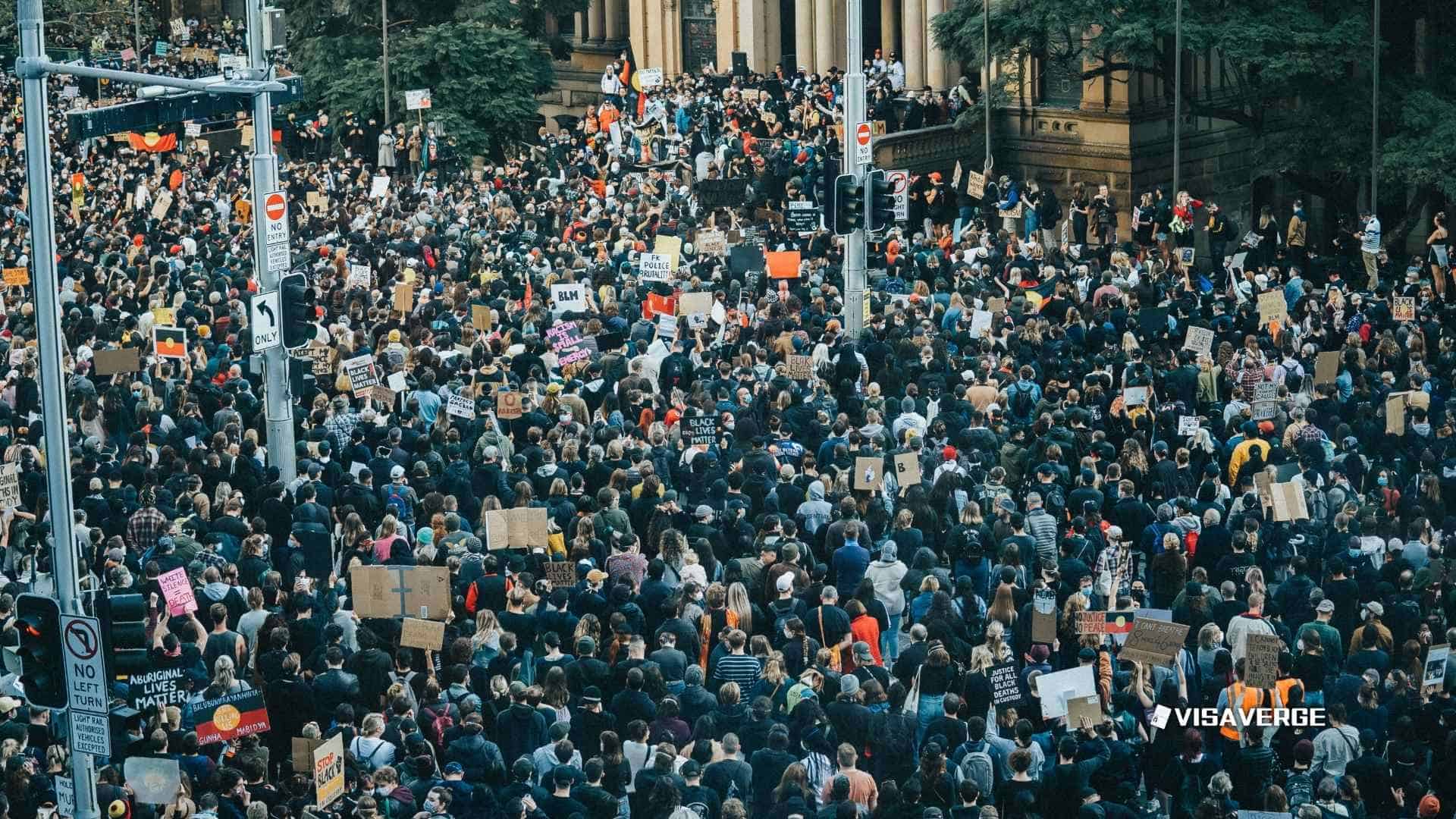
Those questions took on added urgency as the shooting drew large crowds into public spaces across Portland, including outside City Hall and at the federal immigration facility on the South Waterfront.
On the evening of the shooting, about 400 people gathered for a candlelight vigil outside Portland City Hall, organized by the Portland chapter of the Democratic Socialists of America.
Ana Muñoz, director of community defense at Latino Network, announced the group would support the couple and their children.
Two days later, East Portland Indivisible organized a quiet march and vigil near the site of the shooting along Southeast Main Street, close to 101st and Main, drawing residents who said the location made the incident feel immediate and personal.
KGW reporter Alma McCarty described the gathering as “more of a kind of quiet march and then a prayer, and then there were some speeches by elected officials” near the scene of Thursday’s shooting.
McCarty also pointed to the pace of events, saying that despite a cold Friday night on short notice, “that didn’t stop community from coming together.”
Her own reaction, she said, was shaped by what she called “heartbroken over back‑to‑back shootings involving federal agents, the first in Minneapolis, a shock to the system… and before I had a chance to breathe, they shot a husband and wife just down the street from where I live.”
For some residents, the vigil became a space to voice fear and frustration while also emphasizing solidarity with neighbors they may not know personally.
East Portland resident River Shoal told KGW she had dreaded such an incident: “I could just picture that with my neighbors, and it really upset me. And it’s just been, it’s been escalating and escalating, and I’m, this is, this isn’t OK. This isn’t how things should be.”
Organizers told KGW they felt “very lonely” and “very isolated” after the week’s events and wanted to bring people together in community.
Rep. Maxine Dexter, the congresswoman for Oregon’s 3rd Congressional District, addressed the vigil crowd near the shooting site with a warning against accepting the incident as routine, telling attendees: “Folks, this cannot be accepted as normal.”
Dexter also referenced the couple’s medical status, telling the crowd she was “joyful that our Portland neighbors are recovering, that they’re stable.”
She promised action in Washington, saying: “If I have one thing that I’ll acknowledge is my responsibility, it is to take action at the federal level to restore confidence, safety, security, and the rule of law.”
Dexter urged people to “stand in committed brotherhood, sisterhood with each and every one of our community members” and thanked them “for your resilience, for your commitment to peace, for your joyful resilience.”
In the days after the shooting, demonstrations increasingly shifted toward the Portland ICE facility on the South Waterfront, where protesters linked the Portland incident to broader concerns about federal immigration enforcement and to another incident earlier in the week.
Hundreds gathered outside the facility to protest both the Portland shooting and the earlier killing of a 37‑year‑old woman in Minneapolis by an ICE agent earlier in the week, according to OPB and KGW reports cited in coverage of the protests.
OPB reported that police moved protesters away from the facility before 9 p.m., later making six arrests for disorderly conduct, and that a smaller group remained around the facility at midnight while roads were clear.
KGW’s McCarty reported from an ICE protest that the crowd was around 200 people, about double the size of the previous night, and that tensions rose whenever federal agents exited the building or opened the gates for vehicles.
From her vantage point, McCarty said it sounded like agents were using “some sort of munitions” when the gates opened, although she could not confirm exactly what was deployed.
Portland police told KGW there had been six arrests at the ICE facility the night before, including the well‑known local protester nicknamed the “Portland frog,” arrested for disorderly conduct in the second degree and interfering with a police officer.
On the following night, police reported one arrest as of the evening, with charges not yet confirmed, KGW reported.
Day publicly urged calm as protests continued and more were planned while the investigations proceeded, OPB reported.
Day acknowledged “heightened emotion and tension” following both the Minneapolis and Portland shootings, according to the reports.
In Washington, Oregon’s federal delegation and other elected officials issued sharply worded statements that framed the shooting as part of a broader dispute over federal enforcement operations and their local effects.
Sen. Jeff Merkley urged nonviolence, saying: “Please keep protests of Trump’s ICE/CBP peaceful, as Trump wants to generate riots. Don’t take the bait.”
Sen. Ron Wyden said Trump’s deployment of federal agents in Portland is “clearly inflaming violence – and must end.”
Rep. Suzanne Bonamici said, “Minneapolis yesterday, Portland today. This violence must stop now. Those responsible must be investigated – and not just by Kash Patel’s FBI — and held accountable.”
Dexter, in a separate statement, said, “ICE has done nothing but inject terror, chaos, and cruelty into our communities. Trump’s immigration machine is using violence to control our communities—straight out of the authoritarian playbook. ICE must immediately end all active operations in Portland.”
Rep. Janelle Bynum called the incident “state‑sponsored terrorism,” saying: “This isn’t law enforcement, it’s state-sponsored terrorism. Stop fucking with us.”
Local leaders also condemned the shooting and called for transparency and accountability, while recognizing that investigators would determine what evidence supports and what it does not.
Mayor Keith Wilson said, “We cannot sit by while constitutional protections erode and bloodshed mounts. Portland is not a ‘training ground’ for militarized agents, and the ‘full force’ threatened by the administration has deadly consequences.… As Mayor, I call on ICE to end all operations in Portland until a full investigation can be completed.”
Governor Tina Kotek described the shooting as a “terrible, unnecessary violent event,” blaming the Trump administration’s deployment of federal agents but also calling for a thorough investigation to establish the facts.
Oregon state senator Kayse Jama addressed federal agents directly, saying: “This is Oregon…. We do not need you, you are not welcome and you need to get the hell out of our community.”
Even as rhetoric intensified, the investigative path remained centered on specific pieces of evidence and on agency decision-making under use-of-force standards, including whether agents identified themselves clearly, what the vehicle did in the moments before shots were fired, and what recordings or video may show.
Rayfield has said investigators would rely on witness interviews and video in determining whether CBP agents exceeded their lawful authority, and Day has said Portland police provided perimeter and investigative support in a federal-led inquiry.
Community groups have continued to organize around the case, framing vigils and protests as both a public expression of grief and a sustained demand for public reporting as soon as investigators are able to release findings.
Latino Network’s pledge to support the couple and their children has been one focal point for residents looking for ways to assist families while official investigations move at their own pace.
Organizers involved with East Portland Indivisible and the Portland chapter of the Democratic Socialists of America have also kept attention on the Hazelwood neighborhood and on the Adventist Health Portland location where the shooting occurred, while demonstrations at the ICE facility have reflected anger over federal operations beyond a single incident.
As evidence is gathered and reviewed, next steps typically include continued witness outreach, scrutiny of any available video, and formal reviews of use-of-force decisions, though any outcomes would depend on what investigators ultimately conclude and can prove from the record.
Federal agents shot two Venezuelan nationals during a vehicle stop in Portland, leading to conflicting accounts between officials and witnesses. The incident triggered investigations by the Oregon Department of Justice and the FBI. Public outcry has been significant, with political leaders and community groups organizing vigils and protests at the ICE facility to demand an end to federal operations in the city and transparency regarding the use of force.