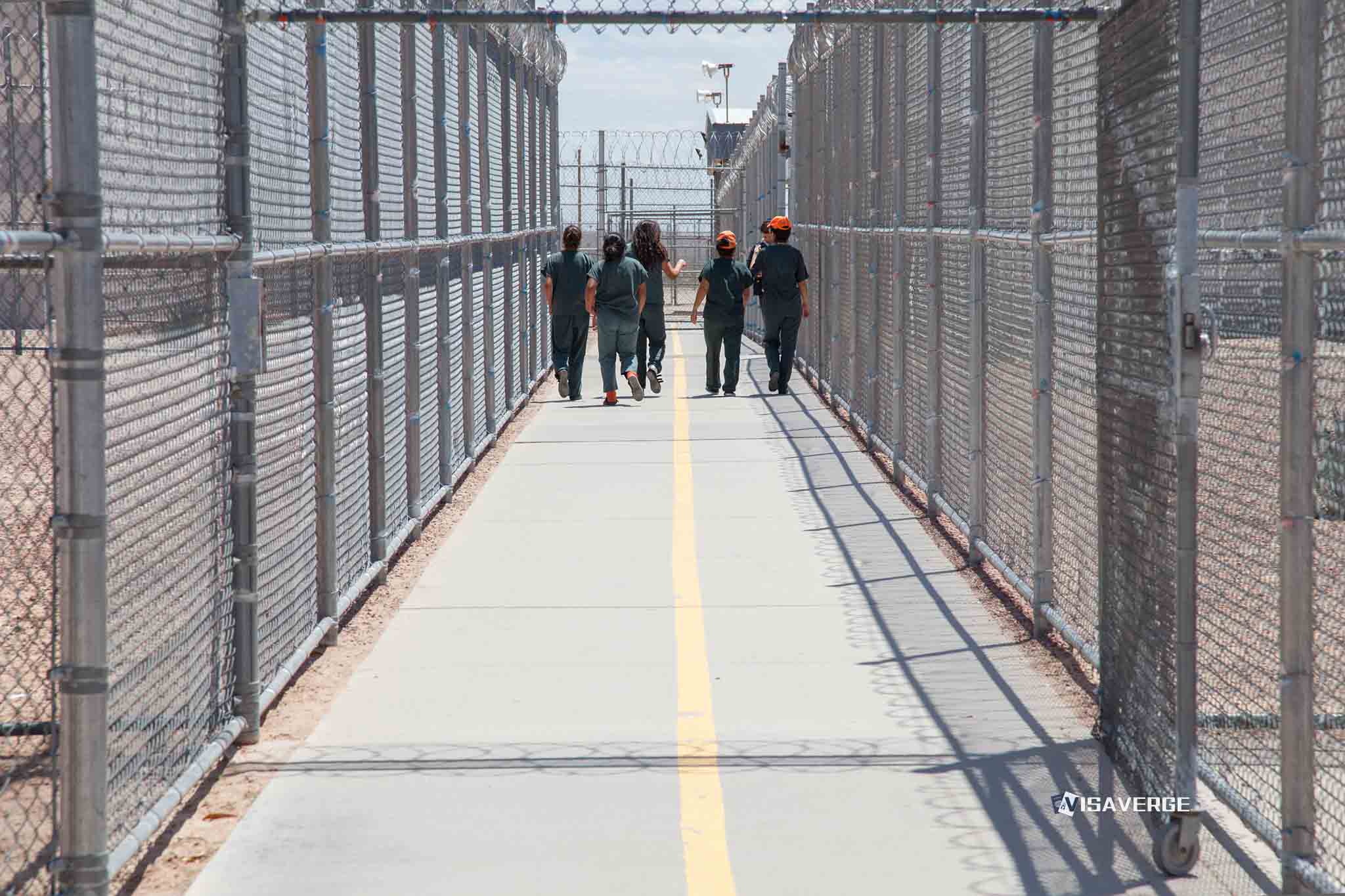
(WEST VIRGINIA) West Virginia jails that contract with federal immigration authorities are drawing new scrutiny amid reports that many facilities holding ICE detainees across the United States are operating overcapacity. While the latest public data does not list specific headcounts for three county jails in West Virginia that rent beds to U.S. Immigration and Customs Enforcement, the broader federal picture is clear: as of April 13, 2025, 45 of 181 ICE facilities nationwide were over their contractual limits, with some sites exceeding capacity by more than 100 people.
The question for local officials, families, and defense attorneys is whether West Virginia’s arrangements to hold ICE detainees are contributing to the overcapacity pressure or helping ICE manage it. State jail officials have acknowledged renting beds to ICE as part of revenue agreements, with at least $330,000 in reported income from these placements in past reporting. The state has not posted current, jail-by-jail detainee counts. Without those figures, advocates warn that conditions can shift quickly when transfers surge or when federal enforcement priorities change.
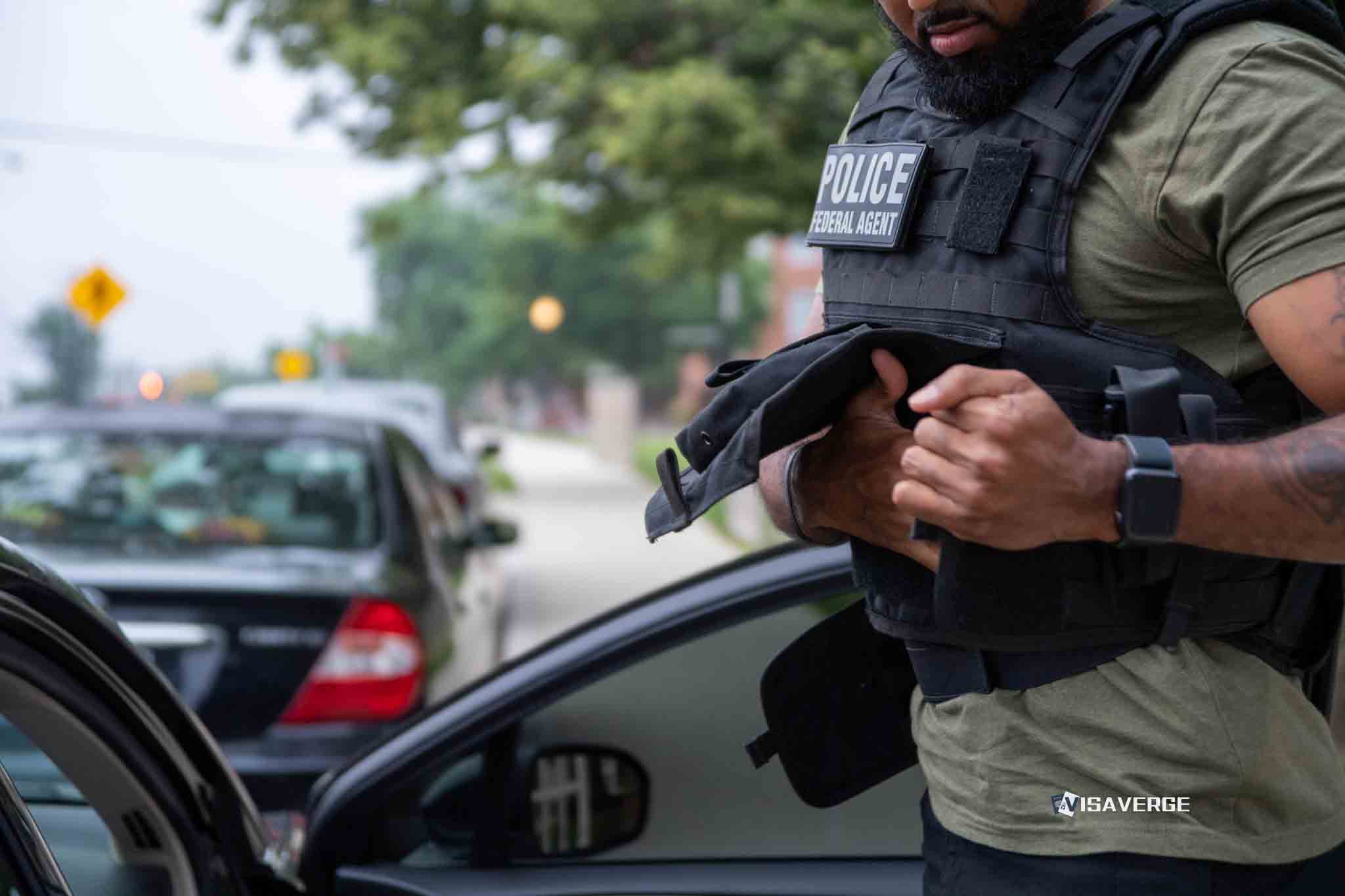
How ICE uses local jails and why overcapacity matters
ICE uses a mix of county jails, dedicated detention centers, and private contractors to house people facing deportation proceedings. When facilities run overcapacity, two risks rise at once:
Free toolUSCIS Receipt Number Decoder- Crowding that strains medical care and increases transmission of illnesses.
- Rapid transfers that break attorney access and family contact.
Defense lawyers who handle removal cases say even a temporary overcapacity period can trigger cascading transfers that push detainees hundreds of miles away. Those moves complicate bond requests and can prolong detention for people with strong community ties.
Capacity pressures and state contracts
County contracts often rely on a fixed “per diem” rate per detainee, which can create financial incentives to keep beds filled. Supporters argue these agreements:
- Bring needed dollars to rural counties.
- Allow ICE to place detainees closer to Mid-Atlantic immigration courts.
But when ICE facilities are overcapacity nationwide, local jails can suddenly receive more transfers than anticipated. West Virginia sheriffs have historically balanced county needs, state inmates, and outside contracts—a task that becomes harder when federal bed requests spike.
VisaVerge.com reports that local jail participation in federal detention networks tends to ebb and flow with national enforcement surges and seasonal border patterns. Those trends ripple into interior detention sites. In West Virginia, a run of new intakes—even for a short period—can push staff, medical providers, and visiting areas beyond their limits if the jail already operates near full capacity.
This concern is magnified when the detainee population includes people with chronic medical conditions who need steady care plans and timely prescriptions.
ICE says it tracks detention standards and conducts inspections, and that it retains the option to move detainees to other compliant facilities when bed space tightens. The agency’s Detention Management Division outlines protocols on medical care, legal access, and classification on its official site. For readers seeking the federal framework that governs bed capacity and compliance monitoring, ICE publishes policy resources here: ICE Detention Management.
Still, policy on paper does not always mirror practice in crowded jails. Attorneys note that phone access, private meeting rooms, and regular notarial services can degrade during high-volume periods, slowing case preparation.
Human impact on families and public health
For families in West Virginia, the stakes are personal. A parent detained during a traffic stop may end up in a county jail contracting with ICE. If that jail approaches overcapacity, the parent could be moved to a different state overnight. The consequences include:
- Children losing regular contact with caregivers
- Court filings and bond requests stalling
- Local schools and service providers scrambling to connect with alternate caregivers
Faith groups and immigrant support organizations in West Virginia report frequent urgent calls about where loved ones have been sent and how to arrange legal visits. Quick transfers are especially disruptive on weekends, when staffing is often thin.
Public health experts point to another risk: crowding heightens transmission of seasonal illnesses and limits isolation space. Jail administrators typically triage by unit, but classification based on immigration status, security level, and medical need narrows options when every dorm is near capacity.
Overcapacity also strains grievance procedures. As lines for medical sick call or law library access grow, detainees may file more complaints and experience longer response times.
Practical steps to reduce overcapacity pressures
Counties and ICE can adopt several measures to reduce strain and protect detainee access to care and counsel:
- Set transparent bed caps in each contract and publish monthly headcounts for ICE detainees held in West Virginia jails.
- Maintain a reserve buffer of beds to absorb short surges without cramming living units.
- Expand remote legal access through dedicated attorney call lines and more private video rooms when populations climb.
- Fund on-site medical staffing that scales with detainee numbers, including mental health services.
- Coordinate with immigration courts to prioritize hearings for people held in county jails, reducing average days in detention.
Community advocates also favor more use of release with reporting—such as check-ins, case management, or monitored alternatives—to reduce overcapacity while keeping people engaged in proceedings. ICE has supervision tools that don’t rely on jail beds, though critics warn that electronic monitoring can feel punitive when used broadly.
County leaders in West Virginia want predictable revenue and clear notice before large transfers arrive. They also seek federal support for infrastructure upgrades—ventilation, medical space, and attorney meeting rooms—if detainee numbers remain high.
Political context and data needs
Detention policy has fluctuated under different presidential administrations, affecting intake volume and where ICE places detainees. Local jail contracts sit at the intersection of federal enforcement choices and county budget realities.
West Virginia lawmakers face competing pressures:
- Sheriffs and county commissions want stable contracts and predictable income.
- Immigrant families and civil rights groups push for fewer jail placements and greater transparency.
Both sides agree on one point: reliable data is essential. Without current public counts for ICE detainees in West Virginia jails, residents and officials are left guessing about the scale of any overcapacity problem.
State attorneys representing counties say they welcome standardized reporting. Suggested elements of a simple monthly dashboard include:
- Total jail population by facility
- Number of ICE detainees per facility
- Contractual bed caps
Defense lawyers add that prompt notice of transfers—ideally within 24 hours—would help them keep cases on track, even if a client moves to a different facility.
Current national snapshot and what it means locally
The national snapshot shows sustained strain: 45 facilities were over contractual capacity this spring. ICE continues to rely on county jails to absorb fluctuations.
Whether that translates into overcapacity at West Virginia jails depends on day-to-day movements that the state has not disclosed in detail. Greater transparency—paired with practical steps to expand legal access and medical care when numbers rise—could ease tension on both sides of the jail door.
Key takeaway: Reliable, timely data plus preplanned operational steps (bed buffers, scalable medical staffing, better legal access) would reduce the harms that overcapacity creates for detainees, families, and county administrators.
Advice for families with someone detained in West Virginia
If you have a family member held as an ICE detainee in West Virginia, attorneys recommend acting quickly:
- Gather documents (ID, immigration papers, court notices).
- Designate a point of contact for the jail and attorneys.
- Confirm the current facility location, which can change on short notice.
- Ask the jail about attorney call hours and preferred methods for sending legal packets.
- Keep records of requests for medical care or special needs.
These steps help families stay organized if a transfer occurs during a period of overcapacity and make it easier for counsel to advocate effectively.
This Article in a Nutshell
National data show widespread overcapacity in ICE detention facilities: as of April 13, 2025, 45 of 181 sites exceeded contractual limits, with some facilities over by more than 100 detainees. West Virginia counties rent beds to ICE and have reported at least $330,000 in revenue, but the state has not provided current facility-level detainee counts. Overcapacity increases crowding, strains medical and mental health care, undermines attorney and family access, and prompts rapid transfers that complicate bond requests and prolong detention. Recommended steps include publishing monthly headcounts, setting transparent bed caps, maintaining reserve buffers, scaling medical staffing, expanding remote legal access, and prioritizing hearings for county-held detainees. Greater transparency and operational planning could reduce harms to detainees, families, and county systems.