Key Takeaways
- As of February 19, 2025, Panama is detaining 299 deportees from 10 countries in a hotel awaiting repatriation.
- Over 40% of deportees oppose returning home, citing safety concerns; key nationalities include India, Iran, China, and Afghanistan.
- Panama faces logistical challenges as a transit country, hosting deportees affected by U.S. immigration policies under international coordination.
Nearly 300 people deported from the United States are now being held in a hotel in Panama 🇵🇦 against their will—a situation raising international concern. These individuals, from various countries across Asia and beyond, are detained as international authorities endeavor to organize their return to nations of origin. This case underscores the far-reaching effects of immigration policies and the human stories intertwined with them.
As of February 19, 2025, Panama is detaining 299 deportees under U.S. President Donald Trump’s policies aimed at reducing immigration. These deportees cannot leave the premises of their detention, a hotel acting as a holding facility, until arrangements for their return are completed. Officials report that the group spans ten different nationalities, primarily from countries such as Iran 🇮🇷, India 🇮🇳, Nepal 🇳🇵, Sri Lanka 🇱🇰, Pakistan 🇵🇰, Afghanistan 🇦🇫, and China 🇨🇳.
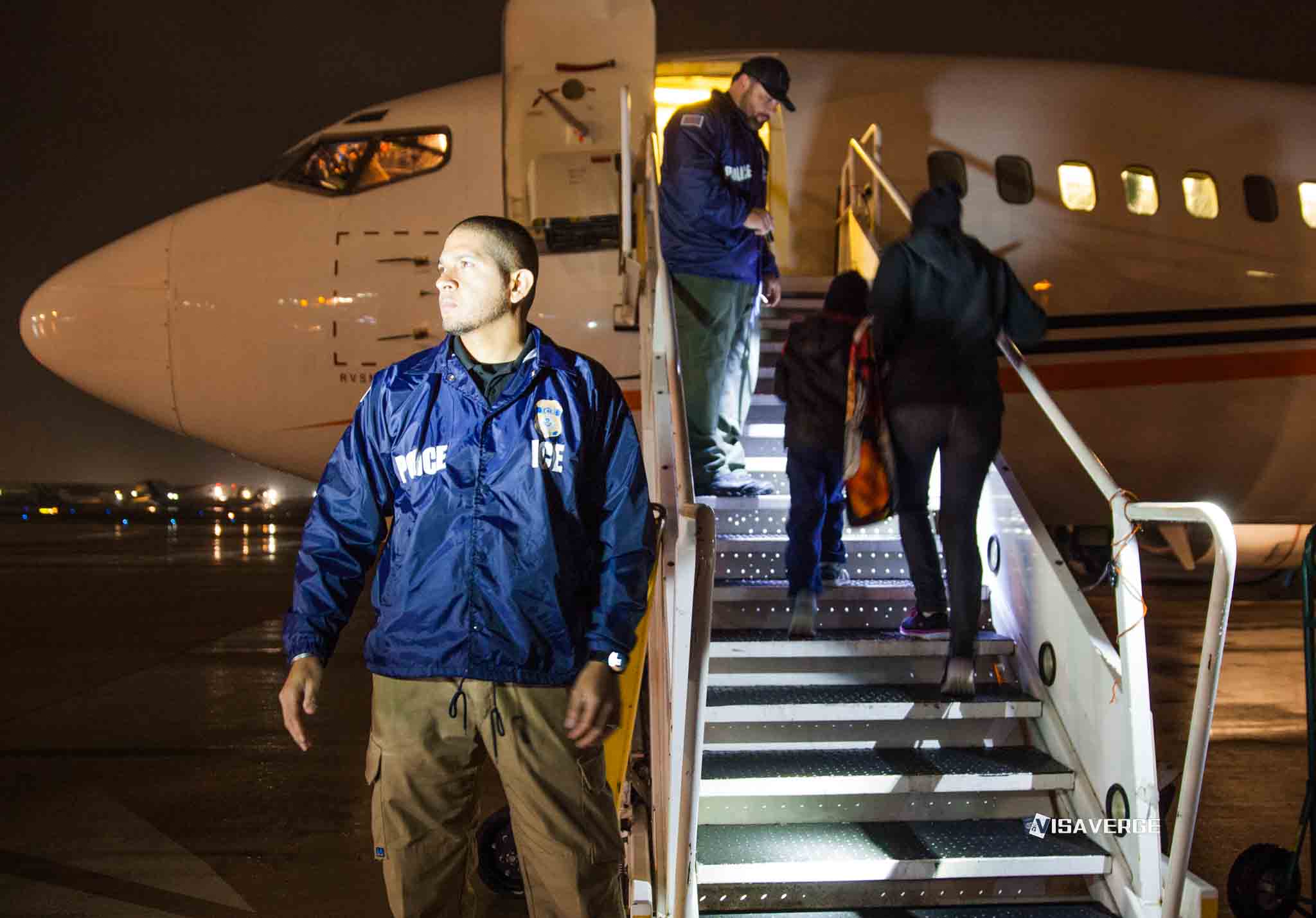
While deportations have long been a part of immigration policies worldwide, this particular situation sheds light on the secondary impacts of enforcement. Over 40% of this group reportedly opposes returning to their home countries voluntarily, citing reasons that have not been specified but are tied to understandable concerns over safety or instability back home. This widespread resistance adds complications for international authorities working on repatriation.
Alarm bells have also been raised after reports surfaced of detained individuals sending messages asking for help. Observers noted written messages displayed from the windows of the hotel, likely pointing to the stress and fear felt by those inside. For many, their journey began with the hope of a safer life or better chances for economic mobility. Being deported back, only to end up confined in a neutral country like Panama while their future remains a question mark, has introduced new layers of uncertainty, anxiety, and despair.
This predicament expands beyond the individual deportees and reflects a broader chain reaction triggered by stricter immigration enforcement. The U.S.’s policies not only impact the migrants who are deported but also create burdens for transit countries like Panama. Historically acting as a bridge between North and South America, Panama regularly sees migrants crossing its borders. Now, it must shoulder the responsibility of hosting those caught up in U.S. immigration politics while balancing its own national interests. Logistically and diplomatically, this is no small task. Managing food, shelter, safety, and basic rights for almost 300 deportees would stretch the capacities of any government, let alone a country often dealing with migration flows in both directions.
The uncomfortable truth evident from this situation is how quickly such actions transform into international issues that require coordination across multiple governments and institutions. Authorities must navigate relationships with the United States, Panama, and the deportees’ home countries. They are tasked with arranging travel, issuing documentation as needed, and ensuring the deportees’ safety during transit. Any delays or miscommunications in this chain could worsen the already fraught experience for these migrants.
The psychological toll on the deportees themselves is another concern. Consider how many of these individuals may have fled conflict or lived under difficult socioeconomic conditions only to be forcibly deported by the U.S., detained in Panama, and asked to return to their difficulties back home. It’s a staggering journey—emotionally, physically, and legally—for someone who may simply have sought a better life. Feelings of helplessness or fear are expected, especially for those who may not trust the authorities in their native countries or face dangerous situations upon return.
In this specific scenario, India 🇮🇳 has emerged as a key player. Indian nationals make up a notable part of the group held in Panama. The Indian government is now expected to communicate with both Panama’s administration and American officials to clarify the situation for its citizens. If these individuals are to return to India, it will require cooperation between the nations involved to ensure arrangements respect their dignity.
This situation brings into focus the challenges of navigating international migration in the modern world. While every nation has its right to set immigration rules, the ripple effects of these policies are often felt worldwide. U.S. deportations can have a domino effect that shifts the burden onto third countries, many of which do not have the infrastructure or diplomatic tools to handle such situations efficiently. In this case, Panama, despite its central geographic position, finds itself unexpectedly dealing with the fallout of thousands of miles away.
For immigration experts, the underlying complexity here is the disconnect between enforcement-focused immigration policies and humane migration management. No policy exists in isolation—it’s embedded in a network of other nations and human lives. What appears as an organized deportation from one country fuels moral and logistical dilemmas in others, where governments often negotiate limited resources and international pressures.
What would solutions to avoid or address such situations look like? For one, temporary but decentralized holding mechanisms could reduce strain on any single country like Panama. Second, involving international organizations could provide better frameworks for cases where deportees cannot or will not return. Lastly, rethinking the deportation process itself may lead to alternatives that include fair legal options for deportees before final decisions are executed.
The bigger picture gets clearer when considering how other countries may respond or learn from this incident. For countries such as Iran 🇮🇷 or China 🇨🇳 —some of the deportees’ points of origin—the case may prompt reevaluations of bilateral ties with the U.S. or increased scrutiny over how they treat returning citizens after deportation. For migrant advocacy groups across the globe, this serves as yet another example to continue pushing for reforms and better communication.
Panama’s hosting of nearly 300 stranded deportees also builds on a small but growing list of cases where transit countries unexpectedly became the stopgap for migration crises resulting from major nations’ enforcement measures. As international migration continues at record levels in many regions due to economic need, persecution, and ambition alike, systems undoubtedly need improvements to catch up.
A key takeaway is that human lives are not statistics on a chart. When countries force mass actions like deportations, the consequences inevitably find their way into other nations’ everyday reality. No policy, however protective on paper, can succeed without considering its human impact alongside its geopolitical and practical dimensions. How nations like Panama move forward after this backlash—not just diplomatically but in their actions on the ground—will set a tone for future similar situations.
For now, the fate of the 299 deportees stuck inside a Panama hotel remains unresolved, though international efforts continue behind closed doors. Whether they will return home, seek other asylum solutions, or find limbo even longer remains unknown. However, their story has captured the attention of activists, governments, and citizens across borders. As reported by VisaVerge.com, this situation raises a vital question for countries across the globe: How can immigration systems address safety, fairness, and order without creating more difficulties for vulnerable migrants?
Immigration-related crises often start small, yet they touch on global themes relevant to the heart of human dignity and opportunity. What happens next for these deportees will certainly test the compassion and systems built to handle such turbulent migrations. For official updates on U.S. immigration and related procedures, you may visit USA.gov.
Learn Today
Deportation → The forced removal of individuals from one country to another, often due to violations of immigration laws.
Repatriation → The process of returning individuals to their country of origin, often following deportation or asylum denials.
Transit Country → A nation through which migrants or deportees pass while traveling to or from their intended destination.
Immigration Enforcement → Policies and actions implemented by a government to regulate and control the entry, stay, and removal of foreign nationals.
Humanitarian Concerns → Ethical considerations involving the welfare, safety, and rights of individuals affected by migration or displacement.
This Article in a Nutshell
Nearly 300 deportees, stranded in a Panama hotel, highlight the ripple effect of U.S. immigration policies. From ten nations, many resist returning home, citing safety fears. This crisis underscores global migration challenges—policies affect lives beyond borders. It’s a test of international cooperation, human rights, and the balance between enforcement and empathy.
— By VisaVerge.com
Read more:
• Flight Carrying 119 Indian Deportees to Arrive in Amritsar Tonight
• Rubio Strikes Deal for El Salvador to Take U.S. Deportees, Including Americans
• Brazil Slams US for Handcuffing Brazilian Deportees on Flight
• TikTok Used by Smugglers to Lure Indian Migrants Across US-Canada Border
• Trump Administration Sends Deported Migrants to Panama Jungle Camp