- ICE agents fatally shot a 37-year-old American citizen Saturday morning in south Minneapolis.
- Over 100 protesters clashed with federal agents who deployed tear gas and stun grenades.
- Local and federal officials clashed over scene control and jurisdictional investigative authority.
(MINNEAPOLIS, MINNESOTA, USA) — ICE agents shot and killed a 37-year-old American citizen Saturday morning at a south Minneapolis intersection, touching off a rapid street protest that drew more than 100 people and escalated into clashes in which federal agents used tear gas and stun grenades and arrested two people.
The fatal shooting happened on January 24, 2026, at 9:05 a.m. at the intersection of 26th Street and Nicollet Avenue, after agents fired ten shots within five seconds, local officials said.
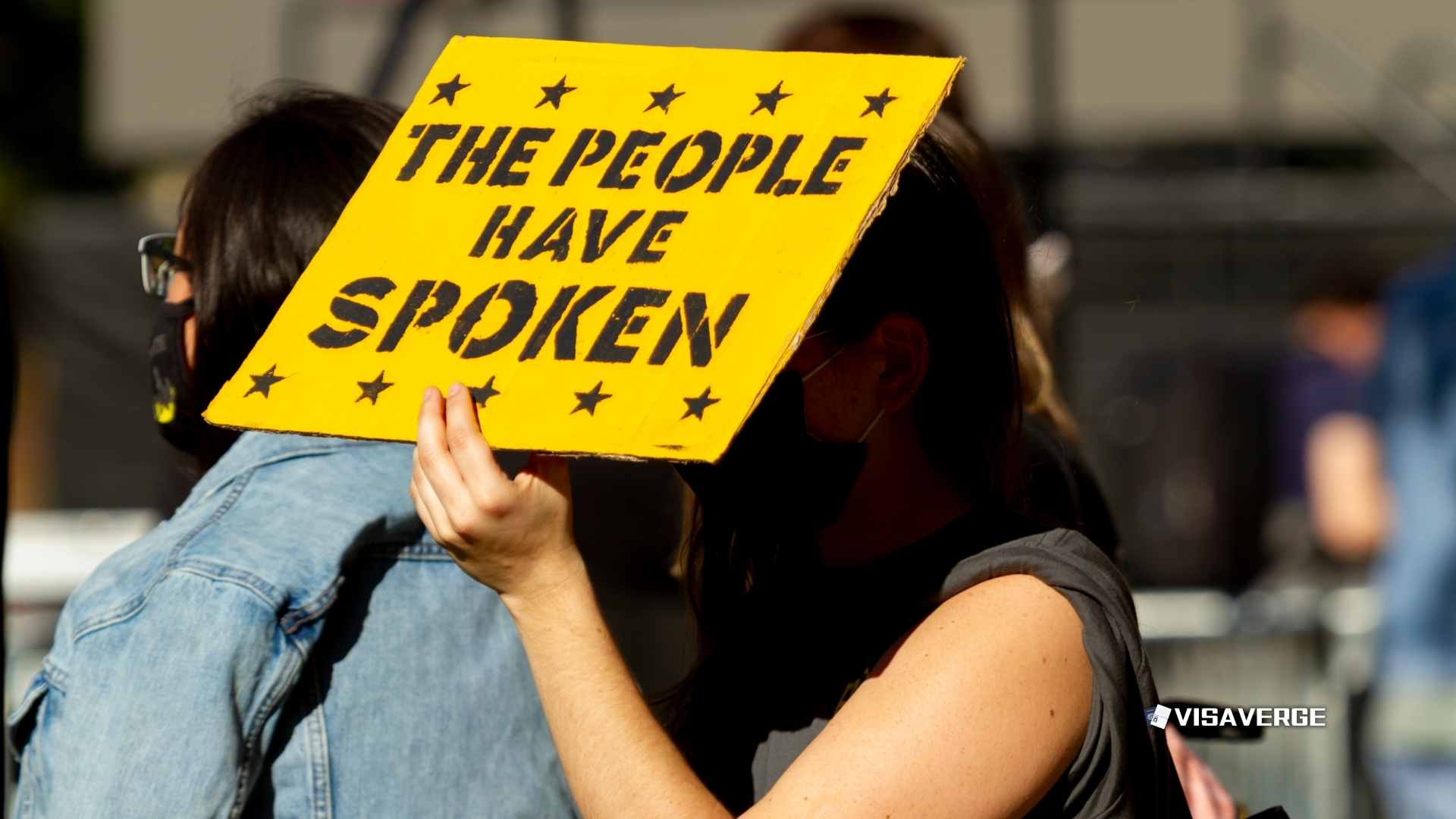
Department of Homeland Security said the man approached Border Patrol officers with a firearm and agents fired defensively after an attempt to disarm him.
A crowd formed quickly at the scene after the gunfire, with civilians confronting federal personnel as the protest grew, officials said. Over 100 people gathered, and the mood turned tense as protesters shouted and moved toward the agents.
Clashes followed, with federal agents deploying tear gas and stun grenades, officials said. At least one person was pepper-sprayed, and authorities arrested two people during the protest response.
The handgun recovered at the scene was a SIG Sauer Emperor Scorpion, local officials said. Those officials also said the man had a permit to carry the firearm.
As the situation developed, Minneapolis Police Chief Brian O’Hara refused ICE demands to dismiss local police from the scene, according to the account provided by local officials. The standoff over who controlled the perimeter added to the friction during the protest.
Hennepin County Attorney Mary Moriarty demanded local law enforcement secure the site and said her office worked with the Minnesota Bureau of Criminal Apprehension, while criticizing federal blockage of access. FBI armored vehicles later arrived, officials said.
The ICE shooting and the protest response put Minneapolis officials and federal authorities into open disagreement over scene control, even as investigators sought to determine how the encounter unfolded. Authorities described some enforcement actions during the unrest as still being clarified.
Protesters at the intersection chanted “I smell Nazis.” The chant reflected anger at federal immigration enforcement and the presence of armed federal agents at a neighborhood street corner.
Saturday’s confrontation came amid rising attention in Minneapolis to federal enforcement operations and how they interact with local policing, especially at fast-moving scenes. Residents and organizers have repeatedly pressed city leaders to limit cooperation with federal immigration activity, while federal agencies have pushed to secure operational control when their personnel use force.
Minnesota Governor Tim Walz confirmed speaking with Trump administration officials after the shooting.
U.S. Senators Amy Klobuchar and Tina Smith condemned ICE’s continued presence. President Donald Trump was briefed on the incident, officials said.
Local and federal statements offered different emphasis on what happened in the moments before the shots. Department of Homeland Security framed the encounter as a defensive response after an effort to disarm the man, while local officials focused on what they said were limits on access to the site after the killing.
The dispute also played out in real time at the intersection, where law enforcement vehicles and armed personnel stood in view of the crowd. The arrival of FBI armored vehicles underscored the heavy federal posture as the protest continued.
Saturday’s ICE shooting marked the third ICE-related shooting in Minneapolis in January 2026, according to the information provided by officials.
Earlier this month, Renée Good was killed on January 7, and the incident sparked nationwide protests, including in Los Angeles where demonstrators blocked traffic in Boyle Heights, burned an American flag downtown, and called the incident “murder”.
A separate ICE-related shooting the following week injured a Venezuelan man in the leg, officials said. Authorities did not release further details in the information provided.
The back-to-back incidents have brought renewed focus to how federal officers operate in Minneapolis and how quickly isolated encounters can turn into large public demonstrations. Saturday’s protest drew more than 100 people immediately after the gunfire, a turnout that officials said contributed to the volatility at the scene.
The crowd’s anger centered on the presence of federal agents and the use of lethal force, with demonstrators pressing toward the intersection while agents held their ground. As federal agents deployed tear gas and stun grenades, the confrontation turned from chanting to a more physical standoff, officials said.
O’Hara’s refusal to remove local police at ICE’s request highlighted jurisdictional tensions that have surfaced repeatedly in the wake of ICE-related incidents. Moriarty’s demands for local law enforcement to secure the site, and her criticism of federal blockage of access, added another layer of conflict over how investigations should proceed when federal agents fire.
Walz’s outreach to Trump administration officials signaled that the shooting quickly reached the highest levels of state and federal politics. Klobuchar and Smith’s condemnation extended the political response beyond Minnesota’s executive branch, as scrutiny of federal immigration enforcement intensified.
As attention focused on Minneapolis, claims circulated online about demonstrations elsewhere. Officials said they had no confirmed reports tying any protest in Midland, Texas, or elsewhere on January 25, 2026 to Saturday’s ICE shooting in Minneapolis.
The only nationwide protest activity described in the available accounts centered on earlier demonstrations after the January 7 killing, with specific references including Los Angeles. No sources cited by officials described a Midland protest planned for Sunday in response to the January 24 shooting.
Even so, Saturday’s events in Minneapolis showed how quickly a local shooting can trigger mass public response at the scene, forcing decisions about crowd control, investigative access, and which agency sets the perimeter. By the end of the confrontation, at least one person had been pepper-sprayed and two people had been arrested, while federal vehicles and armed personnel remained visible at the intersection where the shooting happened.