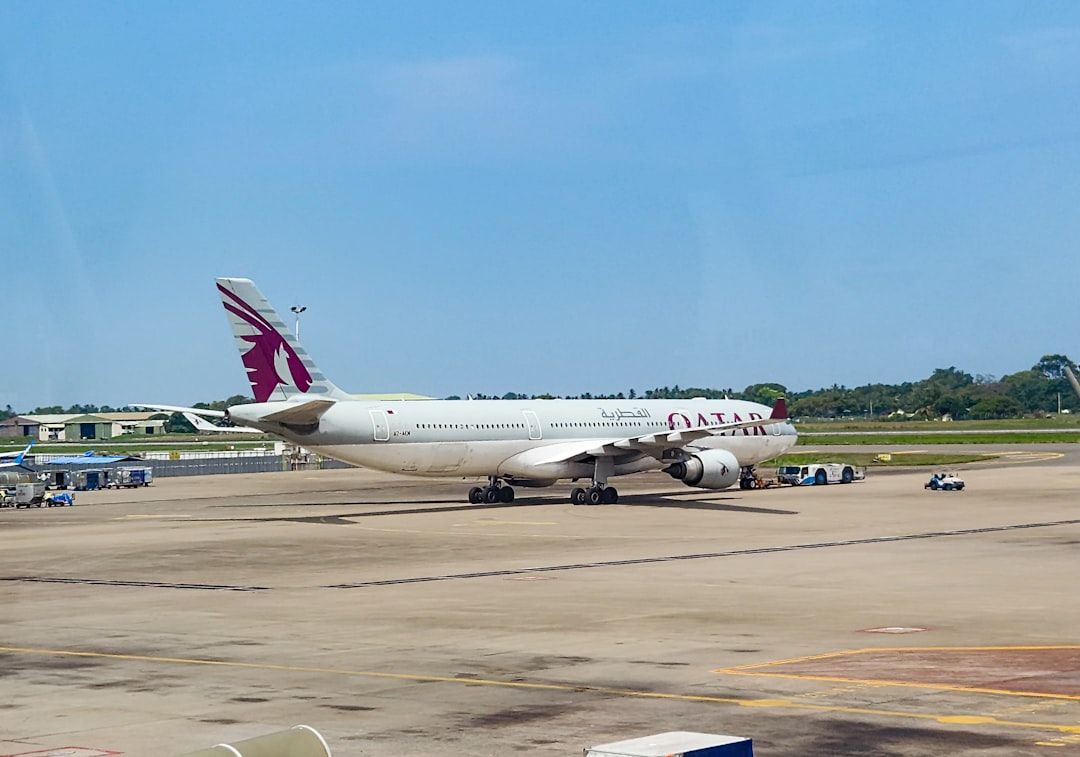
- Global energy markets and shipping lanes face severe disruption as Middle East conflict drives up insurance and freight costs.
- Airlines are rerouting around conflict zones, causing a surge in fuel consumption, ticket prices, and widespread flight cancellations.
- Migrant workers and families face economic uncertainty as remittances, job stability, and household inflation are impacted by regional volatility.
(MIDDLE EAST) — The Middle East war has disrupted oil shipments, forced airlines and governments to adjust transport and evacuation plans, and pushed businesses worldwide to confront higher energy costs and fears over trade corridors, Reuters reported.
Markets and travelers have treated the conflict as a global economic shock, not a contained security event, as price moves and operational disruptions spread into oil markets, shipping lanes and aviation networks.
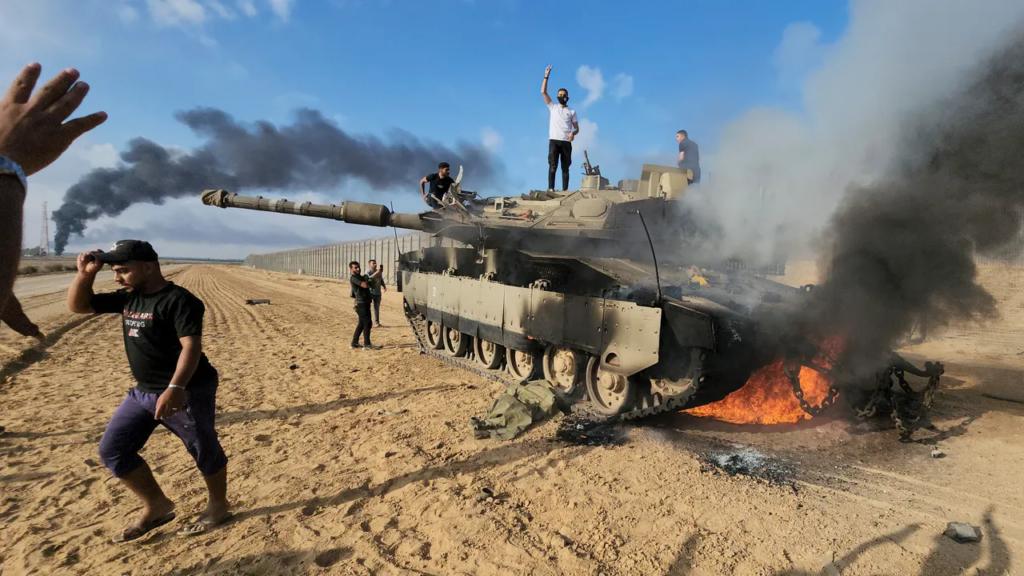
For VisaVerge readers, the spillovers have hit practical decisions fast, from airfare volatility and reroutes to the feasibility of visa-linked trips, remittances, job stability and household inflation.
Recent escalation has turned what many companies priced as a risk into day-to-day disruption, with airspace closures spreading across the region and supply routes growing less reliable.
At the center of the strain sits the Gulf’s energy and transport system, where even partial interference can lift insurance costs, risk premiums and freight pricing in a matter of days.
The Strait of Hormuz has carried an outsized role in that transmission. Reuters reported that about 20% of the world’s oil and LNG supply normally moves through the chokepoint, and that shipping through Hormuz has been badly disrupted.
Producers have also responded on the supply side. Reuters reported that Kuwait cut output as the conflict intensified, adding to wider anxiety over how much energy can move, and at what cost.
Airspace constraints have collided with energy chokepoints as airlines reroute around conflict zones and closures, stretching long-haul schedules and tightening network reliability on corridors that run between Asia, Europe, Africa and North America.
Longer routings mean higher fuel burn and more crew and aircraft time per trip, costs that airlines struggle to absorb when fuel moves sharply and schedules become less predictable.
Oil has acted as the first and biggest shock, with price swings themselves raising costs for hedging and contract planning even when benchmarks pull back.
Reuters reported that Brent crude surged above $119 a barrel before falling back after remarks pointing to possible de-escalation, a whipsaw that signaled how quickly assumptions can break under conflict-driven volatility.
On March 10, Reuters said Brent settled near $91.81 after extreme volatility, following a jump to the highest level in years.
Those moves have mattered beyond energy traders because oil feeds into transport, electricity, manufacturing, fertilizers, food distribution and consumer prices, tightening household budgets as quickly as company balance sheets.
Before the war’s escalation, the IMF had projected a gentler oil-price path for 2026, and the World Bank’s January 2026 outlook also assumed softer crude prices. The conflict has thrown those assumptions into question.
Asian policymakers have faced immediate pressure. Reuters reported that the conflict has forced Asian central banks into a policy rethink because higher fuel costs make inflation harder to control while weaker growth makes rate cuts harder to justify.
Financial markets have reacted as if growth could weaken while inflation rises. Reuters reported that equities fell, the dollar rose, and traders cut back expectations for Federal Reserve rate cuts because the war raised the risk of a stagflationary shock.
Shipping has carried the second wave of disruption, as maritime risk premiums rise and carriers reconsider routing when security scares intensify.
Reuters reported that supertanker costs in the Middle East hit all-time highs as the conflict intensified and attacks or threats to shipping through the Strait of Hormuz mounted.
Freight rates for LNG and crude shipments also jumped sharply, raising the landed cost of goods and injecting delays into supply chains that depend on reliable delivery windows.
Earlier this year, Reuters reported that a return to Suez and Red Sea traffic would have freed 6% to 7% of global container shipping capacity, a relief valve that importers and retailers watch closely.
That normalization has become harder as renewed geopolitical risk complicates routing decisions and keeps security costs in the price of moving everything from fuel and chemicals to electronics and food inputs.
The Suez-Red Sea system has already shown how quickly disruption can hit national revenues. Reuters reported in 2025 that Red Sea disruption had cost Egypt around $7 billion in Suez Canal revenue in 2024.
Aviation has become one of the most visible channels for households, as higher fuel and longer routings show up in fares and cancellations, often with little warning for travelers.
Reuters reported that airlines around the world have started raising fares because jet fuel prices have surged from around $85-$90 a barrel before the conflict to roughly $150-$200.
Airlines have also rerouted flights, adjusted schedules and coped with airspace closures on important Asia-Europe corridors, tightening capacity and increasing the chance of missed connections for passengers who rely on Gulf hubs.
Reuters reported that Qantas increased international fares, while Air New Zealand raised prices and suspended its 2026 financial outlook because of uncertainty over fuel costs.
For Indian travelers, disruptions have compounded. Reuters reported that Indian airlines are facing a “double blow” from both the Iran war and pre-existing Pakistani airspace restrictions, with 64% of scheduled flights to the Middle East, Europe, and North America not operating over a recent 10-day period.
The impact has extended beyond schedules into mass disruption. Reuters also reported that more than 21,000 flights were canceled in the early phase of the crisis, stranding passengers and scrambling travel plans worldwide.
Even when visas remain valid, travelers have had to weigh whether routes stay available, whether connections hold, and whether repriced tickets push trips out of reach for students, workers abroad and families planning reunions.
For businesses, the same volatility has complicated travel budgets and logistics planning, as jet fuel and freight costs change the economics of meetings, events and shipping commitments.
Inflation risks have spread beyond fuel as transport and logistics costs rise, reinforcing the pressure on central banks that must balance price stability with slowing growth.
Reuters reported that emerging Asian central banks in particular face a harder trade-off because they must contend with imported fuel inflation and the risk of capital outflows.
The World Bank warned before this escalation that renewed commodity-price volatility could raise uncertainty, reduce investment and slow job creation, a combination that can hit migrants and globally mobile workers through weaker hiring and delayed wage growth.
Tourism, hospitality and business travel have also taken a hit as Gulf connectors wobble and as cancellations and route changes ripple through global networks.
Reuters reported that regional shutdowns, airport closures and financial-market volatility have disrupted tourism and transit operations across Gulf business hubs that have spent years building themselves into global aviation and services centers.
Dubai, Doha and Abu Dhabi function as connectors for passengers moving between Asia, Europe, Africa and North America, so disruption at those nodes can reverberate well outside the region.
Business travel has faced added friction when schedules become unreliable and costs rise, as companies reconsider trips, postpone events or absorb higher budgets that squeeze other spending.
Jobs, migrant labor and remittances have emerged as a quieter exposure, particularly for families who rely on Gulf wages to support rent, education and healthcare back home.
Millions of workers from India, Pakistan, Bangladesh, Nepal, the Philippines, and African countries depend on Gulf jobs, and a slowdown in construction, tourism or services can translate into layoffs, lower overtime, fewer new contracts and delayed salary payments.
Reuters reported that India has expressed “great anxiety” over the conflict, in part because of risks to energy supplies and to Indian workers and businesses connected to the Gulf.
Reuters also noted that weaker Middle East economies could hit India’s remittance inflows from the region, adding strain for households that depend on cash sent home to cover essentials and repay debt.
The World Bank’s January 2026 regional analysis warned that for some economies, the benefits of lower oil prices had to be weighed against the possibility of weaker remittances from GCC countries, a risk that grows when conflict pressures Gulf activity.
Import-dependent countries have faced some of the hardest squeezes because higher energy prices lift import bills, pressure currencies and feed domestic inflation.
Reuters reported that the Indian rupee and bond market came under pressure as the war escalated and energy prices rose, a reminder that market stress can show up quickly in borrowing costs and household credit conditions.
Pakistan has also moved to protect trade lifelines. Reuters reported that Pakistan launched a naval security operation to protect merchant shipping and energy supplies because about 90% of its trade depends on sea routes and it is heavily reliant on imported energy.
Oil exporters have not been insulated from the transport and security dimension, since higher prices help only if cargo can move and buyers can receive it on time.
Reuters reported that Saudi Aramco warned of “catastrophic consequences” if the war drags on, and said the company was trying to move more oil through its Red Sea outlet at Yanbu as Hormuz became increasingly difficult to use.
The scale of the global risk has depended on how long the war lasts and whether damage to infrastructure becomes persistent, with policymakers watching whether disruption stays brief or turns into a new operating baseline for energy, shipping and aviation.
The IMF’s first deputy managing director said the economic fallout will hinge on the duration of the war and whether higher energy prices prove temporary or long-lasting, a distinction that can separate a painful spike from a longer shift in growth, inflation and migration-linked plans.
For migrants, students, NRIs and globally mobile workers, the indicators to watch have been practical and fast-moving: airspace notices, airline network changes, shipping advisories and the risk pricing embedded in oil markets that filters into jet fuel and freight contracts.
As the Middle East war continues to unsettle oil markets and global transport routes, the lasting question has been whether disruption recedes quickly or persists long enough to reshape the cost of travel, the pace of hiring, and the flow of remittances that connect Gulf paychecks to family budgets thousands of miles away.