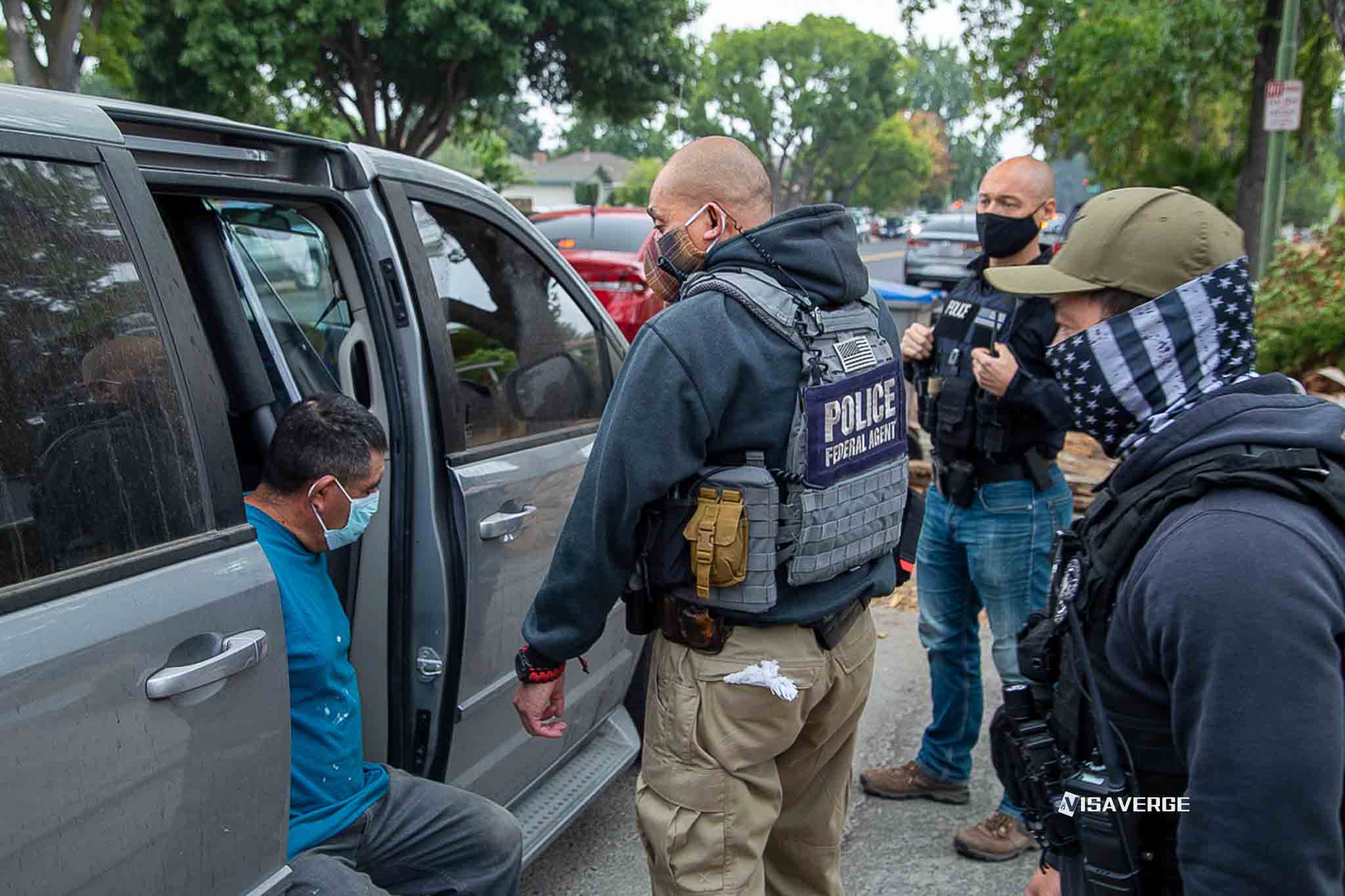
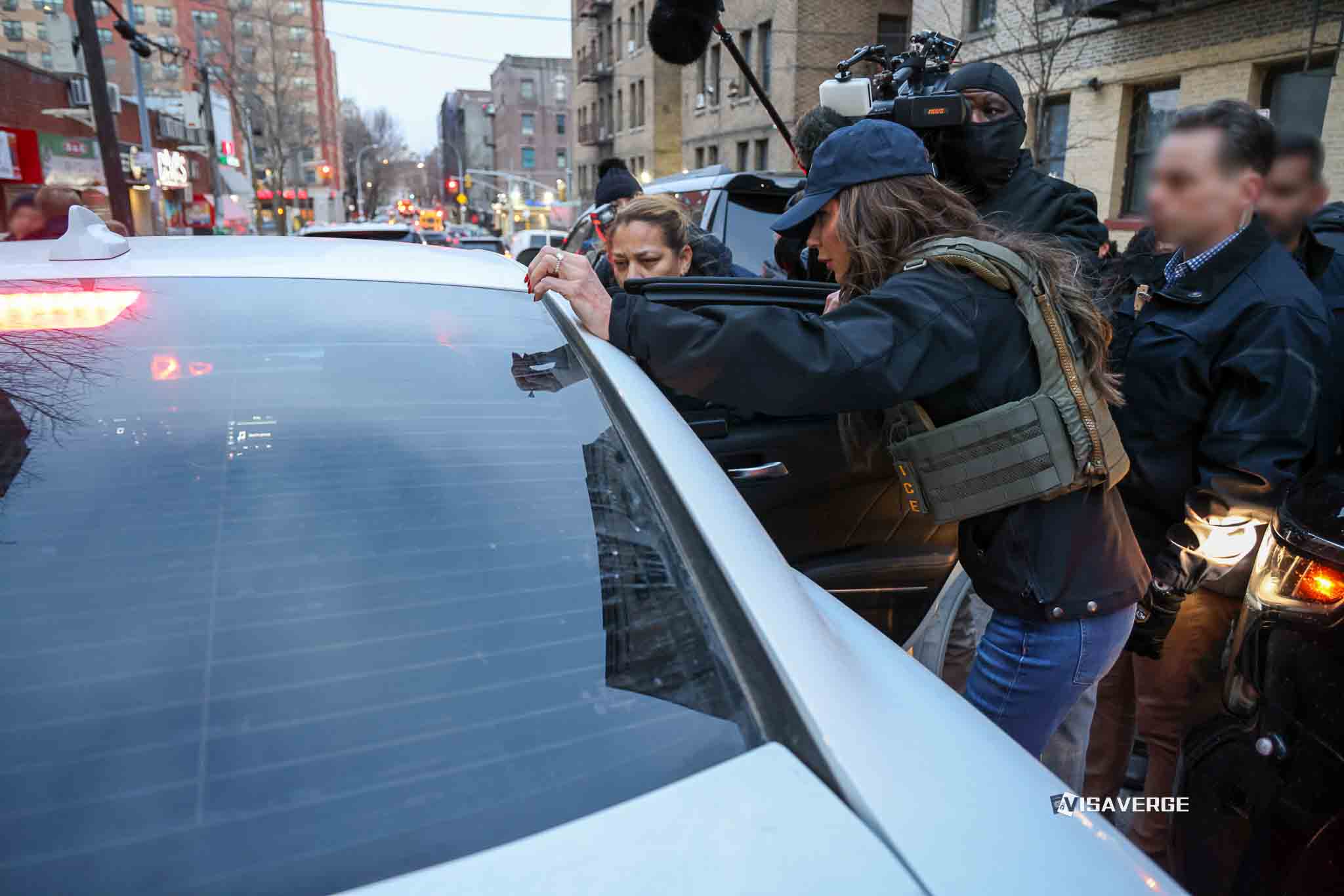
(BURLINGTON, MASSACHUSETTS) Immigrants held at the Burlington ICE field office are spending less time in detention there, but many are being pushed more quickly into out-of-state facilities where lawyers say it is harder to fight their cases. After a December 2025 visit to the Massachusetts office, U.S. Rep. Seth Moulton said people picked up by immigration agents are now often held only for hours or a few days before being sent elsewhere, instead of remaining for longer periods under what advocates had described earlier in the year as poor conditions. The faster pace may ease local overcrowding, but it is also reshaping the legal battlefield for some of the state’s most vulnerable residents.
Shift in detention patterns at Burlington
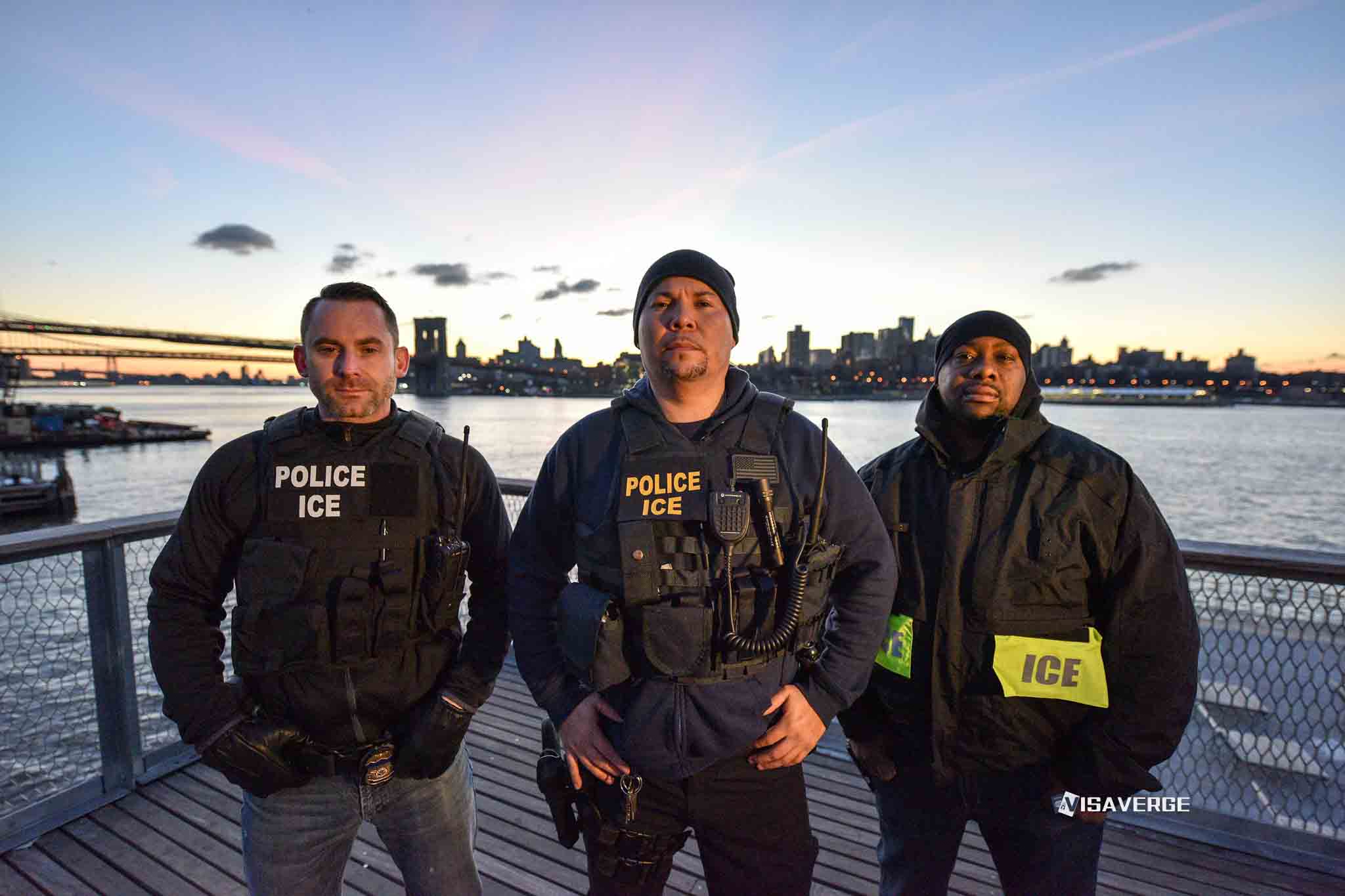
The Burlington ICE office became a flashpoint earlier in 2025, when detainees and advocates reported crowded cells, long stays, and limited access to basic needs. Those reports pushed Massachusetts officials to press for changes. Now, according to Moulton, the short-term problem has shifted: people are moving through the facility more quickly, but they are also being taken far from Massachusetts, where judges and legal systems are often seen as more open to immigrants’ arguments.
“The consequence of that is that they don’t have as much time for lawyers to intervene in their cases,” Moulton said, warning that due process can suffer when speed replaces careful review.
Immediate consequences for families and legal representation
For many families, the new pattern means a race against the clock as soon as a loved one is picked up. Immigrants may be brought to Burlington, allowed a brief phone call, and then quickly put on a bus or plane out of the state. In some cases, that happens before relatives even know exactly where their family member is being held.
Lawyers who used to rush to Burlington to meet new clients now say the window to step in is much smaller. They fear that people with strong asylum claims or long ties to Massachusetts could lose their chance to present those facts fully in court, simply because they are transferred before a local attorney can act.
Example: rapid transfers across states
One story that has drawn attention is that of Pascual Cuin González, an asylee from New Bedford who was taken into custody and briefly held in Burlington before being moved hundreds of miles away. He was sent first to Buffalo, New York, and later ended up in Louisiana, where he was eventually released.
A quick chronology of that transfer:
1. Taken into custody and briefly held in Burlington, MA
2. Transferred to Buffalo, NY
3. Moved to Louisiana, then released
This movement — from New Bedford to Burlington, Buffalo, and the Deep South in a short span — shows how national ICE transfer patterns can break the link between a detainee and the community that knows them best. It also highlights how quickly a person’s legal landscape can change once they leave Massachusetts.
Impact on legal defenses and local review
Lawyers and judges in Massachusetts have generally built a reputation for closer review of immigration cases and stronger concern for immigrants’ rights. That does not mean every case ends in relief, but it does mean people often get:
- More time with counsel
- A fuller chance to gather documents, witnesses, and expert reports
- Access to local attorneys familiar with the community and its records
When detainees are shipped off to remote facilities in other states, finding any lawyer at all can be difficult — especially one with ties to the immigrant’s home community. According to analysis by VisaVerge.com, advocates across the country say distance, language barriers, and lack of local contacts often work together to weaken defenses once someone is moved away from their support network.
Human cost beyond court strategy
The transfers have tangible human consequences:
- Families can be left without a breadwinner overnight, not knowing which state their relative is in.
- Children may suddenly lose a parent from the household.
- Community groups and churches that would normally visit Burlington to offer support, explain court dates, or bring in documents for bond hearings often cannot travel to faraway facilities.
- For asylum seekers who have already suffered trauma, being moved repeatedly — often in shackles and without clear information — can add another layer of fear.
Supporters in Massachusetts say the system now feels less like a local process and more like a national conveyor belt.
Policy context: broader federal changes
The changes in Burlington are taking place against a wider backdrop of Trump administration policies that have:
- Expanded deportation efforts
- Narrowed humanitarian protections
- Moved to speed up removals
- Limited the use of prosecutorial discretion
- Rolled back certain protective programs
The administration ended Temporary Protected Status (TPS) for several nations, including Haiti, cutting off a legal protection that had allowed many people to live and work in the United States without fear of sudden removal. Critics say those policy shifts have encouraged faster ICE operations in places like Massachusetts and made field offices part of a larger push to move people toward deportation more quickly.
Transparency concerns and access for lawmakers
Members of Congress from Massachusetts, including Moulton, have raised concerns not just about transfers but also about how hard it has become to see what is happening inside immigration facilities.
- New federal rules now require lawmakers to get advance permission before visiting ICE detention centers.
- Surprise inspections are almost impossible, fueling worries about transparency at Burlington ICE and similar sites.
- Lawmakers fear that without the ability to drop in unannounced, problems could go unnoticed until they are severe.
- Advocates note that pre-arranged visits allow officials to prepare in ways that may not reflect everyday conditions.
Advocacy demands and ICE response
Immigrant rights groups in Massachusetts argue that shorter stays in Burlington should not come at the cost of basic fairness. They are pushing for:
- Better access to phones and video calls, so detainees can reach local lawyers before being moved
- Clearer information shared with families when a transfer is planned, including the exact name and location of the new facility
On the federal side, U.S. Immigration and Customs Enforcement says it manages a large, complex detention system spread across many states. The agency’s official detention information, available through U.S. Immigration and Customs Enforcement, explains that people can be moved for reasons such as space, security, or medical needs. But for those watching loved ones disappear into that system, the reasons can feel abstract compared with the shock of an empty bed at home.
How legal services are adapting
As Massachusetts continues to see residents taken from cities like New Bedford and moved through Burlington ICE into distant jails and detention centers, legal service organizations are trying to adjust:
- Some are building ties with attorneys in New York and Louisiana to track clients who have been transferred.
- Others are training families on what information to collect quickly, such as alien numbers and arrest details.
- The goal is to act fast in hopes of keeping a case tied to Massachusetts for longer.
For now, the trend is clear: faster processing at the Burlington office is reducing how long immigrants stay in the state, while at the same time raising the legal hurdles they face far from the communities that know them best.
Rep. Seth Moulton found that Burlington ICE now processes detainees rapidly, holding people only hours or days before moving them to distant facilities like Buffalo and Louisiana. Advocates warn that quick transfers limit access to local lawyers, hinder evidence gathering, and disrupt family connections. Legal groups are forming interstate partnerships and training families to collect arrest details. Lawmakers call for better transparency, while ICE cites space, security, and medical needs as reasons for transfers.