- Lufthansa plans to resume Frankfurt-Tehran flights on January 16, 2026, despite ongoing regional instability and protests.
- The scheduled service remains under active security review and could change based on ground conditions.
- Airlines show divergent approaches to Iran service, ranging from extended suspensions to limited operational resumptions.
(TEHRAN, IRAN) — lufthansa plans to resume flights between Frankfurt and Tehran on January 16, 2026, despite mass protests in iran and widespread flight cancellations by other international carriers.
A Lufthansa spokesperson confirmed the carrier’s intention to restart the route while stressing it is watching events closely. “Lufthansa continues to suspend flights to Tehran and plans to resume services on 16 January, as previously communicated, while closely monitoring the situation on an ongoing basis,” the spokesperson said.
The plan matters for passengers traveling to Iran and for those connecting through Lufthansa’s Frankfurt hub, where schedule changes can ripple into onward itineraries. Lufthansa had originally planned to restart a thrice-weekly Frankfurt–Tehran service after a six-month suspension that began in June 2025.
Security and Ground Conditions
Conditions in Iran have made airline decisions particularly sensitive and prone to late changes. Mass protests sparked by a cost-of-living crisis have escalated dramatically, with reports of security forces using deadly force against demonstrators.
Iran’s government has blocked all internet access nationwide, including military blocking of Starlink terminals, making it difficult to verify the full extent of the unrest. That kind of information gap can complicate real-time monitoring by travelers and airlines alike, especially when decisions hinge on rapidly changing conditions.
Against that backdrop, one source described Lufthansa’s schedule as being “under active security review,” raising the prospect that the January 16, 2026 resumption date could still shift. Lufthansa has not withdrawn the date in its public communication, but the review language underscores how quickly plans can change.
This section provides context on the current security and ground situation; an interactive tool may be available here to show real-time developments and their operational impact.
Operational Considerations
airlines typically treat service to a city like Tehran as a linked set of risks rather than a simple commercial decision. Crew duty considerations, ground handling arrangements, insurance assessments, and security evaluations can all be affected by events that develop outside the airport perimeter, and those judgments can change with little notice.
Other international carriers have responded in mixed ways, highlighting a broader industry recalibration rather than an isolated Lufthansa decision. turkish airlines extended its suspension until at least January 14, having canceled more than 17 flights over the weekend.
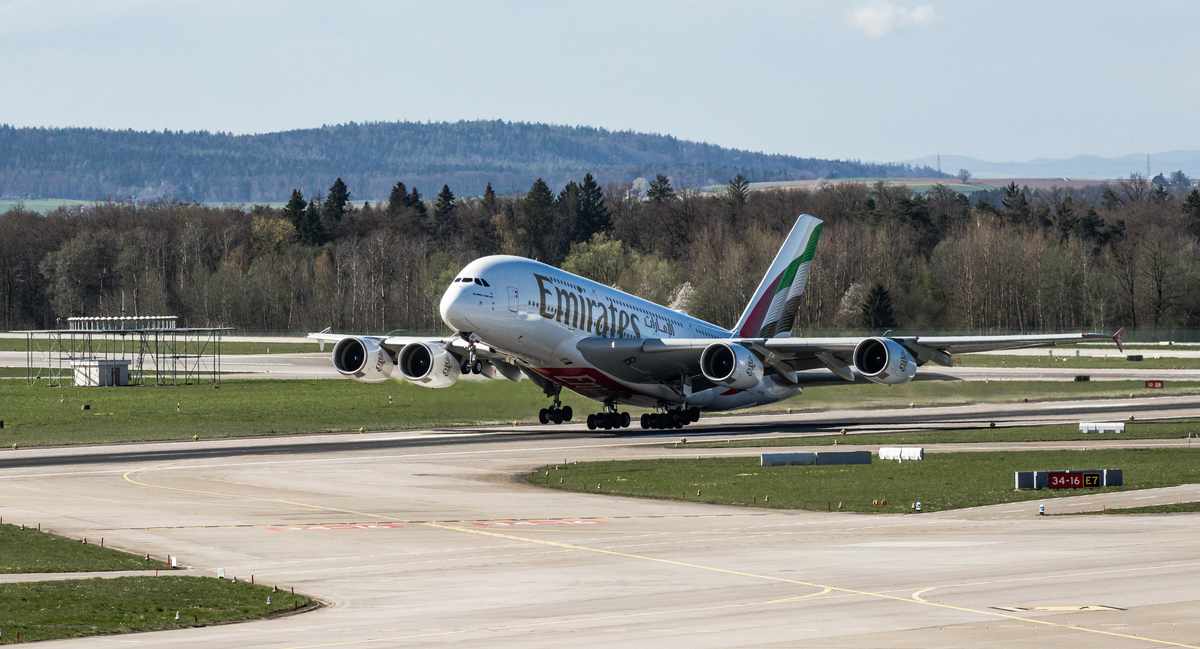
Austrian Airlines suspended its Vienna–Tehran service on January 9. At the same time, Emirates, flydubai, Qatar Airways, and Etihad Airways have returned to limited Tehran service as of January 11.
Differences between airlines can reflect network needs and operational constraints. Carriers may vary in their risk tolerance, crew and insurance requirements, and the operational planning needed to maintain service into a market where conditions can change quickly.
Operational considerations and direct quotes about security reviews may be supplemented with an interactive tool to show timeline changes and source statements.
What Travelers Should Expect
For travelers, the patchwork of suspensions and partial resumptions can narrow options and increase the likelihood of last-minute disruptions. Even when an airline is operating, limited service can mean fewer alternative flights if a departure is canceled, and rerouting through other hubs can be harder to secure on short notice.
When airline schedules are volatile, travelers may face changes to flight times, short-notice cancellations, or reroutings that affect hotel bookings, ground transport and connections. The stakes rise for travelers with time-sensitive plans, including those relying on onward connections through Frankfurt.
- Monitor airline advisories and any airline-provided updates
- Keep travel plans flexible and prepare contingency routings
- Be aware that limited local connectivity (including nationwide internet shutdowns) can hinder communication and coordination on arrival
Travelers already holding tickets may face knock-on effects beyond the flight itself. Any change in arrival time or an unplanned stopover can affect coordination with family, business contacts, and ground arrangements at the destination.
Background and Timeline
Lufthansa’s current plan comes after a long pause in operations tied to regional security developments. Lufthansa last operated the Frankfurt–Tehran route in March 2025 before suspending it in June 2025 following Israeli strikes on Iran’s nuclear program and subsequent Iranian ballistic missile attacks on Israel.
That history matters because airlines often keep routes suspended well after an initial trigger event, especially when assessing the broader trajectory of risk. A route can remain off the schedule even when immediate hostilities ebb, because carriers factor in continuing uncertainty and the practicalities of resuming operations safely.
Lufthansa’s own phrasing combined two messages: ongoing suspension in the present, and an intended restart in the near term. “Lufthansa continues to suspend flights to Tehran and plans to resume services on 16 January, as previously communicated, while closely monitoring the situation on an ongoing basis,” the spokesperson said.
The separate description from one source that Lufthansa’s schedule is “under active security review” further highlights that planning process. It suggests the airline is continuously assessing the operating environment, rather than treating the announced date as fixed regardless of developments.
Summary
Lufthansa’s planned resumption on January 16, 2026 places it on a different timeline from some peers, including Turkish Airlines, which extended its suspension until at least January 14. The divergent approaches leave travelers balancing competing signals in a fast-changing operating environment, where airlines may adjust decisions with little warning.
Passengers should expect potential late changes and plan for flexibility, contingency routings, and limited local connectivity that could affect communications and logistics on the ground.
Lufthansa aims to resume its thrice-weekly service between Frankfurt and Tehran on January 16, 2026. However, the decision is subject to continuous monitoring of Iran’s volatile security situation, characterized by protests and communication blackouts. While some regional competitors have resumed limited flights, others maintain suspensions. Passengers should prepare for potential schedule changes and ensure they have flexible travel arrangements and contingency plans.