Key Takeaways
• Rep. LaMonica McIver faces two federal charges for allegedly assaulting immigration officers at Delaney Hall during a tense oversight visit.
• Body camera and surveillance footage reportedly show McIver using both forearms to strike an officer while intervening in Mayor Ras Baraka’s arrest.
• The case sparks debate over congressional oversight, political motivations, and future interactions between lawmakers and immigration enforcement at detention centers.
Federal Charges Against Rep. LaMonica McIver: What Happened at Delaney Hall and Why It Matters
New Jersey Congresswoman LaMonica McIver is at the center of a high-profile case drawing national attention. She faces serious accusations after an incident at the Delaney Hall detention facility in Newark, where she was alleged to have assaulted immigration officers during a tense confrontation. The dispute has quickly become more than a legal matter—it says a lot about the current state of immigration debates, the role of elected officials, and how law enforcement keeps order at facilities that house immigrants.
Free toolUSCIS Receipt Number Decoder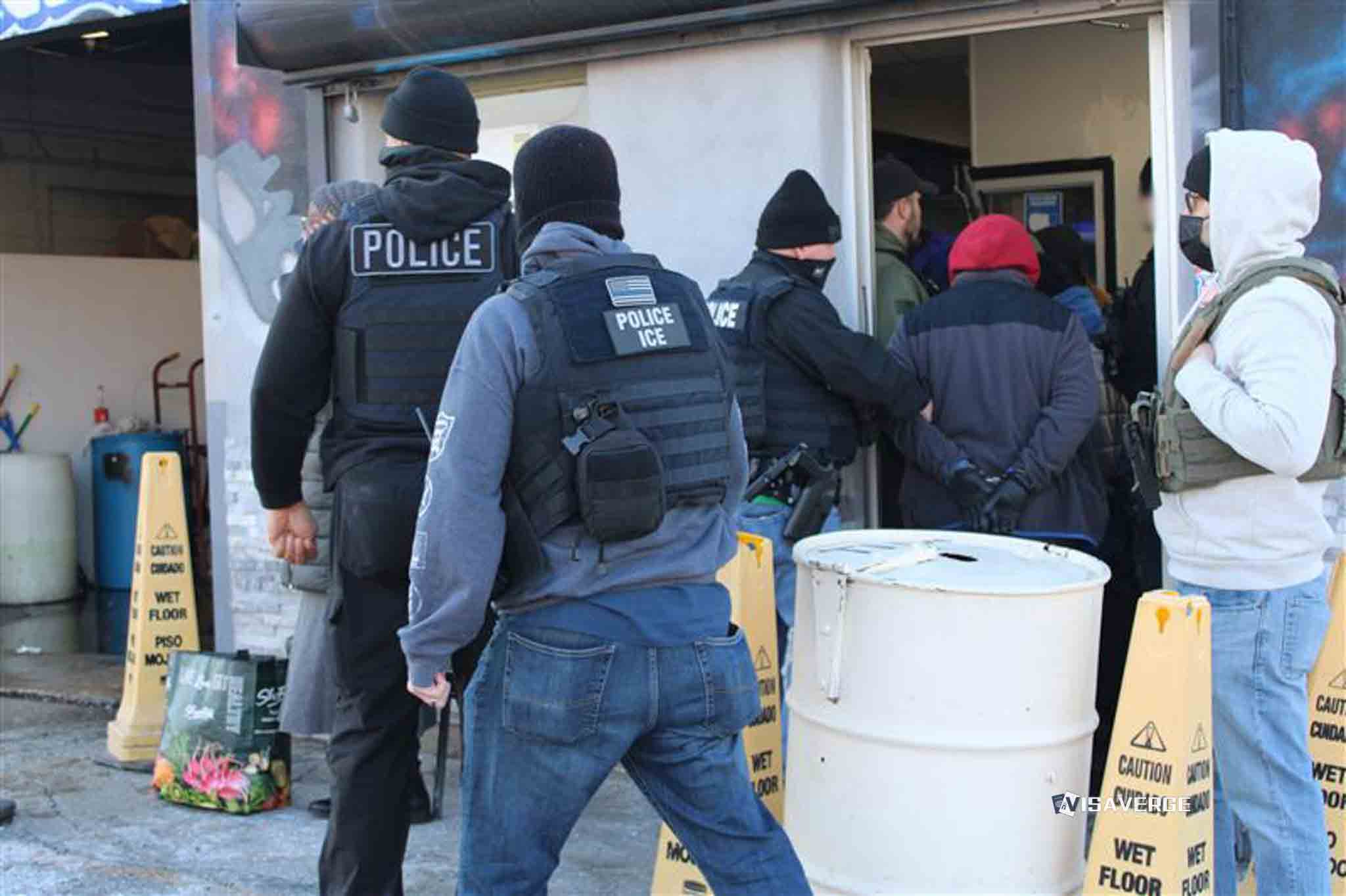
Let’s take a closer look at what happened, why the story is important, and what it could mean for lawmakers, immigrants, and the country as a whole.
The Incident at Delaney Hall: What the Documents Say
Early this month, Rep. LaMonica McIver and two other members of Congress visited Delaney Hall, a large detention facility in Newark. Their purpose was to check on the conditions inside, an act that’s fairly common for lawmakers hoping to provide oversight. Things took a dramatic turn when federal immigration officers moved to arrest Newark Mayor Ras Baraka, who had been with the group. Authorities claimed Baraka was trespassing—though these charges were dropped later.
According to the criminal complaint, the situation quickly escalated. McIver, together with other lawmakers, tried to block immigration officers from removing Mayor Baraka. Prosecutors allege that members of Congress formed what witnesses described as a “human shield” to keep the officers from detaining the mayor.
It was during this scramble that Rep. McIver is said to have acted. Charging documents, which have now been made public in U.S. District Court, claim that McIver “slammed her forearm” into an immigration officer. In fact, the records specify she used “each of her forearms to forcibly strike” the officer, then grabbed him and physically interfered as he tried to make the arrest. Officers later said body camera footage and security video backs up these accounts. This evidence plays a key role in the prosecution’s case.
For these actions, Rep. McIver faces two criminal counts: assaulting, resisting, and impeding a federal officer. Under federal law, these charges carry a possible penalty of up to eight years in prison. However, people found guilty of this crime may not always serve the full sentence; judges consider many factors during sentencing.
What Led to This Showdown?
To understand what happened, it helps to look at the wider picture. Delaney Hall is one of several facilities used by the federal government to hold people on immigration violations. These centers have come under greater public attention in recent years, especially as lawmakers call for more oversight and as the number of detainees increases.
During President Trump’s time in office, policies became stricter around detention and deportation. That’s one reason why congressional visits to places like Delaney Hall often come with a political edge. Lawmakers—especially those critical of the administration—want to see for themselves if detained immigrants are being treated fairly. Sometimes these visits can be tense, as federal immigration officers must balance the need for order and security against the rights and authority of elected representatives.
On the day in question, when Mayor Baraka was ordered to leave the property, things heated up fast. Congressional offices later said their main concern was to prevent what they saw as an unlawful or unnecessary arrest. Yet, the case documents claim that this intervention crossed the line, turning from advocacy into a physical confrontation with immigration officers.
The Players Speak Out: Different Sides of the Story
As the incident became public, those involved began to share their accounts—and their opinions on why things unfolded as they did.
Rep. LaMonica McIver’s Statement
Rep. McIver has denied all wrongdoing. She says she stepped in only because immigration officers, in her words, “escalated tensions unnecessarily by arresting Mayor Baraka.” In statements released after the criminal complaint was made public, she described the charges as “purely political,” suggesting the entire episode was meant to scare lawmakers away from doing their oversight work, especially when it comes to detention facilities. McIver claims that prosecutors “distorted her actions” and are “trying to deter legislative oversight,” pointing to the long and sometimes tense fights between Congress and federal agencies over detention policy.
The View from Homeland Security
Homeland Security Secretary Kristi Noem and other department officials tell quite a different story. They maintain that their immigration officers were simply trying to do their jobs—enforcing security protocols and following orders—when the group tried to physically prevent them from arresting Mayor Baraka. Secretary Noem says that Rep. McIver “assaulted” her officers, putting both the agents and visitors at risk.
A Divided Political Response
Other lawmakers have weighed in, with many of Rep. McIver’s Democratic colleagues claiming that the criminal charges are politically driven. They say this is a way to “suppress opposition voices” at a time when immigration policy debates are especially heated. According to comments reported by VisaVerge.com, some within Congress view prosecutions like this as an attempt to control the way oversight happens, pushing back against those who question or criticize the handling of detainees.
The Legal Stakes: What Does the Law Say?
Rep. LaMonica McIver is charged under a section of federal law covering “assaulting, resisting, or impeding” certain federal officers. This is a serious felony charge, most often carrying a prison term of up to eight years.
The law is strict because it’s meant to protect federal workers, especially in jobs where there’s a risk of physical confrontation. This includes immigration officers, who may face tense situations at places like Delaney Hall, where people are detained and emotions can run high.
However, courts also look at the full context before deciding on punishment. Factors like why the confrontation started, the type of force used, someone’s previous record, and even the reasons behind their actions all matter. Sentences can be much lower than the eight-year maximum.
Anyone who wants to read the complete law and see how it’s applied can find the current statutes on the U.S. Department of Justice official website.
The Human Side: Why This Story Matters Now
Incidents at places like Delaney Hall are more than one-off news stories. They show the deep divides over how immigration enforcement is carried out and the ever-present friction between federal officers and officials who want to check up on what’s happening inside detention centers.
The case of Rep. LaMonica McIver highlights a few important issues:
- Oversight vs. Security: Lawmakers have the right to see how government-run facilities are managed. But federal immigration officers, responsible for everyone’s safety inside those facilities, are also under pressure to enforce order and stick by their protocols.
- Political Tension: When members of Congress from one party try to visit detention centers, especially when local officials like Mayor Baraka are involved, the visits themselves can become charged events—shaped as much by politics as by concern for detainees.
- Video Evidence: In cases like these, body camera and surveillance footage can provide an important record. According to charging documents, such footage exists for this incident and prosecutors believe it strongly supports the claims against McIver.
What Could Happen Next?
Rep. McIver’s case, now public, is likely to move slowly through the federal court system. There will be chances for her and her lawyers to respond, challenge the evidence, and argue their side in front of a judge or jury. If convicted, she could face prison time, but that sentence will depend on many details presented in court.
Apart from the legal outcome, this story is shaping more than just McIver’s future. It might affect how lawmakers attempt to oversee facilities like Delaney Hall in years to come. If members of Congress fear being charged themselves for physical confrontations, they might be less willing to push back—even when they believe someone’s rights are at stake.
Larger Impacts: Lawmakers, Immigrants, and the Public
Here’s how different groups could feel the effects of this case:
Lawmakers
Members of Congress are supposed to provide checks and balances, including seeing first-hand how immigration laws are applied. If Rep. McIver’s prosecution stands, it could send a strong message: crossing certain lines, especially those involving force, leads to charges—regardless of motive. Some say this “chilling effect” could weaken important oversight.
Immigration Officers
Federal immigration officers have difficult jobs, working under close watch from the public, politicians, and the press. This case could encourage even stricter rules and clearer roles during official visits, so officers can enforce safety without fear of being attacked or blamed for taking firm action.
Immigrants and Their Families
Detainees and their supporters pay close attention to these incidents. When outside authorities—like lawmakers—step in on behalf of someone detained, it can raise hopes for fair treatment or release. But if confrontations end with charges or violence, families and advocates may worry these interventions will become less frequent.
The Public
For the average person, this case is a window into the heated world of immigration enforcement in the United States ??. Stories like this one help people understand why emotions run high at facilities such as Delaney Hall, especially at a time when national debates about borders, security, and human rights are in the spotlight.
Arguments on Both Sides
The events at Delaney Hall have stirred deep debate. Some believe lawmakers must sometimes use bold actions to defend people whose rights are at risk, especially in places rarely seen by the public. Others insist that the rule of law must stand, and that physically blocking or attacking officers undermines safety and good order.
Supporters of Rep. LaMonica McIver say her actions were a last resort to stand up for a local official and all constituents who depend on their representatives to keep federal agencies in check. Detractors, including top federal officials, argue that no one—no matter their title—should break laws or put officers in harm’s way.
What Should Be Done While the Case Unfolds?
While the courts sort through video, witness accounts, and legal arguments, agencies on both sides are under greater pressure to clarify rules and expectations. Lawmakers may call for more training on-site for both visiting officials and federal employees, so this kind of confrontation can be avoided in the future.
Immigration officers may tighten protocols when public figures visit Delaney Hall and similar places, hoping to limit the kind of confusion and rush that led to this high-profile clash.
Conclusion: A Case That Goes Beyond One Person
The case against Rep. LaMonica McIver, stemming from her actions toward immigration officers at the Delaney Hall facility, is about more than an argument gone wrong. It brings to light challenges around congressional oversight, agency authority, and the fragile balance between standing up for rights and obeying the law.
No matter the court’s eventual decision, this event will serve as a reference point and possible new standard for how public officials, law enforcement, and immigration agencies handle visits, disputes, and calls for accountability.
As it continues to unfold, the nation is watching—hoping for fair process and lasting lessons that will help guard both safety and justice for everyone involved. For those wanting more details on official guidelines or laws affecting immigration facilities, check the U.S. Department of Homeland Security’s website section on detention and removal, which explains responsibilities for immigration officers and procedures in centers like Delaney Hall.
Events at Delaney Hall, involving Rep. LaMonica McIver and immigration officers, remind us just how powerful and complex such moments can be—and why careful, calm, and transparent actions matter most in the heated world of immigration enforcement.
Learn Today
Oversight → The process by which elected officials monitor, inspect, or review government agencies and their activities to ensure accountability.
Federal Charges → Serious criminal accusations brought by the U.S. government, often resulting in trials in federal court and significant penalties.
Detention Facility → A secure center where people, often immigrants, are held by authorities while their legal status or cases are decided.
Body Camera Footage → Video recordings from cameras worn by law enforcement officers, frequently used as evidence in investigations or court cases.
Assaulting a Federal Officer → A felony offense involving physically attacking, resisting, or impeding a U.S. government official during their official duties.
This Article in a Nutshell
Rep. LaMonica McIver faces up to eight years in federal prison after a physical altercation with immigration officers at Delaney Hall. Body camera footage is key in the prosecution. The case highlights political tensions, oversight rights, and the risks lawmakers face when confronting law enforcement at immigration detention centers nationwide.
— By VisaVerge.com
Read more:
• Charlotte man charged after threats against immigration enforcement officers
• Canada extends deadline for judicial review of immigration applications
• Hyderabad police arrest Rohingya nationals for illegal immigration
• Illegal immigration cases rise sharply, says South Africa border agency
• Tennessee immigration enforcement law faces criticism over rights concerns