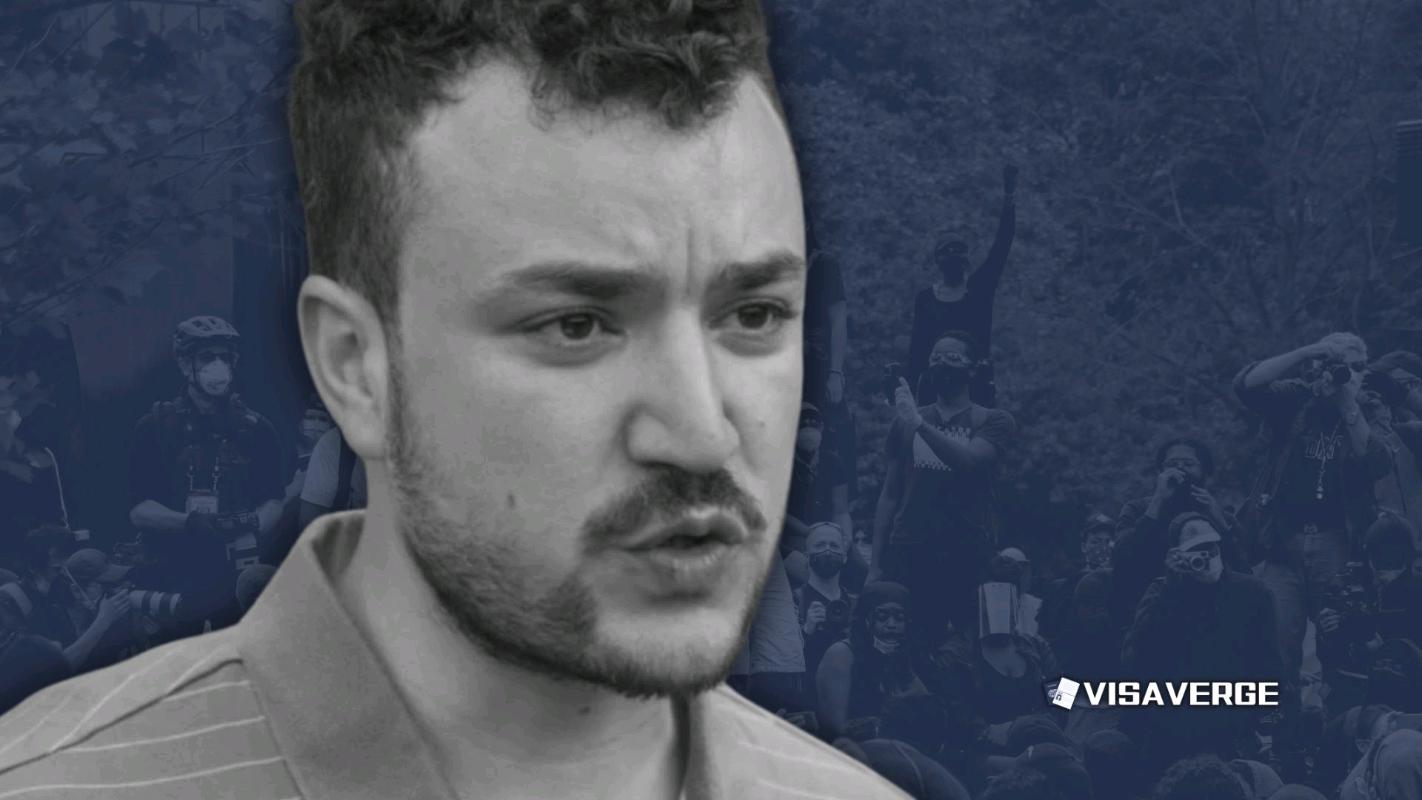
A federal magistrate judge has lifted travel restrictions on Mahmoud Khalil, a Palestinian activist and lawful U.S. permanent resident, allowing him to move freely throughout the country while he fights his deportation case. Judge Michael Hammer found that Khalil has followed all prior release rules and does not pose a flight risk.
Under the new order, Khalil can travel anywhere in the United States as his litigation continues, but he must notify U.S. Immigration and Customs Enforcement (ICE) before he travels. Khalil had asked the court for broader freedom to attend rallies and public events in person, citing his First Amendment right to speak and assemble.
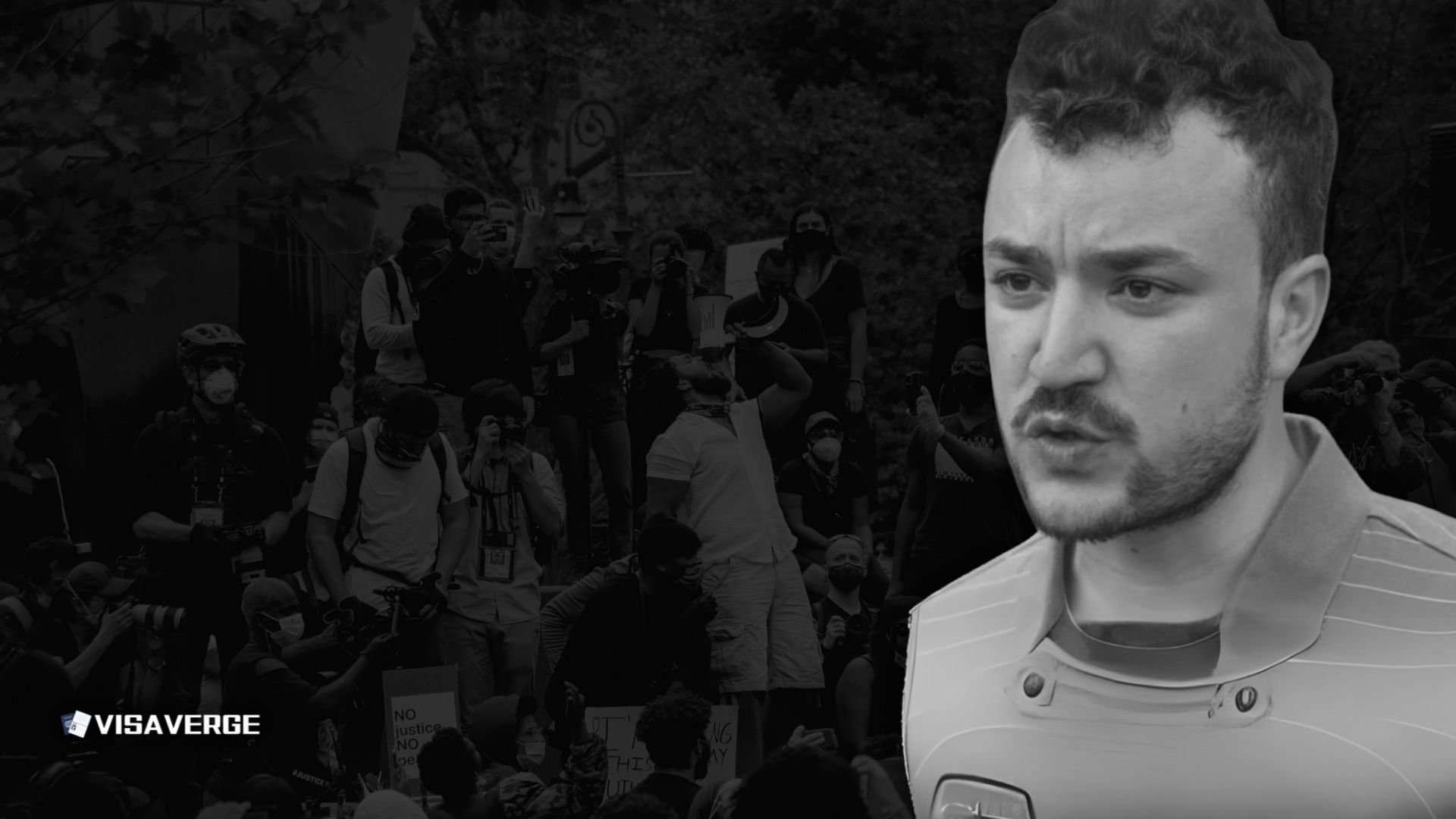
Before this decision, Khalil’s movements were limited to New York, New Jersey, Washington, D.C., Louisiana, and Michigan, a condition set after his release from immigration detention in June 2025. The government opposed lifting the limits, arguing he could join events virtually. Judge Hammer disagreed and granted the request. For Khalil and his supporters, the outcome is more than a procedural shift: it allows him to be present at events he says matter to him and his community.
Policy and legal backdrop
Khalil’s case turns on a little-used, Cold War–era part of the Immigration and Nationality Act that allows removal if the Secretary of State asserts a person’s presence would harm U.S. foreign policy interests. Importantly, this ground does not require criminal charges.
- The statute at issue is commonly cited as INA § 237(a)(4)(C), codified at 8 U.S.C. § 1227(a)(4)(C).
- The official U.S. Code explanation is available on the House site: https://uscode.house.gov/view.xhtml?req=granuleid:USC-prelim-title8-section1227&num=0&edition=prelim.
The government is using this authority to argue for Khalil’s deportation based on his pro-Palestinian activism at Columbia University.
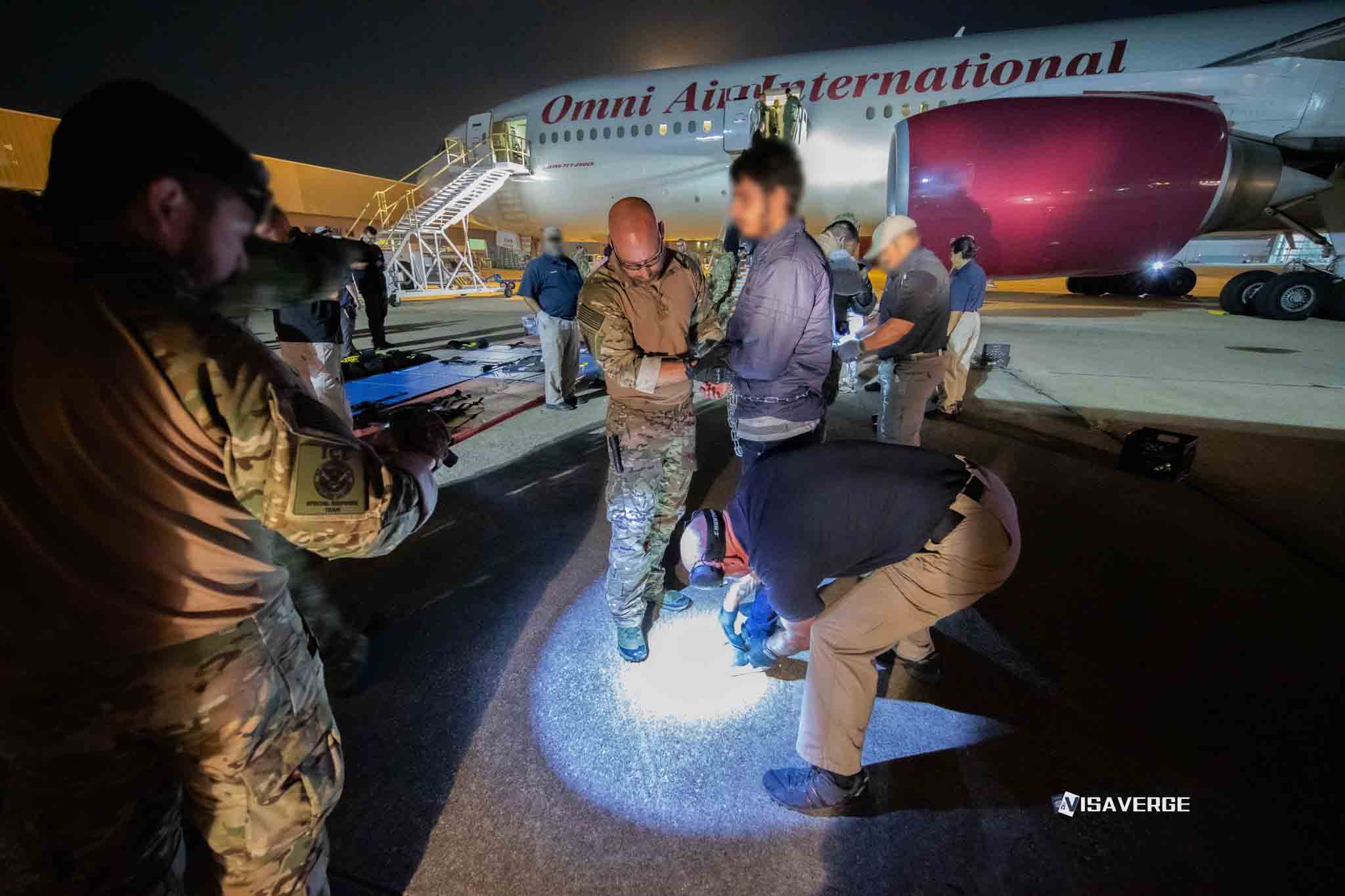
- Khalil was arrested by ICE on March 8, 2025, and held in Louisiana.
- He was released on bond in June 2025, but remained under strict geographic limits until this week’s order.
- An immigration judge has already found him deportable under the foreign policy clause, but he is not set for immediate removal.
Khalil’s lawyers have filed appeals within the immigration system and have brought a federal habeas corpus case in New Jersey, challenging the constitutionality of his arrest and the government’s use of the statute. Analysis by VisaVerge.com describes the matter as a test of how far executive power can go in immigration enforcement when speech and advocacy are involved.
Impact on speech rights and enforcement
At the heart of this dispute is a broader tension between national security/foreign policy concerns and constitutional speech rights.
- Khalil contends he is being targeted for his speech, not for criminal conduct.
- He is a lawful permanent resident and is not accused of committing a crime.
- His motion to loosen movement limits emphasized the First Amendment, arguing he must be physically present at protests, community meetings, and campus forums to speak effectively.
Judge Hammer accepted that view over the government’s claim that online participation was sufficient.
The ruling lifting travel restrictions does not eliminate the underlying risk of removal, but it changes Khalil’s day-to-day reality:
- He can now attend events across the country.
- He can meet with legal teams in different states.
- He can visit supporters and family more easily — but he must alert ICE before he travels.
For people in similar situations, strict geographic limits can block meaningful advocacy and access to counsel. This order weakens that barrier while Khalil’s court fights continue.
Legal arguments and likely trajectory
Khalil’s legal team is pursuing two parallel tracks:
- An appeal within the immigration system challenging the deportation order itself.
- A federal habeas case arguing the statute’s use and his arrest are unconstitutional.
They argue the statute invites misuse by allowing removal based on broad “foreign policy” claims tied to speech. Supporters view the case as a bellwether for lawful residents facing immigration action connected to political views.
The government maintains the authority is valid and necessary, saying some non-criminal activities may harm foreign policy goals. Defense lawyers counter that any claimed “harm” must be narrowly defined and supported, not assumed.
This debate will likely play out in briefs and hearings in both immigration court and the federal court in New Jersey over the coming months. The outcome could influence:
- How agencies use similar provisions in future cases.
- How judges weigh free speech claims when setting bond conditions and movement limits.
Practical effects and advice
Khalil’s situation illustrates how post-detention conditions can affect everyday life. Earlier limits kept him to states tied to his detention or legal matters, resulting in missed events and logistical hurdles.
Now, with travel restrictions lifted:
- He can plan national travel with advance notice to ICE (this remains mandatory).
- People in similar positions should:
- Keep copies of travel notices.
- Confirm receipt with ICE.
- Carry proof of compliance when traveling or at airports.
Important: Khalil is not facing immediate deportation while appeals and the federal case proceed. Immigration appeals and habeas petitions can take months depending on court schedules and briefing deadlines.
Political context and observers’ perspective
- The case began under policies tied to the administration of President Trump, whose officials moved to remove Khalil based on campus activism.
- The legal defense of the government’s position has continued into 2025 under officials in the President Biden administration.
- Politically charged immigration cases often span administrations; litigation generally follows the record and statute rather than changing political priorities.
Community organizations supporting Khalil say they will provide updates as the case moves through both immigration and federal courts. Observers expect more filings focused on how the foreign policy clause should apply to speech and activism by lawful residents.
For now, the judge’s order means Mahmoud Khalil can travel nationwide with prior notice to ICE, attend events in person, and keep building his defense. As the deportation case develops, it will continue to test how the law treats advocacy and whether limits tied to foreign policy concerns can be applied to a resident with no criminal charges. VisaVerge.com reports that legal teams around the country are watching closely, viewing the case as part of a broader discussion about speech, security, and the reach of immigration power.
This Article in a Nutshell
A federal magistrate judge has lifted strict geographic travel restrictions on Mahmoud Khalil, a Palestinian activist and lawful U.S. permanent resident, permitting nationwide travel while his deportation litigation continues. Judge Michael Hammer found Khalil had complied with release conditions and did not pose a flight risk; the order requires advance notification to ICE before travel. Khalil was arrested by ICE on March 8, 2025, released on bond in June 2025, and previously limited to several states. The underlying case relies on INA § 237(a)(4)(C), a Cold War–era foreign policy removal ground. Khalil’s team is pursuing immigration appeals and a federal habeas challenge arguing the statute’s use infringes constitutional speech rights. The ruling relaxes practical barriers to advocacy and legal access but does not eliminate the risk of removal as litigation continues.