Key Takeaways
- Judge Boasberg issued a temporary restraining order halting Venezuelan deportations under the Alien Enemies Act on March 15, 2025.
- The Trump administration deported over 250 Venezuelans to El Salvador despite the order, citing pre-scheduled logistics, sparking judicial rebuke.
- By March 25, the administration must confirm invoking state secrets privilege, potentially limiting judicial review of deportation justifications.
U.S. District Judge James Boasberg is currently at the center of a legal battle that could redefine the limits of presidential power in immigration law. The Trump administration’s recent use of the Alien Enemies Act of 1798 to deport Venezuelan nationals accused of connections to the Tren de Aragua gang has sparked vigorous debate. The statute, originally designed for wartime scenarios, has not been employed in peacetime to address issues involving non-state actors. This unprecedented application of the law raises serious questions about its compatibility with historic norms, individual rights, and judicial oversight.
The stakes are remarkably high, involving critical discussions about executive authority, the rights of immigrants, and the capacity of the judiciary to serve as a check on presidential power. As the case unfolds, Judge Boasberg’s decisions may set legal precedents that will influence how immigration policy is shaped in the future.
Key Developments and Judicial Challenges
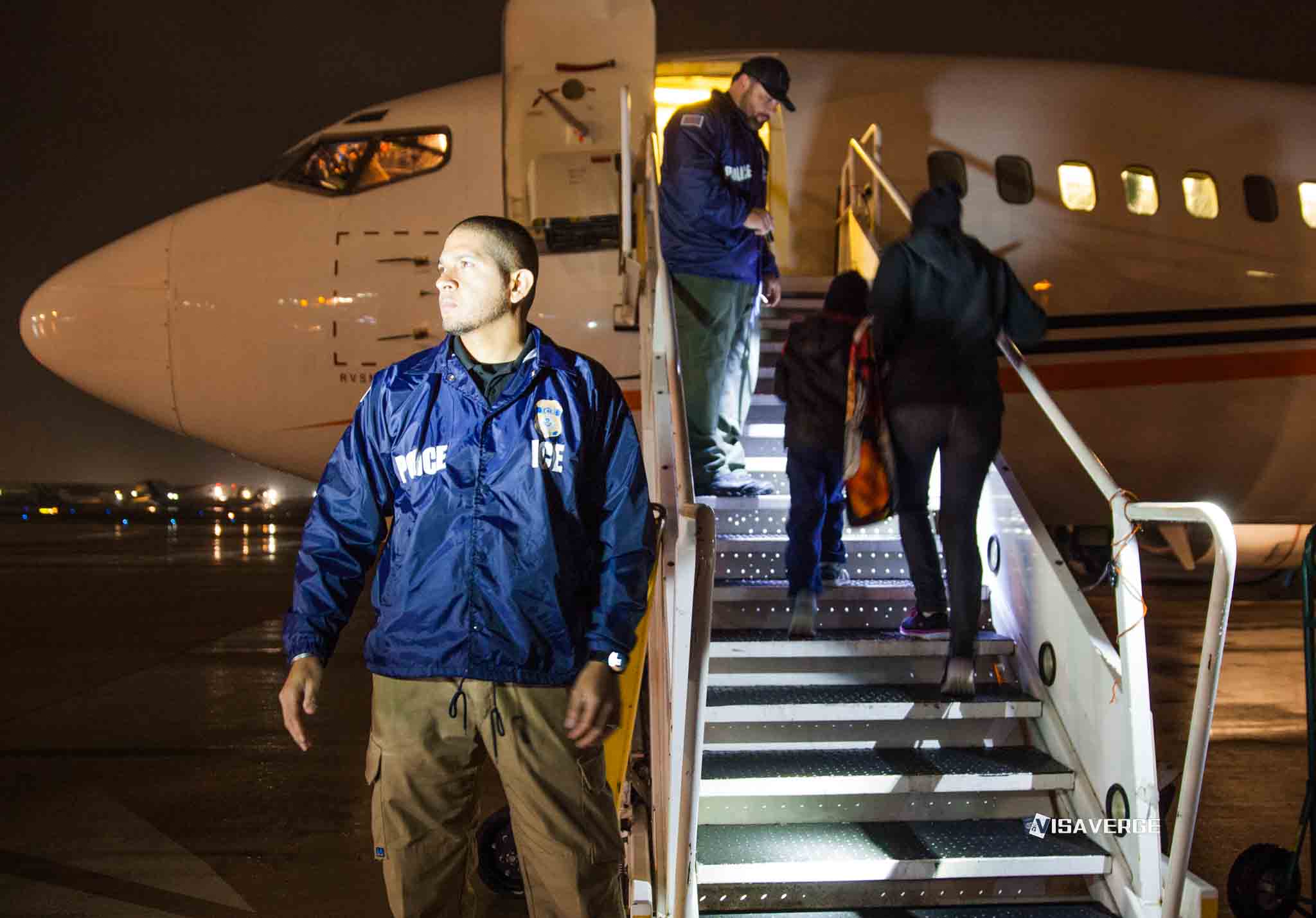
The legal battle entered a critical phase on March 15, 2025, when Judge Boasberg issued a temporary restraining order to halt deportations under the Alien Enemies Act. The decision came amidst concerns about whether the statute, in this context, aligns with constitutional principles and statutory intent. However, despite the order, the Trump administration proceeded with deporting over 250 Venezuelan nationals to El Salvador, citing logistical reasons and stating that the flights had been pre-scheduled. The judge rebuked this explanation, calling it “woefully insufficient” and instructing the administration to produce a full timeline of events.
The administration has further complicated matters by indicating it may invoke the state secrets privilege. This legal doctrine allows the government to withhold information in court proceedings when its disclosure could harm national security. Judge Boasberg has set a March 25 deadline for the administration to confirm whether this privilege will be invoked. If so, it could limit the court’s ability to evaluate the full context and justification for the deportations. Meanwhile, the judge continues to review potential extensions of the restraining order and the administration’s compliance with judicial orders—setting up yet another collision between branches of government over the boundaries of presidential authority.
Trump’s Invocation of the Alien Enemies Act
In a move that stunned legal observers, the Trump administration invoked the Alien Enemies Act to address what it described as an “irregular warfare” scenario posed by the Tren de Aragua gang. This violent organization, allegedly engaged in activities such as human trafficking, extortion, and drug smuggling, was labeled by the administration as posing a serious threat to U.S. national security. President Trump issued a proclamation under the Act, effectively facilitating the expedited deportation of Venezuelan nationals suspected of having ties to the gang. What differentiates this decision from prior applications of the Act is its use during peacetime and against individuals tied to a criminal gang rather than a foreign enemy government.
While the administration has defended the action as necessary for national security, critics argue that it represents an overreach of executive power. By applying a wartime statute in a non-war context, the move has prompted questions about its legal validity and broader ramifications for individual liberties and procedural fairness.
Historical Use of the Alien Enemies Act
The Alien Enemies Act, originally enacted in 1798, grants the president authority to detain, deport, or restrict nationals of enemy nations during times of war or when an invasion is anticipated. Notably, prior applications of the Act have been strictly tied to periods of declared war:
- War of 1812: British nationals were detained under the Act during heightened tensions with Britain.
-
World War I: Restrictions were imposed on German nationals as part of security measures against perceived espionage risks.
-
World War II: The Act was controversially used to justify the internment of Japanese, German, and Italian nationals in the United States.
These historical precedents all occurred during legally declared wartime conditions against state adversaries. President Trump’s use of the Act to target Venezuelan nationals associated with an independent criminal organization reflects a striking break from its established purpose and historical application.
Legal Arguments: Differing Perspectives
The case demonstrates the varying interpretations of the Alien Enemies Act’s scope and the broader tension between executive discretion and judicial limitations.
Arguments from the Trump Administration
The administration has emphasized the national security imperative behind the deportations, expressing concern over the alleged transnational activities of the Tren de Aragua gang. Officials argue that the gang’s operations constitute an “invasion-like” scenario, thus aligning with the Act’s intent to protect the country. They contend that the Act empowers the president to take necessary steps to safeguard the nation, even in peacetime, provided there is a credible and immediate threat.
Arguments from Critics
Groups like the American Civil Liberties Union (ACLU) and immigrant rights advocates have strongly contested this reasoning. They assert that the Alien Enemies Act is inappropriate for use in addressing non-state actors, particularly in peacetime conditions. Critics stress that deportations under the Act circumvent vital due process rights, such as the opportunity to challenge accusations or verify evidence of alleged gang affiliation. They warn that accepting the administration’s rationale could erode constitutional safeguards and establish a dangerous precedent for unchecked executive power.
Judge Boasberg’s initial temporary restraining order lends credibility to these concerns. It suggests judicial skepticism about whether the administration’s interpretation aligns with historical uses of the Act and broader principles of justice.
The Broader Impact of the Case
The outcome of this legal challenge will carry significant implications for multiple groups and legal principles, extending beyond the immediate dispute.
Impacts on Immigrant Communities
For Venezuelan nationals and other immigrant groups, the administration’s approach exacerbates fears of racial profiling and mass deportations. The targeting of Venezuelans adds to concerns about whether immigration enforcement is being weaponized to punish specific populations. Such measures risk alienating vulnerable communities and could fuel distrust in public institutions and law enforcement.
Executive Power and Legal Norms
Allowing the executive branch to invoke a wartime statute in non-wartime conditions introduces a potential expansion of emergency powers. If upheld, the administration’s actions could pave the way for future presidents to circumvent legal frameworks by citing vaguely defined national security threats. This could weaken the separation of powers, undermining the judiciary’s role in providing checks and balances.
Human Rights and International Relations
Deporting individuals to third countries like El Salvador raises ethical and legal questions about adherence to international human rights standards. Critics argue that expelling people without due process tensions U.S. obligations under international law, potentially exposing deportees to dangers or inadequate legal protections in the receiving country. Such actions could strain diplomatic relationships and attract condemnation from global human rights organizations.
Conclusion
Judge James Boasberg is poised to deliver a ruling that may redefine the boundaries of executive authority and immigration policy. At its heart, the case hinges on whether the Trump administration’s use of the Alien Enemies Act is a constitutional application of presidential powers or a departure from rule-of-law principles. The coming weeks will be decisive in shaping not only the fate of the Venezuelan nationals concerned but also the future of legal norms governing emergency powers and immigration enforcement.
As VisaVerge.com has highlighted, the court’s ruling carries weight far beyond this specific case, influencing judicial interpretations of executive authority, the rights of non-citizens, and the scope of national security measures. The judiciary’s role in safeguarding due process will be tested as the March 25 deadline approaches. For now, this legal battle stands as a watershed moment in the ongoing intersection of immigration, law, and presidential authority. For additional information on the Alien Enemies Act, you can refer to the Library of Congress page.
Learn Today
Alien Enemies Act → A 1798 law allowing the president to deport or detain nationals from enemy nations during wartime or invasion.
Temporary Restraining Order → A short-term court order preventing specific actions until a fuller hearing can take place.
State Secrets Privilege → A legal doctrine permitting the government to withhold court evidence if its disclosure risks national security.
Executive Authority → The powers and responsibilities granted to the president or executive branch under the Constitution and laws.
Due Process Rights → Legal rights ensuring fair treatment through trial and judicial systems, protecting individuals from arbitrary government actions.
This Article in a Nutshell
Judge James Boasberg faces a pivotal legal test as the Trump administration utilizes the 1798 Alien Enemies Act to deport Venezuelans linked to Tren de Aragua gang. This unprecedented application during peacetime raises constitutional concerns. Boasberg’s rulings could redefine executive power, immigrant rights, and judicial checks, shaping future immigration policy in America.
— By VisaVerge.com
Read more:
• Venezuelans Who Supported Trump Now Face Uncertainty Over Staying
• Venezuelans with Temporary Protected Status sue to stop deportations
• Trump Moves to End TPS for Venezuelans, Leaving Thousands in Limbo
• Bishops Condemn End of Temporary Protected Status for Venezuelans
• Trump Decision to End Temporary Protected Status Stirs Fear Among Venezuelans