(CURAÇAO) A JetBlue A320-200 carrying holiday travelers to the Caribbean came within close range of a U.S. Air Force tanker north of Curaçao on December 12, 2025, in an encounter aviation watchers quickly described as a near mid-air collision. JetBlue said the event occurred around 21:00Z and that the crew was “surprised” to see the military aircraft so near their flight path. The airline reported the incident on December 14, 2025, two days after the near-miss, and said there were no injuries or damage.
What happened (summary)
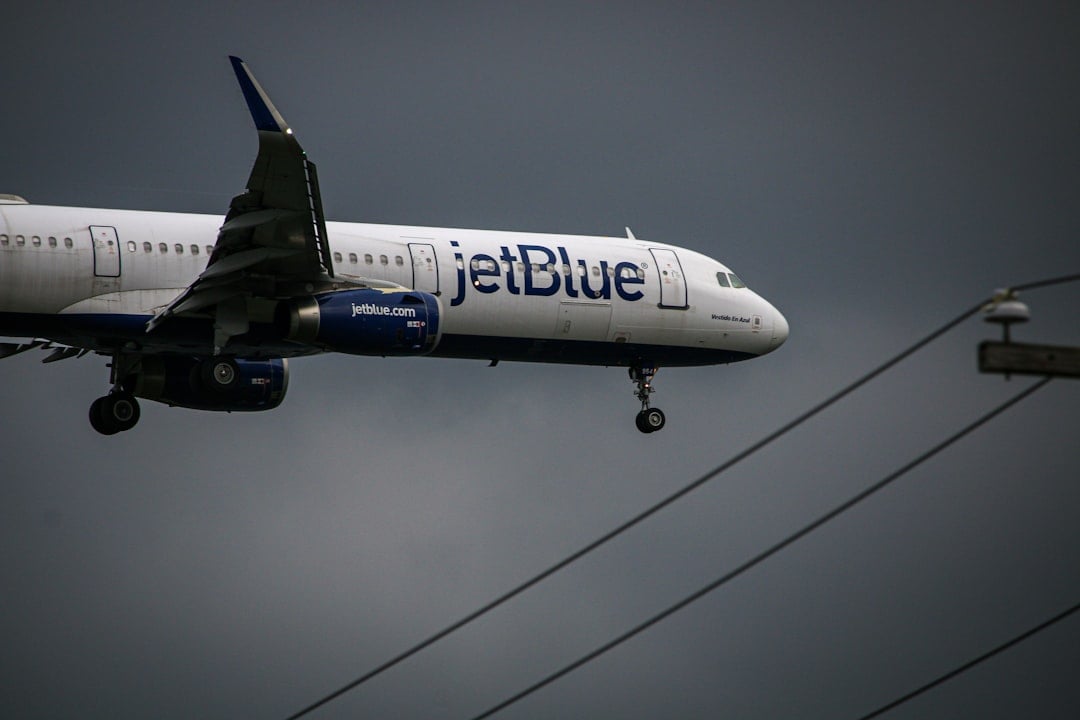
- The near miss occurred just before 21:00Z on Friday, December 12, 2025.
- It involved a U.S. military refueling aircraft (tanker) operating in the same general corridor north of Curaçao.
- JetBlue reported the event on December 14, 2025 and said the crew had not expected the tanker’s proximity.
- No injuries and no damage were reported by JetBlue or regional outlets.
“Surprised” — JetBlue described the crew’s reaction to seeing the military tanker so near their flight path.
Radar, transponders and public tracking concerns
Dutch and Curaçao media, citing national broadcaster NOS, and online flight-tracking forums focused on how the tanker appeared on civilian tracking services:
- Observers argued the tanker seemed almost “invisible” on civilian radar — likely because its transponder was limited or not fully shown on public tracking sites.
- That visibility gap matters because many passengers assume modern tracking systems can “see” everything in the sky.
- The public discussion has centered on whether the tanker’s limited transponder signal reduced early warning for civilian crews.
Aviation safety process and outstanding questions
JetBlue’s brief account left several key questions unanswered:
- How close did the two aircraft actually come?
- What instructions did air traffic control give?
- Which authority will lead any formal investigation, and when will findings be published?
Typical investigative steps when separation standards break down include review of:
- Radio calls between aircraft and controllers.
- Radar returns and radar-data logs.
- Cockpit alerts and recorded flight-data/cockpit-voice recordings.
Military aircraft can fly training or operational patterns that differ from civilian traffic; experts stress that coordination is essential near tourist hubs.
Passenger impacts and immigration ripple effects
Curaçao’s airport is a major gateway for tourists, foreign workers, and families traveling between islands and the United States 🇺🇸. A serious in‑flight incident can lead to:
- Missed connections and rebooked tickets.
- Unexpected overnight stays.
- Immigration complications (missing stamps, lost documents, proof-of-onward-travel issues).
Immigration lawyers recommend travelers prepare for such disruptions:
- Keep digital copies of passports, visas, and residence cards.
- Carry consulate contact details.
- Retain boarding passes and rebooking emails as proof of itinerary changes.
Practical point: even when flights land as planned, fear and confusion can lead passengers to make rushed decisions at airport counters they later regret.
Practical steps for travelers (checklist)
- Keep boarding passes, rebooking emails, and any change confirmations.
- Save digital copies of passports, visas, and residence permits (secure cloud storage or encrypted photos).
- Have consulate contact details readily available.
- If you must extend a stay, contact the local immigration office early — don’t wait until your stamp expires.
- U.S. travelers can consult the U.S. State Department country pages at https://travel.state.gov/content/travel/en/international-travel/International-Travel-Country-Information-Pages.html for entry and visa guidance.
Quick reference table: documents to keep handy
| Document | Why it matters |
|---|---|
| Passport (digital + physical) | Primary ID for replacements and consular help |
| Visa / residence card | Proof of lawful status; may be needed if schedules change |
| Boarding pass / rebooking confirmation | Evidence for border officers and refunds/claims |
| Consulate contact | Required for emergency passport replacement |
| Travel insurance details | For claims related to delay, diversion, or baggage loss |
Policy and public reactions
- The incident drew online attention and strong reactions: some users called the situation “outrageous”, while others defended the military, noting that public tracking sites are not full safety tools.
- Dutch and Curaçao outlets referenced NOS but did not identify which authority would lead any formal review or whether aircraft data would be released.
- Aviation incidents often prompt policy reviews on communication, routing, or equipment standards even when no damage or injuries occur.
Why this matters for visas, workers, and students
According to analysis by VisaVerge.com, modern digital systems track entries, exits, and overstay calculations with little room for ad-hoc explanations. That means:
- Short, unplanned detours can carry high stakes for workers on fixed permits, students with start dates, or families with mixed immigration status.
- A flight incident that leads to a delayed arrival may complicate visa compliance or prompt additional administrative scrutiny later.
What remains unresolved
- No authority had published an investigation plan or findings as of the airline’s December 14 report.
- Passengers on the flight may not learn more unless regulators release conclusions, though they can still pursue complaints, insurance claims, or refund requests.
- Data-release decisions (flight data, radar logs, transponder information) will affect how much the public can learn about actual separation distances and ATC communications.
Final takeaways
- JetBlue reported no injuries and no damage, but the episode highlights the ongoing need for clear coordination between military and civilian traffic near busy tourist hubs.
- Travelers should take practical steps now — keep documentation, know consular options, and monitor official advisories — because sudden changes can have outsized immigration and logistical consequences.
- Until investigators publish details, questions about transponder visibility, ATC instructions, and accountability will likely continue to fuel public concern.
A JetBlue A320-200 and a U.S. Air Force tanker came unusually close north of Curaçao on Dec. 12, 2025; JetBlue reported the encounter Dec. 14 and said there were no injuries or damage. Observers noted the tanker’s limited visibility on civilian tracking services, likely due to transponder limitations. Investigations typically review ATC communications, radar logs and cockpit recordings; authorities have not yet released findings. Travelers should secure digital copies of documents and consulate details in case of travel disruptions.
Live Government Data
State Dept • CBPBusiest Border Crossings
- Nogales 180 min
- Brownsville 120 min
- Brownsville 110 min