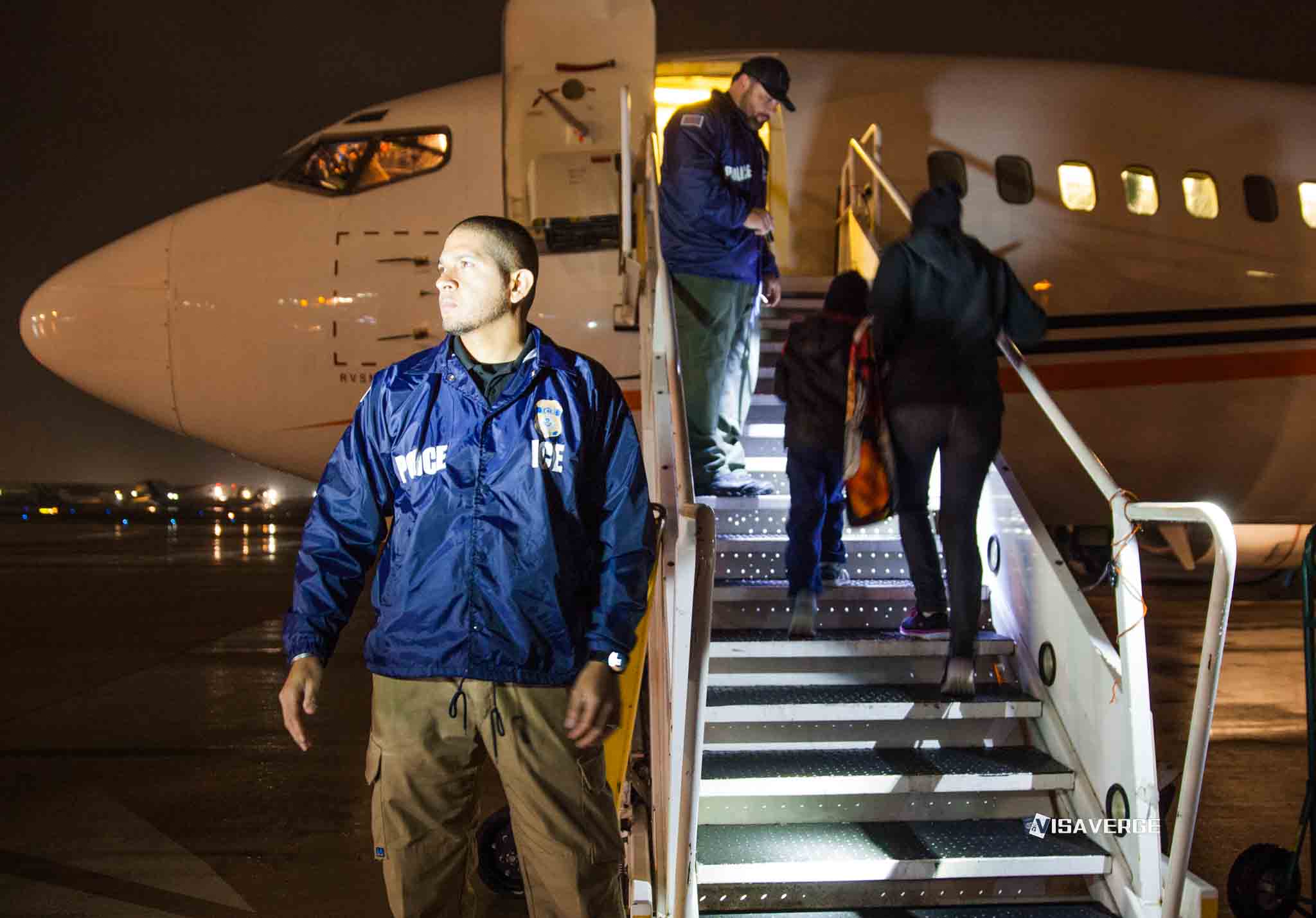
Japanese Americans who still carry the memory of wartime incarceration are emerging as some of the most outspoken critics of President Donald Trump’s 2025 immigration crackdown, warning that the United States 🇺🇸 is once again flirting with policies that target whole communities as threats. Drawing a direct line from Executive Order 9066, which led to the mass incarceration of Japanese Americans during World War II, to today’s raids, mass deportations, and travel bans, community leaders say the echoes of the past are now too loud to ignore.
Their alarm has sharpened as the Trump administration revives legal tools with roots in earlier eras of fear and exclusion, including the Alien Enemies Act of 1798 and the Registration Provision of the Alien Registration Act of 1940. Both laws were used during World War II to justify forced registration, detention, and deportation of Japanese Americans labeled as “enemy aliens.” In 2025, they are being invoked again to speed up deportations, justify warrantless home raids, and expand detention of noncitizens—many of whom have no criminal history.
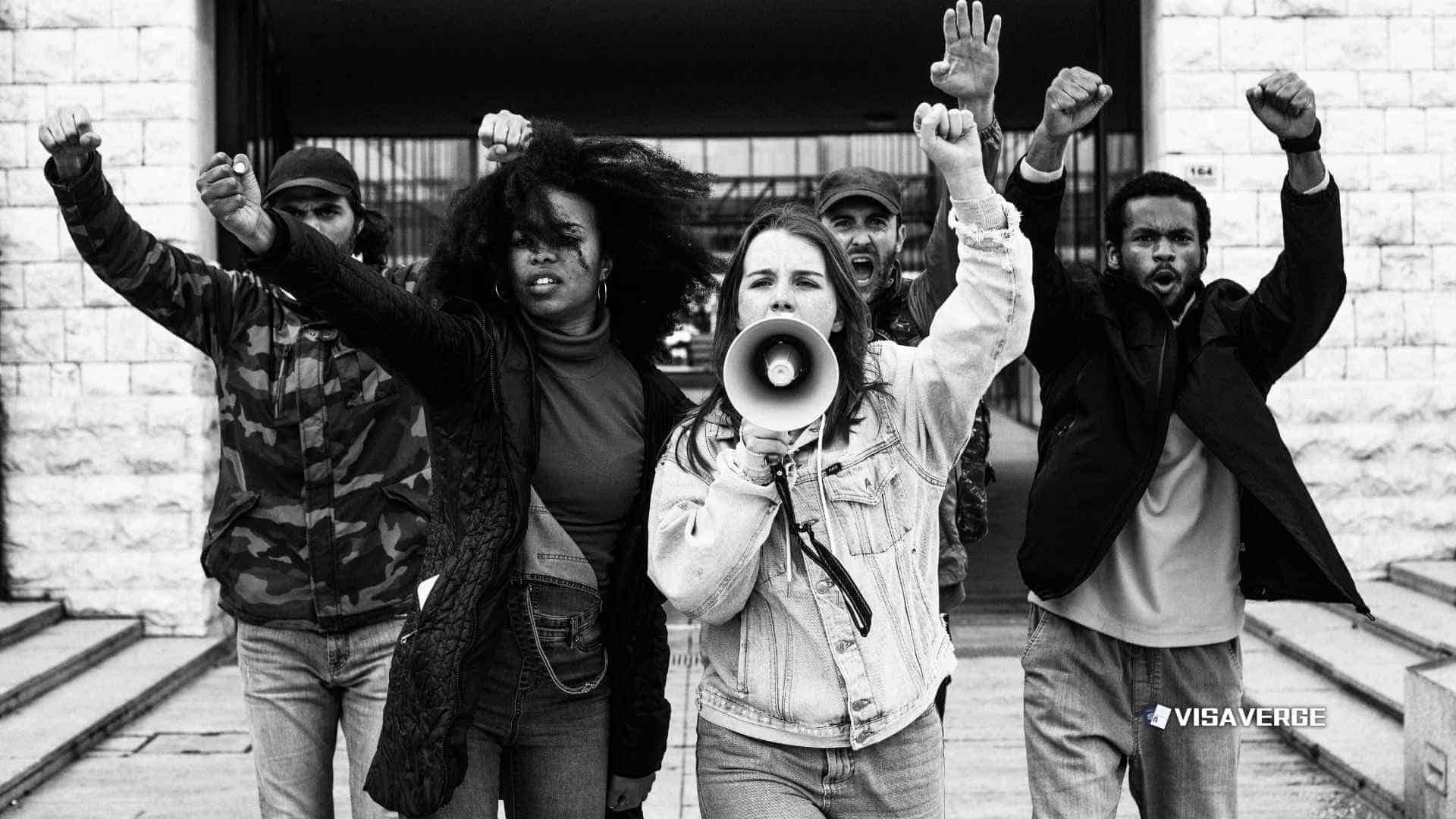
Historical memory and personal pain
For many Japanese Americans—whose parents and grandparents were forced into camps under Executive Order 9066—the sense of déjà vu is personal and painful.
Community advocates describe a growing urgency to speak up not only for themselves, but for today’s immigrants facing sweeping enforcement.
“We’re not the ones directly targeted right now, so with that privilege, how do we show up for other communities? We need to be the allies that we wish we had in 1942,” said Rebecca Joy Ozaki, Program Director at JACL Chicago. Ozaki and other leaders have issued open letters urging Japanese Americans to use their history as a warning sign.
“The repetition of history is upon us.”
Those open letters point to a series of moves that have rapidly reshaped immigration enforcement in 2025.
Scale and speed of enforcement in 2025
According to administration claims, by September 2025:
- 2 million undocumented immigrants had left the country.
- More than 400,000 were deported.
- An estimated 1.6 million people were described as having “self‑deported”—leaving under pressure from ramped‑up enforcement and fear of arrest.
- Immigration and Customs Enforcement (ICE) alone was said to have deported nearly 200,000 people in seven months.
Immigrant advocates say this scale and speed is tearing families apart.
Revival of old legal tools
The administration’s measures have revived statutes and mechanisms from prior eras.
Alien Enemies Act of 1798
- Now central to several contentious measures.
- Used to justify deporting alleged gang members to El Salvador without court hearings and to detain, relocate, or deport noncitizens from countries labeled as “enemies” during wartime.
- Legal analysts warn that broad authority combined with aggressive rhetoric about “enemy” populations mirrors the mindset that enabled Japanese American incarceration in the 1940s.
Japanese American elders report that the language feels familiar—many recalled families once described as potential saboteurs and spies.
Alien Registration Act (Registration Provision) — Executive Order 14159
- Executive Order 14159 revived the registration provision, requiring millions of noncitizens to register and physically appear at designated facilities.
- Advocates say these facilities can double as detention centers, exposing people who comply to immediate arrest and possible deportation.
- For older Japanese Americans, long lines outside government buildings evoke family stories of mandatory registration, identification cards, and the ever‑present threat of removal.
Due process and normalization of exclusion
The sense of historical repetition is especially strong around the question of due process.
- Under Executive Order 9066, entire communities were removed without individual hearings.
- Today, the use of the Alien Enemies Act to deport alleged gang members without court hearings raises deep concerns.
- Community groups argue that normalizing the skipping of court review for one group makes it easier to expand that practice to others, chipping away at the principle that everyone deserves a fair day in court.
Warrantless raids and home entries
Attorney General Pam Bondi issued a directive allowing law enforcement to enter migrants’ homes without warrants. Civil rights groups say this violates long‑standing protections against unreasonable searches.
- Reports of warrantless raids have fueled fear in immigrant neighborhoods.
- Japanese Americans recall early‑morning arrests and sudden disappearances of community leaders during WWII.
- Many say that when the government claims special powers in the name of security, minority communities often pay the highest price.
Warning: Don’t open doors to unfamiliar enforcement attempts or sign documents on the spot. If questioned, ask for a lawyer, request time to consult, and record officer details for later review.
Travel ban: June 9, 2025
A new travel ban, effective June 9, 2025, bars entry from 12 countries, most of them African, Asian, and Muslim‑majority nations.
- Critics say the ban revives the logic of earlier race‑based exclusions (e.g., the Chinese Exclusion Act) and wartime incarceration of Japanese Americans.
- According to analysis by VisaVerge.com, immigrant advocates see the ban as part of a broader strategy that marks certain communities as suspect simply because of their origin.
Community response and organizing
Japanese American organizations have taken a central role in pushing back.
- The Japanese American Citizens League (JACL), the oldest national civil rights group founded by and for Japanese Americans, has joined with Asian Americans Advancing Justice and other coalitions to condemn the administration’s moves.
- Connie Chung Joe, CEO of Asian Americans Advancing Justice Southern California, said:
> “It is imperative to remember that travel bans and policies like this criminalize people—not countries or their leadership. This proclamation will not only tear families apart, it will also further isolate and endanger individuals fleeing violence and death.”
Comments from descendants of camp survivors reflect a lesson learned: when a government treats entire groups as criminals or enemies, abuses follow.
Day of Remembrance and public education
- Cities across the country are organizing Day of Remembrance events linking wartime incarceration to present‑day immigration enforcement.
- Survivors and descendants share testimonies about life in camps, loss of homes and businesses, and the long silence after the war.
- Younger activists connect those stories to current policies—mass deportations, registration under Executive Order 14159, warrantless raids—encouraging participation in:
- Legal defense funds
- Protest marches
- Campaigns to protect civil liberties
Legal challenges and the courts
The administration’s policies face a wave of legal challenges.
- In September 2025, a federal immigration court ruled that undocumented immigrants are ineligible for bond, opening the door to mandatory detention for millions while cases proceed.
- For families, this means the prospect of long‑term detention without bond—a new layer of fear reminiscent of open‑ended camp detention.
- The Supreme Court has granted a stay allowing deportations to continue while lawsuits progress. Immigrant rights lawyers warn this enables removals before courts can fully assess the lawfulness of tools like the Alien Enemies Act and Executive Order 14159.
- Advocacy groups, including the American Immigration Lawyers Association (AILA), denounce the administration’s reaction to recent incidents as “retaliation and prejudice” that they say undermine both security and trust in public institutions.
Broader stakes: memory, apology, and future responsibility
Beyond immediate legal and political fights, Japanese Americans pose a broader question: has the country truly learned from Executive Order 9066 and its aftermath?
Reminder: Note June 9, 2025, and related Day of Remembrance events. Use this time to learn rights, support legal defenses, and verify guidance from official DHS sources before taking any action.
- It took decades for the government to offer a formal apology and modest redress to those incarcerated.
- Many fear that if today’s policies go unchallenged, another generation will one day be apologizing for abuses that could have been prevented.
Official information about immigration policy and enforcement continues to be published by agencies such as the Department of Homeland Security on sites like dhs.gov, but community groups say it is their role to remind the public how quickly legal tools can be turned against unpopular minorities.
Conversations within Japanese American communities
The moment has sparked difficult conversations about identity, solidarity, and responsibility.
- Some families who had tried to move past the shame and pain of the camps are now revisiting that history with younger generations.
- Elders bring out old camp identification tags and government documents to explain how ordinary neighbors stayed silent while communities were removed.
- Younger activists ask what it means, in 2025, to “be the allies we wish we had in 1942,” echoing Rebecca Joy Ozaki’s call.
This reflection is driving new organizing: Japanese Americans are
- joining coalitions supporting migrants targeted by the travel ban,
- speaking at town halls about the danger of emergency powers,
- reminding lawmakers that the Alien Enemies Act of 1798, the Alien Registration Act, and Executive Order 9066 were all once justified as temporary measures in times of crisis.
Key laws and dates (at a glance)
| Law / Action | Year | Current use in 2025 |
|---|---|---|
| Executive Order 9066 | 1942 | Historical reference point for mass incarceration of Japanese Americans |
| Alien Enemies Act | 1798 | Invoked to deport/detain noncitizens labeled as “enemies,” used to bypass court hearings |
| Alien Registration Act (registration provision) / Executive Order 14159 | 1940 / 2025 | Requires registration/appearance at facilities; feared to enable arrest/detention |
| Travel ban effective | June 9, 2025 | Bars entry from 12 countries, largely African, Asian, and Muslim‑majority nations |
| Reported departures by admin claim | September 2025 | 2 million left; 400,000+ deported; 1.6 million self‑deported |
| ICE deportations | 7 months (2025) | Nearly 200,000 deported (admin figure) |
| Court ruling on bond | September 2025 | Undocumented immigrants ruled ineligible for bond → opens path to mandatory detention |
Final takeaway
Japanese Americans emphasize that history does not repeat itself exactly, but it often rhymes. Their message is a warning and a call to action: the choices made now will shape how future generations judge the nation’s commitment to justice and civil rights. They urge solidarity with targeted immigrants, vigorous legal challenges, and public education so that emergency powers and discriminatory tools are not normalized.
Japanese American organizations warn that the 2025 immigration crackdown echoes wartime incarceration as the administration revives the Alien Enemies Act and registration rules to accelerate deportations, warrantless home entries, and detention. Officials report millions leaving by September 2025 and nearly 200,000 ICE deportations in seven months. Community groups mobilize legal challenges, Days of Remembrance, and public education to defend due process, urging solidarity to prevent normalization of emergency powers that target whole communities.