- Japan Airlines delayed Flight JL252 by 40 to 42 minutes after a cabin attendant failed a pre-flight alcohol test.
- The airline imposed pay cuts on 37 executives, including President Mitsuko Tottori, after repeated alcohol-related incidents.
- Japan Airlines also banned crew from drinking during hotel layovers before return flights to tighten compliance.
(TOKYO, JAPAN) — Japan Airlines delayed Flight JL252 from Hiroshima to Tokyo Haneda by about 40 to 42 minutes on May 23, 2026 after a cabin attendant tested positive for alcohol before duty, then imposed pay cuts on 37 executives and ordered cabin crew not to drink during layovers ahead of return flights.
The airline said a pre-flight alcohol test detected alcohol in a cabin attendant scheduled to work JL252. Japan Airlines replaced the crew member before departure, causing the delay on the Hiroshima to Haneda service.
Free toolB1/B2 Tourist Visa Stay Calculator online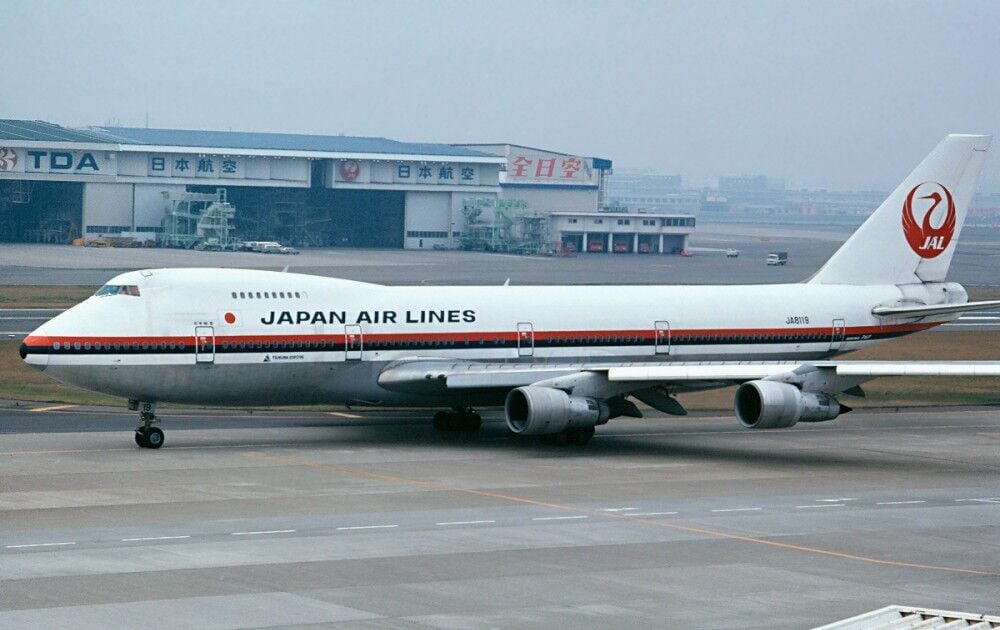
Japan Airlines later said the attendant had been drinking the night before with a colleague at a hotel lounge. The airline said that violated company rules limiting alcohol before duty.
The disciplinary steps went beyond the crew involved in the May incident. Japan Airlines said it would instruct all flight attendants to refrain from drinking alcohol during hotel stays and layovers before return flights.
The company also announced executive pay cuts tied to the case and other alcohol-related problems. Among those affected was President Mitsuko Tottori, whose pay will be cut by 30% for two months.
Other executives linked to safety and operations also face cuts. Japan Airlines described the move as an accountability measure after repeated alcohol-related incidents.
The Ministry of Land, Infrastructure, Transport and Tourism had already reprimanded Japan Airlines over earlier alcohol incidents and asked the carrier to take preventive steps. The latest delay put fresh attention on those demands.
Passenger counts tied to JL252 were reported differently. One account put the number at 193 crew and passengers, while another described the affected total as 186 passengers.
Either figure points to the same operational problem: a single failed alcohol test forced a crew change on a domestic route between Hiroshima and Haneda. In a tightly scheduled network, even a delay of roughly 40 minutes can expose weaknesses in crew control and compliance systems.
Japan Airlines centered its response on crew conduct during overnight stays. The new instruction for flight attendants bars alcohol consumption during hotel stays or layovers before return segments, tightening a rule set that had already limited drinking before duty.
That matters inside airline operations because crew rest periods sit at the boundary between personal time and regulated fitness for work. Japan Airlines chose a simpler rule, no drinking during those stays, rather than relying only on pre-duty limits that still leave room for judgment and enforcement problems.
The May 23 episode also carried weight because it involved a pre-flight screening system that worked, but only after the problem had reached the point of disrupting a scheduled flight. The attendant did not operate JL252, yet the flight still left late because the airline had to find a replacement.
Japan’s transport ministry has treated alcohol cases at airlines as a compliance issue, not merely an internal personnel matter. Its earlier reprimand of Japan Airlines, coupled with a request for preventive measures, left the carrier under pressure to show that corrective action had real consequences.
Cutting executive pay is one of the clearest public signals a Japanese company can send in that setting. By extending the sanctions to 37 executives, including Mitsuko Tottori, Japan Airlines tied responsibility for the breach to management oversight as well as to the employee who failed the test.
The size of Tottori’s reduction, 30% for two months, gave that message a concrete figure. The company also included executives responsible for safety and operations, the areas most directly tied to flight readiness and rule enforcement.
Alcohol-related incidents in aviation often draw attention beyond the event itself because they raise a basic question about how airlines police fitness for duty. Japan Airlines answered that question in this case with a tougher layover rule, visible management penalties, and a public acknowledgment that repeated cases required accountability.
Carriers rely on public confidence that pilots and cabin crew report for work fit to fly, even on short domestic sectors. When that confidence is shaken, the effect reaches regulators, passengers, and employees at once, with the airline expected to prove that the system can catch breaches and deter the next one.
JL252 became that kind of test for Japan Airlines. What began as a May 23, 2026 delay on a Hiroshima to Haneda flight ended with a company-wide ban on drinking during certain layovers and pay cuts running up the management chain, a sign that the airline saw the breach not as an isolated lapse but as part of a pattern it had to answer for.