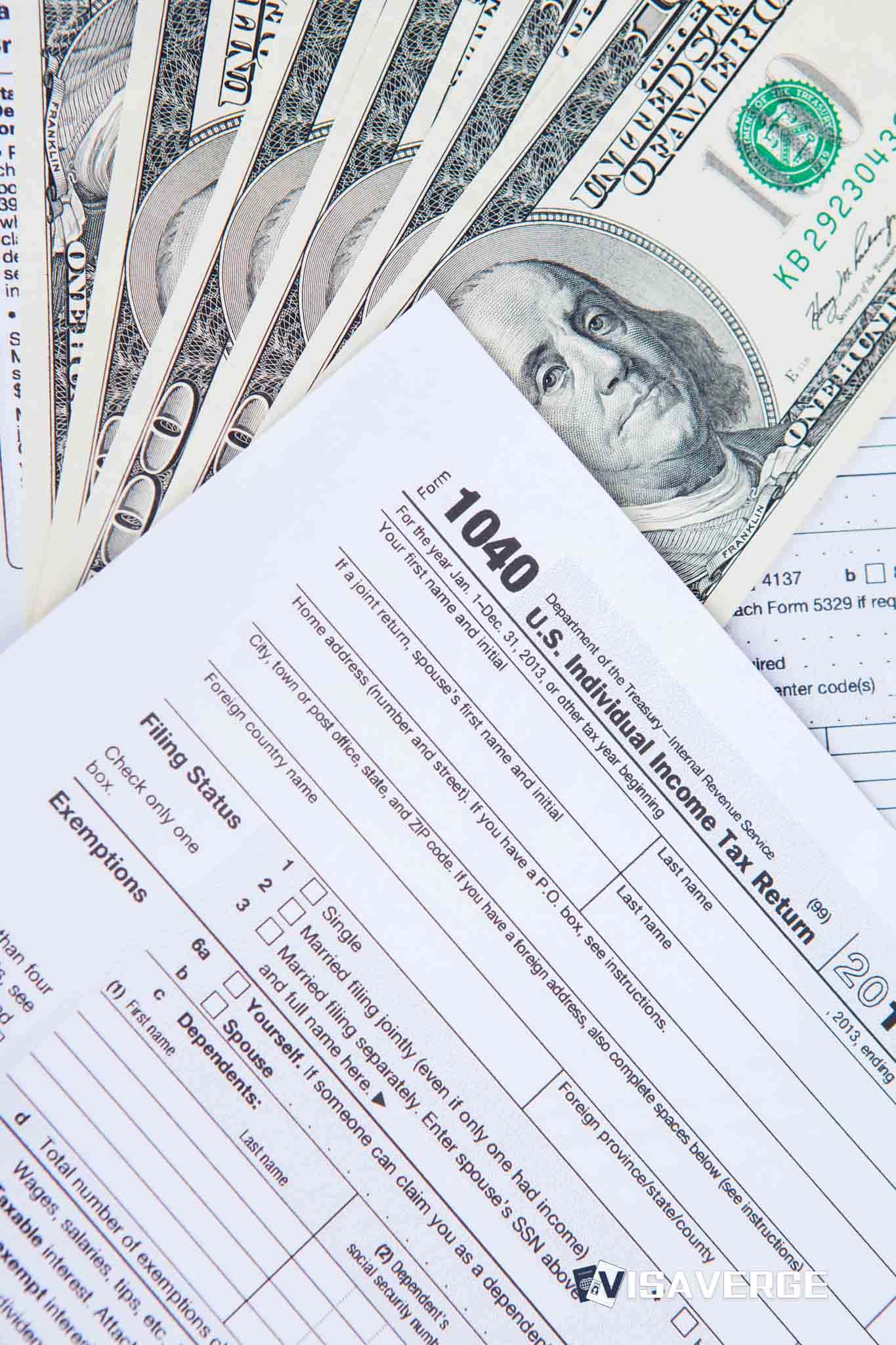
- The IRS launched four new temporary tax deductions for the 2025 tax year available to most filers.
- Eligible workers can deduct tips and overtime pay using the new Schedule 1-A form.
- New benefits include car loan interest relief and enhanced deductions for seniors aged 65 and older.
(U.S.) — The IRS has introduced new deductions for tax year 2025 returns filed in 2026, opening four temporary write-offs tied to tips, overtime pay, car loan interest and older taxpayers.
The deductions apply from 2025 through 2028 and reduce taxable income rather than tax liability dollar for dollar. They cover qualified tips, qualified overtime compensation, qualified passenger vehicle loan interest and an added deduction for seniors.

Taxpayers will claim the new breaks on Schedule 1-A, a new form for 2025 returns. The deductions remain available whether a filer takes the standard deduction or itemizes, though each one carries its own income limits and eligibility rules.
The standard deduction still applies separately. For 2025, it is $15,750 for single filers or married filing separately, $31,500 for married couples filing jointly or qualifying surviving spouses, and $23,625 for heads of household.
That means a taxpayer can take the standard deduction and still claim one or more of the new deductions on Schedule 1-A. The change affects workers who assumed extra deductions were available only to itemizers.
The largest of the new worker deductions covers tips. Eligible employees and self-employed people in occupations that customarily and regularly received tips as of December 31, 2024 can deduct up to $25,000 in qualified tips.
The deduction phases out when modified adjusted gross income exceeds $150,000, or $300,000 for married taxpayers filing jointly. Qualified tips generally include voluntary cash or charged tips from customers, including shared tips, if they are reported on Form W-2, Form 1099, another statement furnished to the taxpayer, or reported directly by the taxpayer.
Restaurant servers, bartenders, hotel workers, delivery workers, salon workers and taxi or rideshare-related service workers are among those who may qualify. Not every payment labeled a tip counts, and unsupported amounts cannot be claimed.
Recordkeeping will matter because 2025 forms may not separately identify qualified tip amounts. Employer tip statements, pay stubs, tip logs, point-of-sale reports, Form W-2, Form 1099, Form 4137 and records of directly reported tips can all help support the deduction.
A separate deduction covers overtime pay. Eligible taxpayers can deduct up to $12,500 as individuals or up to $25,000 for married taxpayers filing jointly, with the same phaseout threshold used for the tip deduction: $150,000 in modified adjusted gross income, or $300,000 for joint filers.
The IRS defines qualified overtime compensation as the portion of overtime pay above the regular rate. In a standard time-and-a-half arrangement, that generally means the extra half, not the full overtime wage.
A worker who normally earns $20 per hour and receives $30 per hour for overtime would generally look to the extra $10 per hour when calculating the deduction, subject to the rules. Hourly workers, nurses and other healthcare workers, factory workers, warehouse employees, transportation workers, retail employees, hospitality workers and others with documented overtime may benefit.
Payroll documents will again do much of the work. Taxpayers claiming the overtime deduction should keep Form W-2, Form 1099-MISC or Form 1099-NEC where relevant, pay stubs, payroll summaries, employer overtime statements, records from each employer if they changed jobs, and documents showing overtime compensation.
Car buyers get a separate deduction for interest paid on certain new vehicle loans. Taxpayers can deduct up to $10,000 a year in qualified passenger vehicle loan interest for tax years 2025 through 2028, with the deduction phasing out above $100,000 in modified adjusted gross income or $200,000 for married taxpayers filing jointly.
Lease payments do not qualify. Neither do loans on used vehicles, because the vehicle’s original use must begin with the taxpayer.
The loan must originate after December 31, 2024, must be used to purchase a vehicle originally used by the taxpayer, and must be secured by a lien on the vehicle. The vehicle must be for personal use, must not be leased and must meet the rules for a qualified passenger vehicle.
That category may include a car, minivan, van, SUV, pickup truck or motorcycle. The vehicle generally must have a gross vehicle weight rating of less than 14,000 pounds and must have undergone final assembly in the United States.
Taxpayers claiming the car loan interest deduction should keep the lender interest statement, loan agreement, purchase contract, vehicle identification number, final assembly documentation, proof the loan originated after December 31, 2024, proof of personal use, payment records and refinancing documents if the loan was later refinanced. Interest on a refinanced amount may remain eligible if the original loan and vehicle qualified.
Older taxpayers get another temporary deduction. People age 65 and older may claim an additional $6,000 deduction for tax years 2025 through 2028, while married couples filing jointly can claim up to $12,000 if both spouses qualify.
The senior deduction phases out when modified adjusted gross income exceeds $75,000, or $150,000 for married taxpayers filing jointly. IRS instructions for 2025 returns point to taxpayers born before January 2, 1961 for the enhanced deduction.
Eligibility also requires a valid Social Security number, and married taxpayers generally must file jointly. The deduction sits on top of the existing extra standard deduction for seniors under prior law and remains available to itemizers as well as standard-deduction filers.
It does not create a blanket tax exemption for Social Security benefits. The provision reduces taxable income, and in some cases that may reduce or eliminate tax on Social Security benefits indirectly, but it does not automatically make every senior’s Social Security income tax-free.
Social Security number rules and filing status requirements run through several of the new provisions. That carries added weight for immigrant families, mixed-status households and visa holders who are U.S. tax residents for 2025.
Examples include an H-1B worker with overtime compensation, a green card holder in a tipped occupation, a newly arrived immigrant who bought a qualifying U.S.-assembled vehicle, a senior green card holder filing Form 1040, or a spouse with a Social Security number filing jointly. Taxpayers with ITINs, nonresident alien status or married filing separately status face a closer eligibility review before claiming some deductions.
Tax software and tax preparers will need to account for Schedule 1-A, especially because 2025 forms may not separately break out qualified tips or qualified overtime. A direct import from wage forms may miss part of a deduction if a taxpayer does not also keep payroll and employer records.
Several mistakes are easy to make. Filers may treat a deduction like a refund, claim the full overtime wage rather than the qualified overtime portion, deduct interest on a used vehicle, treat lease payments as eligible car loan interest, miss the U.S. final assembly rule, or skip the income phaseouts and filing-status limits.
Others may assume the deductions are automatic because they appear in tax software, or believe taking the standard deduction blocks additional write-offs. The new rules do the opposite: they leave the standard deduction in place and let eligible filers add these separate deductions through Schedule 1-A if they can document the claim.
That makes records the central issue in the first filing season under the new law. Tip logs, payroll summaries, employer statements, vehicle purchase papers, lender interest statements, VIN records and proof of age and Social Security number will determine whether these temporary deductions hold up on a 2025 return filed in 2026.