- Treasury officials report 53 million taxpayers utilized new deductions under the 2025 Republican tax law during the current filing season.
- Over 21 million workers claimed the overtime deduction, while 30 million older Americans utilized the enhanced senior tax break.
- Average tax refunds increased 11% to $3,462 compared to last year, with total refunds reaching approximately $100 billion.
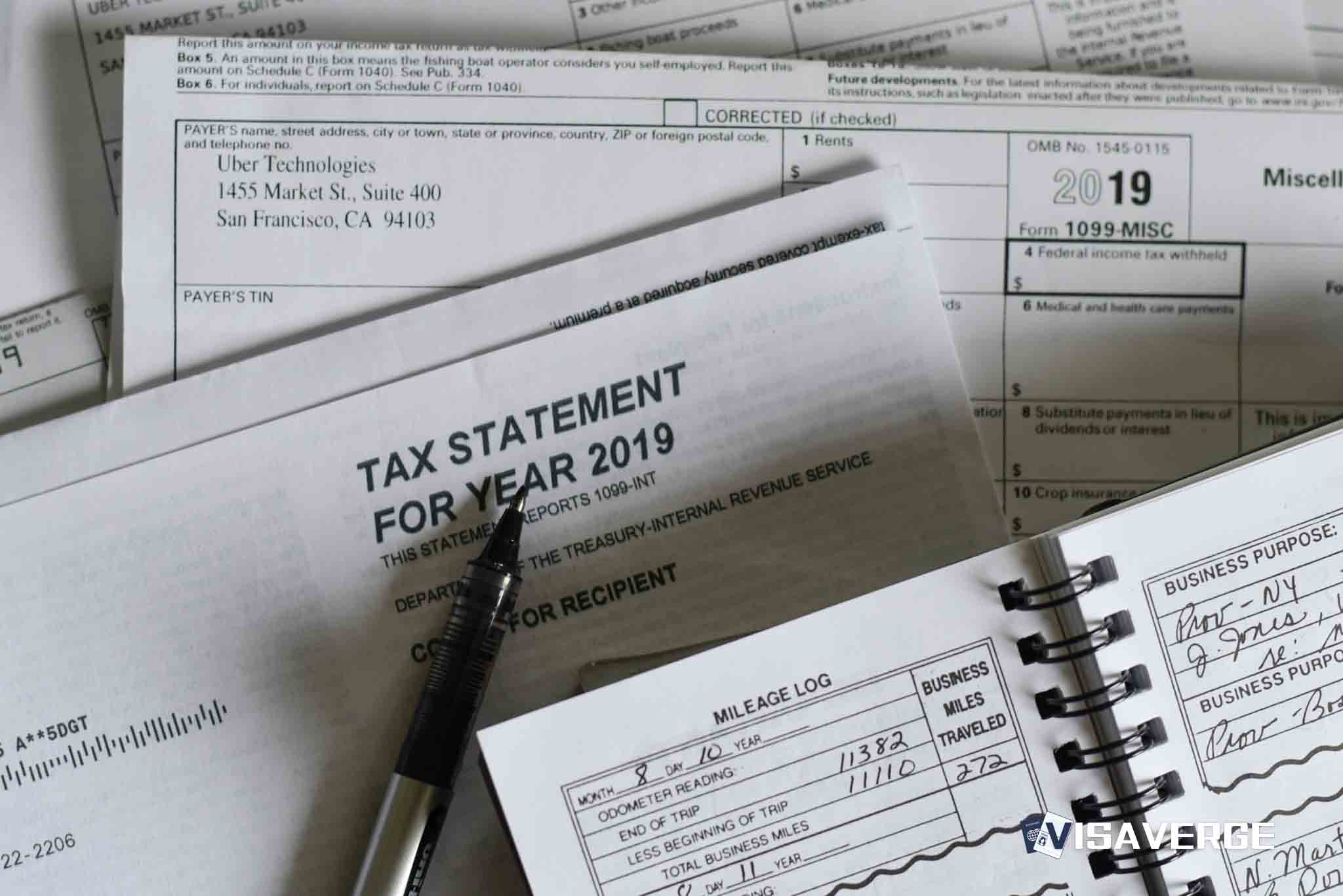
(UNITED STATES) – An anonymous Treasury official said April 15, 2026, Tax Day, that 53 million filers claimed deductions under new provisions in Republicans’ 2025 tax and spending law, giving the Trump administration a headline measure of how widely the changes reached in the first filing season after enactment.
Those figures covered returns using provisions from the law signed July 4, 2025, a package Republicans often call the “One Big Beautiful Bill” or Working Families Tax Cuts. The official spoke anonymously ahead of the filing deadline and described the 2026 season as a success for the administration.
Free toolSubstantial Presence Test Calculator
Treasury’s preview offered one of the clearest Tax Day snapshots yet of how the new Trump tax exemptions and deductions filtered into household returns. It also tied the law’s political branding to hard filing-season numbers, with millions of workers, retirees and families claiming breaks that did not exist in the same form a year earlier.
Among the most widely used provisions, 6 million filers claimed the no-tax-on-tips break, 21 million claimed the overtime deduction and 30 million older Americans claimed the enhanced senior deduction. Treasury also said average refunds reached $3,462, up 11%, or $350, from 2025’s $3,116.
That refund figure stood 24% above the pre-Trump four-year average, according to the Treasury preview. The department also pointed to broader effects beyond refunds, including an average tax cut of $3,750 per filer, $100B in total refunds and average savings of about $7,000 for 12 million small business owners.
Much of the first-year attention centered on the worker-focused deductions. The no-tax-on-tips provision drew between 4.6 million and 6 million claimants, while the no-tax-on-overtime deduction reached between 20 million and 21 million filers.
Under that overtime provision, workers could deduct up to $12,500, or $25,000 for joint filers. The deduction phased out above $150,000 in modified adjusted gross income, or MAGI, and above $300,000 for joint filers.
Older taxpayers formed another large share of claimants. The enhanced senior deduction reached up to $6,000 for people 65+, and it remained available whether a filer took the standard deduction or itemized.
That senior break phased out above $75,000 in MAGI, or $150,000 for joint filers. Treasury said it affected 30 million people, making it one of the broadest pieces of the 2025 law in this filing season.
Car buyers also gained a new deduction through the law’s exemption for interest on certain car loans. Treasury’s preview did not attach a separate claimant total to that provision, but included it among the new deductions showing up on 2025 returns filed by this year’s deadline.
Families with children appeared in another new category through Trump Accounts, child savings accounts created by the law. Treasury said those accounts covered more than 4 million children.
Beyond the new worker and family provisions, the law also changed longstanding limits inside the tax code. It raised the cap on the state and local tax deduction, known as SALT, to $40,000 from $10,000, while phasing that benefit down for high earners with MAGI above $500,000.
Filers who did not itemize also saw a larger baseline deduction. Treasury said the standard deduction increased about 7.9% for 2025 filings, widening the pool of households receiving tax relief even if they did not claim one of the newer, more targeted provisions.
That structure reflected how Republicans wrote the package. The law permanently extended provisions from the 2017 Tax Cuts and Jobs Act and added new breaks aimed at workers, retirees and households with children, creating a filing season in which both old and new parts of the code pushed liabilities lower.
Treasury’s emphasis on bigger paychecks and larger refunds fit that message. By releasing Tax Day numbers tied to the new provisions, the department cast the filing deadline not simply as an annual cutoff, but as the first broad test of how the Trump tax exemptions performed on actual returns.
Business provisions formed a second track of the law’s changes, though they drew less public attention than tips and overtime. The package restored research and development expensing, a change Treasury said freed up $100B.
Lawmakers also expanded health savings accounts and 529 plans. In estate planning, the law raised the estate and gift exemption to $15 million, with inflation indexing beginning in 2026.
Those measures gave the package a reach that stretched well beyond paycheck withholding and annual refunds. Workers saw deductions tied to tips and overtime, retirees saw a larger age-based deduction, homeowners in high-tax states faced a higher SALT ceiling, and businesses and wealth planners saw different parts of the code reopen or expand.
Still, Treasury’s Tax Day presentation focused on the most visible filing-season outcomes. A count of 53 million filers using the new provisions gave the administration a straightforward figure to place beside broader claims that the law increased take-home pay and lowered tax bills across large parts of the electorate.
The numbers also showed how concentrated some provisions were. The enhanced senior deduction alone accounted for 30 million affected taxpayers, while the overtime deduction reached 21 million and the tips deduction 6 million, making those three items the clearest mass-market features in Treasury’s summary.
Tax Day arrived with those claims now tested against completed returns rather than campaign promises or revenue tables. Treasury chose to present that first-year picture through usage counts, refund growth and average savings, framing the 2026 filing season around how many Americans had already written the new law into their returns.