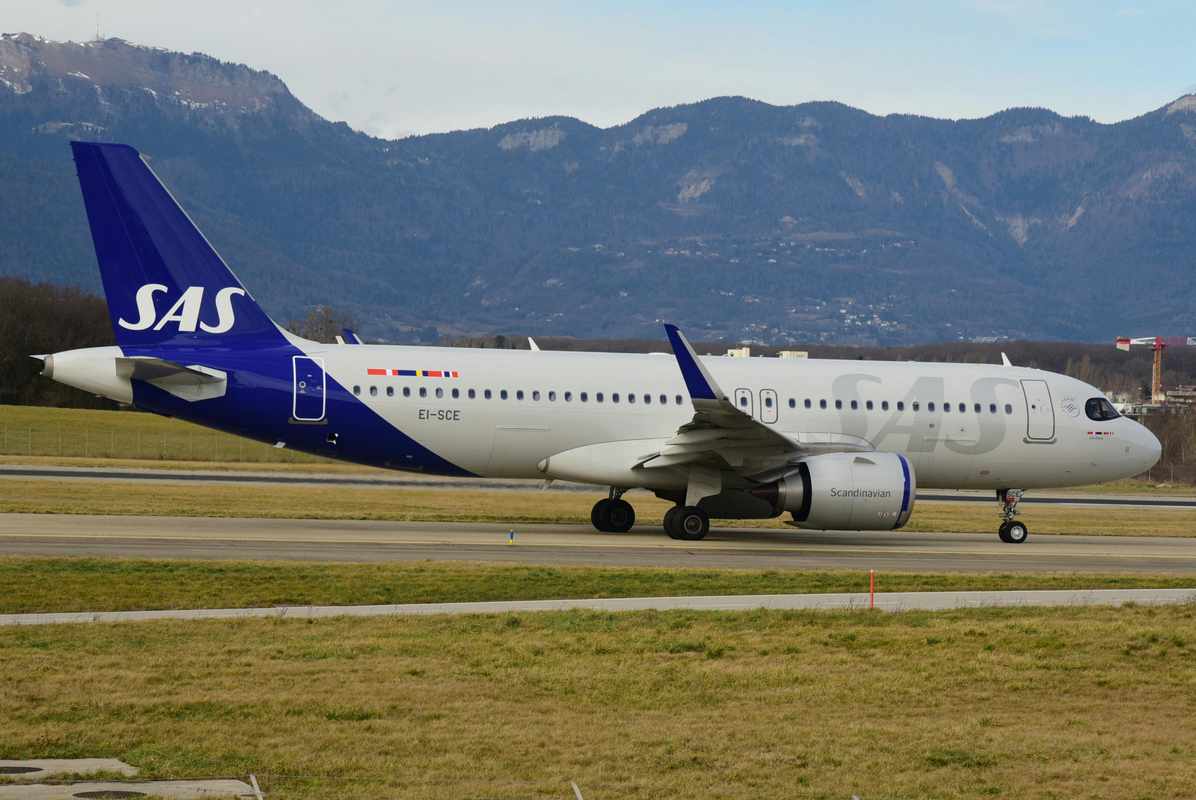
(INDONESIA) Indonesia and Turkey signed a new pact on October 26, 2025, to expand civil aviation cooperation, opening a broader bridge For travelers, families, students, and businesses moving between the two countries. The agreement, formalized during bilateral air service consultations in Istanbul, boosts direct flight routes, raises flight capacity, and updates airline flexibility tools such as codeshare rights. Officials from both sides recorded the deal in a record of discussion and an implementing arrangement, signaling a fresh phase of practical air links between two growing markets.
What the agreement expands
Under the agreement, the network of serviceable points expands well beyond the usual hubs. On the Indonesian side, eight additional cities — Yogyakarta, Majalengka, Manado, Medan, Balikpapan, Sorong, Kediri, and Lombok — join Jakarta and Denpasar as eligible points for service. On the Turkish side, Izmir and Bodrum are added as new service points.
This wider list of gateways raises the chance for airlines to build new nonstop connections and improve through-journeys with better timing for families, tourists, and cross-border workers.
Capacity and operational changes
- Weekly flight cap: Raised from 14 to 32 flights per week, more than doubling the available schedule room.
- Codeshare flexibility: Updated to support broader single-ticket journeys and smoother interline-like experiences.
- Unutilized rights: Addressed to help reallocate capacity that has been idle and direct it toward routes with stronger demand.
The extra flight capacity can ease pressure on fares over time and create more choices across the week — important for people planning time-sensitive trips such as starting a job, attending university orientation, or visiting relatives.
Practical effects for travelers and airlines
For travelers:
– Expect more nonstop or one-stop flows that were harder to book previously.
– Passengers may be able to book under one reservation, check bags through to the final stop, and rely on a single customer service channel if plans change.
– Communities outside Jakarta and Denpasar could see fewer layovers and shorter total travel times.
For airlines:
– The larger flight capacity gives space to test different schedules, days, and times.
– Carriers can time connections to broader networks — linking Indonesia’s eastern cities to Turkey’s onward routes to Europe, the Middle East, and Africa.
– Updated codeshare rules lower the risk of launching new patterns and make it easier to scale up if demand holds.
Implementation matters: the record of discussion and implementing arrangement signed in Istanbul creates the practical path for airlines to apply for slots, secure ground handling, and coordinate security and safety checks. These behind-the-scenes steps determine how soon passengers will see new options on booking sites.
Who benefits and how
These changes carry clear effects for different groups:
- Students and families: more convenient schedules that better match school calendars or religious holidays.
- Employers and project teams: more options to reduce overnight stays and lost work time.
- Tourists and local economies: more choices that bypass long layovers, helping smaller destinations gain attention and visitor spending.
- Cargo and trade: improved belly-cargo opportunities for high-value, time-sensitive shipments.
People-to-people exchange is central: longer weekends, easier family reunions, more predictable pilgrimage travel, smoother student placements, and short-term business trips all benefit from steadier schedules and fewer long layovers.
Route and capacity summary
| Item | Details |
|---|---|
| New Indonesian destinations authorized | Yogyakarta, Majalengka, Manado, Medan, Balikpapan, Sorong, Kediri, Lombok |
| New Turkish destinations authorized | Izmir, Bodrum |
| Weekly flight cap | Raised from 14 to 32 flights per week |
| Codeshare | Flexibility updated to support broader single-ticket journeys |
| Unutilized rights | Addressed to improve use of permitted capacity |
How the rollout is likely to proceed
According to analysis by VisaVerge.com, the framework supports steady, real-world growth rather than one-off announcements. Airlines have a menu of options:
- Start with shared flights (codeshares) to test demand.
- Move to limited nonstops if loads justify direct service.
- Scale up frequency and capacity as demand solidifies.
Seats may appear first as codeshares before full nonstops launch, especially on routes serving newly added Indonesian points and the Turkish cities of Izmir and Bodrum.
What travelers and stakeholders should watch and do
- Watch airline announcements in the coming months for route launches, codeshare expansions, and seasonal adjustments.
- Compare options across different days; codeshare listings often keep baggage checked through.
- Book early during peak windows and consider flexible tickets while schedules settle.
- Employers moving staff should plan for flexible travel arrangements in the near term.
- Local airports, tourism boards, and chambers of commerce in newly listed communities (e.g., Sorong, Kediri, Majalengka) can support route launches by signaling clear demand.
For authoritative updates on air service and regulatory matters, consult the Directorate General of Civil Aviation, Ministry of Transportation of Indonesia: https://hubud.dephub.go.id.
Limits and broader context
- The agreement does not specify fares, exact timetables, or airline names; those choices rest with carriers based on demand and operations.
- The deal aligns with broader strengthening ties between Indonesia and Turkey across sectors such as defense and aerospace. As trade and industry cooperation grows, passenger and cargo traffic tend to rise — and this agreement positions both sides to handle that lift.
In short, the new pact between Indonesia and Turkey sets a concrete framework to expand direct flight routes, grow flight capacity, and upgrade airline tools. If carriers use these rights, travelers will see changes in their calendars, budgets, and total time in transit — practical impacts on modern mobility.
This Article in a Nutshell
Indonesia and Turkey signed a bilateral air services agreement on October 26, 2025, in Istanbul to broaden civil aviation ties. The pact adds eight Indonesian service points (Yogyakarta, Majalengka, Manado, Medan, Balikpapan, Sorong, Kediri, Lombok) and two Turkish points (Izmir, Bodrum). It raises the weekly flight cap from 14 to 32, updates codeshare flexibility, and establishes measures to address unutilized rights. The implementing arrangement and record of discussion lay out operational steps for slot allocation, ground handling, and safety coordination. Travelers can expect more nonstop and one-stop options, improved single-reservation bookings, and shorter travel times; airlines gain room to test schedules and scale services as demand grows.
Live Government Data
State Dept • CBPBusiest Border Crossings
- Nogales 90 min
- Nogales 80 min
- Otay Mesa 80 min