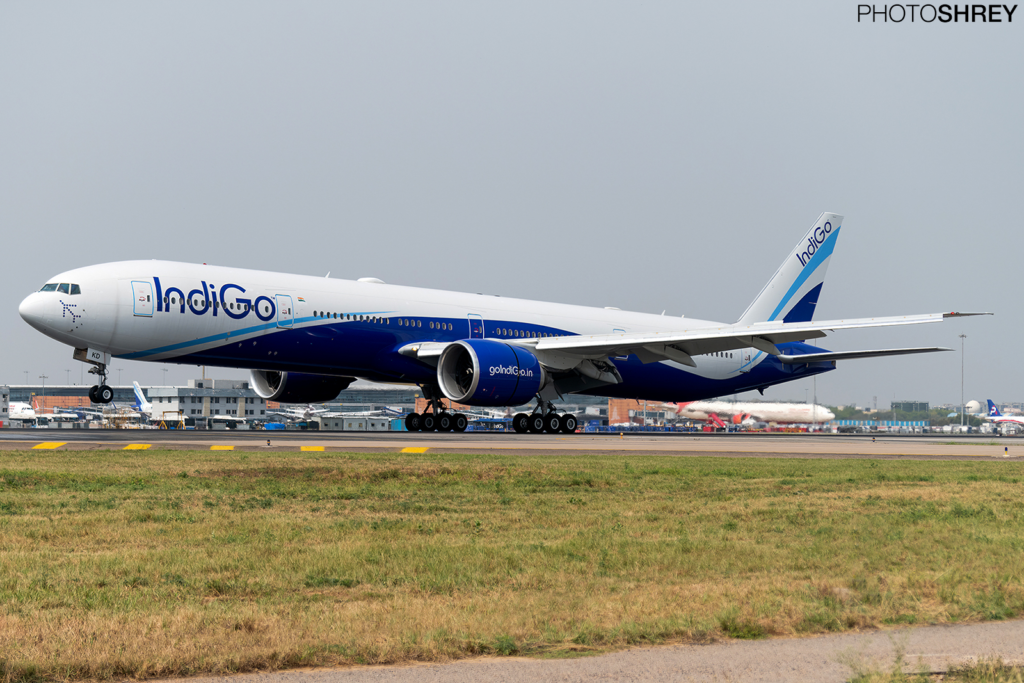
IndiGo said on December 12, 2025 it has brought in a US-based aviation specialist, Captain John Illson of Chief Aviation Advisors LLC, to carry out an independent root cause analysis after network-wide flight disruptions left thousands of passengers scrambling across India and on international routes. The airline said its board approved the move after a recommendation from its Crisis Management Group, and that Illson will deliver a comprehensive report directly to the board once his review is complete.
What prompted the review: December cancellations and immediate effects
The appointment follows a chaotic period from December 3 to 5, when IndiGo cancelled more than 3,000 flights as critical staff shortages collided with tighter Flight Duty Time Limitation (FDTL) rules issued by India’s Directorate General of Civil Aviation. IndiGo has acknowledged “stranding passengers” during that stretch, and on December 11 it said it would offer compensation to customers who were severely affected.
For many travelers, those days were not just an airline service failure but an immigration problem in real time. Students and workers trying to reach visa interviews, permanent residents returning before travel deadlines, and families hoping to meet relatives arriving from abroad can lose far more than a ticket when a connection collapses. Airlines also have a duty under many countries’ entry rules to transport passengers with valid documents to the right destination, and disruptions can leave people stuck in transit points where they may not have local permission to stay beyond a short period.
Timeline and immediate regulatory steps
- December 3–5: Network disruption and over 3,000 flight cancellations.
- December 11: IndiGo announced compensation for severely affected customers.
- December 12: Board-approved appointment of Captain John Illson.
- DGCA action (see next section) followed during the same period.
The DGCA has directed a 10% cut to IndiGo’s Winter schedule to help stabilize the network, and it has issued show cause notices to IndiGo chief executive Pieter Elbers and chief operating officer Isidre Porqueras, requiring them to explain the disruptions. AeroTime, Economic Times, and Informist also reported the engagement of Illson and the surrounding context on December 12.
Impact on travelers and immigration-related consequences
Passengers affected included people on foreign passports, particularly on routes feeding long-haul departures where a missed first leg can void the rest of the itinerary. Immigration consequences can be severe:
- Missed visa interviews or biometrics appointments
- Missed deadlines for entry under a visa’s validity window
- Inability to return to a job abroad on time
Many governments allow rescheduling, but proof matters. Airlines’ disruption letters, receipts, and updated itineraries become part of the record and can be crucial when explaining a missed appointment to consular or border officials. According to analysis by VisaVerge.com, periods of widespread cancellations can also drive spikes in urgent consular requests as people try to explain missed interviews or request new travel documents after being stuck away from home.
Airlines have an additional responsibility under many countries’ entry rules to ensure passengers with valid documents can reach their destination. When disruptions occur, travelers can face immigration problems that extend well beyond a missed flight.
About Captain John Illson
Illson is described as a veteran pilot and adviser with more than 40 to 45 years of experience. He is best known in aviation circles for work that spans regulators, standard-setting bodies, and airlines. IndiGo said his background includes:
- Serving as a senior advisor to the US Federal Aviation Administration
- Roles with the International Civil Aviation Organization
- Roles with the International Air Transport Association
The airline described his strengths as flight operations, aviation strategy, safety leadership, international standards, and new aircraft technologies — a mix it hopes can separate immediate operational fixes from deeper structural weaknesses.
Purpose and likely focus of the root cause analysis
In plain terms, a root cause analysis is meant to answer why a system failed, not only what broke on the day. In airline operations, that often means tracing cancellations back through:
- Crew planning and roster models
- Training pipelines and reserve staffing levels
- Fatigue risk controls and compliance with duty-time limits
- Dispatcher and management response times for re-routing when weather, maintenance, or staff issues coincide
Because IndiGo’s breakdown centered on staffing and compliance with duty-time limits, Illson’s review is likely to examine:
- Whether roster models assumed too much overtime
- Whether standby pools were too thin
- Whether internal warning signs were missed before cancellations spread across the network
Details on the new FDTL rules and operational strain
The new FDTL rules, as described in reports on the incident, required a mandatory 48-hour weekly rest for pilots and cut permitted night landings from six to two. Measures like these are designed to reduce fatigue and raise safety margins, but airlines often need months to:
- Adjust staffing
- Recruit new personnel
- Redesign rosters
When such rules arrive during a heavy travel season, passengers feel the change first through delays, missed connections, and last-minute cancellations. Those operational effects can ripple into immigration status issues when someone cannot arrive for a fixed appointment or must rebook at high cost.
Documentation, compensation, and regulatory accountability
IndiGo has not released Illson’s timetable, nor has it detailed the specific data he will be given, but the decision to put findings in front of the board signals the carrier is treating the episode as a corporate governance issue as well as an operational one. Investors and regulators will be watching for recommendations that:
- Address staffing resilience while staying inside the DGCA’s safety framework
- Show management can prevent a recurrence once the winter schedule ramps back up
IndiGo’s decision to offer compensation (announced December 11) may also matter for those who need to document extra hotel nights or new tickets while waiting to fly. Still, the show cause notices to Elbers and Porqueras underline that regulators are focusing on accountability, not only refunds, as the winter travel rush continues.
Practical takeaway for travelers
For passengers caught in future disruptions:
- Keep all airline-issued disruption letters, receipts, and updated itineraries — they can be vital when dealing with immigration or consular services.
- Seek prompt documentation if an airline rebooks you or pays for accommodation.
- Consult immigration authorities or legal counsel quickly if a missed entry or appointment would cause serious consequences.
What to watch next
- Whether Illson provides a timed, detailed report to IndiGo’s board and the nature of his recommendations.
- How IndiGo adjusts staffing, roster designs, and standby pools in line with FDTL.
- DGCA’s further regulatory actions or guidance as the winter schedule proceeds.
For the most authoritative source on India’s civil aviation rules, consult the regulator itself. The DGCA publishes circulars and operational requirements on its official site at Directorate General of Civil Aviation.
For now, IndiGo’s bet is that an outside expert with long experience in the United States 🇺🇸 and global aviation bodies can pinpoint why December’s meltdown spread so fast, and what the airline must change so that routine travel, including time-sensitive immigration trips, does not unravel again.
IndiGo appointed Captain John Illson on December 12, 2025 to conduct an independent root cause analysis after more than 3,000 cancellations between December 3–5. The DGCA ordered a 10% cut to the winter schedule and issued show-cause notices to top executives. Illson’s review will likely examine crew rostering, fatigue controls, and staffing reserves to prevent recurrence and to provide a report directly to the board.
Live Government Data
State Dept • CBPBusiest Border Crossings
- Brownsville 150 min
- Nogales 150 min
- Nogales 120 min