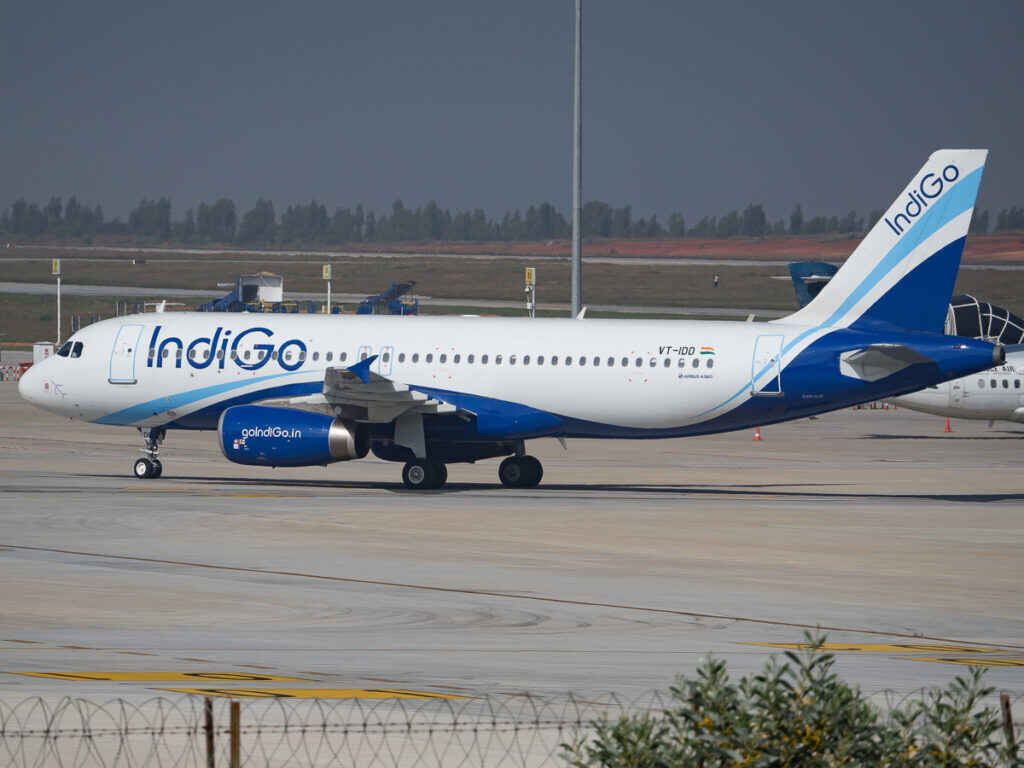
(LUCKNOW, INDIA) Chaos at Lucknow airport spilled over into physical fights on December 4, 2025, after IndiGo carried out the cancellation of 12 domestic flights in a single day, leaving hundreds of passengers stranded and furious. The disruption at Chaudhary Charan Singh International Airport hit key routes to Delhi, Mumbai, Hyderabad, Pune, and Ahmedabad, turning departure halls into crowded lines, shouting matches, and protest zones.
How the disruption unfolded
The trouble began as passengers slowly realised their flights were not just delayed but cancelled, often after waiting for hours with little clear information from IndiGo staff. Travellers at Lucknow airport described queues at counters with no idea when they might be rebooked, whether they would receive food or hotel support, or how long they would be stuck in the terminal.
Tempers rose through the afternoon. Some passengers exchanged blows in the middle of the hall while others shouted slogans against the airline. The atmosphere moved from tense to chaotic as support systems were overwhelmed.
Root cause: new duty-time rules and scheduling problems
The mass cancellation at Lucknow was part of a wider crisis facing IndiGo across India, rooted in new Flight Duty Time Limitation (FDTL) norms introduced by the Directorate General of Civil Aviation (DGCA) from November 1, 2025.
- The FDTL rules limit how many hours pilots can fly to improve safety.
- While the safety goal is broadly accepted, IndiGo struggled to adjust crew schedules, leading to waves of cancellations and delays nationwide.
- Lucknow was one of several airports affected as these scheduling issues built up.
Passenger experience and complaints
Passengers at Lucknow said poor communication from IndiGo made the situation much worse than a normal operational disruption.
- Many waited several hours without clear updates, food, or accommodation.
- Some were far from home or travelling for urgent reasons (exams, medical appointments, job interviews).
- Reports included:
- No refunds at the airport for cancelled tickets.
- Difficulty obtaining basic assistance for families with children or elderly relatives.
- Staff reportedly said food vouchers or hotel rooms would be provided only “subject to availability” — a condition that became inadequate with twelve cancellations from one airport on the same day.
The crowding and lack of information led minor disputes to escalate into heated confrontations and, in some cases, physical altercations.
Government response and orders
The Ministry of Civil Aviation stepped in with emergency measures intended to ease pressure on passengers and hold IndiGo accountable.
Key directives included:
- Capping airfares on affected routes to prevent sudden price spikes when passengers tried to rebook on other carriers.
- Ordering IndiGo to complete all pending refunds by 8 PM on December 7, 2025.
- Directing IndiGo to return all stranded baggage to owners within 48 hours.
A high-level inquiry into the airline’s handling of the crisis is under way, and the government is reportedly considering removal of IndiGo CEO Pieter Elbers over alleged operational failures.
Summary table: Ministry orders
| Directive | Requirement | Deadline |
|---|---|---|
| Refunds | Complete all pending refunds | 8 PM on December 7, 2025 |
| Baggage | Return all stranded baggage to owners | Within 48 hours |
| Airfares | Cap fares on affected routes | Immediate (to prevent spikes) |
Important: These deadlines reflect the scale of public anger over blocked or delayed repayments, and the ministry’s intent to limit further passenger harm.
IndiGo’s response and timeline
Pieter Elbers issued a public apology and attempted to reassure customers, projecting that IndiGo operations would return to normal between December 10 and 15, 2025.
- Many travellers affected in early December said that timeline offered little comfort, given they were left stranded with limited options.
- With seat availability tight on other carriers, a same-day cancellation often meant days of delay to reach critical appointments or international connections.
Impact on international travellers and visa-sensitive cases
The disruption affected foreign nationals in India—visitors, overseas workers, students—who depend on domestic flights to connect to international departures.
- Missed onward flights can cause visa issues, extra accommodation costs, and stress over immigration rules.
- Official information on Indian entry and exit rules is available from the Bureau of Immigration, but passengers said online guidance cannot replace assistance after a last-minute domestic cancellation.
Analysis by VisaVerge.com highlighted serious knock-on effects for:
- International students
- Business travellers
- Migrants with fixed visa windows
Someone who misses a long-haul connection may be forced to rebook days later, which can cut into allowed stay durations or risk overstays on return or onward travel.
Legal and record-keeping advice
Lawyers advising on immigration and travel cases recommend passengers keep detailed records in such situations:
- Boarding passes
- Cancellation messages
- Any written communication from the airline
While current reporting from Lucknow has not yet produced court challenges, the combination of poor communication, delayed refunds, and inadequate support could prompt formal complaints later.
Human stories and airport conditions
The human side of the crisis was vivid at Lucknow airport:
- Families slept on chairs or floors after evening cancellations, unsure whether to leave and risk missing rebooked flights or stay overnight in crowded areas.
- Elderly passengers and people with health conditions struggled in long queues to reach counters.
- For many, emotional strain and vague answers were as distressing as financial losses.
Wider context and lessons
The DGCA’s FDTL rules mirror global pilot duty limits aimed at improving safety. What stands out in the IndiGo case is the scale of scheduling mismanagement described by officials and passengers.
- Rather than gradually adjusting rosters from November 1, 2025, the airline appears to have allowed problems to accumulate until widespread cancellations occurred.
- Lucknow became one of the most visible flashpoints of this operational breakdown.
For now, travellers using IndiGo—especially from Lucknow and other busy hubs—are watching daily schedules with unease. Those with time-bound international travel may:
- Build in extra connection time where possible
- Choose alternative routes if available
- Face higher costs and limited options
The ministry’s investigation, refund and baggage directives, and any subsequent compensation or policy changes will determine how passengers are made whole after this wave of disruption.
Key takeaway: Passengers say they do not just want apologies; they want proof that airlines can respect safety rules like the new duty-time limits without turning terminals into scenes of chaos, anger, and physical conflict. Whether operations calm after mid-December as IndiGo predicts—or more cancellations follow—December 4 has already become a warning sign for India’s fast-growing aviation market.
IndiGo cancelled 12 domestic flights at Lucknow on December 4, 2025, causing crowding, confrontations, and stranded passengers. The disruption is linked to new DGCA FDTL duty-time rules that challenged crew scheduling nationwide. The Ministry of Civil Aviation intervened, capping fares on affected routes, ordering refunds by December 7, and requiring baggage returns within 48 hours. IndiGo apologised and projected normal operations by December 10–15 while authorities probe operational failings.
Live Government Data
State Dept • CBPBusiest Border Crossings
- San Ysidro 175 min
- Calexico 150 min
- Calexico 120 min