- Indiana lawmakers passed the FAIRNESS Act requiring public institutions to cooperate with federal ICE detainers.
- The bill imposes strict penalties on employers and hospitals that fail to document or report immigration status.
- If signed, the law takes effect July 2026 amid concerns over racial profiling and administrative burdens.
(INDIANA) — Indiana lawmakers sent a sweeping immigration enforcement bill to Governor Mike Braun’s desk on Wednesday after the state Senate approved House changes and passed the measure 37-11.
Senate Bill 76, the Indiana FAIRNESS Act, cleared the chamber on February 25, 2026, and now awaits Braun’s signature, positioning the state to mandate broader cooperation with federal immigration enforcement and tighten penalties for entities and employers that do not comply.
Supporters cast the proposal as a statewide framework to strengthen anti-sanctuary policies and standardize how public institutions respond to ICE detainers and related requests, while opponents warned it risks racial profiling and pulls schools and hospitals deeper into immigration enforcement.
If Braun signs the bill, it takes effect on July 1, 2026.
State Sen. Liz Brown, a Republican from Fort Wayne who authored the measure, wrote SB 76 as the FAIRNESS Act, short for Fostering and Advancing Immigration Reforms Necessary to Ensure Safety and Security.
House lawmakers, led by sponsor Rep. J.D. Prescott, a Republican from Union City, overhauled parts of the bill during an 18-month legislative effort, adding provisions that reach into county jail practices and hospital documentation tied to Medicaid recipients.
Under SB 76, governmental bodies and a wide range of public institutions—including schools, universities, hospitals, police, and sheriff offices—must comply with ICE detainers and requests for information on citizenship or immigration status, so long as cooperation does not violate state or federal law.
County jails would face annual inspections to check compliance with ICE protocols, a requirement supporters said would pressure local facilities to maintain consistent procedures for handling detainers and related federal requests.
Hospitals also would take on new documentation and reporting responsibilities. Starting in 2027, hospitals must document and report identification provided by Medicaid recipients, a provision that drew criticism during debate over whether it could chill access to care or increase administrative burdens.
Employers would face penalties for knowingly or intentionally hiring undocumented workers, including possible license revocation or a business shutdown lasting several days, with enforcement authority assigned to the Attorney General’s office.
The bill also strengthens Indiana’s anti-sanctuary enforcement approach by removing the mens rea, or intent, requirement in a key provision, allowing civil actions and fines against entities that restrict immigration enforcement.
SB 76 sets fines up to $10,000 per knowing or intentional violation against entities that restrict immigration enforcement, adding a civil enforcement mechanism that supporters said could deter local policies that limit cooperation with ICE detainers.
Supporters also built in protections for those who comply. The measure shields law enforcement, governmental bodies, and universities from civil liability when they comply with ICE detainers, and it expands the authority of Indiana Attorney General Todd Rokita to defend complying entities in lawsuits and to pursue enforcement actions.
Braun has publicly supported stricter immigration enforcement priorities, and supporters tied the legislation to national enforcement goals, citing alignment with President Trump’s agenda and Border Czar Tom Homan’s policies.
Rokita endorsed the amended version of SB 76, and his office has already sparred with local entities over immigration-related policies. He previously sued Indianapolis Public Schools over rules requiring judicial warrants for ICE entry, a policy IPS later changed.
Democrats and one Republican who voted no argued the bill’s strict-liability style approach could widen the risk of racial profiling and turn public-sector workers into what critics called “federal enforcement extensions,” with special concern for teachers, nurses, and other frontline staff.
Sen. Greg Taylor, a Democrat from Indianapolis, Sen. Shelli Yoder, a Democrat from Bloomington, and Sen. Fady Qaddoura, a Democrat from Indianapolis, joined Sen. Jean Leising, a Republican from Oldenburg and the lone Republican no-vote, in raising objections that included burdens on schools and healthcare settings and potential fallout for industries such as dairy.
Civil liberties concerns also surfaced around how ICE detainers operate in practice, including disputes over mistaken detentions and the legal boundaries of cooperation. Critics pointed to Fourth Amendment questions in school settings, including whether a principal’s consent can override student rights, and to controversies tied to detainer-related holds.
The ACLU of Indiana opposed SB 76, arguing it expands enforcement, blurs state and federal roles, and escalates penalties, as the bill pushes cooperation requirements into more institutions and increases the consequences for noncompliance.
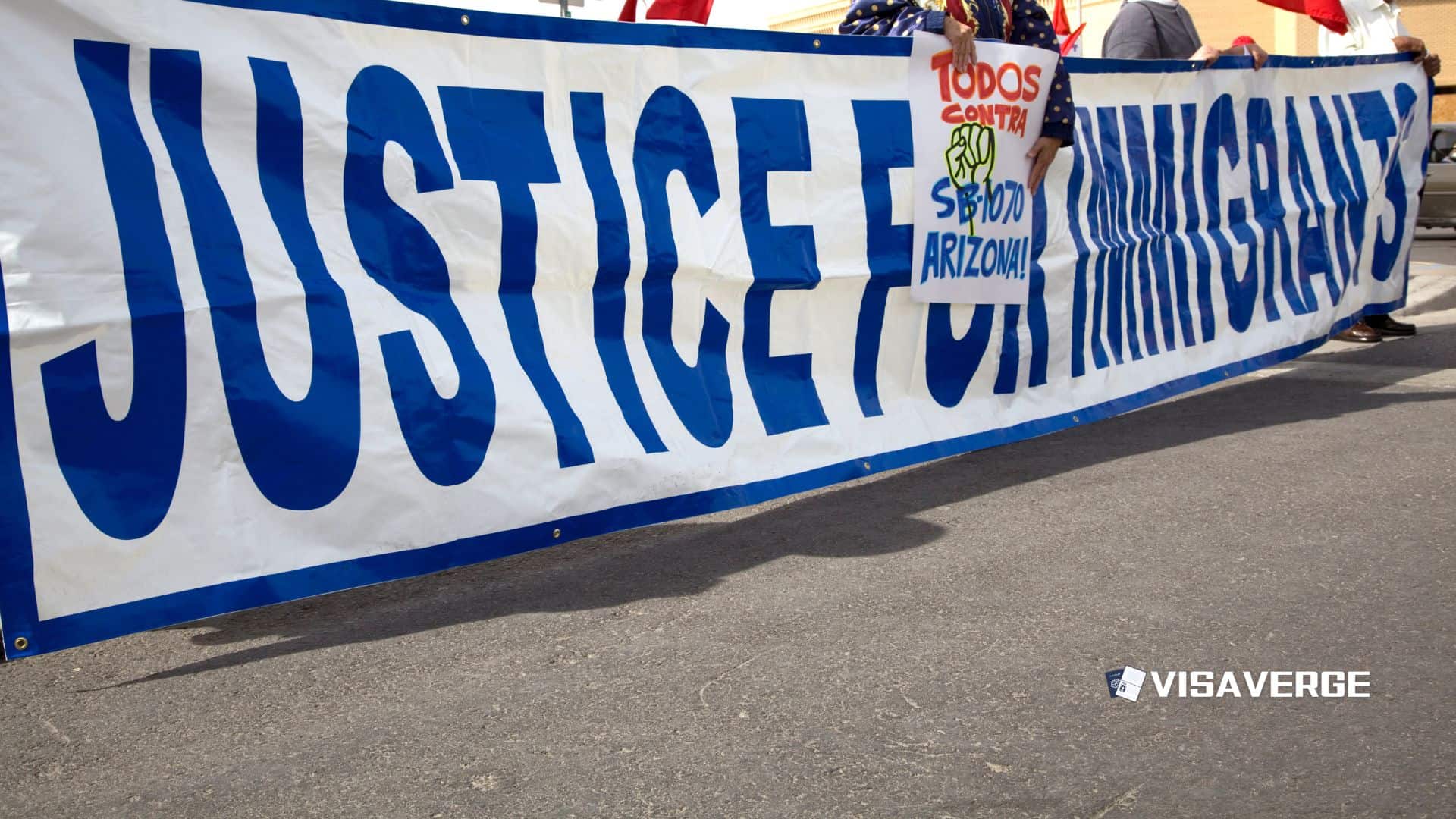
Protesters gathered at the Statehouse as the measure advanced, reflecting a public debate that has combined local concerns about policing and civil rights with broader national disputes over immigration enforcement.
As of February 26, 2026, the bill sat on the governor’s desk with no reported signature yet, leaving public entities, jails, hospitals, and employers watching closely for timing, guidance, and compliance expectations if the measure becomes law.
Updates on the bill’s status and legislative documents are posted on the Indiana General Assembly website at iga.in.gov.