- Conflict in West Asia has slowed Gulf recruitment and prompted over 52,000 Indians to return home.
- Significant wage gaps drive workers to stay, as Gulf salaries exceed domestic earnings fivefold.
- U.S. visa updates show forward movement for EB-2, offering new opportunities for Indian professionals.
(INDIA) — Indian migrant workers continued pursuing jobs in the Gulf region on Tuesday even as a West Asia conflict involving the United States, Israel, and Iran slowed recruitment and prompted tens of thousands to return home.
Recruitment flows into the UAE, Saudi Arabia and Qatar have eased amid regional instability, but economic pressure and family responsibilities kept many Indian migrant workers focused on Gulf opportunities.
Between March 1 and March 7, 2026, roughly 52,000 Indians returned to India as the security situation evolved, while over 12,000 Indians sought assistance from Indian missions in the UAE and Qatar in early March due to disrupted travel.
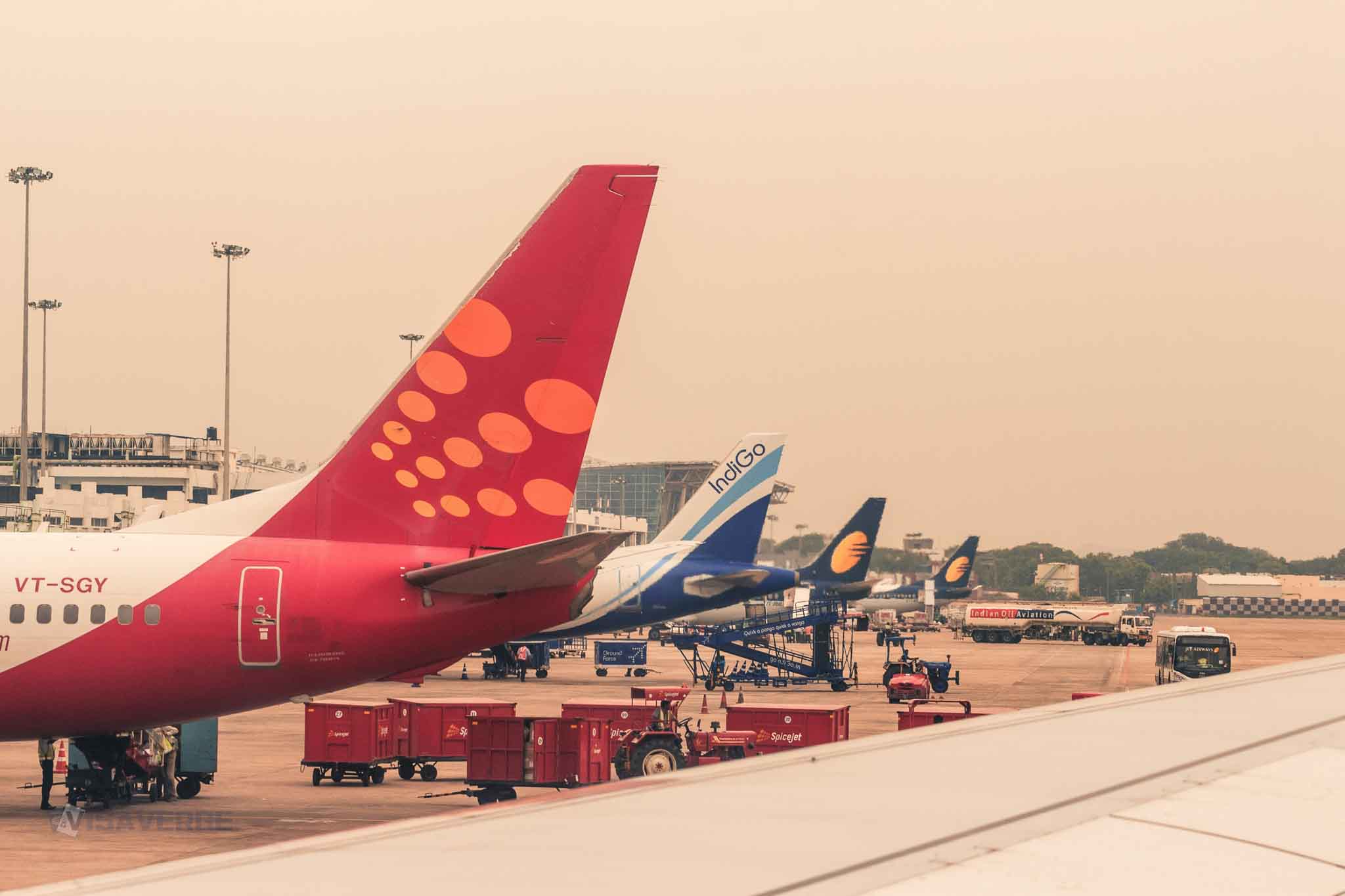
Airlines including IndiGo and Air India operated special flights to evacuate thousands from the UAE and Qatar due to airspace closures, as the conflict disrupted travel plans and hiring schedules tied to the Gulf region’s labour market.
Approximately 10 million Indian citizens live and work in the Gulf Cooperation Council countries as of March 2026, a workforce concentrated in jobs that often sit close to construction zones, transport corridors and service hubs vulnerable to shutdowns.
Mumbai-based recruitment agencies described a “temporary halt” tied to the regional escalation, warning it could delay over 300,000 job placements if hiring remains stalled for several months.
The disruption has hit what officials and recruiters describe as the India-Gulf labor corridor, with construction, hospitality and logistics among the sectors most exposed to wartime pauses and project suspensions.
Risk has not stopped many departures, workers said, citing a wage gap they struggle to match at home and debts that do not pause when flights ground or contracts get delayed.
Workers reported that wages in the Gulf run at approximately ₹45,000/month, about four to five times higher than comparable jobs in India at approximately ₹10,000/month, a gap that shapes decisions even as missile and drone strikes threaten the region.
Many workers expressed a belief that “bombs fall on big buildings, not on labor camps,” and that financial survival for their families outweighs the immediate threat of conflict.
Early March violence underscored the danger for Asian labourers in the region. Missile and drone strikes killed at least 10 Asian migrant workers in early March 2026, highlighting the risks that can accompany routine worksite commutes and shared accommodation.
Families in Kerala, Maharashtra and Uttar Pradesh faced uncertainty as income earners remained in what relatives described as the “crosshairs” of the regional escalation, with remittances and return travel plans thrown into doubt.
Money from the Gulf remains a central pillar for household budgets and for India’s broader inflow of overseas earnings, with the UAE the second-largest source of remittances for India after the United States.
The UAE contributed roughly $23 billion (approx. 20% of India’s total) in 2024-2025, figures that help explain why families and recruiters track flight disruptions and job starts almost as closely as security updates.
Indian officials tracked the fast-moving situation through updates from the Gulf-facing arm of the foreign ministry, alongside consular outreach as travel disruptions built. The Ministry of External Affairs posted information through its Gulf Division updates, as missions in the UAE and Qatar handled assistance requests.
Alongside the Gulf-linked upheaval, U.S. agencies issued major policy updates for Indian nationals in the same period, reflecting a separate migration channel that also influences family decisions about where to work and settle.
On February 20, 2026, USCIS and the Department of State announced an unexpected and “substantial” forward movement in the EB-2 India category in the March 2026 bulletin. EB-2 India filing dates moved forward by approximately 11 months, allowing thousands of Indian professionals to file for Adjustment of Status.
“Filing dates do not move nearly a year forward unless USCIS and the Department of State see real visa number availability. This movement signals that something meaningful has changed behind the scenes. Filing the I-485 does not end the journey, but it fundamentally changes the journey” (Source: RN Law Group / USCIS March 2026 Bulletin Analysis).
USCIS posted the bulletin guidance through its March 2026 Visa Bulletin information, while the State Department’s consular arm maintained broader travel and visa information via the Bureau of Consular Affairs.
U.S. policy also shifted under the Trump administration in measures that affected Indian migrants, even as the Gulf remained the primary destination for Indian migrant workers seeking rapid wage gains.
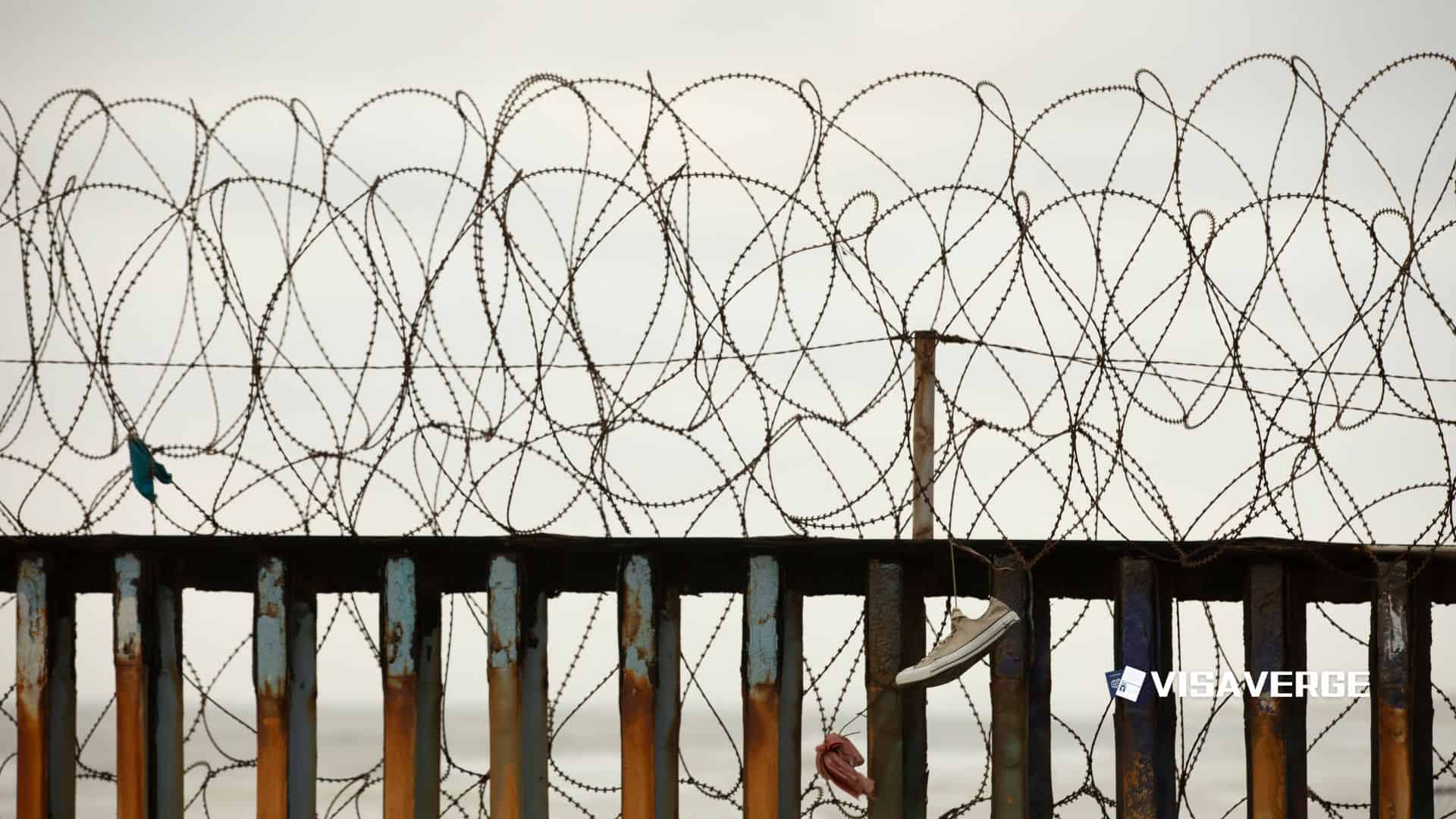
Proclamations 10888 and 10886 dated January 20, 2025 declared a “national emergency” at the southern border and authorized the use of military assets for immigration enforcement.
Between January 20, 2025, and late 2025, the Ministry of External Affairs reported that 1,703 Indian nationals were deported from the U.S. as part of a “restoration of order” initiative by the DHS.
For recruiters and families watching the West Asia conflict, the immediate questions remained practical: whether hiring would resume, whether flights would stay open, and whether workers already in the Gulf could keep earning and sending money home without further disruption.