- Reports have not confirmed an approved 30-day surge plan by ICE as of March 9, 2026.
- The recently concluded Operation Metro Surge in Minnesota resulted in over 4,000 arrests during 74 days.
- Uncertainty remains regarding enforcement in Pennsylvania, as Lancaster and York remain unconfirmed jurisdictions for operations.
(MINNESOTA) — U.S. Immigration and Customs Enforcement has floated the idea of a proposed “30-day surge” of enforcement activity, but no confirmed reports have established that the plan exists as a formal, approved operation as of March 9, 2026.
Talk of a short, concentrated surge has circulated alongside references to Minnesota’s recently concluded Operation Metro Surge, a far larger enforcement action that officials publicly described in specific terms and later drew down.
That distinction matters for immigrant communities, employers and local governments because an unconfirmed concept can drive fear and business planning long before any operation becomes real, while an active surge produces immediate custody and staffing impacts.
Operation Metro Surge provides the closest concrete reference point in the current discussion. Officials described it as a 74-day operation in Minnesota targeting criminal noncitizens, with up to 3,000 agents and resulting in over 4,000 arrests.
Border Czar Tom Homan announced a drawdown of forces in Minneapolis on February 4, 2026, signaling an end to the intensified posture and a reallocation of personnel away from the metro area.
Even with the drawdown announcement, Minnesota leaders described continuing disruption into early March. As of March 5, 2026, leaders reported ongoing economic disruption and community harm tied to the enforcement activity.
The Minnesota operation’s scale and visibility have led it to be cited as a template in chatter about possible surges elsewhere, though there have been no confirmed reports establishing a new “30-day surge” as a formal plan.
Attention has also turned to Pennsylvania, including Lancaster and York. Coverage has described Lancaster and York law enforcement as expressing disinterest, but it has not established confirmed reports showing either county’s agencies rejecting a 30-day surge request.
An “uninterested” or “unconfirmed” posture can reflect several different realities: a county may not have received any request, may have declined to comment, or may not have taken any formal vote or issued any policy statement that clearly signals a yes or no.
Cooperation can differ sharply even between neighboring counties. Local practice can turn on jail policies, how agencies handle detainer practices, and whether local officials allow custody-transfer procedures that place someone into ICE custody before release from local detention.
Against that backdrop, Minnesota’s Metro Surge has taken on outsized importance because it came with explicit descriptions of tactics and scale, including the number of agents and arrests, and because it was followed by a public drawdown announcement.
In Minnesota, the broader community and economic fallout has remained part of the story even after the enforcement posture eased. Local leaders described community harm, and economic observers pointed to labor disruption tied to the operation.
The Federal Reserve’s Beige Book from early March 2026 noted economic impacts connected to the Minnesota surge, including businesses struggling to replace workers. The Beige Book did not announce expanded surges tied to Pennsylvania counties.
Businesses facing sudden workforce losses can struggle to keep lines moving, fill shifts and maintain service. Even when employers want to replace workers quickly, hiring pipelines and training time can slow the response.
Local services can also feel strain when families change routines or avoid public spaces, and when workplaces experience turnover spikes. The available information links these pressures to enforcement activity, but it does not establish a county-by-county expansion beyond Minnesota.
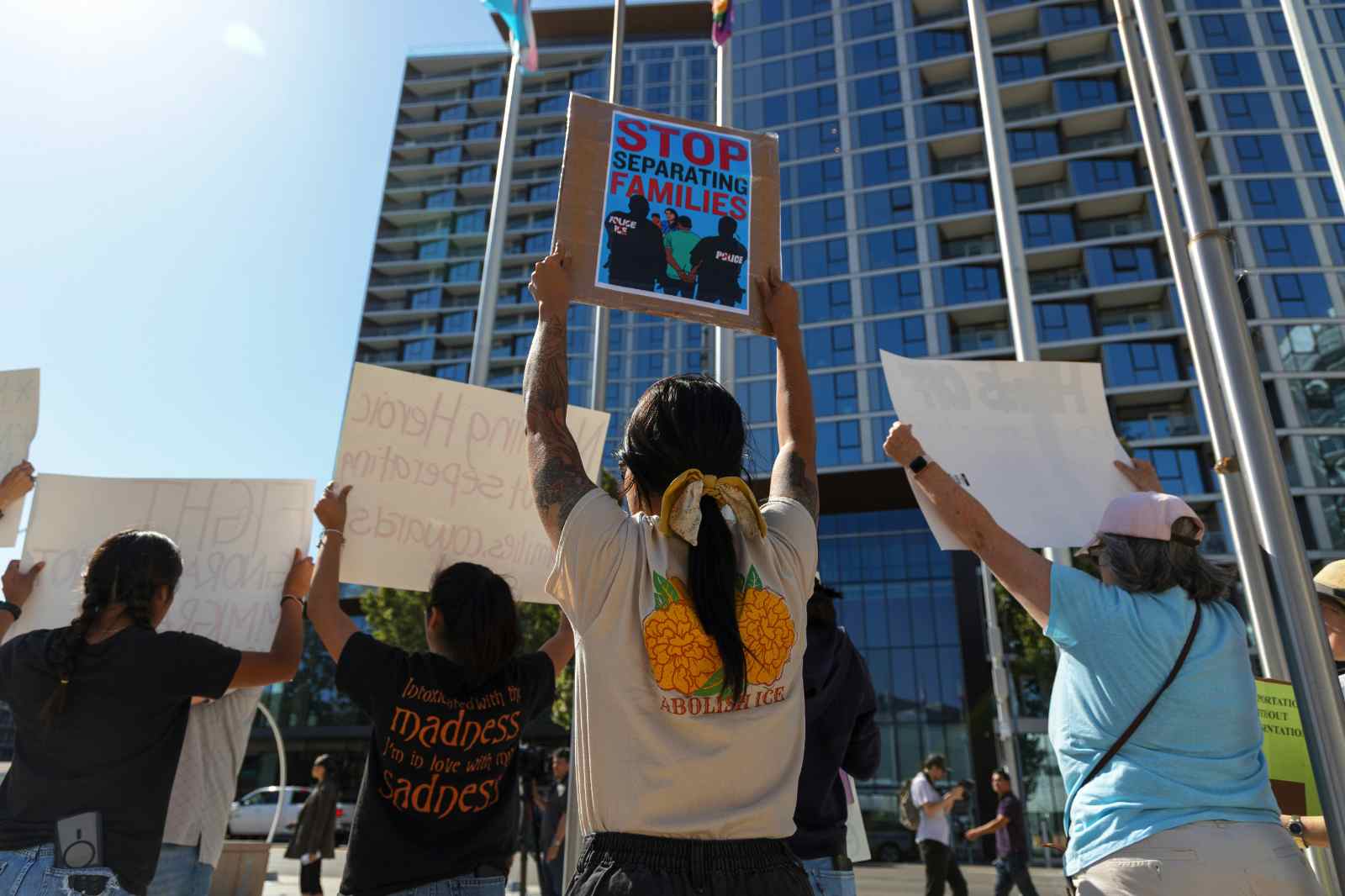
Public response to the broader enforcement climate has included protests and flashpoints that drew national attention. Those events, however, do not directly confirm that ICE has approved or launched a new “30-day surge” plan.
Among the incidents referenced in connection with the enforcement climate were the January 30, 2026 “National Shutdown” events nationwide. The information also cites the deaths of protesters Renée Good on January 7 and Alex Pretti on January 24.
The protests have included violent episodes, but the presence of demonstrations, even when widespread, does not establish the existence of a formal surge plan. It shows public reaction to enforcement activity and the way related claims can spread.
Homan, in his role as Border Czar, framed the Minnesota operation as one that benefited from local cooperation. Announcing the drawdown in Minneapolis on February 4, 2026, he cited “unprecedented cooperation” from some local officials.
Homan also highlighted counties that allowed ICE custody pre-release during Metro Surge, a form of cooperation that can affect how quickly agents can take custody and move people through detention and removal processes.
His cooperation comments did not explicitly name Lancaster or York, leaving uncertainty for readers trying to map broad claims onto specific jurisdictions. Naming matters because policies can vary widely across counties, even inside the same state.
Broad statements about “cooperation” can also be interpreted in different ways, depending on whether an agency means informal communication, routine detainer handling, formal agreements, or pre-release transfers. Without jurisdiction-by-jurisdiction confirmation, those claims remain difficult to apply to any specific county.
The contrast between Minnesota’s publicly described operation and the current, unconfirmed discussion of a short surge underscores the need to separate confirmed enforcement actions from proposed or rumored plans.
Operation Metro Surge occurred, carried a defined time frame and scale, and ended with a public drawdown announcement. By contrast, no confirmed reports establish that an ICE-proposed “30-day surge” has been approved as of March 9, 2026.
The Pennsylvania references remain limited as well. Lancaster and York have been described as uninterested or unconfirmed, and the available information does not show documented rejections of a surge request by their law enforcement agencies.
Understanding the difference between stages can help communities interpret fast-moving claims without inflaming speculation: a proposal is not the same as an interagency request, and a request is not the same as a local policy governing custody transfer, which is also distinct from an active operation on the ground.
For now, Minnesota remains the most recent example with defined operational details—74 days, up to 3,000 agents, and over 4,000 arrests—while the purported “30-day surge” concept has not been established as a confirmed, approved plan as of March 9, 2026.