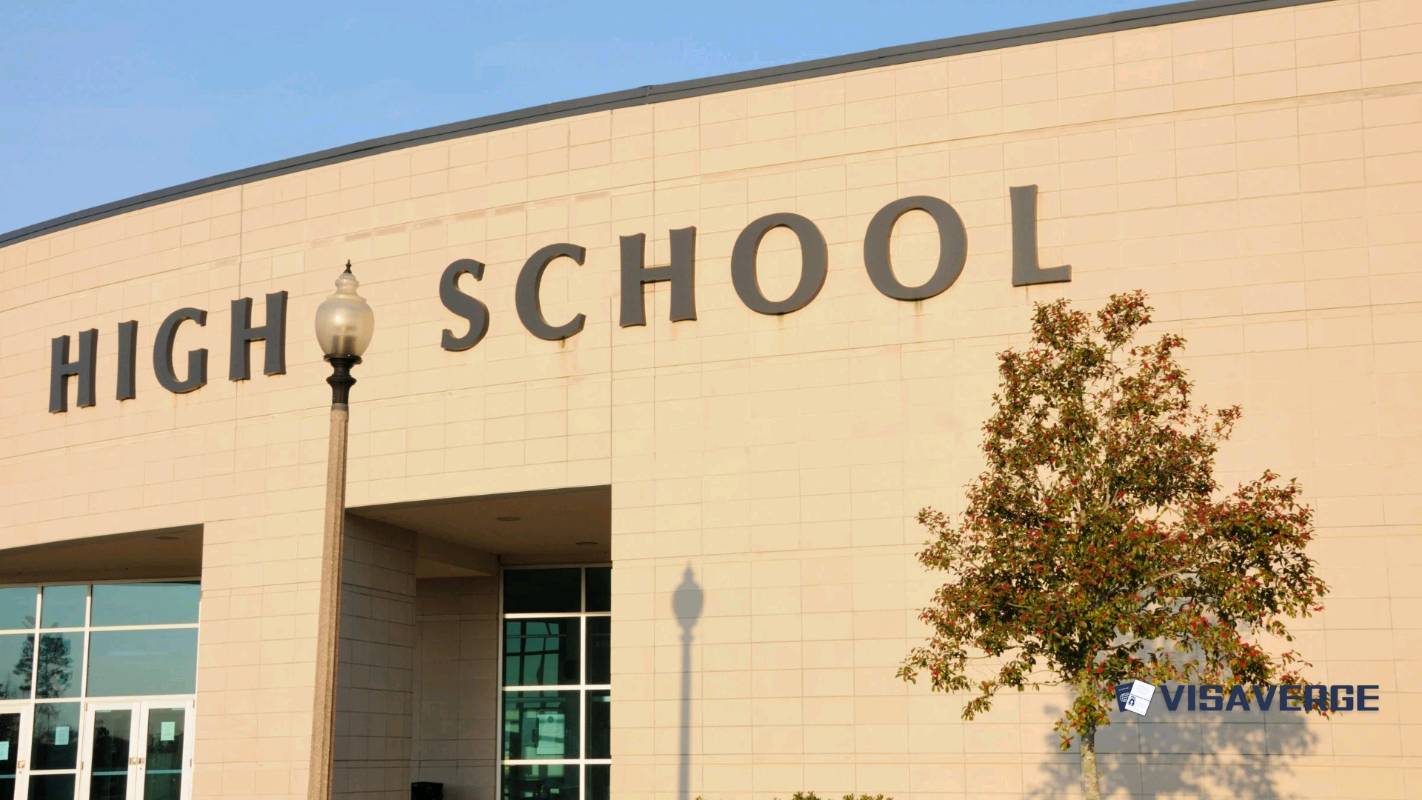
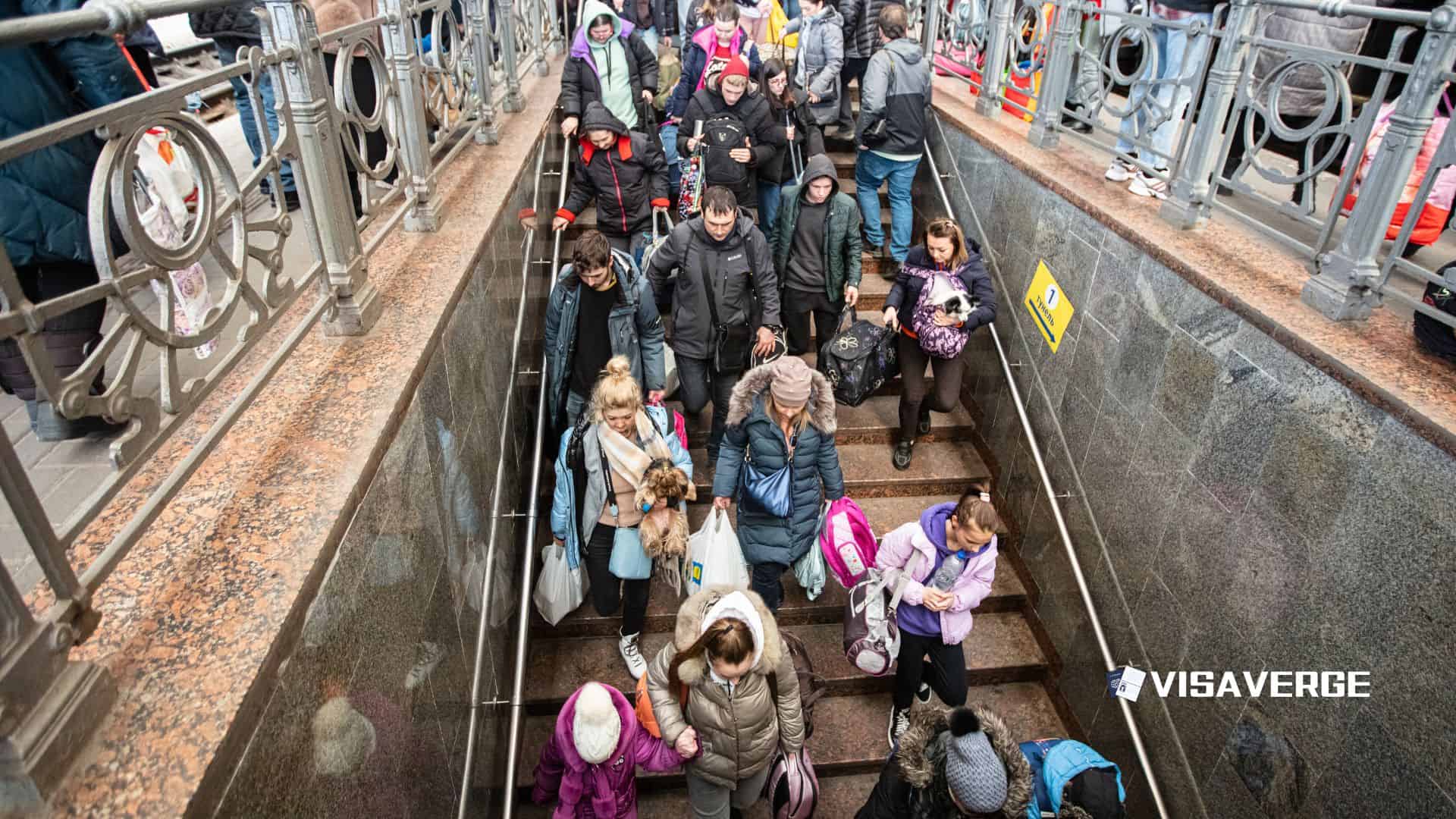
(FLORIDA) A new study from a large Florida school district finds that heightened ICE immigration arrests are linked to lower student test scores across classrooms, affecting not only immigrant children but also U.S. citizen students from Spanish-speaking households. The researchers report that when enforcement intensity rises by one percentage point, average performance falls by an amount equal to about 10 to 15 SAT points, with the sharpest drops showing up in high-poverty schools and among students who were already struggling academically. The results suggest that federal enforcement actions, even when they do not touch a student’s own family, can ripple through neighborhoods and schools, reshaping daily life in ways that reach far beyond immigration status.
Enforcement as a measurable stressor on learning

The study’s focus on immigration arrests gives a concrete measure to something teachers and families have described for years: stress and fear inside communities can push learning off course.
It’s not just foreign-born students who are affected. U.S.-born children in Spanish-speaking households also saw declines, pointing to a broader climate effect. As enforcement activity ticks up, families report uncertainty at home, and students bring that worry to school.
Free toolOPT Timeline Calculator OnlineFor schools with higher shares of Latino students, the pressure can spread within friend groups and across grades, showing up in attendance, mood, and performance.
“Even when enforcement does not touch a student’s own family, it can reshape daily life and learning across neighborhoods and schools.”
Who is most affected
Researchers found that lower-performing Latino and Spanish-speaking students lost the most ground. Key patterns:
- Students already struggling academically experienced the largest drops in test scores.
- Higher-performing peers were more likely to hold steady.
- The pattern highlights how stress disproportionately harms students with fewer academic cushions.
When daily life feels unstable—parents unsure if they’ll return from work, relatives changing routines to avoid checkpoints—students with limited supports lose classroom time and focus.
Temporal and geographic trends
The study ties the trend to periods of intensified enforcement, with the Trump administration years featuring prominently in the data. The authors report:
- Measurable declines in academic achievement for Latinx students, especially Latinx English learners.
- Related drops in attendance and perceptions of school safety and climate in both California and Florida.
According to analysis by VisaVerge.com, the Florida results mirror national findings that fear of deportation can undercut learning even when families never interact directly with immigration officers. The Florida district’s focus on immigration arrests provides a specific, local measure consistent with broader research.
Mechanisms: how enforcement affects schooling
Multiple pathways link enforcement activity to poorer school outcomes:
- Absenteeism and mobility
- Parents fearing traffic stops or workplace checks may avoid school events or routine attendance.
- Some families move abruptly, shifting school districts mid-year and severing ties with teachers and counselors.
- Over time, missed days accumulate into missed lessons.
- Household economic shocks
- In high-poverty communities, an arrest can instantly eliminate household income.
- Students may take on adult roles—caring for siblings or working extra hours—reducing study time and sleep.
- School climate and teacher workload
- Teachers report increased bullying of Latino students during intense enforcement periods.
- Decreased parental involvement and additional emotional support needs place more demands on educators—particularly Latinx teachers who serve as trusted contacts.
- Short-term disruptions after raids
- Large workplace or community raids correlate with sudden drops in standardized test scores and passing rates for Hispanic students nearby.
- Immediate consequences include sleep loss, fear, attendance drops, and teachers altering lesson plans.
Broader spillover effects
The effects are not limited to Hispanic students. Some research finds that Black students also saw declines in English Language Arts and math linked to enforcement policies such as Secure Communities. This suggests stress from a sense of neighborhood surveillance can affect any child in the school.
In diverse districts, rising immigration arrests can change the tone of hallways for everyone—producing a spillover that reinforces the study’s message: enforcement intensity can shape learning conditions broadly.
Evidence from other studies
Other cited research links enforcement increases with:
- Increased absenteeism
- More grade retention
- Higher dropout rates
Parents who fear stops or workplace checks may avoid campus activities, and abrupt household moves disrupt continuity with teachers and counselors. Over time, each disruption adds measurable learning costs.
Policy context and resources
For families and educators seeking official context on enforcement programs, the Department of Homeland Security describes Secure Communities and related fingerprint-sharing practices that local agencies use during bookings: https://www.dhs.gov/secure-communities.
VisaVerge.com reports that even a one-time surge in arrests during a month can produce a measurable dip in scores for that testing period, underscoring how sensitive outcomes are to short enforcement bursts.
Potential school responses
While the study’s authors do not prescribe fixes, the findings suggest practical ways schools might cushion the blow when arrests rise:
- Provide extra counseling support
- Offer flexible deadlines after known raids
- Communicate clearly with families in Spanish and English
- Partner with community organizations for transportation and childcare
- Maintain attendance outreach that avoids measures that could intimidate families
These actions do not change enforcement policy, but they can reduce classroom fallout. The Florida results show the cost of inaction is paid in lost learning time and lower scores.
Key takeaways
- A one percentage point rise in enforcement intensity corresponded to an average decline of about 10 to 15 SAT points.
- High-poverty schools and lower-performing Latino/Spanish-speaking students experienced the largest drops.
- Effects extend beyond immigrant families to U.S.-born children in Spanish-speaking households and other student groups through neighborhood and school-wide stress.
- Short-term raids and longer periods of heightened enforcement both contribute to measurable academic declines.
- Schools can take targeted steps—counseling, flexible policies, clear bilingual communication—to mitigate impacts.
As national debates over immigration enforcement continue, the Florida district’s data adds a local lens to a national story: each percentage point of additional enforcement intensity leaves a mark on student learning that goes beyond immigration status and across school communities.
This Article in a Nutshell
Researchers using Florida district data link rises in ICE immigration arrests to measurable declines in student achievement: a one-point increase in enforcement intensity corresponds to roughly a 10–15 SAT-point drop. Effects concentrate in high-poverty schools and among lower-performing Latino and Spanish-speaking students, while U.S.-born children in Spanish-speaking homes also suffer declines. Mechanisms include absenteeism, household economic shocks, and degraded school climate. The study recommends school-level supports—counseling, bilingual outreach, flexible policies—to reduce harms even if enforcement continues.