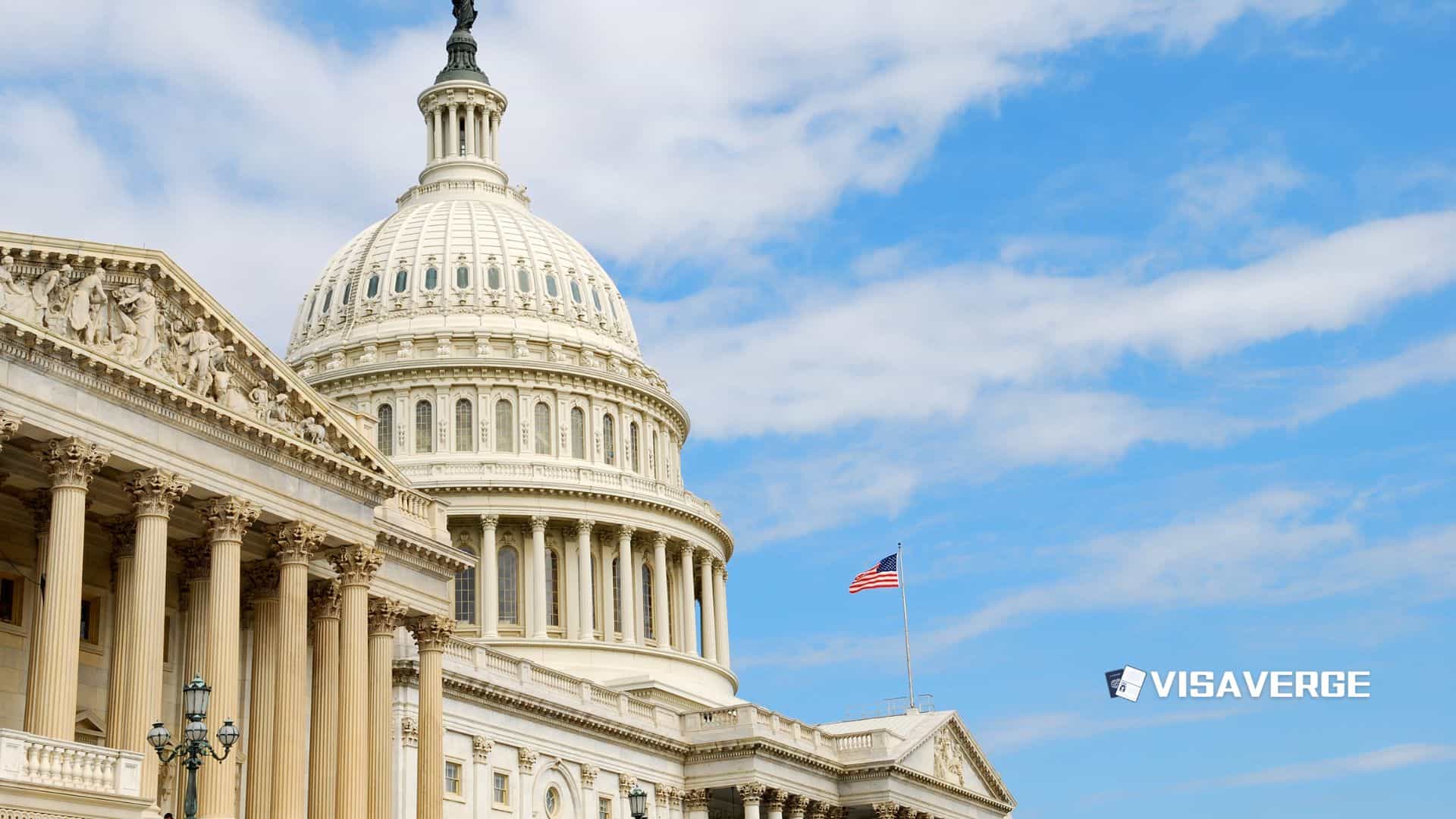
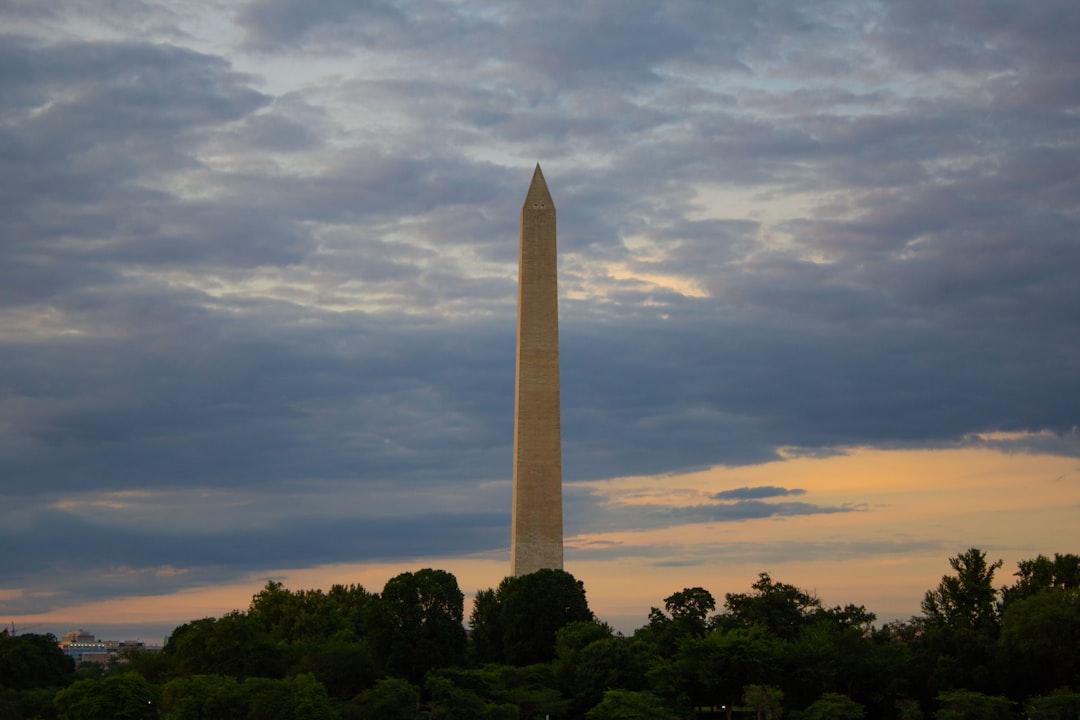
(WASHINGTON, D.C.) Safety investigators and key senators are warning that a House-passed defense bill could roll back hard lessons from January’s fatal crash over the Potomac, by letting military training flights in the DCA airspace switch off the system that tells other aircraft where they are. The provision in the National Defense Authorization Act (NDAA) would allow a service secretary to waive a requirement that aircraft keep broadcasting position while operating inside roughly a 30-mile radius of Washington, D.C., a change critics say could again mix civilian jets and military helicopters with less warning as Congress works with the Senate.
What the House language does (and allows)
Under the House language, military training flights would be restricted in the corridor around Ronald Reagan Washington National Airport unless they are actively broadcasting position through FAA ADS‑B — a technology that sends out an aircraft’s location.
However, the bill:
- Authorizes the Secretary of Defense or the secretary of a military department to waive that broadcast requirement for:
- national security, or
- if officials judge commercial flights are not at risk.
- Requires notice to Congress for any waiver lasting more than 30 days.
- Leaves open the possibility that shorter waivers could be renewed repeatedly, which critics say could place routine training outside the rule.
NTSB reaction and safety concerns
National Transportation Safety Board chair Jennifer Homendy issued a blunt rebuke, saying the subsection:
“significantly reduces the safety of the airspace around Ronald Reagan Washington National Airport by allowing the secretary of any military department to operate training missions in the DCA airspace in a manner that already existed prior to the midair collision on January 29th.”
Homendy said the proposal:
- “would undermine aviation safety improvements” put in place after the crash, and
- urged lawmakers to reconsider.
She also said she would work with members of Congress to address the NTSB’s safety concerns before the bill moves to conference.
Senate response and the ROTOR Act
Senate leaders from both parties are pushing a different approach:
- Ted Cruz (R-Texas), chair of the Senate Commerce Committee, and
- Maria Cantwell (D-Wash.), the panel’s top Democrat,
pressed colleagues to drop the waiver approach and adopt the bipartisan ROTOR Act instead. Senators Jerry Moran (R-Kan.) and Tammy Duckworth (D-Ill.) joined the criticism, arguing Congress should set a clear rule rather than leave exemptions to shifting waivers.
The ROTOR proposal would:
- Require ADS‑B Out broadcasting for military and civilian aircraft, and
- Limit exemptions in the air routes near D.C.
Background: the Jan. 29 midair collision
The dispute sits in the shadow of the Jan. 29, 2025 midair collision over the Potomac between an American Airlines flight and a United States 🇺🇸 Army Black Hawk helicopter.
- All 67 people on the two aircraft died, investigators said.
- The NTSB later recommended steps to:
- better separate civilian and military traffic in the D.C. corridor, and
- improve ADS‑B reporting.
- The Black Hawk had ADS‑B equipment, but it was not broadcasting at the time — a key detail that safety advocates have used to argue against waivers.
Broader ripple effects beyond defense policy
Although framed as defense policy, the change could affect many others:
- Reagan National Airport serves lawmakers, federal workers, foreign visitors, and people with tight connection schedules.
- For immigrants and visa holders who rely on fixed appointments, even small disruptions can mean:
- missed interviews,
- delayed start dates, or
- lost leave from jobs.
- Several immigration lawyers said they are watching the bill because travel plans often hinge on unmovable appointments, and because fear of another accident can cause airlines to change schedules quickly.
Family members of those killed in January, along with aviation safety advocates, have spoken out against the waiver language, saying it would restore the pre-crash setup that investigators flagged as dangerous. Their statements emphasize that training missions should not be treated as routine exceptions when the airspace is already crowded.
Central issue: national security vs. “flying dark”
At the heart of the dispute is whether national security needs can be met without allowing aircraft to fly “dark” on ADS‑B in one of the busiest skies in the country.
- The NDAA, as described, still establishes a baseline rule: training flights inside the radius must broadcast position.
- But by permitting waiver decisions when commercial flights are “judged not at risk,” critics warn of subjective calls and variability as threat levels or political priorities change.
- Waivers longer than 30 days require notice to Congress, yet opponents point out shorter waivers can be repeated.
Why ADS‑B matters
Aviation officials treat ADS‑B as a basic safety layer because it provides:
- real-time location data to air traffic controllers and nearby pilots, and
- improved awareness even when radar is limited.
For more about how ADS‑B Out works and where it is required, see the FAA’s official explanation: FAA ADS‑B.
Who’s watching and what’s next
- The waiver provision is currently part of the House-passed NDAA but is not final.
- The ROTOR Act has cleared the Senate Commerce Committee but has not become law.
- Congress must decide whether to:
- Lock in a strict broadcasting rule, or
- Retain an option for exceptions via waivers.
Homendy’s public stance signals the NTSB is prepared to fight for its recommendations — a notable departure from the agency’s usually measured public posture. With lawmakers returning to the issue, airlines, military planners, and families of the 67 victims are watching the next vote closely.
Key takeaway: The debate balances national security flexibility against a hard-learned safety practice — continuous ADS‑B broadcasting — that investigators and many lawmakers say should remain the default in the D.C. airspace.
The House NDAA includes language letting service secretaries waive ADS‑B broadcasting for military training flights inside roughly 30 miles of Washington, D.C. NTSB chair Jennifer Homendy and families of the Jan. 29 crash victims oppose the change, citing the midair collision that killed 67 people when a Black Hawk wasn’t broadcasting. Senate leaders back the bipartisan ROTOR Act, which would require ADS‑B Out and limit exemptions. Congress must reconcile safety advocates’ calls for strict rules with national-security flexibility.
Live Government Data
State Dept • CBPBusiest Border Crossings
- Nogales 180 min
- San Ysidro 160 min
- Otay Mesa 150 min