- Expected large-scale sweeps did not materialize in broad neighborhood-wide enforcement actions.
- A federal judge ordered the release of dozens of immigrants due to warrantless arrests.
- DHS leadership transition and legal setbacks constrained the scope of Operation Midway Blitz.
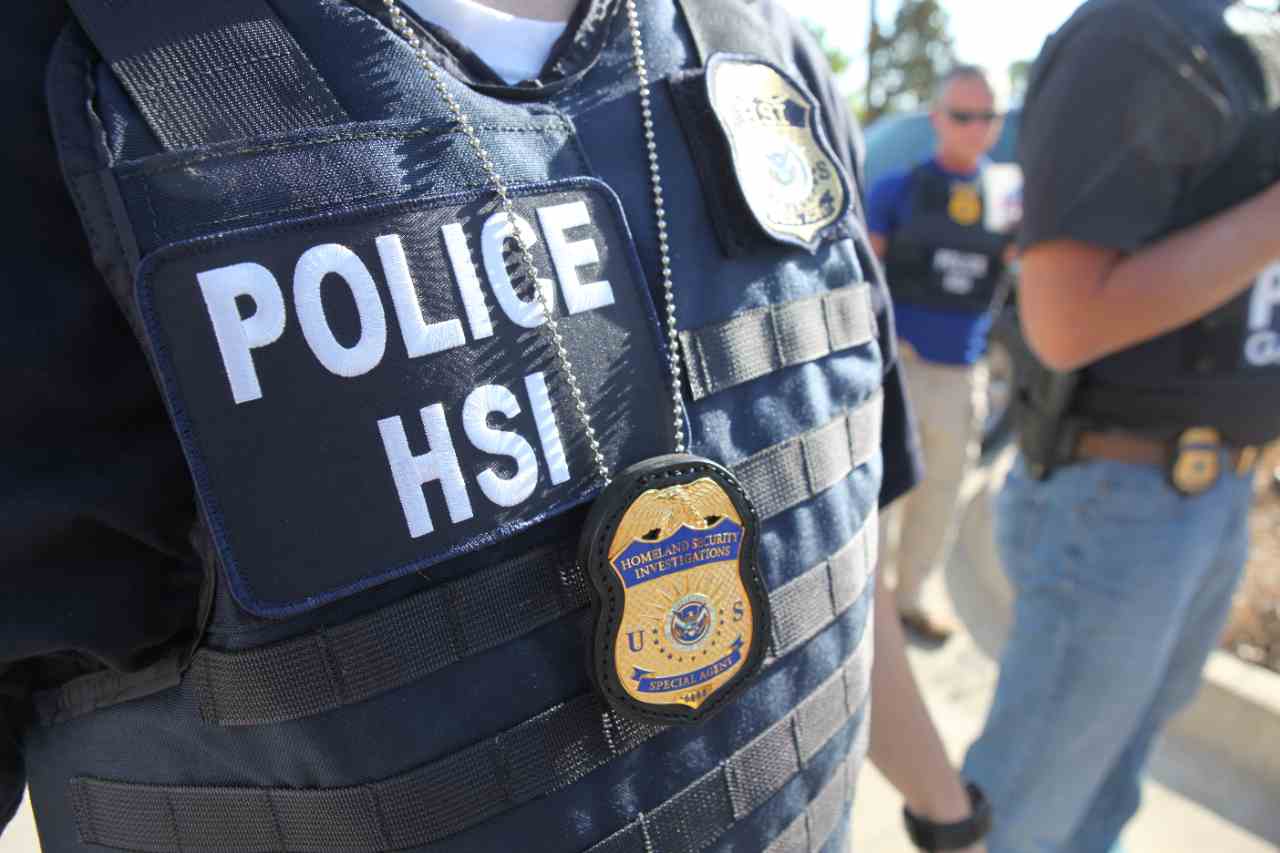
(CHICAGO) — Federal immigration agents continued targeted enforcement around Chicago this week, but the large-scale deportation blitz that residents had braced for as a spring surge did not materialize in broad neighborhood sweeps, according to official statements and local immigrant-rights alerts.
Warnings circulating earlier this year left many Chicago-area communities preparing for what people described as a citywide crackdown, with families and community groups planning around the possibility of widespread stops and arrests. So far this week, that has not played out at the scale residents expected.
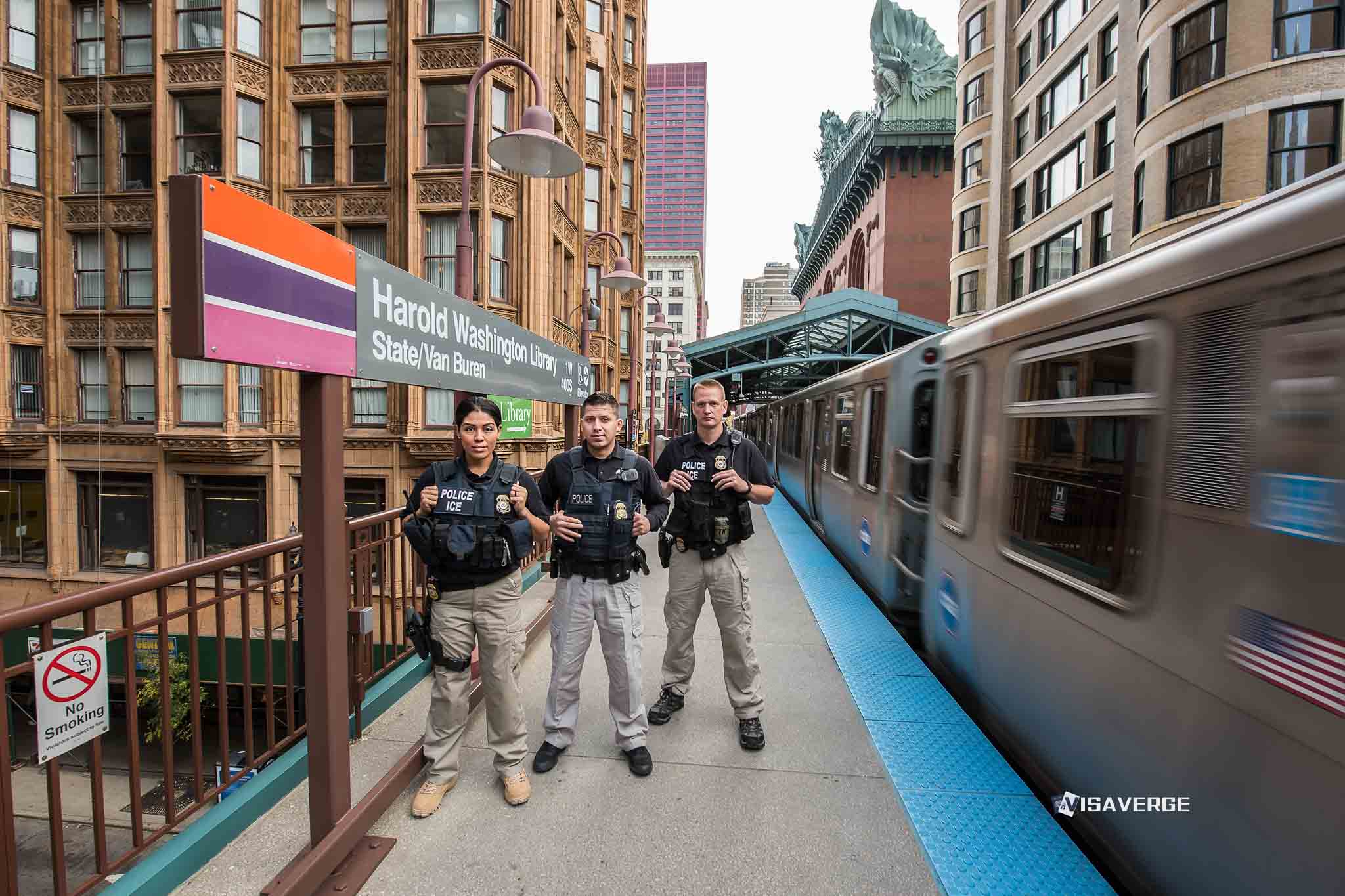
Instead, the activity that has surfaced publicly has looked narrower and more location-specific, a distinction that has shaped both the level of immediate risk people perceive and how local officials and advocates have tried to prepare neighborhoods without treating every block as an active enforcement zone.
Operation Midway Blitz, a Department of Homeland Security-backed campaign that drew attention in recent weeks, has faced legal and operational setbacks that constrained what agents could do on the ground in Chicago, based on court action described in the records cited by immigrant-rights groups and officials.
A February 27, 2026, ruling by U.S. District Judge Jeffrey Cummings ordered the release of dozens of immigrants in Chicago and found their arrests during Operation Midway Blitz violated a standing consent decree because they were made without warrants or probable cause. The ruling, as described in the available accounts, pushed enforcement away from broad sweeps and toward individualized grounds for arrest.
Early March also brought abrupt leadership disruption at the Department of Homeland Security, and the changeover has coincided with shifts in public messaging and the possibility of short-term coordination gaps, as the agency turns over top leadership and field directives.
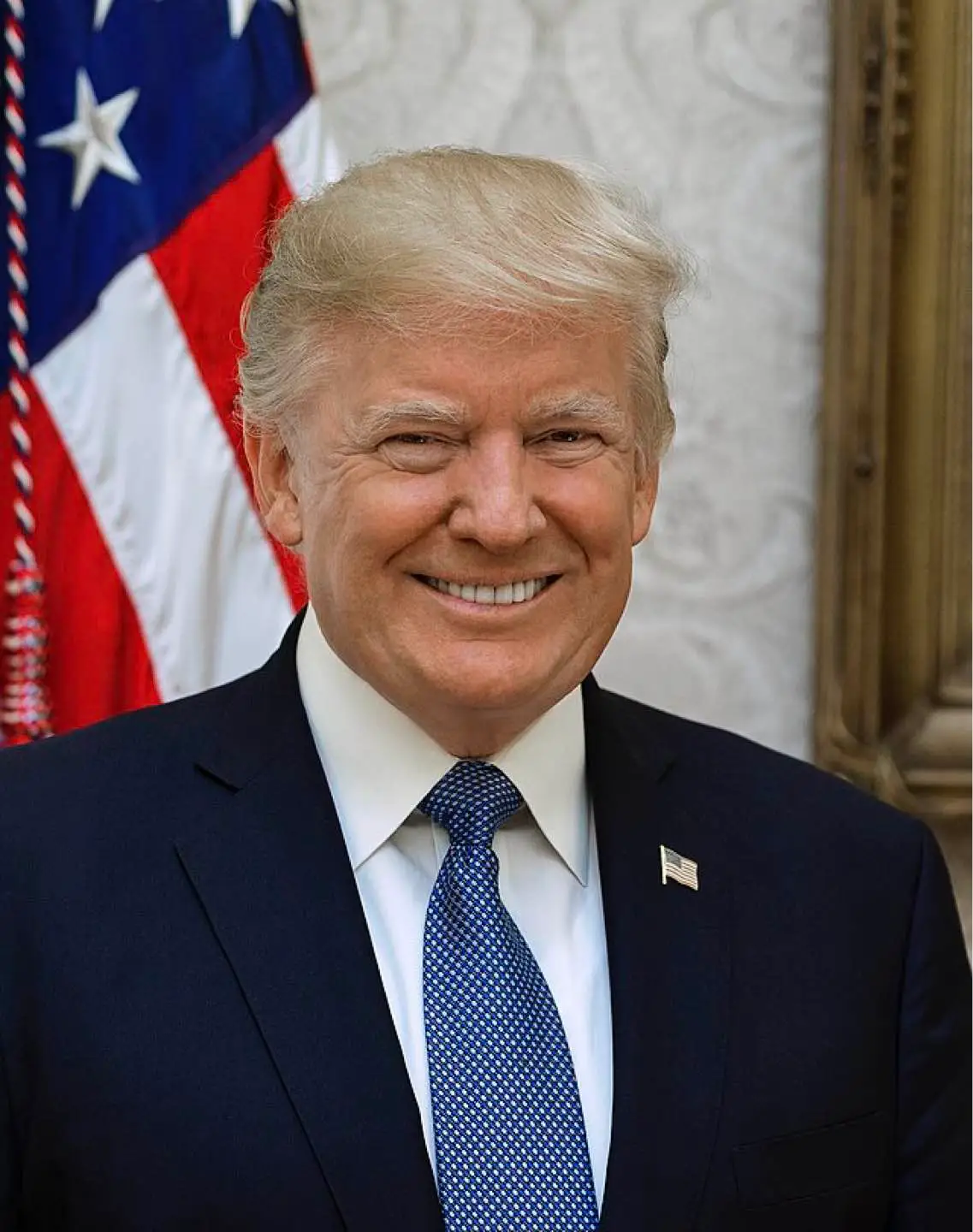
On March 5, 2026, President Trump announced the removal of DHS Secretary Kristi Noem and said she would transition to a new role as “Special Envoy for The Shield of the Americas.” Trump named Senator Markwayne Mullin as her replacement, with an expected start date of March 31, 2026.
In a social media statement, Mullin said he would “work tirelessly to Keep our Border Secure, Stop Migrant Crime, Murderers, and other Criminals from illegally entering our Country. and MAKE AMERICA SAFE AGAIN.”
Alongside the leadership transition, DHS also took a sharper public stance against efforts by Illinois officials to monitor federal enforcement conduct. A DHS spokesperson dismissed Illinois Governor JB Pritzker’s newly formed “Illinois Accountability Commission” as illegal.
“What Governor Pritzker is trying to do is unlawful, and he knows it. ICE has new funding to expand detention space to keep these criminals off American streets before they are removed for good,” the spokesperson said.
USCIS messaging on detention has also emphasized a posture of strict compliance and enforcement, including in cases involving legal refugees. “The administration is implementing law as written by Congress. The alternative would be to allow fugitive aliens to run rampant through our country with zero oversight. We refuse to let that happen,” a USCIS spokesperson said in a February 19, 2026, statement.
National detention figures and arrest trends have fed the Chicago debate even as the most visible local change this week has been the absence of broad neighborhood-wide sweeps. The national snapshot has become a reference point for why residents expected a surge and why community groups sought to prepare people quickly as spring approached.
Those numbers have also intensified public argument over how enforcement prioritizes people with criminal convictions versus those without them, a theme that has surfaced repeatedly in public statements and local organizing as Chicago tries to anticipate what federal action might look like on any given day.
What has been corroborated locally in the Chicago area in recent days has been targeted activity rather than a citywide “blitz.” Verified alerts from the Illinois Coalition for Immigrant and Refugee Rights, as reported by The Daily Northwestern, confirmed targeted ICE activity in suburban Evanston and Park Ridge on March 9, 2026, involving agents in unmarked black vehicles.
That kind of reporting has kept anxiety elevated without providing evidence of the kind of block-by-block sweeps that many residents feared would accompany the spring surge narrative. Community groups have focused their public guidance on preparedness and verification rather than real-time tracking of enforcement teams.
Chicago officials have also continued emphasizing planning for worst-case scenarios even as this week’s most visible enforcement has appeared limited to specific locations. Mayor Brandon Johnson’s “Family Preparedness Campaign” has continued assisting residents with gathering documents and designating guardians for children in case of sudden detention.
Legal developments have had immediate effects for some families, even as fear persists among many others. Following a March 2 judicial order, dozens of families in Chicago have seen loved ones released from ICE custody, though many remain subject to electronic monitoring, also known as ATD.
The tension between what residents expected and what has occurred has been shaped by three forces cited in local and official accounts: leadership transition at DHS, judicial oversight in Illinois federal courts, and local policy resistance that affects how federal agents can operate and what cooperation they can obtain.
Leadership turnover can slow decision-making and disrupt continuity in field operations, particularly when top deputies and spokespeople also depart. Even when enforcement priorities remain publicly consistent, transitions can complicate the timing of directives and the coordination needed for large multi-day operations.
Court oversight has also narrowed the operational space for broad sweeps in Chicago, based on the practical effect described after Judge Cummings’ ruling. By requiring individualized assessments tied to warrants or probable cause under the consent decree, the court action limited the kind of dragnet-style arrests that residents feared and compelled releases for some detainees.
Local resistance has taken the form of stronger “sanctuary” protections and limits on the kinds of arrests and data-sharing that can occur through state institutions. Pritzker signed HB1312, which took effect in late 2025/early 2026 and prohibits civil immigration arrests near state courthouses while limiting data sharing between state hospitals and federal agents.
Even without a broad sweep this week, community impact has been visible in reported changes to daily behavior and commerce. Local businesses in immigrant-heavy neighborhoods like Brighton Park have reported a significant decrease in foot traffic as residents avoid public spaces for fear of “street arrests.”
Families have also taken practical steps that reflect the perceived risk of sudden detention, with residents gathering documents and making childcare plans. The continued attention to guardianship and paperwork has persisted even during periods when enforcement appears narrower, because uncertainty about timing and location has remained high.
For those released after court orders, electronic monitoring has added a different kind of constraint. Families have described relief at reunification alongside the reality that ATD requirements can still shape daily life and keep people tethered to ongoing immigration proceedings.
The political fight over accountability has added another layer of pressure to an already volatile environment. DHS has framed Illinois’ oversight efforts as unlawful, while state and city leaders have emphasized protecting residents and restricting the circumstances under which local institutions can assist federal immigration enforcement.
Federal messaging, for its part, has continued to emphasize a focus on public safety and removal, with senior figures using language that highlights crime and security. The agency’s public posture has also sought to rebut criticism of detention practices by describing them as the application of laws “as written by Congress,” as the USCIS spokesperson put it.
Much of what residents have used to assess day-to-day conditions has come from a blend of official statements, court actions, and alerts from local organizations attempting to verify enforcement sightings. In Chicago this week, that combination has produced a picture that looks more targeted than the spring surge narrative implied, while still leaving many families preparing for the possibility that enforcement could intensify quickly.
DHS leadership and enforcement messaging has been disseminated through venues such as the agency’s DHS Newsroom & Press Releases, while detention and custody figures have been published through ICE Statistics & Detention Data. Statements from lawmakers, including on oversight and political pressure around enforcement, have also circulated through official channels such as Rep. Raja Krishnamoorthi Statements.
Mullin, Trump’s pick to lead DHS beginning March 31, 2026, cast the mission in stark terms, pledging to “work tirelessly to Keep our Border Secure, Stop Migrant Crime, Murderers, and other Criminals from illegally entering our Country. and MAKE AMERICA SAFE AGAIN.”