- The Trump administration restarted the Global Entry program on March 11, 2026, after a brief suspension.
- The program’s reactivation aims to alleviate traveler disruptions caused by a partial DHS shutdown.
- Travelers regain access to expedited customs kiosks and TSA PreCheck benefits at over 40 U.S. airports.
(UNITED STATES) — The Trump administration restarted the Global Entry program on March 11, 2026, restoring access to expedited U.S. customs and immigration processing for pre-approved travelers after a suspension tied to a partial Department of Homeland Security shutdown.
The administration announced the restoration at 5:00 AM ET, ending a pause that began on February 22, 2026. DHS’s partial shutdown started February 14, 2026.

“As DHS continually evaluates measures it can take amidst the Democrats’ continued shutdown of the department, DHS will be reactivating Global Entry on March 11th at 5:00 AM ET. We are working hard to alleviate the disruptions to travelers caused by the Democrats’ shutdown,” a DHS spokesperson said.
U.S. Customs and Border Protection operates Global Entry within the Department of Homeland Security, and the program’s restart reopens a channel many travelers use to move faster through arrivals at airports and other ports of entry.
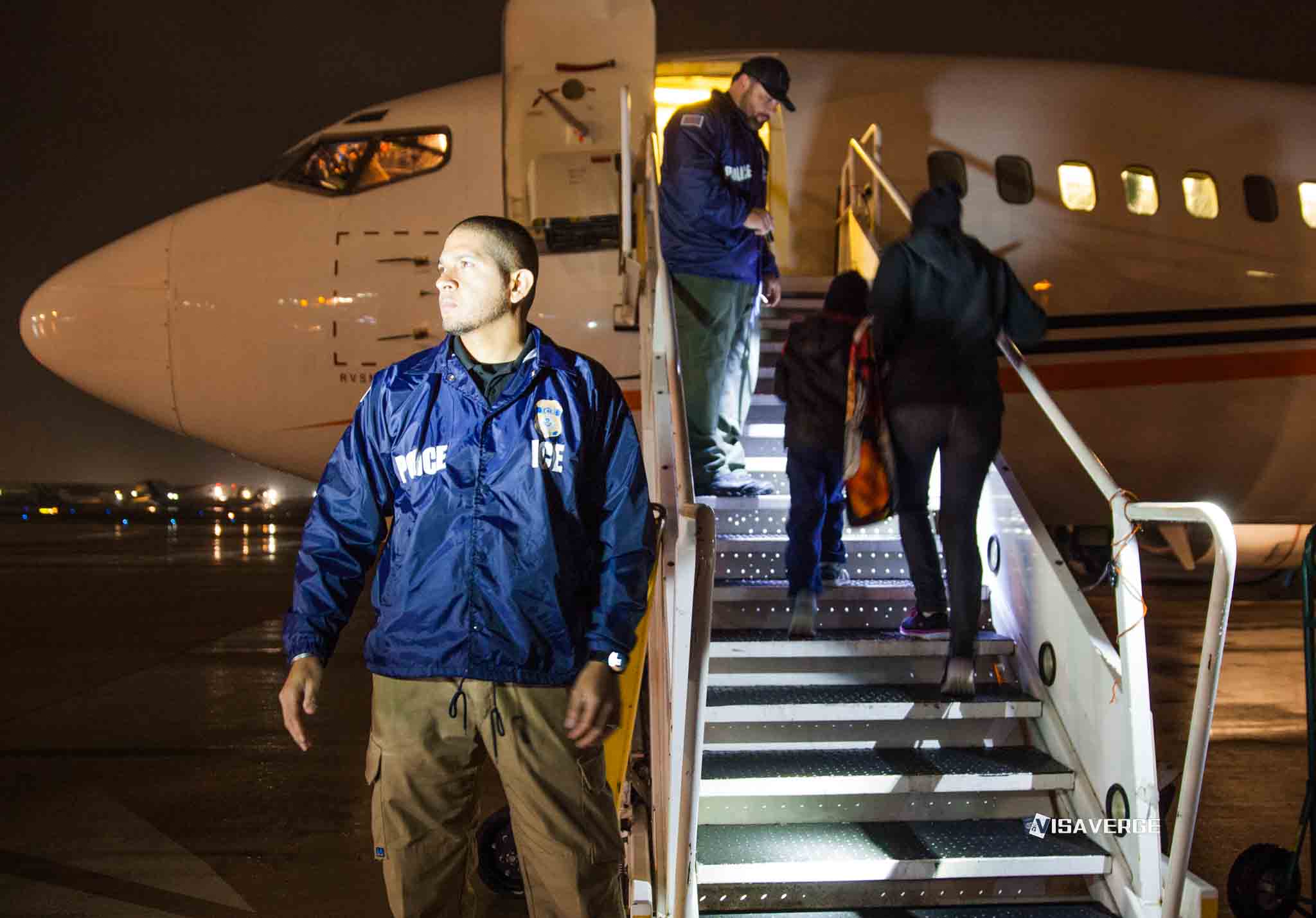
CBP halted Global Entry to reassign personnel to general traveler processing at airports and ports of entry, following direction from then-Homeland Security Secretary Kristi Noem.
Global Entry is designed to speed entry to the United States for pre-approved, low-risk travelers by routing them through automated kiosks rather than standard passport control lines.
Instead of waiting for an officer in a regular inspection queue, eligible members use kiosk-based processing that allows them to bypass those lines, changing how quickly many frequent international travelers clear arrivals during peak periods.
The program also ties into domestic travel for eligible members through TSA PreCheck access, a factor that can shape travel plans well beyond the arrival hall when travelers expect to fly frequently.
Applicants include U.S. citizens and lawful permanent residents, and the program also allows additional nationalities to qualify through partner arrangements. The announcement did not lay out those partner arrangements.
For eligible U.S. citizens and lawful permanent residents, Global Entry requires payment of a $120 fee that remains valid for five years, along with screening steps that include background checks, an interview, fingerprinting, and photos.
The application process runs through an online submission followed by fee payment. After background checks, applicants may receive conditional approval and then schedule an in-person interview when required.
Biometrics collection, including fingerprints and a photo, is part of finalizing membership and supports identity verification as CBP determines whether an applicant qualifies as low-risk for expedited processing.
The restart carries operational weight because Global Entry runs at scale, and its suspension can shift large numbers of travelers back into standard lines that depend heavily on officer time at busy ports of entry.
Global Entry has over 13 million members, and 18 million travelers used it in 2025 at 79 ports of entry, saving over 300,000 officer hours.
Those volumes mean that when kiosks go dark, airports and ports of entry can lose a significant tool for managing passenger flow, pushing more arrivals into traditional inspection lanes and changing how CBP allocates staffing.
Travel industry criticism quickly followed the February suspension, with the U.S. Travel Association describing the decision as a security risk that swelled lines and diverted attention from higher-risk travelers, and stressing that the program is funded by user fees.
Senator Jacky Rosen (D-NV) urged Noem to reopen Global Entry on February 27, 2026, questioning the legal basis for suspending a user-fee-funded program rather than one dependent on congressional appropriations, and accusing political motivations.
Senator Mark Warner (D-VA) called the suspension a “political stunt” on February 24, 2026.
The administration also reversed a prior plan to suspend TSA PreCheck, a shift that came quickly after it surfaced.
As Global Entry resumes on March 11, 2026, kiosks return to service at over 40 U.S. airports, along with some international locations, restoring a familiar arrival routine for members who had been diverted into standard processing during the pause.
In practice, Global Entry members arriving from international travel use the kiosks by scanning passports or resident cards, allowing automated processing that differs from the standard line-and-booth model travelers encounter in primary inspection.
That distinction can matter most during heavy travel periods, when even small increases in per-traveler processing time can cascade into longer waits that stretch across arrivals halls and affect connecting flights, ground transportation, and staffing needs.
During the shutdown, travelers who would typically use Global Entry faced standard inspection lines that reached hours, while some eligible travelers relied on the Mobile Passport Control app as an alternative option.
Mobile Passport Control offers a way for eligible travelers to use an app-based process as part of their arrival, though it does not replicate Global Entry membership and does not carry the same pre-approved traveler model described for the kiosk program.
The same shutdown conditions that drove the Global Entry pause also continued to strain parts of the travel system in other ways, with TSA checkpoints facing ongoing strains from unpaid staff.
With the restart now in place, travelers who already hold membership regain access to the expedited arrival lanes and kiosk processing, while people who delayed applying during the suspension may return to the system at the same time.
That combination can create pent-up demand not just for membership but for the steps that follow conditional approval, particularly interview appointments that depend on staffing and scheduling capacity at airports and other enrollment locations.
CBP’s reopening of Global Entry also means applicants can again move through the standard sequence: complete an online application, pay the fee, and attend an interview if required, with background checks and biometrics as part of the screening process.
The administration framed the reactivation as an effort to reduce disruptions during the shutdown. “We are working hard to alleviate the disruptions to travelers caused by the Democrats’ shutdown,” the DHS spokesperson said.