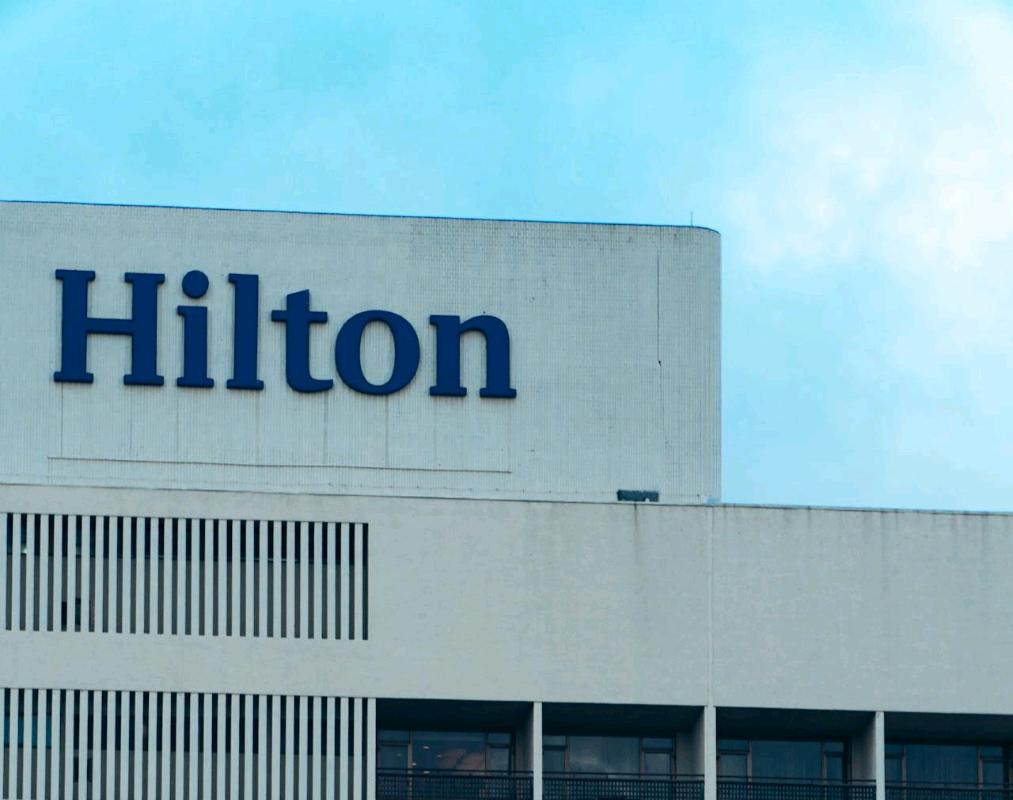
(MINNEAPOLIS, MINNESOTA) — The U.S. Department of Homeland Security (DHS) publicly accused a Hampton Inn by Hilton property in the Minneapolis area of canceling hotel reservations linked to federal immigration enforcement officers, escalating a dispute that sits at the intersection of immigration enforcement, public accommodations rules, and government contracting practices.
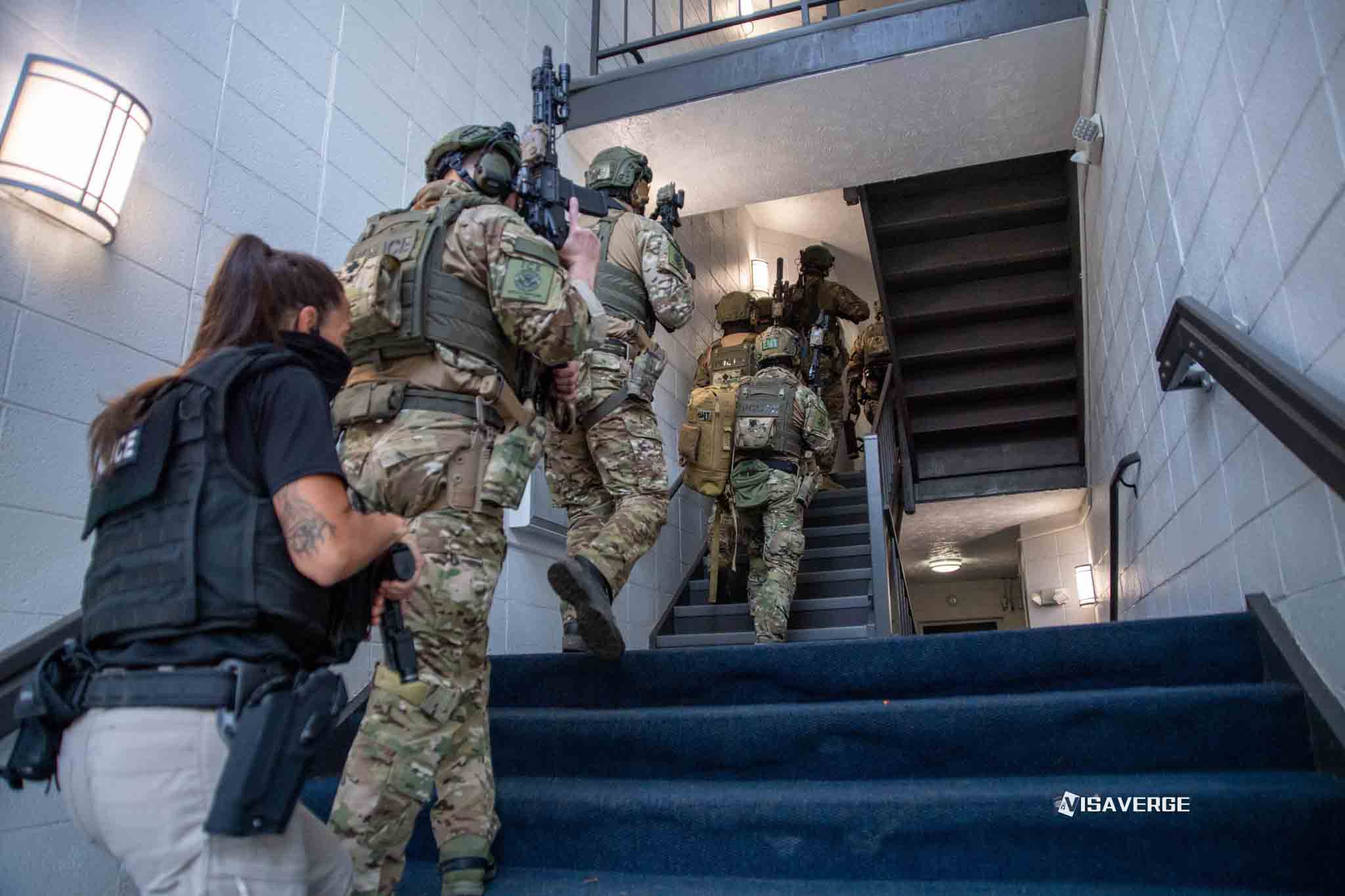
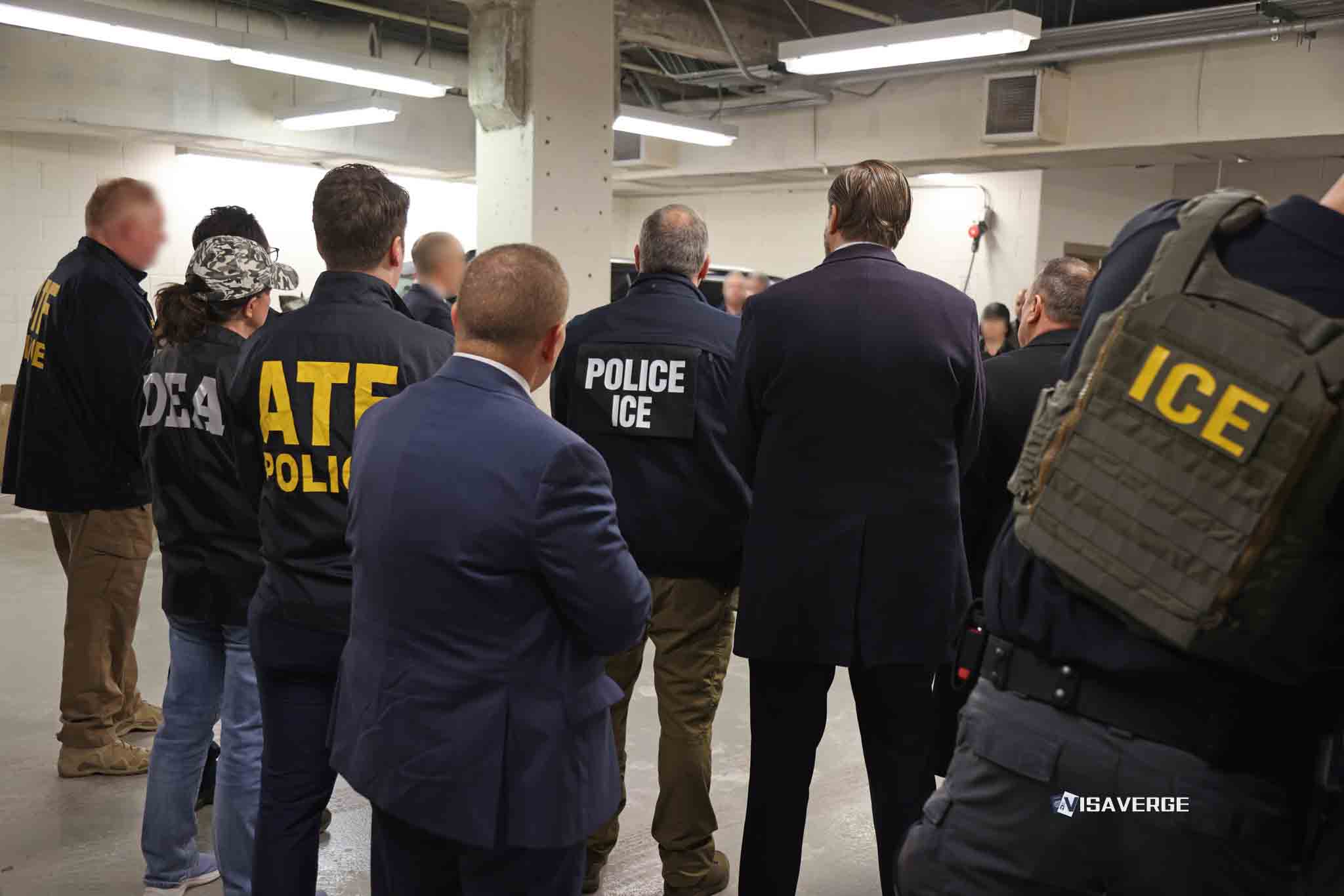
DHS officials said officers attempted to reserve rooms using official government email addresses and federal per diem rates, then received messages indicating the hotel would not host “ICE or immigration agents.” DHS Assistant Secretary Tricia McLaughlin described the cancellations as “maliciously CANCELLED,” and DHS asserted on social media that the incident reflected a broader “coordinated campaign” in Minneapolis to refuse service to DHS law enforcement.
As of Monday, January 5, 2026, Hilton had not issued a public statement clarifying whether the reported refusal stemmed from corporate policy, franchise-level discretion, or a booking-process misunderstanding. That distinction matters legally: many Hampton Inn locations are franchised, and legal responsibility can turn on who set and enforced the policy.
Overview of the issue
- DHS alleges bookings by government employees using official email addresses and per diem rates were cancelled after the hotel identified the bookings as connected to immigration enforcement.
- Messages presented by DHS purportedly stated the hotel would not allow “ICE or immigration agents” to stay.
- The dispute raises legal questions under public accommodations laws, government contracting terms, and possible obstruction or interference theories.
Why this matters legally: public accommodations, contracting, and retaliation claims
Federal public accommodations law under Title II of the Civil Rights Act of 1964 generally prohibits discrimination by hotels based on race, color, religion, or national origin. It does not expressly list occupation, political viewpoint, or affiliation with law enforcement.
- A refusal based solely on “DHS” or “immigration work” may not fit neatly into Title II’s protected categories.
- However, facts could shift the analysis:
- A policy that disproportionately impacts guests of a particular national origin, or that uses “immigration” as a proxy for national origin, can raise different legal issues.
- State and local laws (e.g., Minnesota’s Human Rights Act) can be broader than federal law and may provide additional protections.
Separately, the federal government can respond through contracting tools rather than civil rights law:
- If the property participates in government-rate programs or receives federal business through travel management systems, agencies may review eligibility for those arrangements.
- Reviews typically turn on contract terms, procurement rules, and performance standards rather than civil rights statutes.
DHS also framed the incident as interference with enforcement. Immigration enforcement authority is grounded in the Immigration and Nationality Act (INA), including arrest and detention authority in INA § 287 and removal procedures in INA § 240. But:
- A hotel’s refusal to rent a room is not the same as obstructing an officer in the field.
- Any criminal “obstruction” theory would typically require more than a denial of lodging and would be highly fact-specific.
What DHS reported
DHS described messages—presented as screenshots—purporting to be from hotel staff. The reported communications:
- Stated the hotel had noticed “an influx of GOV reservations” connected to DHS and that it would not allow “ICE or immigration agents” to stay.
- Referenced canceling after discovering “information about immigration work connected with your name.”
DHS linked the issue to heightened federal activity in Minnesota. News reporting described an expanded deployment of ICE officers and Homeland Security Investigations personnel connected to a state fraud scandal.
Operational context that may be relevant:
- Increased enforcement activity can generate more government bookings and may raise staff safety concerns, local political reactions, or fears of protests.
- None of those considerations automatically creates a legal defense, but they can shape how a dispute unfolds.
Potential civil exposure and defenses
Possible legal positions and defenses include:
- Hotel’s argument: discretion to decline service so long as the refusal does not discriminate in a prohibited way.
- Common lawful reasons hotels deny stays: security risks, disruptive conduct, or operational reasons.
- Increased legal risk if a hotel applies a categorical ban based on governmental affiliation while serving similarly situated guests.
Evidence and practical points:
- If the policy was communicated in writing, that documentation can become central evidence in administrative complaints or civil suits.
- Companies face reputational and business risks, which can prompt internal investigations even if legal liability is uncertain.
- No court filings have been reported; DHS has not publicly identified the property beyond “Hampton Inn by Hilton” in the Minneapolis area.
If you receive a cancellation message referencing “DHS,” “ICE,” or “immigration work,” save the full email headers, booking confirmations, and receipts. Documentation often controls later disputes.
Immigration enforcement backdrop: what this does—and does not—change
For immigrants and their families, the hotel dispute occurs amid aggressive enforcement messaging, but it does not change immigration law standards or procedures.
- Removal proceedings continue to follow EOIR’s court system under INA § 240, with appeals to the Board of Immigration Appeals (BIA) and then to the federal circuit courts.
- Relief options remain the same:
- Asylum: governed by INA § 208 and implementing regulations at 8 C.F.R. § 1208.
- Withholding of removal: under INA § 241(b)(3).
- Convention Against Torture protections: 8 C.F.R. §§ 1208.16–1208.18.
- Eligibility depends on evidence and timing, including the one-year asylum filing rule with limited exceptions.
If you have any contact with ICE or receive an NTA (Notice to Appear), try to consult counsel immediately. Deadlines can move quickly once EOIR proceedings start.
What could happen next
Potential developments include:
- Hilton response
– Deny the allegations.
– Attribute the incident to a local franchise decision.
– Announce corrective measures or policy clarifications.
- DHS actions
– Seek explanations from the property.
– Modify travel guidance for personnel.
– Refer the matter for civil rights review if evidence suggests prohibited discrimination.
- Other routes
– Private litigation is possible (none reported yet).
– Contract or procurement reviews if the hotel participates in federal programs.
Jurisdictional nuance:
- Because the property is in the Minneapolis area, Minnesota public accommodations law could affect outcomes.
- Federal circuit case law varies on related civil rights theories, making venue and jurisdiction important.
Travelers affected by a cancellation should contact the booking channel and request a written reason immediately. Some dispute windows and chargeback timelines are short.
Practical guidance for affected readers
- DHS employees and contractors
- Use official travel channels.
- Request written cancellation reasons.
- Report incidents through agency procurement or ethics channels.
- Avoid escalating confrontations on-site.
-
Immigrant community members
- This dispute does not change your rights in immigration court.
-
If enforcement activity increases locally, review your safety plan and keep key documents accessible.
-
Hotels and employers
- Review written policies with counsel.
- Provide staff training and adopt consistent criteria to reduce risk of claims under federal, state, or local laws.
For official updates:
- EOIR information: EOIR information
- USCIS benefit processes: USCIS benefit processes
⚖️ Legal Disclaimer: This article provides general information about immigration law and is not legal advice. Consult a qualified immigration attorney for advice about your specific situation.
Resources:
– AILA Lawyer Referral
– Immigration Advocates Network
DHS officials claim a Minneapolis-area Hampton Inn intentionally canceled bookings for agents using government emails and rates. The hotel purportedly sent messages refusing service to those involved in ‘immigration work.’ While Title II of the Civil Rights Act doesn’t explicitly protect job types, state laws or contract terms may apply. Hilton has yet to issue a formal stance on whether this reflects local or corporate policy.