(FLORIDA, UNITED STATES) International professors at public universities across Florida are spending this year’s Thanksgiving and winter breaks watching flight prices instead of booking tickets, as new visa uncertainty under Governor Ron DeSantis keeps many of them from leaving the state. The worry centers on H-1B visas, the main work visa for foreign faculty, after an abrupt state push to review and limit their use at Florida’s public universities.
Governor’s directive and immediate effects
On October 29, 2025, DeSantis ordered the Florida Board of Governors, which oversees the state university system, to examine and restrict H-1B hiring at campuses. He argued the state should put stronger focus on “qualified domestic candidates” and move to, in his words, pull the plug on what he described as H‑1B abuse in public higher education.
No formal policy has followed yet, but the signal has already changed daily life for many professors. The Board of Governors has not announced any new regulations, hiring caps, or timelines. University leaders say they are “monitoring the situation” and waiting for guidance. Still, in the world of work visas—where travel, job changes, and family plans all depend on stable status—even a vague political message can have sharp effects.
The University of South Florida: a focal point
The University of South Florida (USF), a major research school and one of the state’s largest employers of foreign academics, has become a focal point of this anxiety. In the 2025 fiscal year, USF employed 72 faculty members on H-1B visas, the third‑highest total in Florida after the University of Florida and the University of Miami.
Many of those professors say, in private campus conversations, that they feel less sure about their future in the state than at any point in recent years.
Quick facts table
| Item | Detail |
|---|---|
| Directive date | October 29, 2025 |
| USF H-1B faculty (FY 2025) | 72 |
| USF rank in state for H-1B hires | 3rd (after Univ. of Florida and Univ. of Miami) |
| State job count (Aug 2025) | Over 10 million jobs |
How the directive affects travel and family plans
Several faculty members, according to internal accounts shared with staff groups, have already chosen to cancel or postpone trips abroad for the holidays. Some had hoped to see relatives for the first time since the pandemic, while others planned to attend conferences or research meetings overseas. They now worry that a sudden shift in state policy, or a change in their employment terms while they are away, could complicate future extensions of their H‑1B visas or even threaten their positions.
The timing adds another layer of strain. Florida’s public universities follow standard academic calendars, with Thanksgiving break in late November and winter break in December. These holidays are usually a rare chance for international faculty to reconnect with families abroad. This year, some professors at USF and other campuses say they feel pushed into an impossible choice: risk travel at a time of policy flux, or stay put and miss precious time with loved ones.
“Holiday time that might have been filled with international flights, family meals, and conference halls will instead be spent close to campus,” many faculty members say.
Federal framework vs. state policy pressures
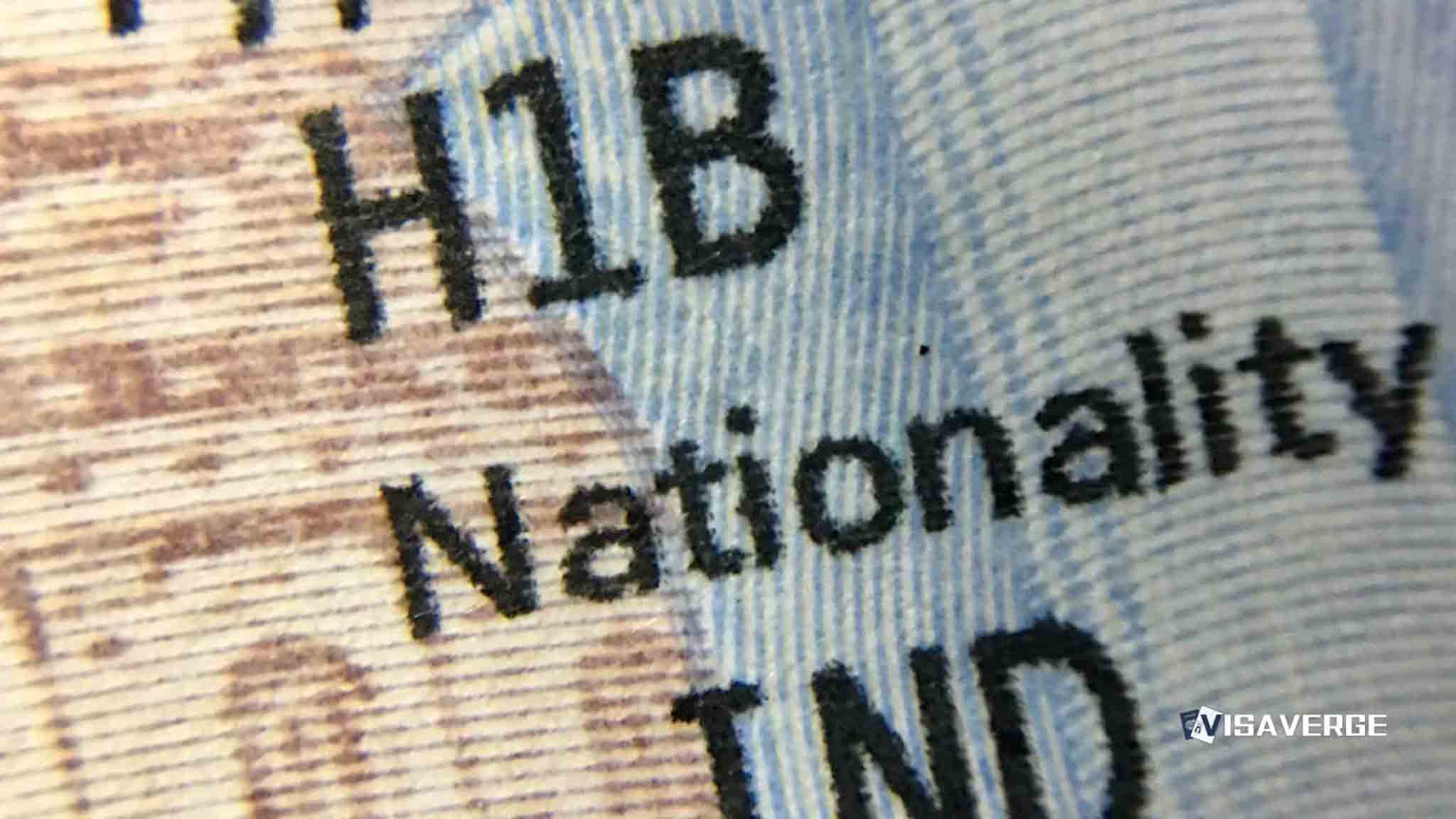
Under federal law, H-1B status is granted by U.S. Citizenship and Immigration Services (USCIS) for “specialty occupations” that normally require at least a bachelor’s degree. Universities rely on this category to hire foreign professors, researchers, and instructors in fields where global talent is important.
- Official USCIS information on the H‑1B specialty occupations program is available here: https://www.uscis.gov/working-in-the-united-states/temporary-workers/h-1b-specialty-occupations-and-fashion-models
- Employers must file petitions to keep workers in H-1B status, usually on Form I-129, listed here: https://www.uscis.gov/i-129
That federal framework has not changed. What has shifted is the political climate in Florida ?? around the use of H‑1B visas at public institutions. DeSantis has framed the issue as part of a broader push to protect jobs for U.S. citizens at a time when the state counted over 10 million jobs as of August 2025.
Concerns from universities and immigration advisers
Higher education leaders warn that narrower state rules on foreign hiring could weaken Florida’s position in global research and teaching. University officials point out that many advanced programs in engineering, computer science, health, and data‑driven fields depend on international faculty.
According to analysis by VisaVerge.com, Florida’s public universities have used H‑1B visas mainly for hard‑to‑fill roles that require years of training and experience, not for entry‑level positions.
University responses include:
- Deans and department chairs at USF have tried to reassure staff that nothing will change overnight.
- Internal notes emphasize no professor’s current H‑1B status has been withdrawn so far.
- Officials say any new rules would likely include some form of transition period.
Despite reassurances, fears remain among faculty whose visas are due for extension or whose spouses and children depend on linked status to stay in the ??.
Legal perspective and practical impacts
Immigration lawyers say:
- The governor cannot change federal visa rules, but he can push public universities to alter hiring practices.
- Potential university actions include stopping new H‑1B sponsorships or declining to extend contracts for visa‑holding faculty.
- Such shifts would not change USCIS regulations but would significantly affect daily life and career prospects for foreign academics.
Some advisers now warn clients at Florida schools to prepare backup plans, including transfers to institutions in other states.
Recruitment and longer-term implications
The uncertainty also raises questions about how future candidates might view Florida offers. University recruiters report:
- Quieter interest from some foreign applicants, especially those with young families.
- A junior scientist weighing offers may prefer campuses in states with more stable policies.
For now, administrations are trying to balance compliance with the governor’s directive while pledging support to current staff. The Board of Governors has held internal discussions but has not released a timeline for its review of visa use or any draft rules. That leaves international faculty reading every new press release and public speech for hints, hoping for clarity that might let them plan beyond the next semester.
Immediate human impact
- Many professors will remain in Florida during upcoming breaks, even when passports and visas allow travel.
- Holiday plans—family reunions, conferences, research trips—are being postponed or canceled.
- For affected faculty, the debate over H‑1B visas in Florida is already producing tangible consequences long before any official rule appears on paper.
Key takeaway: Even without new written regulations, a political directive can create real, immediate uncertainty for visa‑dependent faculty—affecting travel, family life, job security, and the state’s ability to attract international talent.
Governor DeSantis directed the Florida Board of Governors to review and potentially limit H‑1B hiring, prompting uncertainty for international faculty. USF employed 72 H‑1B professors in FY2025, making it a focal point. No formal state rules have been issued, but many professors have postponed travel and conference plans due to fear about visa extensions and job security. Universities stress that federal law governs visas but acknowledge the political shift’s immediate human and recruitment impacts.