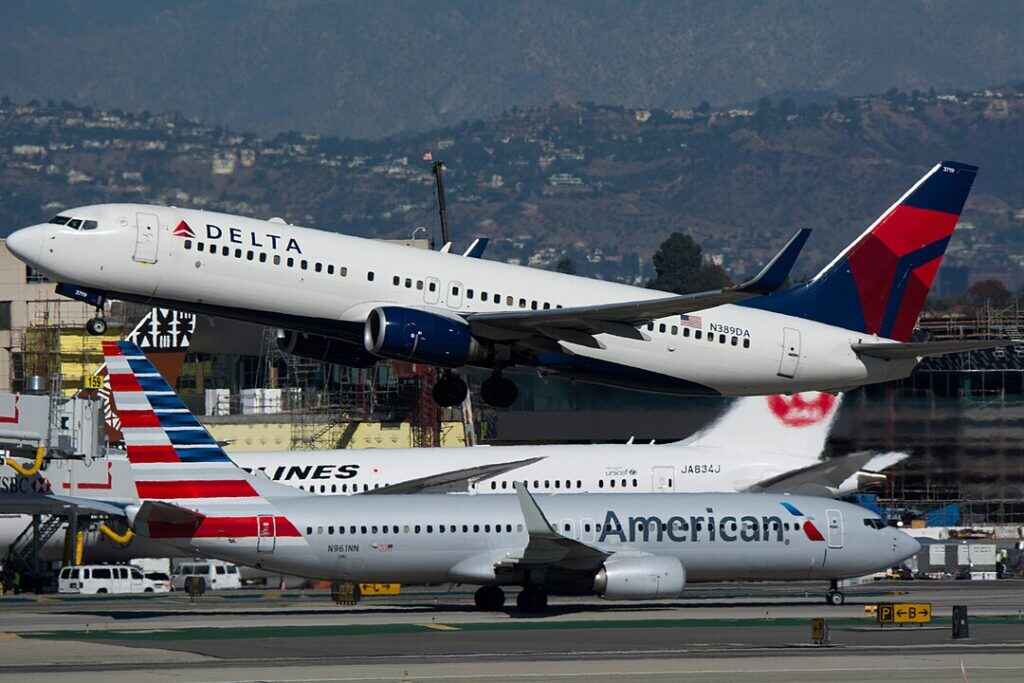
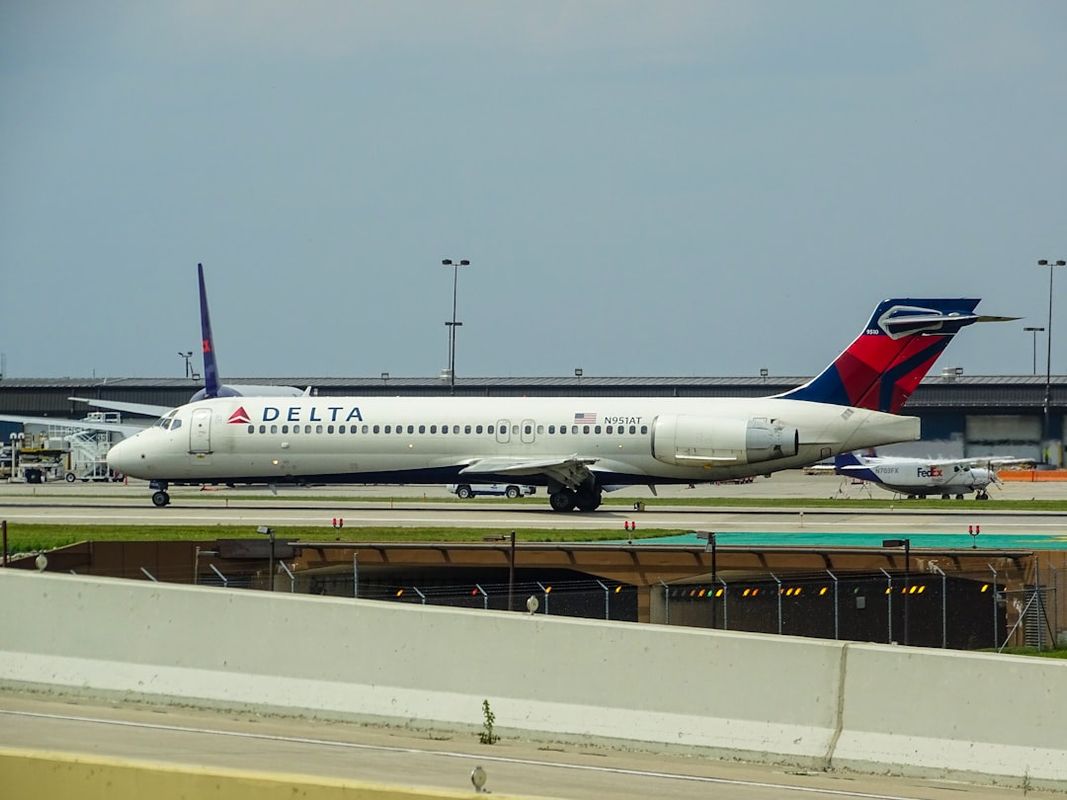
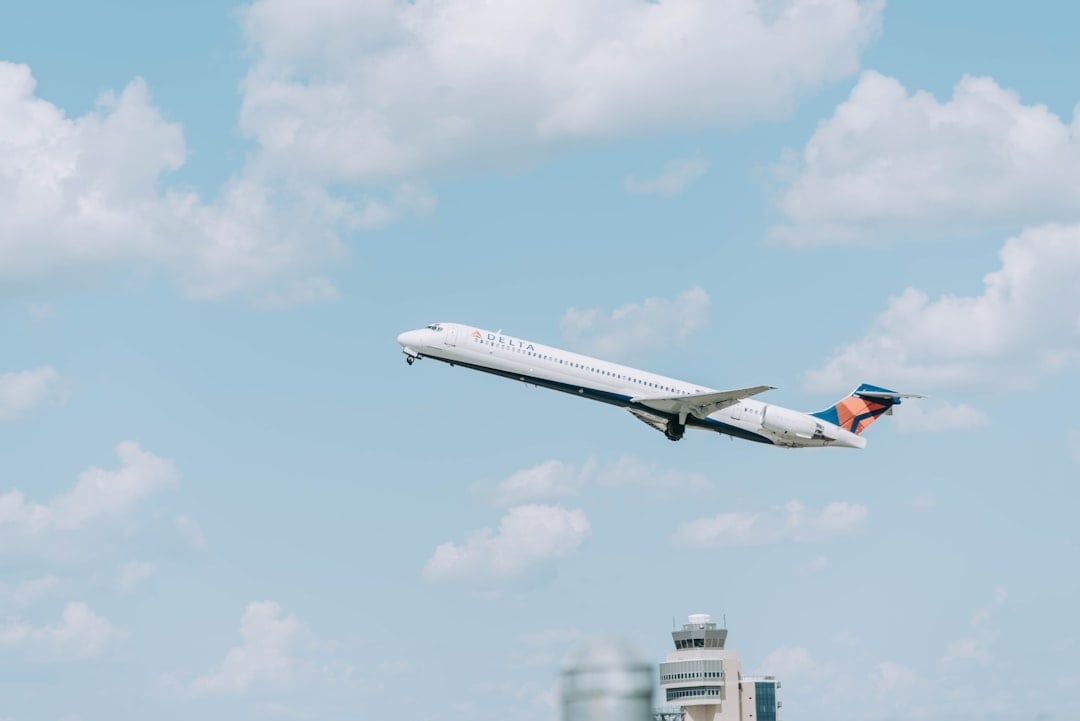
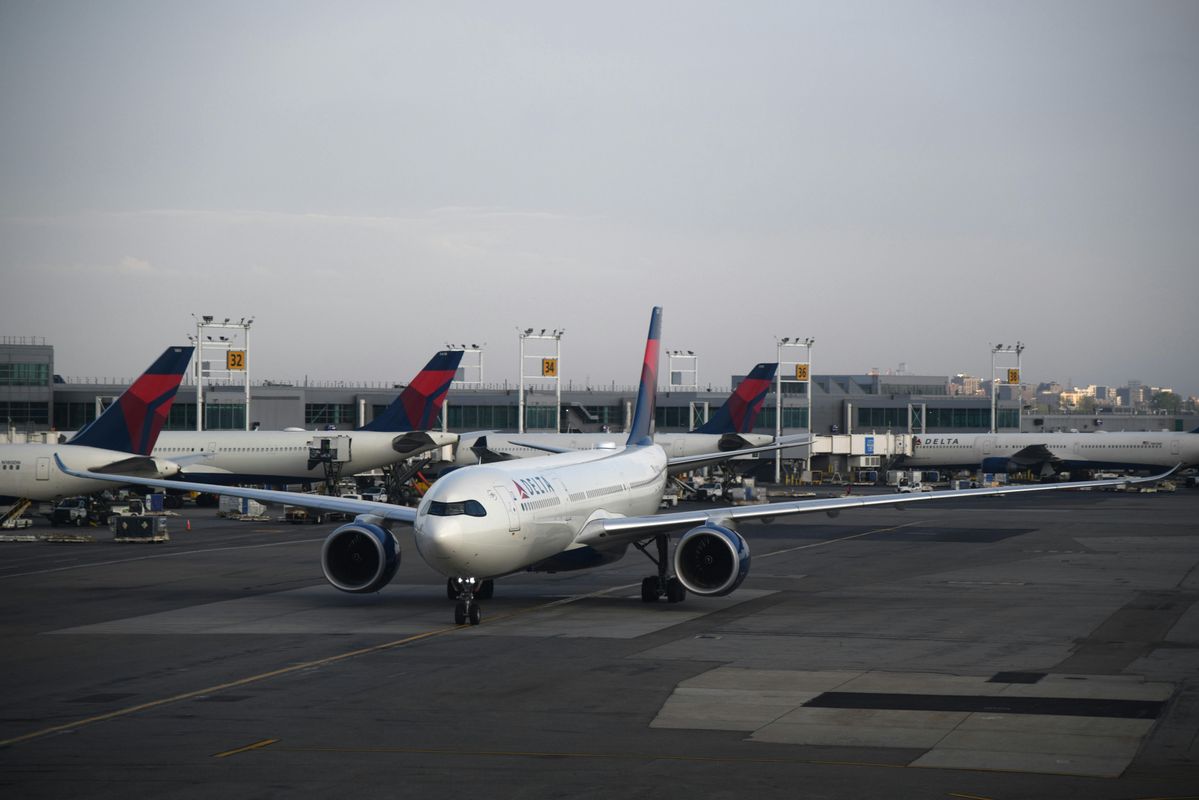
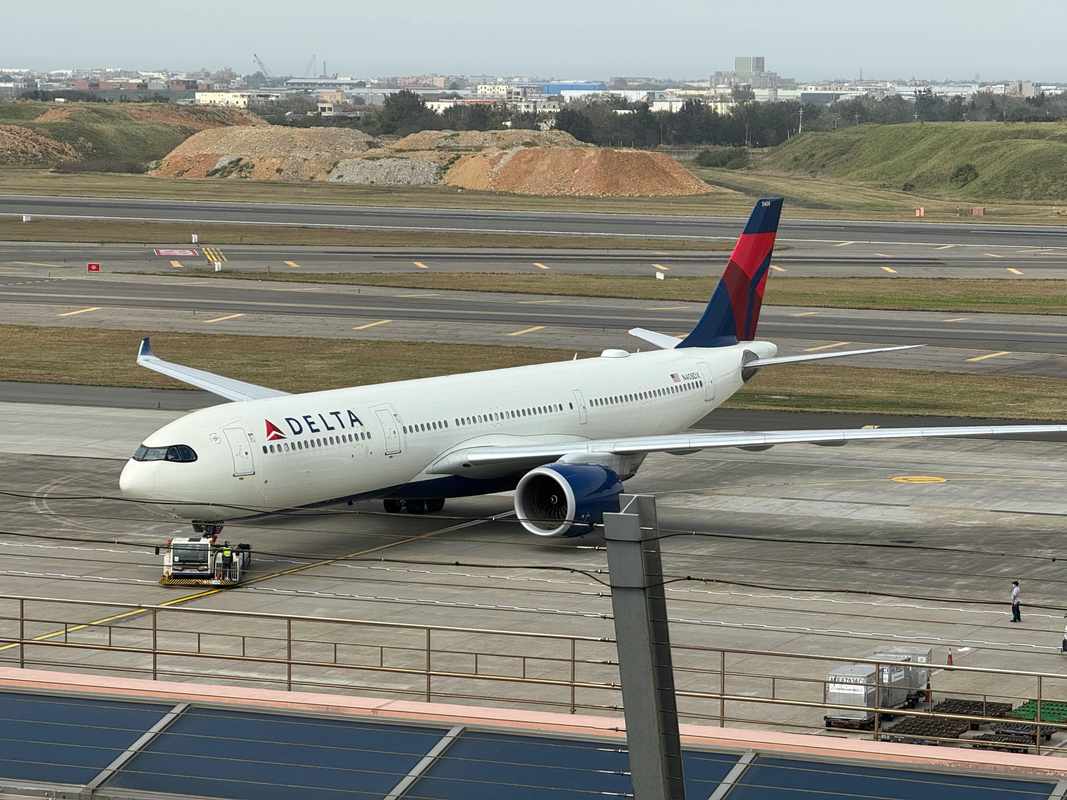
(LOS ANGELES, CALIFORNIA, USA) Delta Air Lines diverted a Boeing 767-300ER to LAX early Wednesday after the crew reported losing oil pressure in one of the aircraft’s engines during a transpacific flight carrying passengers who included international visitors, U.S. citizens returning home, and foreign nationals in various visa categories. The incident, which happened on November 19, 2025, affected Flight 357 traveling from Honolulu to Salt Lake City and ended in a safe emergency landing with no injuries reported.
What happened in the air
According to flight information from the carrier, the Delta crew declared an emergency after detecting a loss of oil pressure in the No. 2 engine while the aircraft was cruising over the Pacific. Following standard aviation procedures, they shut the engine down as a precaution and radioed air traffic controllers.
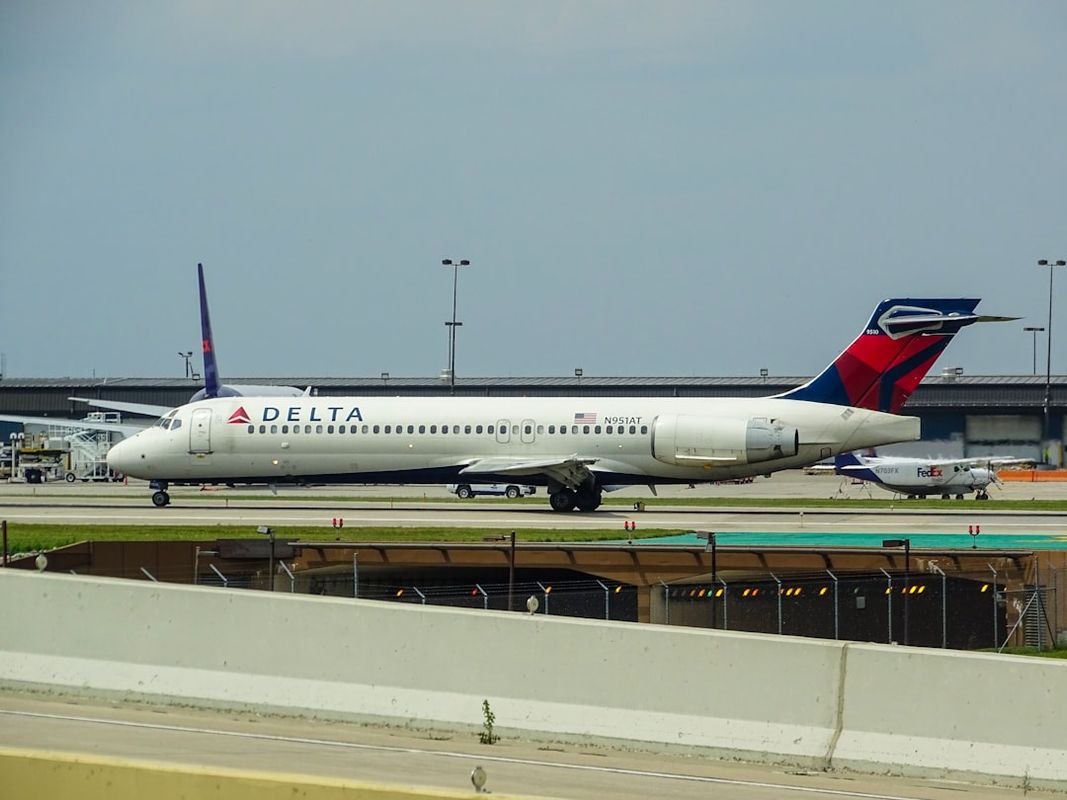
Controllers directed the widebody jet toward Los Angeles International Airport rather than continuing to Utah. The decision to divert to LAX reflected the need for:
- A long runway
- Full emergency services
- Robust maintenance support on the ground
The aircraft transmitted a 7700 emergency squawk, the universal code signaling a general emergency, prompting controllers to prioritize the flight’s arrival.
Landing and immediate response
- The Boeing 767-300ER landed on Runway 7R at 6:25 a.m. local time.
- Emergency crews were already in position on arrival.
- The Los Angeles Fire Department performed a standard safety inspection after landing.
Officials reported no fire and no injuries, and after checks were completed the aircraft was able to taxi under its own power to the gate. That suggests the remaining engine and other key systems remained stable enough for safe ground movement despite the in-flight shutdown of one engine.
Passengers deplaned normally, not through an emergency evacuation.
Flight and passenger details (at a glance)
| Item | Detail |
|---|---|
| Airline | Delta Air Lines |
| Aircraft | Boeing 767-300ER |
| Flight | Flight 357 |
| Route | Honolulu → Salt Lake City (diverted to Los Angeles) |
| Date | November 19, 2025 |
| Runway / Time | Runway 7R, landed 6:25 a.m. local time |
| Emergency code | 7700 |
| Injuries | None reported |
| Pax | 200+ people on board |
Immigration and travel effects for passengers
For many on board—tourists, students, temporary workers, U.S. citizens, and lawful permanent residents—the diversion meant delays and rebooking. For foreign nationals on temporary visas, the diversion raised additional concerns about connections, status limits, and how U.S. immigration rules apply when flights are disrupted.
Many international travelers arriving to the U.S. receive an electronic Form I-94, which records the arrival and the date by which they must leave or change status. That record is managed by U.S. Customs and Border Protection and is available through CBP’s official page: https://www.cbp.gov/travel/international-visitors/i-94.
- Because passengers on this flight had already arrived in Honolulu from abroad, the diversion to Los Angeles did not change their admitted-until dates or lawful status.
- However, the diversion could complicate onward travel plans and connections to other states.
When diversions create immigration risks
Immigration lawyers often note:
- If a passenger has already been inspected and admitted at a U.S. port of entry, schedule changes inside the U.S. are generally treated as normal domestic travel.
- Major problems arise when:
- A diversion occurs before inspection at a port of entry, or
- Long delays push someone close to the expiration of their permitted stay.
VisaVerge.com reports that for most noncitizens already inspected and admitted at a U.S. airport, domestic schedule changes typically do not alter immigration status—but they can interfere with time-sensitive immigration events.
Practical steps for affected travelers
If an immigration appointment, visa interview, asylum hearing, or biometrics appointment is missed because of the diversion, affected passengers should:
- Contact the relevant agency immediately to explain the delay.
- Request rescheduling and retain proof of the unexpected delay (e.g., airline confirmations, boarding passes).
- Keep records of rebooked flights and communications to demonstrate good faith efforts to comply with requirements.
Aircraft safety and operational response
The incident highlights several safety and operational points:
- Delta stated the crew followed proper procedures: they shut down and secured the affected engine before diverting.
- Quick, careful actions like these help prevent further mechanical damage and allow air traffic controllers to clear airspace and prepare emergency services.
- Long-haul twin-engine aircraft such as the Boeing 767-300ER are designed to fly safely on one engine for extended periods, enabling diversions to suitable airports.
The calm, procedural handling of the event underscores how aircraft design, crew training, and ground support work together to protect passengers — including international visitors and immigrants who depend on air travel for life, work, and study across borders.
Airport and airline ground procedures
At busy international hubs like LAX, emergency landings are managed through practiced procedures:
- Ground teams coordinate:
- Runway availability
- Fire and medical response
- Gate access
- Airline operations for rebooking and passenger assistance
- For foreign nationals concerned about visa status, airport and airline staff typically prioritize safety first, then help with rebooking and maintaining clear travel records.
Next steps and investigation
The incident will likely prompt a detailed technical review of the engine and oil system to determine the cause of the loss of pressure. Those findings may take months to complete.
In the immediate term, passengers experienced:
- A safe landing
- Delays and the need to rebook
- Potential short-term complications for time-sensitive immigration requirements
Key takeaway
The main story from the November morning diversion is that Delta Air Lines Flight 357 completed its emergency diversion without injury. The safe touchdown of the Boeing 767-300ER at LAX and the calm deplaning that followed meant that immigration and travel questions could be addressed after everyone was safely on the ground.
On November 19, 2025, Delta Flight 357 (Boeing 767-300ER) diverted to LAX after the crew detected a loss of oil pressure in engine No. 2 and shut it down. The aircraft issued a 7700 emergency squawk and landed safely on Runway 7R at 6:25 a.m. Emergency crews inspected the plane; no injuries or fire were reported. Passengers deplaned normally, experienced delays and rebooking, and international travelers’ admitted-until dates were not affected.