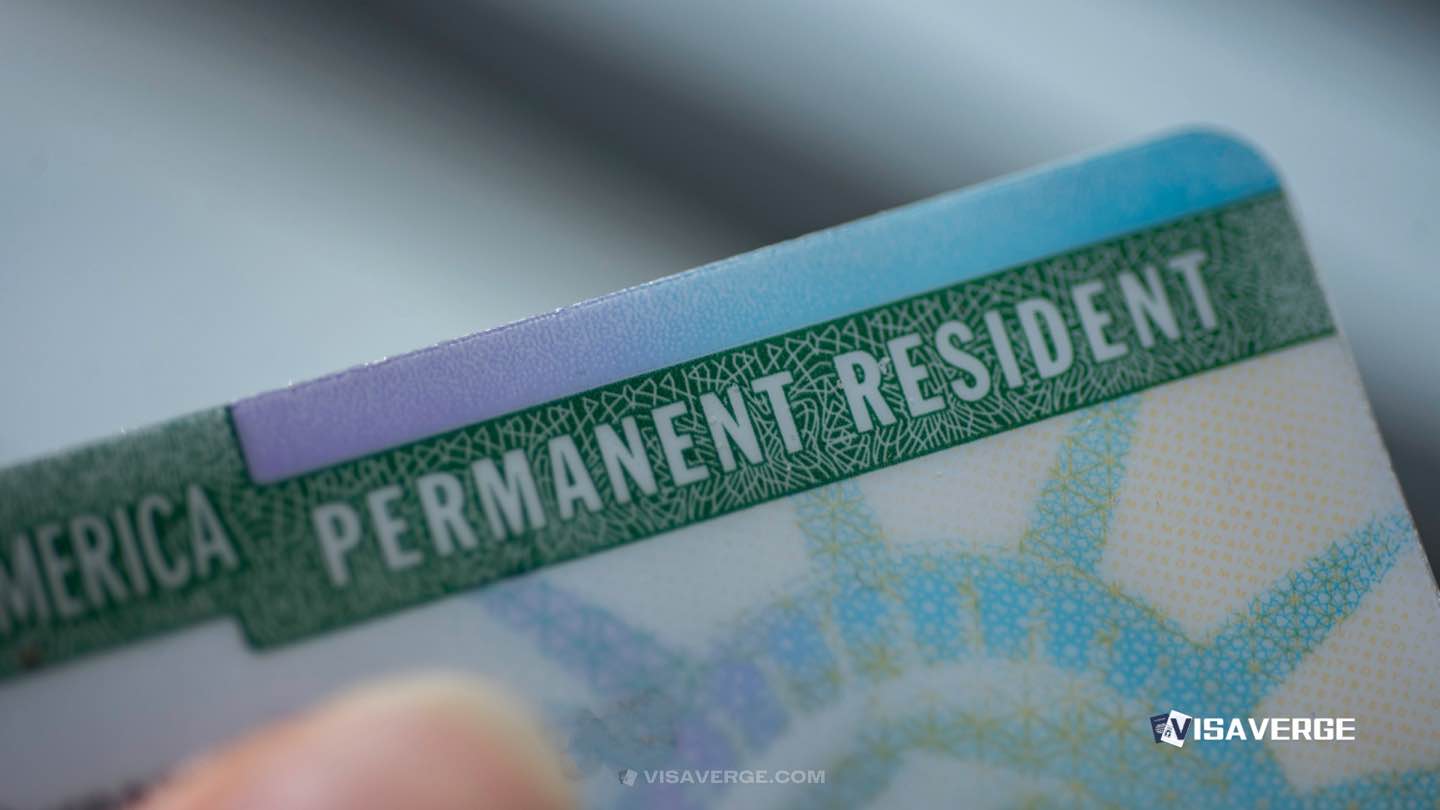
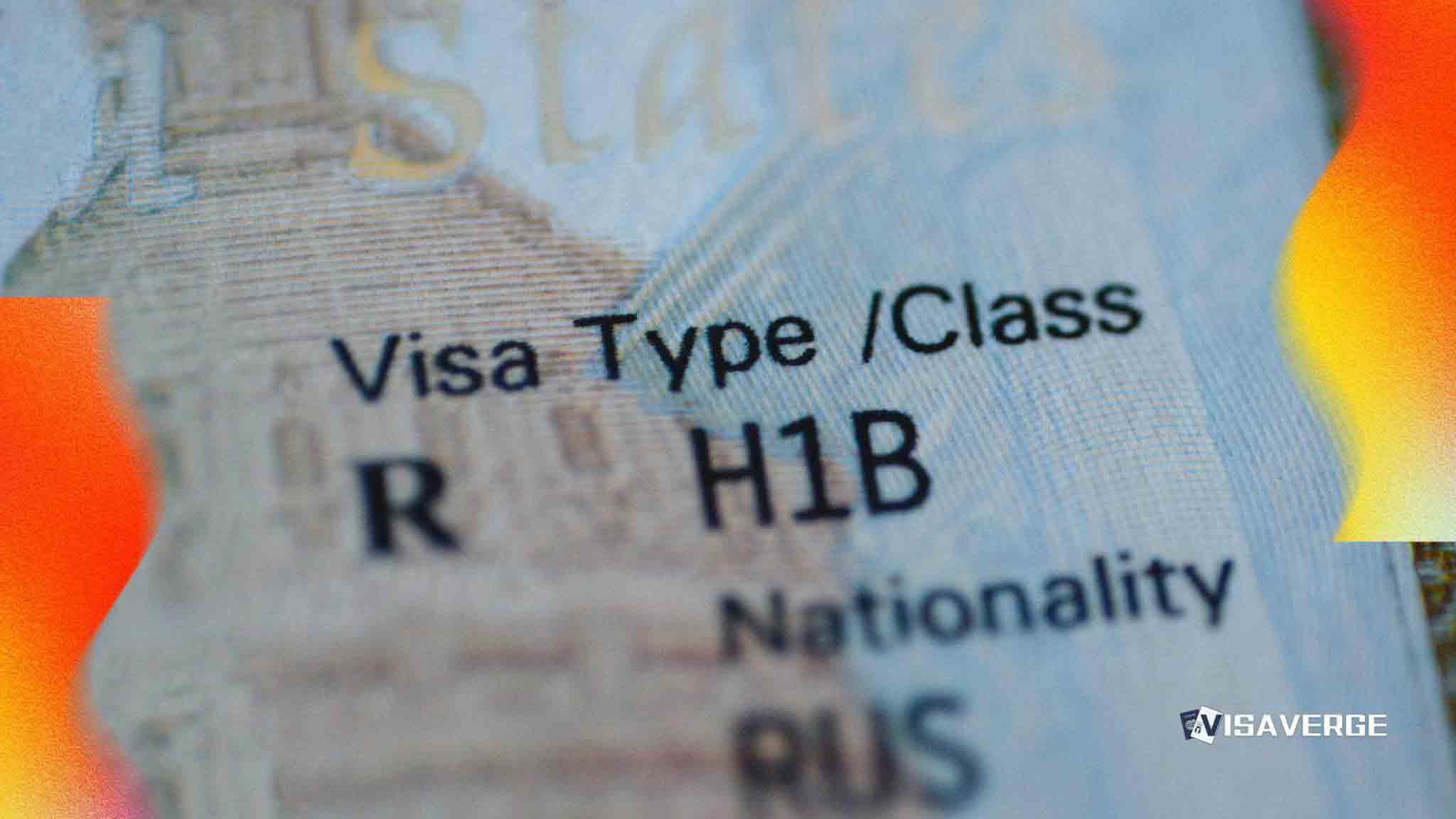
- H-1B workers must carry physical registration documents at all times under revived Alien Registration Act enforcement.
- Required documents include a passport with H-1B visa, printed I-94 record, and I-797 approval notice.
- Non-compliance can lead to fines up to $5,000, jail time, or potential removal from the United States.
(UNITED STATES) H-1B workers in the United States now face a simple but strict rule: carry proof of identity and legal status every day. Since April 11, 2025, non-citizens aged 14 and older who remain in the country for 30 days or more must carry registration papers at all times under the revived Alien Registration Act enforcement.
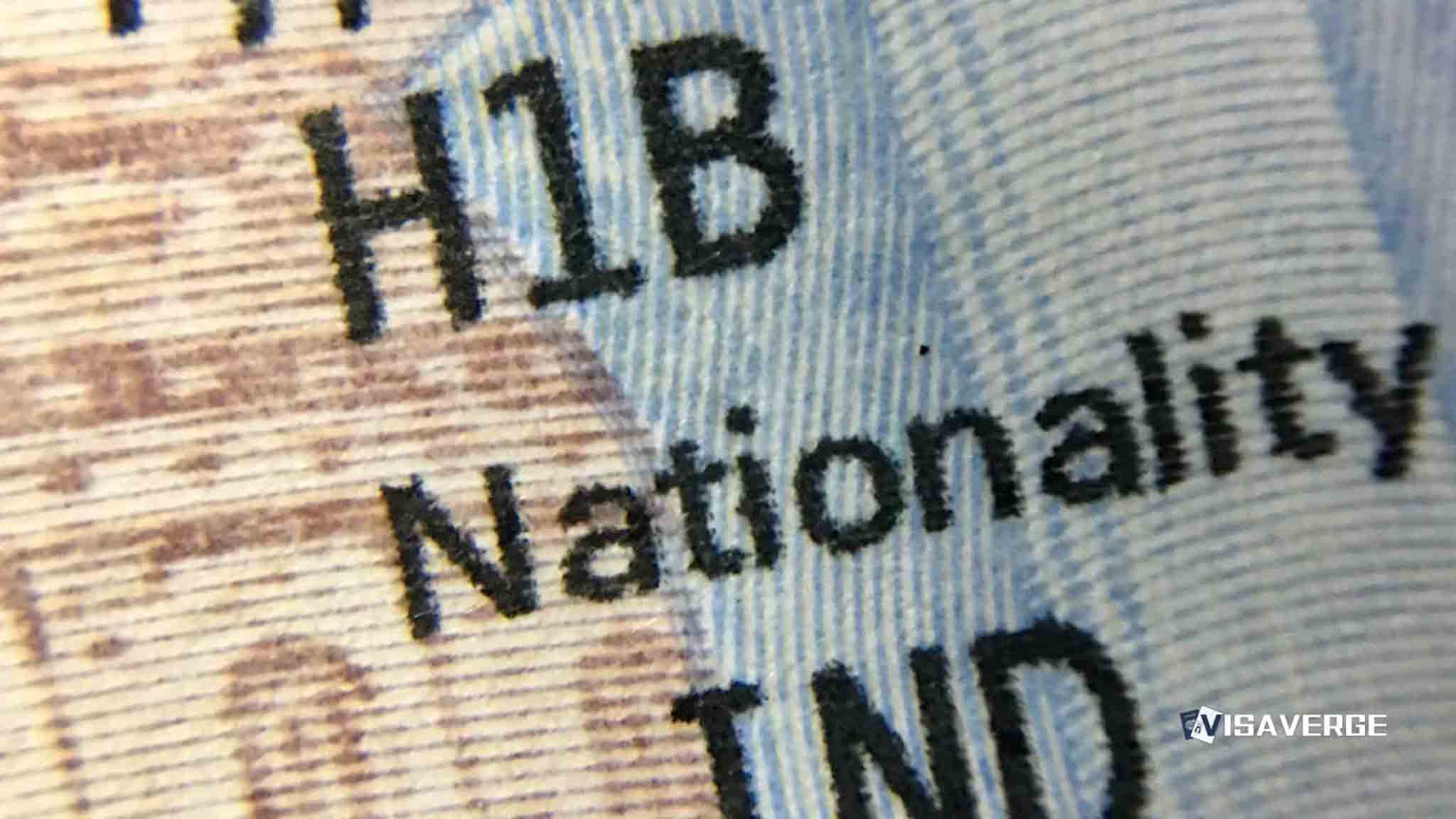
For H-1B professionals, that means ordinary errands now require the same preparation as an airport check. A traffic stop, a transit encounter, or a border-area checkpoint can turn on whether the right papers are in a wallet, folder, or work bag.
What H-1B workers must keep with them
Most H-1B holders are already registered through their I-94 Arrival/Departure Record and their approved petition notices. The key is carrying the right proof in the right form. Officers want originals or official government copies, not phone photos or personal scans.
Free toolH-1B Cost Calculator OnlineThe most useful set includes:
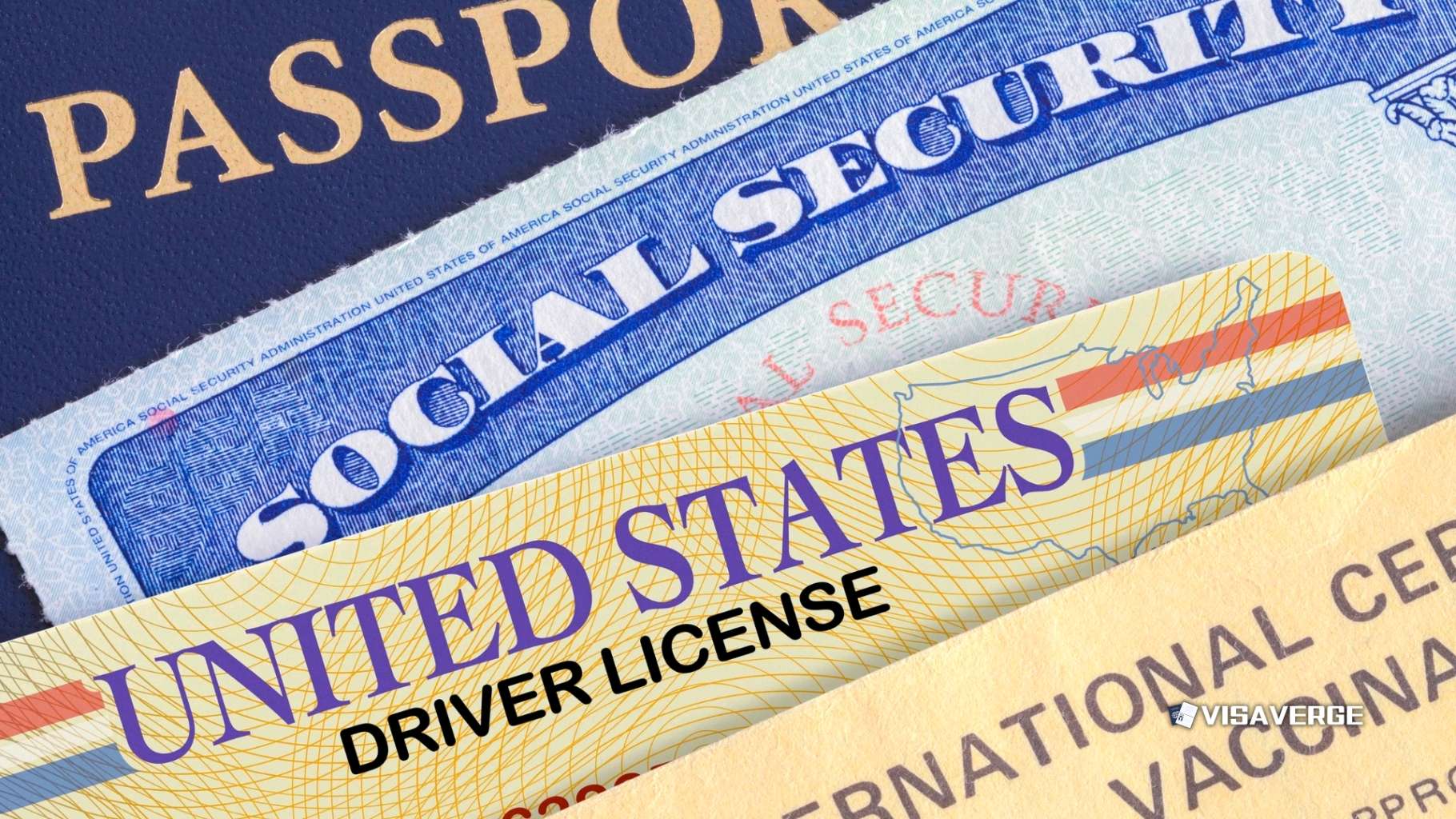
- Passport with valid H-1B visa stamp
- Printed I-94 record from CBP’s official I-94 portal
- Form I-797 Approval Notice for the H-1B petition or extension
- EAD, Form I-766, where a spouse or other eligible family member uses it as status or work proof
A passport copy in a glove compartment is not enough on its own. The same is true for a screenshot on a phone. Officers can check records through the SAVE system, but they still expect the physical document or an official printout.
| India | China | ROW | |
|---|---|---|---|
| EB-1 | Feb 01, 2023 ▲109d | Jul 01, 2023 | Current |
| EB-2 | Nov 01, 2013 | Oct 01, 2021 ▲30d | Jan 01, 2025 |
| EB-3 | Jan 01, 2014 | Jan 08, 2022 ▲7d | May 15, 2024 ▼109d |
| F-1 | Jan 22, 2020 | Jan 22, 2020 | Jan 22, 2020 |
| F-2A | Sep 22, 2026 ▲31d | Sep 22, 2026 ▲31d | Sep 22, 2026 ▲31d |
The Alien Registration Act and daily enforcement
The law behind the new push is 8 U.S.C. § 1304(e), tied to the Alien Registration Act of 1940. DHS has made clear that non-citizens 18 and older must carry proof of registration and lawful presence. Secretary Kristi Noem said: “All non-citizens 18 and older must carry this documentation at all times.”
That warning matters because enforcement now reaches into daily life. H-1B workers report checks at traffic stops, public transit, airports, and border zones. Near the border, officers often treat missing papers as a trigger for deeper questioning.
A missed document can also create immigration trouble beyond the roadside. The penalties include fines up to $5,000, up to 30 days in jail, and removal risk. VisaVerge.com reports that employers and lawyers now treat document carry rules as a core compliance issue, not a background concern.
REAL ID and domestic air travel
Since May 7, 2025, domestic flights have brought a second layer of checking. TSA requires a REAL ID-compliant state ID or an accepted alternative. For many H-1B workers, the easiest alternatives are a foreign passport with a valid visa and an I-94, or a green card or EAD if they have one.
That makes the REAL ID rule less about owning one specific state card and more about having one accepted travel document ready. Many H-1B holders still use passports at airports because some state IDs expire with their visa status or are hard to renew quickly.
State rules vary. California, New York, and Texas issue REAL ID options to many H-1B workers after in-person verification. Colorado does not issue REAL ID to standard temporary visa holders in the same way. The common thread is simple: bring originals to the DMV and expect identity checks.
For current federal travel guidance, TSA keeps its rules on REAL ID and acceptable documents. That page lists what works at airport checkpoints and what does not.
How employers are changing workplace advice
Large employers with H-1B staff have shifted from general reminders to daily routines. HR teams at technology firms and consulting companies now tell workers to keep a compact document kit ready.
Typical advice includes:
- Keep the passport, I-797, and I-94 together
- Store a backup printout in the car or office
- Use a lanyard or secure wallet insert
- Save the I-94 online for fast reprinting
- Tell HR and immigration counsel about any status change
That advice is practical because H-1B status depends on the employer, the job, and the petition dates. If an extension is filed, the new I-94 details need to match the current stay. If a worker moves, the address must be reported within 10 days through a myUSCIS account.
What happens during a stop
A traffic stop is the most common moment when the rule becomes real. Officers may ask for identification first, then ask for proof of lawful presence. A calm answer helps, but it does not replace the documents.
If the papers are with you, show them. If they are digital backups, use them only as a fallback while explaining where the originals are kept. If the papers are missing, the encounter can escalate quickly, especially for drivers near border corridors.
Border-zone checks bring more risk. Within 100 miles of the border, CBP patrols can ask for immigration papers during routine enforcement. H-1B workers crossing through those areas should carry the full set, not a single ID card.
Family status and dependent documents
H-4 spouses and children face the same daily carry culture. Their proof of status usually comes from the principal H-1B worker’s approval records and their own I-94 entries. Children who turn 14 must register again within 30 days, and fingerprints are part of that process.
Parents also need to plan for school runs, doctor visits, and travel. A family can avoid trouble only if every adult knows where the papers are and every dependent has the right copy.
Simple habits that reduce risk
A few habits now protect H-1B workers from avoidable trouble.
- Print a fresh I-94 from the official portal and keep it current.
- Store passport, I-797, and I-94 together in a waterproof folder.
- Check whether your state offers a REAL ID option before the next flight.
- Report address changes promptly through myUSCIS.
- Tell your employer and attorney if your job, passport, or petition changes.
Those steps are not dramatic. They are the new baseline for lawful daily life.
As March 2026 closes in, no court has blocked the policy, and no mass deportation wave of compliant H-1B workers has followed. Still, the enforcement culture is here, and it is persistent.
For H-1B holders, the message is plain: keep original papers close, use REAL ID rules carefully, and treat registration proof as part of everyday life in the United States.